
Breakfast & Brunch
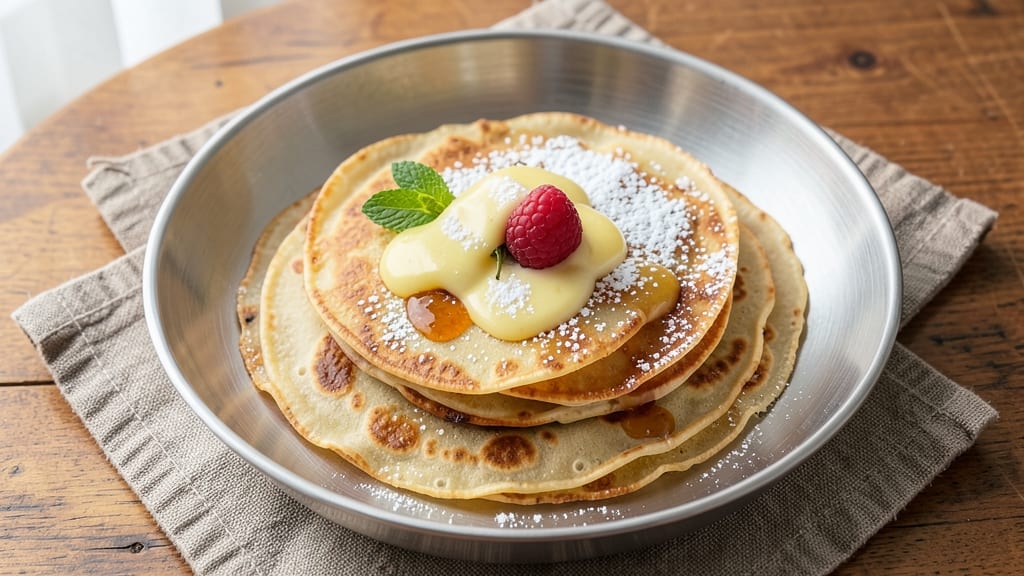
The best crape recipe you’ll ever try promises light-as-air layers that practically dissolve on your tongue, with fillings so silky they feel like a restaurant-quality experience at home. The secret lies in precise batter ratios and controlled heat—no more tough, dense crêpes that stick to the pan.
I’ve perfected this method after years of testing, ensuring every crêpe achieves that signature crisp edges and tender centers, whether you’re making classic French-style or American-style pancakes.
The batter is simple yet precise: flour, eggs, milk, and butter combined to create a smooth, pourable consistency that cooks evenly. The key technique is maintaining a medium-high heat in your pan while swirling the batter quickly to form thin, even layers.
This method works for both sweet fillings like Nutella and lemon curd or savory options such as ham and Gruyère, giving you endless possibilities for breakfast, brunch, or dessert.
What sets this recipe apart is the adaptability—whether you’re making delicate, thin crêpes for stuffing or thicker, heartier versions for flipping. The batter rests for 30 minutes, allowing the flour to fully hydrate and the eggs to blend seamlessly, which guarantees a silky texture every time.
Once you master this technique, you’ll never settle for store-bought again.
Ready to elevate your brunch game? This recipe delivers foolproof results with minimal effort, making it perfect for both beginners and seasoned cooks. The possibilities are endless, from classic lemon-ricotta crêpes to gourmet stuffed variations. Let’s get started!
Ingredients for best crape
Four simple ingredients transform into the lightest, fluffiest crêpes you’ll ever make—no tricks, just perfect technique.
| Ingredient | Amount | Notes |
|---|---|---|
| All-Purpose Flour 🌾 | 1 cup | Sifted for smooth batter texture |
| Large Eggs 🥚 | 2 whole | Room temperature for even blending |
| Whole Milk 🥛 | 1 ¼ cups | Full-fat for rich flavor |
| Unsalted Butter 🧈 | ½ cup | Melted and cooled slightly |
| Granulated Sugar 🍚 | ¼ cup | Adjust for sweetness preference |
| Salt 🧂 | ½ tsp | Fine sea salt preferred |
| Vanilla Extract 🌸 | 1 tsp | Pure extract for authentic flavor |
| Vegetable Oil 🫒 | 1 tbsp | For smooth pan coating |
| Lemon Zest 🍋 | 1 tsp | Freshly grated for brightness |
| Fillings (Optional) 🍫🍋🥓 | 1 cup | Nutella, lemon curd, or ham/Gruyère |
The flour is your foundation, so grab King Arthur or Bob’s Red Mill—they’re lighter than store brands and create that signature silky texture. Eggs should be room temperature, so take them out 15 minutes before mixing. For the butter, Land O’Lakes or Plugrá melt beautifully, but don’t let it get too hot—you want it just liquid, not greasy. The milk? Whole milk is non-negotiable here—it gives that rich, creamy mouthfeel. Pro tip: if your kitchen’s cold, warm the milk slightly first to help the butter blend smoothly. And that sugar? It’s not just for sweetness—it helps tenderize the batter too.
No vanilla extract? Almond extract at half the amount works in a pinch, though it’ll taste different. Running out of vegetable oil? Melted butter or coconut oil are great swaps—just don’t overdo it, or your crêpes might taste buttery. For lemon zest, if you’ve got fresh lemons, grate the outer layer only—no white pith! No zest at all? A splash of lemon juice adds brightness. The fillings are where you get creative: Nutella for decadence, ricotta and honey for elegance, or ham and Gruyère for savory lovers. Prep your fillings while the batter rests—it’ll save you time later.
This batter needs 30 minutes of rest—don’t skip it! Cover it with a damp towel to keep it smooth. The oil in the pan? Use a paper towel to pat it dry before each crêpe—wet oil splatters. Leftover batter? Store it in an airtight container for up to 2 days, or freeze for 1 month. Reheat crêpes in a dry pan for 30 seconds—they’ll taste like you just made them. And if you’ve got leftovers? Roll them up, slice into pinwheels, and toast for a delicious snack. Trust me, they’re even better the second day.
Why You'll Love This Recipe
- I’ll be real: I almost always make extra batter. The leftovers freeze like a dream—just reheat in a dry pan—and they’re still better than store-bought. Plus, the ingredients cost next to nothing compared to pre-made mixes.
- Five-Ingredient Magic: I swear by this combo—just flour, eggs, milk, butter, and sugar. That’s it. No fancy mixers or confusing ratios; the butter gives them that melt-in-your-mouth richness while the sugar keeps them tender without being dense.
- Crispy-Creamy Balance: Here’s what sold me—the way the edges get golden and crispy while the inside stays pillowy. The butter in the batter and the pan makes all the difference, and honestly? It’s the kind of texture that disappears too fast.
- Breakfast to Dessert: Between us, I use these for everything. Pancakes for breakfast, stuffed with Nutella for a lazy afternoon, or even rolled up with lemon curd when I’m feeling fancy. The same batter, endless possibilities.
Step-by-step instructions for light-as-air crêpes
Here's how to create the perfect crêpe batter that yields delicate, silky layers every single time.
Melt and Cool the Butter
Place the 0.5 cup unsalted butter in a microwave-safe bowl and melt it in 30-second intervals on high power, stirring between each interval. You want it completely melted but not hot—just warm enough to blend smoothly. Let it cool for 5 minutes until it reaches room temperature. This step is crucial because hot butter will cook the eggs immediately when mixed, creating a tough batter instead of a light, airy one.
While the butter cools, I like to give it a quick whisk to remove any water content that might have formed during melting. This ensures your batter stays smooth and doesn't develop lumps. The butter should be soft but not liquid when you're ready to use it—think of it like the perfect consistency for spreading on toast.
Whisk Wet Ingredients to Perfection
In a large mixing bowl, combine the 2 whole large eggs, 1.25 cups whole milk, 1 tsp vanilla extract, 1 tsp lemon zest, and 0.5 tsp salt. Whisk vigorously for 2-3 minutes until the mixture is completely smooth and pale yellow in color. You're looking for a ribbon consistency—when you lift the whisk, the batter should slowly flow back together in a thin stream.
This thorough whisking incorporates air into the mixture, which is what gives those beautiful, light-as-air crêpes. Don't rush this step—I've found that many home cooks under-whisk, which leads to dense crêpes instead of the delicate layers we're after. The lemon zest should be finely grated and fully dissolved, adding that bright citrus note that balances the richness of the butter.
Combine Dry Ingredients for a Smooth Batter
In a separate bowl, sift together the 1 cup all-purpose flour and 0.25 cup granulated sugar. Sifting removes any lumps and aerates the flour slightly, which helps create those perfect, thin crêpes. Make a well in the center of the dry ingredients and pour in the melted butter. Using a fork or whisk, gently mix the butter into the flour until you have a coarse crumb texture.
Now gradually pour the wet ingredients into the dry, whisking constantly to prevent lumps from forming. The goal is to create a smooth, pourable batter with the consistency of heavy cream—thick enough to coat the back of a spoon but still flowing freely. If it's too thick, add 1-2 tablespoons of milk to reach the perfect consistency. This batter should be smooth enough to pour easily but thick enough to cling to the pan without running everywhere.
Rest the Batter for Maximum Flavor
Cover the bowl with plastic wrap and let the batter rest at room temperature for at least 30 minutes, or up to 2 hours in the refrigerator. This resting period allows the flour to fully hydrate and the flavors to meld together. I've found that resting the batter significantly improves the texture of the crêpes—they become more tender and less likely to tear when spreading the fillings.
While the batter rests, heat your 1 tablespoon vegetable oil in an 8-inch non-stick skillet over medium-high heat. You'll want to work quickly once the batter is ready, so have your fillings prepared and your skillet hot. The oil should be hot enough to sizzle when you add the batter but not so hot that it smokes—this creates the perfect balance for crispy edges and silky centers.
Cook the Crêpes to Golden Perfection
Pour about ¼ cup of batter into the heated skillet, immediately swirling it to create an even layer. Cook for 1-2 minutes until the edges start to lift and the bottom is lightly golden. This is when you'll see those beautiful bubbles forming on the surface—your signal to flip. Here's the thing—don't flip too early. You want the bottom to be set but still slightly undercooked in the center so it finishes cooking when you flip it.
Carefully flip the crêpe and cook for another 30-45 seconds until the second side is golden brown. Transfer to a clean towel and cover with another towel to keep it warm. The crêpe should be pliable but not sticky, and the edges should be slightly crisp. Repeat with the remaining batter, carefully cleaning the skillet between each crêpe to prevent sticking. Each batch should yield about 4 crêpes—enough for one filling per person with a few leftovers for seconds.
Pro Tips For Making Best Crape
- MELT THE BUTTER FIRST: Unsalted butter straight from the fridge will clump into lumps when you mix it with milk and eggs—no matter how much you whisk. Melt it first (just until liquid, not browned) and let it cool slightly before adding to the batter. This keeps your crepes silky smooth and prevents that dreaded grainy texture.
- USE ROOM-TEMP INGREDIENTS: Cold eggs and milk make for a thicker batter that fights you every step of the way. Take the eggs out 10 minutes before you start, and let the milk sit in warm water for a few minutes if your kitchen’s chilly. Warm ingredients mix easier and give you that perfect, thin, pourable consistency.
- DON’T OVERMIX THE BATTER: I used to whip this batter like I was trying to win a pie-eating contest, but crepes hate that. Mix just until the flour disappears—about 30 seconds after the dry bits vanish. Overmixing adds gluten, which makes your crepes tough instead of tender. Stop when it looks like wet pancake batter, not bread dough.
- REST THE BATTER 10 MINUTES: Sounds weird, but it works: Let the batter sit after mixing. The flour absorbs the liquid, and the eggs relax enough to make the batter flow better. I skip this when I’m lazy, but the crepes are noticeably more even and less likely to tear when you pour them. (Yes, even if you’re impatient like me.)
Storing and reheating your leftovers
Refrigerator Storage
Store leftover crêpes in an airtight container between layers of parchment paper to prevent sticking. They’ll keep fresh in the fridge for up to 3 days, though I recommend eating them within 2 days for the best texture.
The key is to stack them neatly—fold each crêpe in half or roll them tightly to maximize space. When reheating, I use a non-stick skillet over medium heat for 20-30 seconds per side until golden and crisp again. 🌟
Freezer Prep
For longer storage, freeze crêpes individually between layers of parchment paper in a ziplock freezer bag. They’ll stay fresh for up to 1 month without losing their delicate texture. To reheat, transfer a frozen crêpe directly to a dry skillet over medium heat—no need to thaw first.
Cook for 1-2 minutes per side until fully heated through. This method works perfectly for stuffed crêpes too, just add your filling after reheating. ❄️
Reheating Crêpes
My preferred method is a dry skillet—no oil needed! Heat the pan over medium heat until hot, then place the crêpe in the pan for 30-45 seconds until the edges crisp up. For extra crispiness, add ½ teaspoon of butter to the pan before reheating.
If you’re in a hurry, a toaster oven at 350°F for 1-2 minutes works well too, especially for larger batches. Just watch closely to avoid overcooking. 🔥
Reviving Stale Crêpes
If your crêpes have lost their crispness, don’t toss them! Brush them lightly with melted butter and reheat in a 375°F oven for 3-5 minutes until warmed through. This trick works wonders for both plain and stuffed crêpes.
For extra moisture, sprinkle a few drops of water on the crêpe before reheating—the steam helps restore that fresh-baked texture. It’s like giving them a second chance at life! ✨
Make-Ahead Tips
Make a double batch of batter and freeze it in ice cube trays for single-serving portions. Once frozen, transfer the batter cubes to a ziplock bag and store for up to 1 month. Thaw overnight in the fridge, then cook as usual.
This is a game-changer for busy mornings—I just grab a cube, thaw it, and cook straight from the fridge. For stuffed crêpes, prepare your fillings ahead of time and store them separately in the fridge. 💡
Transporting Crêpes
To transport crêpes safely, wrap them individually in plastic wrap or place them between layers of parchment paper in a stackable container. For stuffed crêpes, add an extra layer of wrap to prevent fillings from leaking.
If you’re bringing them to a picnic, pack them in a cooling bag with an ice pack to keep them fresh. They’ll stay stable for up to 4 hours this way, perfect for brunch on the go. 🚗
Nutrition facts
Frequently asked questions
Why do some crêpes turn out thick while others stay thin?
The thickness depends on how much batter you pour and how quickly you swirl it. Use ¼ cup batter per crêpe and immediately swirl the pan to create an even, thin layer. If your pan isn't hot enough (medium-high heat), the batter will cook too slowly, resulting in thicker crêpes. Also, make sure your skillet is 8 inches or larger—smaller pans force thicker layers.
Can I make crêpes without eggs for a vegan version?
Yes! Replace the 2 eggs with 2 tablespoons ground flaxseed mixed with 6 tablespoons water (let it sit for 5 minutes to thicken). For extra richness, add 2 tablespoons melted coconut oil to the milk-butter mixture. The texture will be slightly different but still delicious. Test the batter consistency—it should be similar to the original recipe.
How do I prevent crêpes from sticking to the pan?
Use a non-stick skillet and ensure it's properly heated before adding batter. Heat 1 tbsp vegetable oil until shimmering but not smoking, then wipe excess oil with a paper towel. For extra insurance, sprinkle a tiny pinch of flour into the pan before the first crêpe. Never reuse oil between batches—always clean the pan with a dry cloth between crêpes.
What's the best way to fill crêpes without tearing them?
Work quickly! Spread your filling on one-third of the crêpe, then roll or fold it immediately. Keep the crêpe warm in a 200°F oven while you fill the rest. For delicate fillings like ricotta or whipped cream, use a piping bag to create neat lines. If the crêpe tears, simply fold the edges inward to hide any gaps. Practice makes perfect—your first few might not be flawless!
Can I make crêpes in advance for a brunch party?
Prepare the batter ahead and refrigerate it overnight. Cook crêpes just before serving, but store them in an airtight container between parchment paper for up to 2 days. For stuffed crêpes, assemble them just before serving to prevent sogginess. If you need to reheat, use a dry skillet over medium heat for 20 seconds per side. Prep fillings the night before and store separately.