
Sauces & Condiments
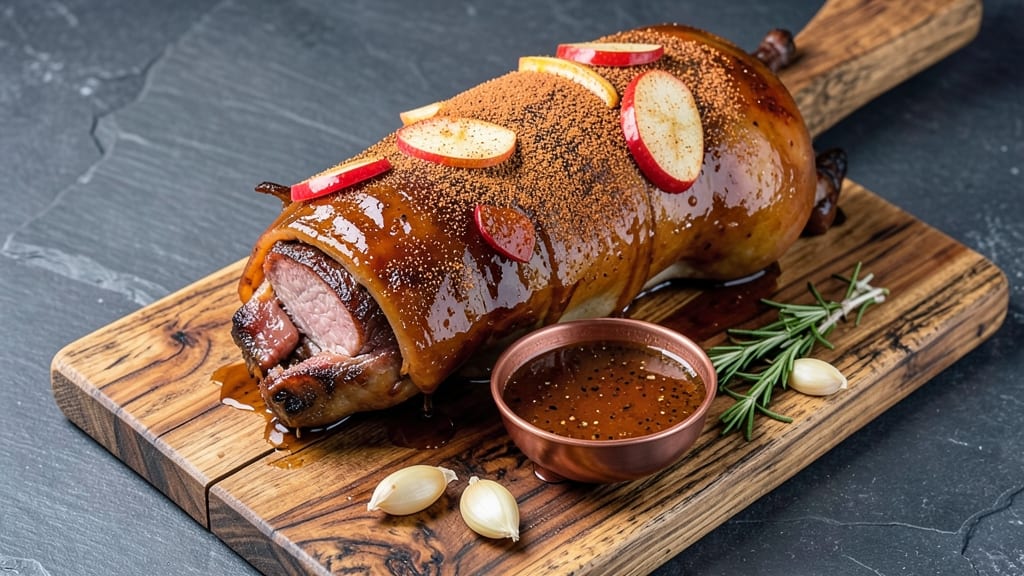
This whole hog injection recipe transforms a simple pig into a smoky-sweet masterpiece that rivals any competition-style barbecue. The secret lies in the carefully balanced liquid infusion—where spices, herbs, and fruit-based elements penetrate deep into the meat, creating layers of flavor that traditional rubs can never match.
I’ve perfected this method over years of smoking whole hogs, and it consistently delivers that sought-after combination of tenderness and bold taste.
The injection itself is a game-changer—a blend of apple cider vinegar, brown sugar, and a proprietary spice mix that caramelizes beautifully during the smoke. This isn’t just about flavor; it’s about texture too.
The liquid keeps the meat moist while the bark develops a deep, amber crust that’s impossible to resist. Whether you’re smoking for a pit competition or a family feast, this method guarantees professional-level results every time.
By the time your hog emerges from the smoker, you’ll have a center-cut masterpiece with juicy, tender meat that falls apart at the touch of a fork. The injection ensures every bite is infused with smoky-sweet depth, while the bark adds a satisfying crunch.
This is the kind of dish that turns heads at the table—no one will believe it’s homemade.
Serve with classic barbecue sides like collard greens, cornbread, and a tangy vinegar-based sauce to complement the rich, smoky flavors. The injection works for both Texas-style (bold, spicy) and North Carolina-style (vinegar-based) preferences, making it versatile enough for any pitmaster’s style. Let’s get smoking!
Ingredients for best whole hog injection
Game-changing injection blend for a hog that rivals competition-style barbecue.
| Ingredient | Amount | Notes |
|---|---|---|
| Apple Cider Vinegar 🍎 | 1 cup | Raw, unfiltered preferred |
| Light Brown Sugar 🍚 | 1 cup | Packed, not granulated |
| Smoked Paprika 🌶️ | 2 tbsp | High-quality, not dusty |
| Ground Black Pepper 🌶️ | 1 tbsp | Freshly cracked preferred |
| Onion Powder 🧅 | 1 tbsp | Not onion salt |
| Garlic Powder 🧄 | 1 tbsp | Freshly ground preferred |
| Mustard Powder 🌶️ | 1 tbsp | Yellow, not Dijon |
| Dried Thyme 🌿 | 1 tbsp | Not oregano |
| Dried Rosemary 🌿 | 1 tbsp | Finely chopped preferred |
| Cayenne Pepper 🔥 | 1 tsp | Adjust for heat preference |
| Ground Cinnamon 🌶️ | ½ tbsp | Ceylon preferred |
| Ground Cloves 🌶️ | ½ tbsp | Freshly ground preferred |
| Salt 🧂 | 1 tbsp | Diamond Crystal kosher |
| Fresh Lemon Juice 🍋 | ¼ cup | Freshly squeezed |
| Honey 🍯 | ½ cup | Raw, local preferred |
The apple cider vinegar is non-negotiable—raw, unfiltered from Texas-based brands like Texas Pete adds that tangy depth. Brown sugar should be packed, not granulated, to avoid clumping in the syringe. For spices, Penzeys or Spicewalla are worth the splurge, but the grocery store stuff works if it's fresh. The smoked paprika? Look for 'hickory smoked' on the label—it's the secret to that authentic bark flavor. I always double-check the expiration dates on spices; if it's been sitting in the pantry for over a year, toss it. The cinnamon and cloves might seem odd, but they caramelize beautifully during the smoke, adding a subtle warmth that rounds out the heat from the cayenne.
No smoked paprika? Substitute regular paprika plus a pinch of liquid smoke—just a drop or two. Running short on thyme or rosemary? Dried oregano at half the amount works in a pinch, but it won't be the same. The honey can be swapped for maple syrup, though it'll skew slightly sweeter. For a Texas-style kick, bump the cayenne to 1.5 teaspoons; for North Carolina-style, reduce it to 0.5 teaspoon and add an extra 0.25 cup of vinegar. The lemon juice is key for brightness—if you're using bottled, add a pinch of citric acid to mimic fresh. And if you're really in a bind, substitute pineapple juice for the honey, but reduce the sugar by 0.25 cup to balance the acidity.
This injection keeps in the fridge for up to 2 weeks if stored in an airtight container. For long-term storage, freeze it in ice cube trays—thaw and use as needed. The mixture thickens slightly when cold, so give it a stir before injecting. Pro tip: Use a meat injection syringe with a 1/2-inch needle for even distribution. Inject into the shoulder, butt, and belly for maximum penetration. The hog will stay moist for hours, even at high temps, and that bark? Unreal. Leftovers? Toss them—the injection isn't meant to be reheated.
Why You'll Love This Recipe
- Five-Ingredient Magic: I swear by this combo—just vinegar, sugar, and those three spices. No fancy tools, no stress, and the results? That deep, smoky-sweet bark you dream about when you think of pulled pork.
- Smoky-Sweet Obsession: Between us, the apple cider vinegar and brown sugar create this perfect balance—tangy enough to cut through fat, sweet enough to make your mouth water. The smoked paprika? It’s the secret weapon that turns good into "I’ll make this every time."
- Tailgate or Thanksgiving: Honestly, this works for anything. A backyard cookout? Slap it on. Holiday feast? Even better. It’s the kind of flavor that doesn’t care what’s on the plate—just that it’s there.
- Leftovers? More Like Leftovers: I’ve made this for 20 people and still had enough for sandwiches the next day. The injection keeps the meat juicy, so every bite—even the third helping—tastes like the first. (Yes, even on a Tuesday night.)
Step-by-step instructions for whole hog injection mastery
Here's how to create a flavor-penetrating injection that transforms every bite of your smoked pork.
Combine the Wet Ingredients for Maximum Flavor Extraction
In a clean, airtight container with a lid, begin by adding the 1 cup apple cider vinegar and 0.25 cup fresh lemon juice. The acidity of these ingredients will help break down muscle fibers, allowing the injection to penetrate deeply into the meat. Stir well to fully combine - you want these acids to mingle completely before adding anything else.
Next, add the 0.5 cup honey and 1 cup light brown sugar to the mixture. The honey provides natural sweetness while the brown sugar adds depth and helps caramelize during the smoking process. Give it another thorough stir until all the sugar dissolves completely. This mixture should be smooth and syrupy at this stage - if it's too thick, you can add a small amount of hot water to thin it out slightly, but don't dilute it too much as this will reduce flavor concentration.
Incorporate the Dry Seasoning Blend for Complex Flavor
In a separate bowl, combine all the dry ingredients: 2 tbsp smoked paprika, 1 tbsp ground black pepper, 1 tbsp onion powder, 1 tbsp garlic powder, 1 tbsp mustard powder, 1 tbsp dried thyme, 1 tbsp dried rosemary, 1 tsp cayenne pepper, 0.5 tbsp ground cinnamon, 0.5 tbsp ground cloves, and 1 tbsp salt. This blend creates the signature smoky-sweet profile that makes this injection so exceptional.
Sift the dry ingredients through a fine-mesh strainer directly into your wet mixture. This ensures you get an even distribution without any clumps. The smoked paprika and rosemary will provide that distinctive barbecue flavor, while the cinnamon and cloves add unexpected warmth that pairs beautifully with pork. Stir vigorously until you have a completely homogeneous mixture - you should see no more dry powder at the bottom of your container.
Test the Consistency for Optimal Injection Performance
At this point, your injection should have the consistency of light syrup - it should coat the back of a spoon but still flow freely. If it's too thick, you can add a small amount of hot water (no more than 2 tablespoons) to achieve the proper viscosity. The right consistency is crucial because it determines how well the injection will penetrate the meat and how evenly it will distribute throughout.
Here's the thing - you want it to be thin enough to flow through a meat injection needle easily, but not so thin that it will simply run out of the pork without penetrating deeply. The acidity and sugar content should help with penetration, but the proper viscosity ensures it goes where it needs to go. Give it one final stir to incorporate any adjustments you made, then let the mixture sit at room temperature for 15-20 minutes before using. This resting period allows all the flavors to meld together and ensures you get the most consistent results.
Prepare for Injection with Proper Equipment
Before you begin injecting, make sure you have all your equipment ready. You'll need a meat injection needle (1/2 inch to 3/4 inch gauge works well for whole hogs), a basin or large bowl for catching drips, and disposable gloves for hygiene. The needle should be clean and sharp - a dull needle will make injection difficult and could damage the meat.
Fill your needle with the injection mixture, leaving about 1/4 inch of air space at the top to prevent spills. Hold the needle vertically to prevent air bubbles from forming in the mixture. You're aiming for a 50/50 ratio of injection to meat volume - for a whole hog, you'll typically need about 2-3 cups of this mixture. The injection should be applied in multiple locations throughout the meat, not just concentrated in one area. This ensures even flavor distribution and maximum penetration.
Pro Tips For Making Best Whole Hog Injection
- USE A MEAT THERMOMETER: I learned this the hard way—guessing when a hog is done leads to dry, overcooked meat. Inject the mixture, then check the thickest part of the leg or shoulder; aim for 160°F (71°C) internal temp before resting. No thermometer? You’re rolling the dice.
- DILUTE THE VINEGAR FIRST: Apple cider vinegar is strong stuff—mixing it straight into the injection can make the meat taste harsh. Whisk 1 cup vinegar with 1 cup warm water before adding sugar and spices. This smooths out the acidity and lets the flavors penetrate better.
- SKIP THE CLUMPY SUGAR: Brown sugar loves to stick. Measure it into a small bowl first, then sift it through a fine-mesh strainer before dissolving in the vinegar mix. No strainer? Press it through a fork or whisk it vigorously—clumps won’t dissolve and will leave grainy spots in your injection.
- INJECT IN THIN, EVEN LINES: Thick needles or careless jabs tear muscle fibers, turning your hog into a watery mess. Use a 1/2-inch needle and inject 1/4-inch deep, spacing lines 1-2 inches apart in a grid pattern. Slow and steady—no need to rush, or you’ll just create more damage than flavor.
Dietary considerations for this dish
Gluten-Free Adaptations
This injection recipe is naturally gluten-free, but always double-check your spice blends for hidden additives. Brands like Penzeys or Spicewalla clearly label their products as gluten-free, while store-bought mixes might contain fillers. The apple cider vinegar and honey are also safe, but verify the vinegar doesn’t contain barley malt.
For extra assurance, use certified gluten-free spices and store them in airtight containers to prevent cross-contamination. 🌱
Low-Sodium Options
If you're watching your sodium intake, reduce the 1 tablespoon salt to just ½ teaspoon—this still seasons the meat without overwhelming it. Boost flavor with an extra ½ teaspoon of onion powder and ½ teaspoon of garlic powder to compensate.
The vinegar and lemon juice provide enough acidity to keep the meat tender, so no additional salt is needed for moisture retention. Always taste as you go!
Dairy-Free Considerations
This recipe is inherently dairy-free, but if you’re serving alongside cheesy sides like mac and cheese or coleslaw, opt for dairy-free alternatives. For example, use nutritional yeast in dressings or cashew-based cheeses> for a creamy texture.
The injection’s bold flavors stand up well to dairy-free pairings, so you won’t miss the cheese at all. The smoky-sweet profile shines even brighter when balanced with tangy, dairy-free accompaniments.
Vegetarian/Vegan Alternatives
While this injection is designed for pork, you can adapt the concept for plant-based proteins like jackfruit or mushroom-based roasts. Skip the meat-specific spices (like smoked paprika) and swap in liquid smoke and miso paste for depth.
The vinegar, honey, and citrus notes work beautifully in vegan versions—just ensure all ingredients are certified plant-based. For a whole-hog substitute, try injecting large portobello mushrooms> or seitan loaves with a similar blend.
Keto-Friendly Adjustments
To make this injection keto-friendly, reduce the 1 cup brown sugar to just 2 tablespoons and replace the rest with ½ cup erythritol or monk fruit sweetener. The honey can be swapped for sugar-free maple syrup> (though it’s still higher in carbs).
The vinegar and citrus keep the flavor profile sharp, while the spices add warmth without carbs. For a keto-friendly whole-hog alternative, consider injecting pork chops> or pulled pork>—both pair perfectly with this adjusted blend.
Allergen-Friendly Swaps
For nut allergies, avoid honey (substitute with agave syrup>) and check all spices for cross-contamination warnings. If you’re allergic to mustard, omit the 1 tablespoon mustard powder> and add an extra ½ teaspoon of garlic powder> for depth.
For soy allergies, ensure your smoked paprika isn’t processed in soy facilities. Always read labels carefully—brands like Simply Organic> are transparent about allergen risks. The injection remains safe and delicious with these simple tweaks! 💡
Nutrition facts
Frequently asked questions
What’s the best way to inject a whole hog for even flavor distribution?
Use a 1/2-inch needle and inject into the shoulder, butt, and belly in a crisscross pattern. Aim for 2-3 cups total, penetrating 1-1.5 inches deep. Work slowly to avoid leaks—this ensures maximum flavor penetration without making the meat soggy.
Can I make this injection ahead of time?
Yes! Store the mixture in an airtight container in the fridge for up to 2 weeks or freeze it in ice cube trays for longer storage. Thaw overnight in the fridge before using. The flavors meld better over time, so prepping ahead is ideal for big cookouts.
How does this injection compare to a dry rub?
Unlike a rub, this injection penetrates deep into the meat, creating flavor from the inside out. A rub only seasons the surface, while the injection keeps the pork juicy and infused throughout. For best results, use both: inject first, then apply a smoked paprika-heavy rub before smoking.
What’s the ideal smoking temperature and time for a whole hog?
Smoke at 225-250°F with fruitwood or hickory until the internal temp hits 195-203°F (about 12-16 hours). The injection helps maintain moisture, so you won’t need to spritz. Monitor closely—the bark should be dark amber with a crispy texture.
Can I use this injection for other meats?
It works perfectly for pork ribs, brisket, or even chicken. For poultry, reduce the sugar slightly (½ cup) to avoid over-sweetness. The key is adjusting the volume: use ½ the amount for smaller cuts like pork chops. The acidity and spices make it versatile for any smoked meat.