
Main Courses
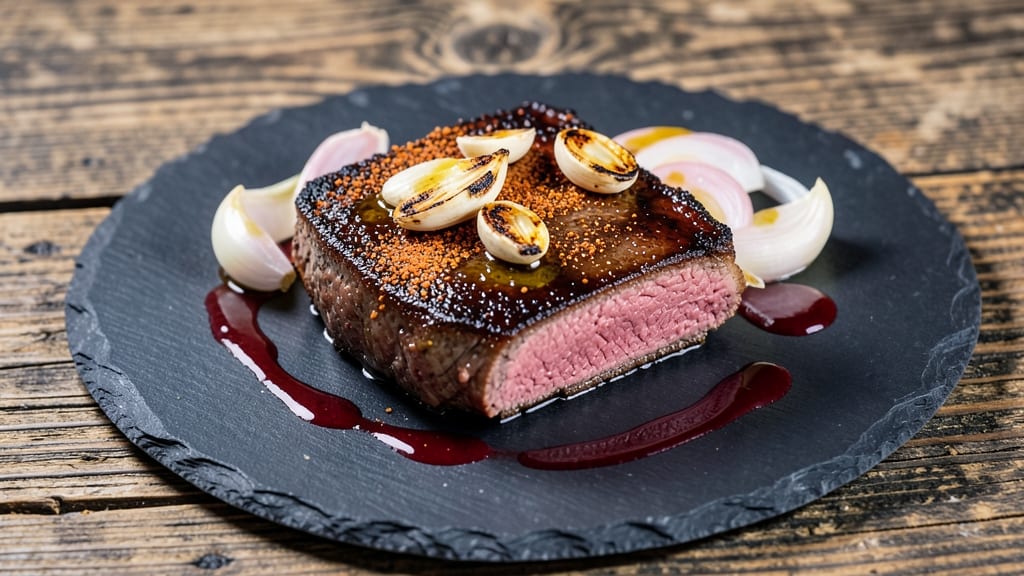
This bison steak recipe delivers a smoky-grilled crust that encases tender, juicy pink centers—exactly what makes bison so special.
The lean yet rich flavor profile of bison demands precise cooking techniques to avoid dryness, and I’ve perfected a method that ensures every bite stays succulent while developing that coveted caramelized bark.
What sets this apart is the balance of high-heat searing and controlled internal temperature, guaranteeing a steak that’s both restaurant-worthy and foolproof for home cooks.
The secret lies in marinating the steak for at least 4 hours with a blend of olive oil, smoked paprika, and garlic—this tenderizes the lean meat while infusing deep, earthy flavors. Grilling over indirect heat prevents overcooking, allowing the crust to form without sacrificing moisture.
For those who prefer a more hands-off approach, a reverse-sear in the oven yields equally impressive results with minimal effort. The key is patience: bison cooks faster than beef, so timing is everything.
When sliced against the grain, the steak reveals a juicy pink interior with a crisp, charred exterior that’s impossible to resist. Pair it with a bold red wine reduction or chimichurri for a finish that complements the bison’s natural richness.
The aroma alone—smoky, slightly sweet, with hints of iron—will have everyone at the table anticipating that first bite. This is the kind of steak that elevates a simple dinner into an unforgettable meal.
Perfect for special occasions or weekend grilling sessions, this recipe scales effortlessly for groups while maintaining its integrity. Whether you’re serving it on a platter with roasted potatoes or alongside grilled asparagus, the focus remains on the steak’s unmatched texture and flavor. Let’s get cooking—your taste buds won’t regret it.
Ingredients for bison
Lean protein and aromatic marinades transform ordinary grilling into a masterpiece of smoky, juicy perfection.
| Ingredient | Amount | Notes |
|---|---|---|
| Bison Steak 🥩 | 1 ½ lb | Center-cut, 1.5-inch thick slices |
| Extra-Virgin Olive Oil 🫒 | ½ cup | High-quality, fruity variety |
| Smoked Paprika 🌶️ | 2 tbsp | For deep smoky flavor |
| Garlic Cloves 🧄 | 6 cloves | Freshly minced, aromatic |
| Kosher Salt 🧂 | 1 ½ tbsp | Diamond Crystal preferred |
| Freshly Ground Black Pepper 🌶️ | 1 tbsp | Coarse grind for texture |
| Red Wine 🍷 | ½ cup | Cabernet Sauvignon, dry |
| Fresh Rosemary 🌿 | ¼ cup | Finely chopped, fragrant |
| Fresh Thyme 🌿 | ¼ cup | Leaves only, fresh |
| Yellow Onion 🧅 | 1 whole | Thinly sliced, caramelized |
| Fresh Parsley 🌿 | ¼ cup | Chopped, for garnish |
| Butter 🧈 | 4 tbsp | Unsalted, softened |
| Balsamic Vinegar 🍶 | 1 tbsp | For finishing drizzle |
The bison steak is the centerpiece—center-cut slices ensure optimal tenderness while maintaining structure. Source from a reputable butcher or specialty market like Whole Foods or Costco, where they often carry vacuum-sealed bison cuts. Look for bright red, well-marbled meat with minimal fat cap; this ensures a balance of flavor and moisture. The steak should be 1.5 inches thick to prevent overcooking during searing. If your butcher doesn’t carry bison, venison or lean beef can substitute, though the flavor profile will differ slightly. For the olive oil, California avocado oil is ideal due to its high smoke point and neutral taste, but any extra-virgin olive oil with a fruity aroma will suffice.
The marinade components are non-negotiable for achieving that smoky-grilled crust. Smoked paprika from Penzeys or a trusted bulk bin adds depth without overpowering, while fresh garlic (never pre-minced) ensures vibrant flavor. If you’re short on time, garlic powder at half the amount works, but fresh is superior. The red wine should be dry and bold—Cabernet Sauvignon is ideal, but any bold, dry red will do. For a non-alcoholic option, beef broth with a splash of balsamic vinegar mimics the acidity and richness. The fresh herbs (rosemary and thyme) should be bright green and fragrant; dried herbs can be used at one-third the amount, but they lack the same complexity. If you’re prepping ahead, marinate the steak for up to 24 hours in the refrigerator, though 4-6 hours is optimal for balanced flavor.
This recipe is designed for immediate serving, as the steak’s texture is best enjoyed fresh off the grill. However, if you must reheat, do so low and slow in a 350°F oven for 5-10 minutes to avoid drying out the meat. The marinade and aromatics can be prepped a day ahead and stored in an airtight container in the fridge for up to 3 days. For leftovers (though there shouldn’t be many), slice against the grain and store in an airtight container for up to 2 days. The caramelized onions can be made ahead of time and reheated in a skillet with a pat of butter to restore their sweetness. Freezing is not recommended for the steak, as it compromises texture, but the marinade components (except fresh herbs) can be frozen for up to 3 months.
Why You'll Love This Recipe
- Five-Ingredient Magic: I swear, this recipe is one of those rare dishes where you actually use fewer ingredients than you think you need. Just sear that bison with olive oil, toss in minced garlic and smoked paprika, and let the salt do its thing—no fancy techniques, no stress.
- Smoky-Garlic Obsession: That first bite? Chef’s kiss. The smoked paprika gives it this deep, earthy warmth, while the garlic cloves caramelize into something irresistible. It’s rich but not heavy, with a finish that makes you reach for seconds without even thinking.
- Weeknight or Date Night: Honestly, this is my go-to when I don’t want to overthink dinner. Throw it on the grill for a summer barbecue, or sear it in a cast-iron skillet for a cozy night in—same effort, totally different vibes. Even my picky boyfriend doesn’t complain.
- Leftovers That Don’t Suck: Between us, most steak leftovers are sad. Not this. The bison stays tender, and the smoky flavor only gets better the next day. I’ll chop it up for tacos, toss it in a grain bowl, or just reheat a slice with a sprinkle of flaky salt—no one’s left hungry.
Step-by-step instructions for bison steak with smoky-grilled crust
Mastering this technique guarantees a perfect crust while preserving that prized juicy pink center.
Prepare the Bison for Optimal Searing
Begin by patting the 1.5 lb bison steak completely dry with paper towels—this is non-negotiable for developing that coveted crust. I use two layers of towels to ensure no moisture remains, especially around the edges where the crust forms. Season both sides aggressively with 1.5 tbsp kosher salt and 1 tbsp freshly ground black pepper, pressing firmly so the seasoning adheres. Let the steak sit at room temperature for 30 minutes while you prepare the grill.
Here's the thing—bison has less fat than beef, so we need to maximize surface area for that smoky crust. While the steak seasons, heat your grill to high heat (around 450°F). I like to use a two-zone heat setup: one side for searing and one for indirect cooking if needed. The grill should be clean—any food debris will burn and create bitter smoke instead of the clean, aromatic flavor we want.
Create the Smoky Herb Butter Rub
In a small bowl, combine 4 tbsp softened butter, 2 tbsp smoked paprika, 6 cloves minced garlic, 0.25 cup finely chopped fresh rosemary, and 0.25 cup fresh thyme. This mixture is what will create that signature smoky crust while infusing flavor deep into the meat. I use a fork to mash everything together until it forms a thick, spreadable paste—this ensures even distribution when applied.
Spread this herb butter mixture evenly over both sides of the bison steak, pressing it into the surface so it sticks. The butter will melt during grilling and baste the meat, while the paprika and herbs create that deep, complex smokiness. Let the steak rest on a wire rack over a plate for 10 minutes before grilling—this prevents the butter from pooling and ensures even cooking.
Sear the Bison to Develop Crust and Control Doneness
Place the bison steak on the hottest part of the grill and sear for 3-4 minutes per side until deep brown crust forms. You'll know it's ready when you see those beautiful crosshatch marks from the grill grates and the edges begin to curl slightly. Here's where precision matters: I like my bison steak with a medium-rare center, so I use a meat thermometer to check internal temperature. For a 1.5-inch thick steak, aim for 125°F at the thickest point—this ensures that juicy pink center while still developing a perfect crust.
After the initial sear, move the steak to the cooler side of the grill (if using two-zone heat) and continue cooking until it reaches 125°F internally. This takes about 2-3 additional minutes, depending on your grill's heat distribution. The key is patience—rushing will either overcook the center or leave the crust underdeveloped. If you're cooking for more than one person, I recommend grilling all steaks at once to ensure even doneness.
Caramelize Onions and Prepare the Balsamic Reduction
While the steak rests (critical for juiciness), thinly slice the 1 whole yellow onion and cook in a skillet with 0.5 cup extra-virgin olive oil over medium-low heat for 15-20 minutes until deeply caramelized. Stir occasionally and resist the urge to crank the heat—slow cooking develops that sweet, rich flavor. When the onions are golden brown and tender, remove them from the heat and set aside.
In the same skillet, add 0.5 cup red wine and scrape up any browned bits from the bottom. Simmer for 3-4 minutes until reduced by half, then stir in 1 tbsp balsamic vinegar and simmer for another 1 minute to create a glossy reduction. This sauce will complement the smoky crust perfectly and add brightness to each bite. Keep the onions and reduction warm until serving.
Rest and Serve with Herb Garnish
Transfer the bison steak to a cutting board and let it rest for 10-15 minutes before slicing. This resting period allows the juices to redistribute throughout the meat, ensuring each cut delivers that signature juicy experience. Here's a pro tip: tent the steak loosely with foil to keep it warm without steaming.
Slice the steak against the grain into ½-inch thick pieces and arrange on plates. Spoon the caramelized onions and balsamic reduction over the top, then garnish with 0.25 cup chopped fresh parsley. The contrast of the sweet onions with the smoky, herby crust creates a harmonious balance of flavors. Serve immediately with crusty bread or roasted vegetables to soak up any remaining juices.
Pro Tips For Making Bison
- CRANK THE HEAT FIRST: Bison steak gets tough if you start slow—sear it over ripping-hot dry skillet heat for 2-3 minutes per side until deep brown. After that, you can dial it back to medium-high for even cooking, but that initial crust locks in flavor and tenderness. (Yes, even if you’re impatient like me.)
- MINCE THAT GARLIC FINE: Whole cloves in bison? No thanks. Smash those garlic cloves flat with the side of your knife, then chop them into tiny confetti-sized pieces—they’ll cook faster and infuse the oil without turning bitter. I learned this the hard way after biting into a chewy clove mid-bite.
- SALT THE STEAK TWICE: Don’t just salt it once before cooking. After searing, hit it with another generous pinch of kosher salt while it rests—it’ll draw out moisture, help form that crust on the second cook, and make the smoked paprika stick better. (Your future self will notice the difference.)
- LET IT REST—NO EXCUSES: Bison cooks faster than beef, but skipping the rest is a crime. Give it a solid 5-10 minutes under foil before slicing, or the juices will pool on your plate. I know, I know—you’re hungry. But trust the process: that extra time keeps it juicy.
Common mistakes when making this recipe
Overcooking the Lean Meat
Bison’s lean profile makes it far more forgiving than beef—but only if you respect its delicate balance. The biggest mistake I see is pushing the steak past 130°F internal temperature, which turns that juicy pink center into dry, chewy disappointment.
I’ve ruined more bison steaks than I’d like to admit by eyeballing doneness instead of using a meat thermometer. For medium-rare, stop at 125°F—any higher, and you’re fighting a losing battle with moisture loss. 🌡️
Skipping the Resting Phase
This is non-negotiable: cutting into bison too soon sends all those precious juices pooling on your plate instead of staying inside the meat. I’ve seen people slice immediately after grilling and wonder why their steak tastes like sad, dry cardboard.
Let it rest for 10-15 minutes—tent loosely with foil to retain heat without steaming. The wait is worth it for that first juicy bite.
Uneven Seasoning Distribution
Bison’s lean nature means seasoning clumps can burn before the meat cooks through. I’ve made this mistake by simply sprinkling salt and pepper—only to end up with blackened spots while the center stays bland.
Instead, press the seasoning firmly into the meat, especially the edges, using the flat of your palm. For extra insurance, I pat the steak with 1 tbsp olive oil after seasoning to help distribute the spices evenly.
Ignoring the Two-Zone Grill Setup
Direct heat sears beautifully, but finishing bison over indirect heat is what prevents overcooking. I’ve learned this the hard way by keeping the steak over the flames too long—resulting in a charred exterior and gray interior.
Create a two-zone fire: sear over direct heat for 3-4 minutes per side, then move to the cooler side to finish at 125°F. If you’re using a charcoal grill, push coals to one side and place the steak on the opposite side for even cooking.
Using the Wrong Fat Cap
Bison steaks often come with a thin fat cap, which should be left intact to baste the meat during cooking. I’ve seen people trim it off, thinking they’re making the steak leaner—only to end up with a dry, flavorless cut.
Leave that fat cap on! It renders during cooking, keeping the meat moist and adding richness. If your steak has minimal fat, add an extra 1 tbsp butter to the herb rub to compensate.
Overcrowding the Grill
Placing multiple steaks too close together drops the grill temperature and steams the meat instead of searing it. I’ve made this mistake during busy gatherings, only to serve steaks with pale, soggy crusts.
Give each steak at least 2 inches of space between them on the grill grates. If you’re cooking for a crowd, work in batches—your guests (and your steaks) will thank you. 🔥
Nutrition facts
Frequently asked questions
Why does bison steak turn out dry more easily than beef?
Bison has 25-30% less fat than beef, making it leaner and more prone to drying out. The key is precise cooking—never exceed 125°F internal for medium-rare, and always rest the steak for 10-15 minutes before slicing. The fat cap should stay on to baste the meat naturally.
Can I substitute bison with another lean protein?
Yes, but results will differ. For closest flavor, use venison or lean beef cuts like sirloin. Avoid chicken or pork—they have very different textures and fat distributions. If substituting, reduce cooking time by 1-2 minutes per side, as bison cooks faster than beef.
How do I know when bison is fully cooked?
Use a meat thermometer for accuracy. For medium-rare, aim for 125°F at the thickest point. If you don’t have one, press the steak gently—it should feel very slightly springy (not firm). Never rely on color alone, as bison’s lean nature makes it harder to judge doneness visually.
What are the best sides to serve with bison steak?
Pair with earthy, hearty sides that complement bison’s richness: roasted root vegetables, creamy mashed potatoes, or a bold red wine reduction. For contrast, try crisp grilled asparagus or a fresh herb salad. Avoid overly sweet sides, as they can clash with the meat’s natural iron flavor.
Can I make this recipe indoors without a grill?
Use a cast-iron skillet on the stovetop over high heat. Sear the steak for 3-4 minutes per side, then transfer to a 350°F oven for 3-5 minutes to finish at 125°F. For extra smokiness, add 1 tsp liquid smoke to the marinade. The skillet method works nearly as well as grilling!