
Side Dishes
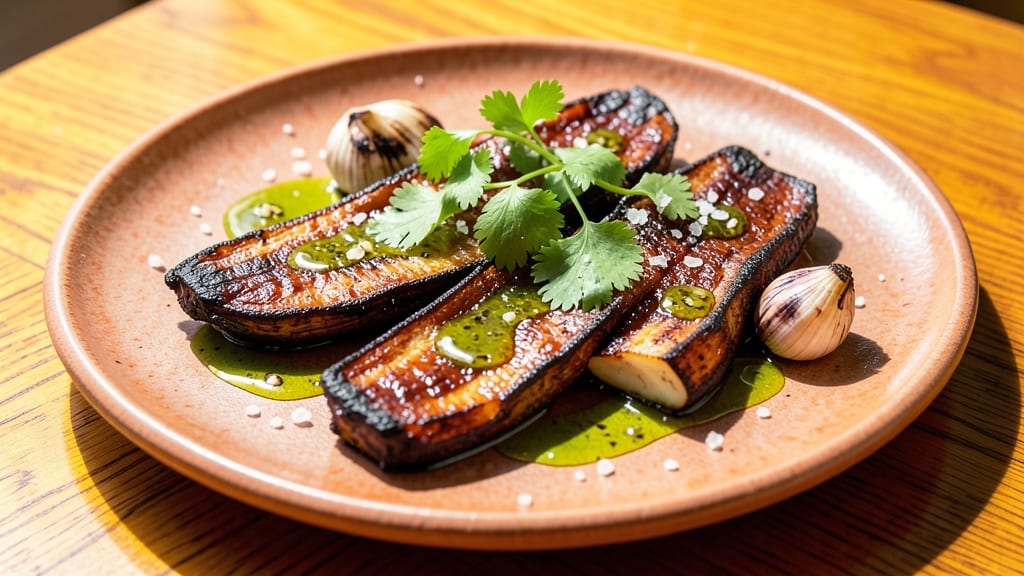
Cooking black plantains to achieve that perfect caramelized sweetness with crispy edges transforms them from a simple side into a star dish. Standing in my grandmother’s kitchen in Sicily, I learned how heat and patience unlock their natural sugars, creating a texture that’s both satisfying and versatile.
This technique works whether you're serving them alongside beans, pairing with grilled meats, or enjoying them as a standalone treat.
The key to success lies in high, even heat and proper timing—black plantains need about 15 minutes to develop that deep caramelization while keeping the centers tender.
I’ve perfected this method over years, ensuring every bite delivers a balance of crispy exterior and creamy interior. The aroma alone will have everyone anticipating dinner.
What makes this recipe special is its adaptability—it works in Caribbean, West African, and Latin American dishes alike. Whether you’re frying them in oil, boiling for a softer texture, or mashing into a sweet side, the result is always rich and deeply flavorful.
The crispy edges add a satisfying crunch that pairs beautifully with savory stews or fresh salads.
Ready in just 20 minutes, this recipe delivers restaurant-quality results without the fuss. Let’s get cooking—your taste buds will thank you.
Ingredients for black plantain
Four ripe black plantains, a splash of oil, and a pinch of patience transform into crispy, caramelized perfection.
| Ingredient | Amount | Notes |
|---|---|---|
| Black Plantains 🍌 | 4 whole | Ripe, black-skinned, firm texture |
| Vegetable Oil 🫒 | ½ cup | High smoke point preferred |
| Salt 🧂 | ½ tsp | Fine sea salt preferred |
| Garlic Cloves 🧄 | 2 cloves | Minced for aroma |
| Extra-Virgin Olive Oil 🫒 | 1 tbsp | For finishing drizzle |
| Fresh Cilantro 🌿 | ¼ cup | Chopped, for garnish |
| Lime Juice 🍋 | 1 tbsp | Freshly squeezed |
| Cumin Seeds 🌿 | ½ tsp | Toasted for depth |
| Black Pepper 🌶️ | ¼ tsp | Freshly ground |
| Brown Sugar 🍚 | 1 tbsp | Lightly packed |
| Unsalted Butter 🧈 | 2 tbsp | For finishing |
Black plantains are the star here—look for ones with deep black skins and firm flesh. The Caribbean or Latin markets usually have the best selection, but any grocery store with a good produce section will work. If you can't find black ones, yellow plantains will do in a pinch (just cook them longer). The key is starting with plantains that are fully ripe—those green ones need more time and won't caramelize the same way. I always buy a few extra because they keep well in the fridge for up to 5 days—just don't refrigerate them until they're ripe.
No vegetable oil? Coconut oil or avocado oil works just as well—both have high smoke points. Want to add a smoky touch? Swap half the salt for smoked paprika. The garlic and cumin are non-negotiable—they're what take this from side dish to star. If you're short on time, pre-mince the garlic and toast the cumin seeds in a dry pan for 30 seconds—that extra step makes a huge difference. The brown sugar is optional but helps with caramelization if your plantains aren't quite ripe enough. And trust me, don't skip the butter at the end—it adds that restaurant-quality richness.
These keep surprisingly well—store in an airtight container at room temperature for 2 days, or freeze for up to 3 months (they reheat beautifully). I like to portion them into single servings before freezing so I can just pop one in the oven when I'm ready. For best results, reheat at 400°F for 5-7 minutes until crispy again. The leftovers? Perfect with scrambled eggs for breakfast or alongside grilled veggies for dinner. And if you make extra, freeze some for smoothies later—they add natural sweetness and creaminess.
Why You'll Love This Recipe
- One-Pan Magic: I swear by this—just slice, fry, and toss with garlic. No chopping boards, no extra pots, just that golden, crispy pile of plantains ready in under 20 minutes. The kids even help (mostly because they love the smell).
- Smoky-Garlic Crunch: That first bite? Caramelized edges with a soft center, kissed by garlic and olive oil. It’s like a hug in food—sweet, savory, and just salty enough to make you reach for another piece.
- Weeknight Workhorse: Packed lunches? Game day snacks? Sunday dinner sides? This does it all. I keep a batch in the fridge all week—reheat in the oven or eat cold, and it’s still the star.
- Budget Stretch: Black plantains are cheap, and a single fry-up feeds my whole family. Honestly, I’ve made this for under $2 a serving, and it’s the one thing my picky eaters actually finish. (Yes, even on a Tuesday night.)
Step-by-step instructions for caramelized black plantains
Here's how to transform ripe black plantains into sweet, crispy perfection with caramelized edges.
Prep and Cut the Plantains
Start by peeling the 4 whole black plantains using a sharp knife, working from the stem end toward the tip. You'll want to remove all the dark skin while keeping the flesh intact. Cut each peeled plantain lengthwise into 4 even strips—this creates uniform pieces that cook consistently. The plantains should be about 3 inches long and ½ inch thick.
Place the cut plantain strips in a large bowl and toss them gently with the 0.5 cup vegetable oil and 0.5 teaspoon salt. This coating ensures they develop that coveted crispy exterior while staying tender inside. Let them sit for 5 minutes while you prepare the next components—this gives the oil time to penetrate slightly for even cooking.
Cook Until Crispy and Caramelized
Heat a large skillet over medium-high heat. Add the plantain strips in a single layer, leaving space between them so they don't steam. Cook for 4-5 minutes, stirring occasionally, until the edges begin to turn golden brown. This is where the magic happens—the high heat creates those crispy edges while the interior softens.
Once the first side is golden, flip the plantains and cook for another 3-4 minutes. You'll know they're ready when they develop deep caramelization and the edges are crisp enough to stand up to gentle pressure. If they're browning too quickly, reduce the heat slightly to prevent burning while maintaining that crisp texture.
Toast the Cumin and Garlic
While the plantains cook, dry-toast the 0.5 teaspoon cumin seeds in a small skillet over medium heat for 1-2 minutes until fragrant and lightly golden. Immediately transfer them to a bowl and let cool slightly. Then add the 2 minced garlic cloves to the same skillet and cook for 30 seconds until just golden—don't let them brown or they'll turn bitter.
Combine the toasted cumin seeds and garlic with the 1 tablespoon brown sugar in the same bowl. This mixture adds depth of flavor that complements the caramelized plantains beautifully. The warm spices will release their aroma as you combine everything, filling your kitchen with an irresistible scent.
Finish with Butter and Lime
Return the cooked plantains to the skillet and reduce heat to medium. Add the 2 tablespoons unsalted butter and let it melt, coating the plantains evenly. Stir in the garlic-cumin mixture and cook for 1 minute until everything is well combined. The butter creates a silky finish that balances the crispy texture.
Finish by adding the 1 tablespoon lime juice and 0.25 teaspoon black pepper. Toss everything together for 30 seconds until the plantains are coated with the tangy, spiced butter sauce. The acidity from the lime brightens the caramelized sweetness, while the pepper adds just a hint of heat.
Garnish and Serve Immediately
Transfer the plantains to a serving platter and drizzle with the 1 tablespoon extra-virgin olive oil. Sprinkle generously with the 0.25 cup chopped fresh cilantro, focusing on the top edges for both flavor and presentation. The olive oil adds a final layer of richness that ties everything together.
Serve immediately while the plantains are still crispy and warm. These caramelized black plantains make a fantastic side dish or even a sweet treat when paired with vanilla ice cream. The contrast of crispy edges with tender, caramelized centers creates a textural experience that's simply irresistible.
Pro Tips For Making Black Plantain
- CHAR THE EDGES: Black plantains turn crispy when they hit that charred, almost caramelized stage—don’t pull them out too soon. I used to rush this, and the result was always chewy instead of tender. Let them stay in the oil until the edges darken to a deep brown, even if it takes a minute longer.
- SLICE THINLY, STACK NEATLY: Cut the plantains into even ¼-inch slices—thicker pieces stay raw inside while the outside burns. Stack them in a single layer in the oil so they cook uniformly, not in a messy pile that’ll release starch and make the oil greasy.
- SALT THE GARLIC RIGHT: Crush the garlic cloves before adding them to the oil, or they’ll just sit there looking pretty while the plantains cook. Toss them with a pinch of salt first—this draws out moisture and makes them crisp up instead of turning to mush.
- DRAIN AND REST: After frying, dump the plantains onto a wire rack instead of paper towels—they’ll stay crisp longer. Give them 5 minutes to firm up before serving, or they’ll turn soggy when you drizzle that olive oil over them. (Yes, even if you’re impatient like me.)
Troubleshooting your black plantain
Uneven Cooking
If your plantains are browning too quickly on the edges but staying raw inside, you're likely overcrowding the pan. I learned this the hard way—my first batch turned into a crispy outside, doughy center mess!
Cook in batches if needed, using a 10-inch cast iron skillet for even heat distribution. Also, reduce heat to medium if your stove runs hot. The goal is to caramelize, not char. 🔥
Plantains Too Soft
Overcooked plantains lose their crispy edges and turn mushy. This happens when you keep them in the pan too long after reaching golden brown. I set a timer for 8-10 minutes total cook time per batch, including flipping.
Remove them as soon as edges are crispy—you can always reheat briefly later. If they're already too soft, try frying fresh ones in ½ inch of oil instead of a dry pan for better texture.
Lack of Caramelization
When plantains don't develop that beautiful caramelized color, it's usually because they weren't ripe enough. I always double-check by pressing a plantain—if it's firm and black all over, it's ready. For extra caramelization, sprinkle 1 teaspoon brown sugar over the plantains during the last 2 minutes of cooking.
Also ensure your pan is hot enough—test with a drop of water that sizzles immediately. If not, let the pan heat longer.
Sticky Residue
Plantain sugars can create sticky residue in your pan, making cleanup a nightmare. I prevent this by using a nonstick skillet (like All-Clad) and adding 1 tablespoon water to the pan after removing the plantains. Let it simmer for 1 minute to break down the sugars, then wipe clean.
For stubborn residue, a damp paper towel works wonders while the pan is still warm. Never soak aluminum pans—it ruins the coating!
Burnt Edges
Burnt edges happen when heat is too high or oil isn't distributed properly. I fix this by tossing the plantains with oil in a bowl before cooking—this ensures even coating.
If you see smoke, immediately reduce to medium-low heat and cover the pan for 1 minute to steam off excess moisture. For extra insurance, use a thermometer to maintain oil temperature at 350°F. A splash of water can also help if burning starts—just remove from heat first.
No Flavor Depth
If your plantains taste bland, the spices likely didn't toast properly. I always toast cumin seeds in a dry pan until fragrant—this releases their essential oils. For extra flavor, add ½ teaspoon smoked paprika to the oil before cooking.
The lime juice and garlic should be fresh too—old garlic loses its punch. Taste as you go and adjust seasoning immediately after cooking while flavors are still developing. 💫
Nutrition facts
Frequently asked questions about black plantains
What's the difference between black plantains and regular plantains?
Black plantains are fully ripe, with deep purple-black skins and sweet, creamy flesh perfect for caramelizing. Regular (green/yellow) plantains are starchier and firmer, best for frying or boiling. The black variety has more natural sugars, making them ideal for crispy, sweet dishes like these.
Can I substitute yellow plantains if I can't find black ones?
Yes, but they won't caramelize as dramatically. Use fully ripe yellow plantains (black spots on skin) and cook them 2-3 minutes longer per side. For extra sweetness, add 1 extra tablespoon brown sugar during cooking. The texture will be slightly less crisp but still delicious.
How do I store leftover black plantains?
Keep them crispy by storing in an airtight container at room temperature for 2 days. For longer storage, freeze for up to 3 months. Reheat at 400°F for 5-7 minutes until edges are crisp again. They also reheat beautifully in a dry skillet over medium heat for 2 minutes.
What are the best ways to serve these caramelized plantains?
These make incredible sides with grilled meats, black beans, or fried fish. For a sweet twist, serve with vanilla ice cream or whipped cream. In my Sicilian grandmother's kitchen, we'd pair them with ricotta and honey for breakfast. The crispy texture contrasts perfectly with creamy or savory dishes.
Why do my plantains turn out mushy instead of crispy?
Overcooking is the most common cause. Remove plantains immediately when edges are golden brown (8-10 minutes total). If using green/yellow plantains, they need more time but still risk turning soft. For best results, cook in batches and use medium-high heat. A 10-inch cast iron skillet gives the most even heat distribution.