
Side Dishes
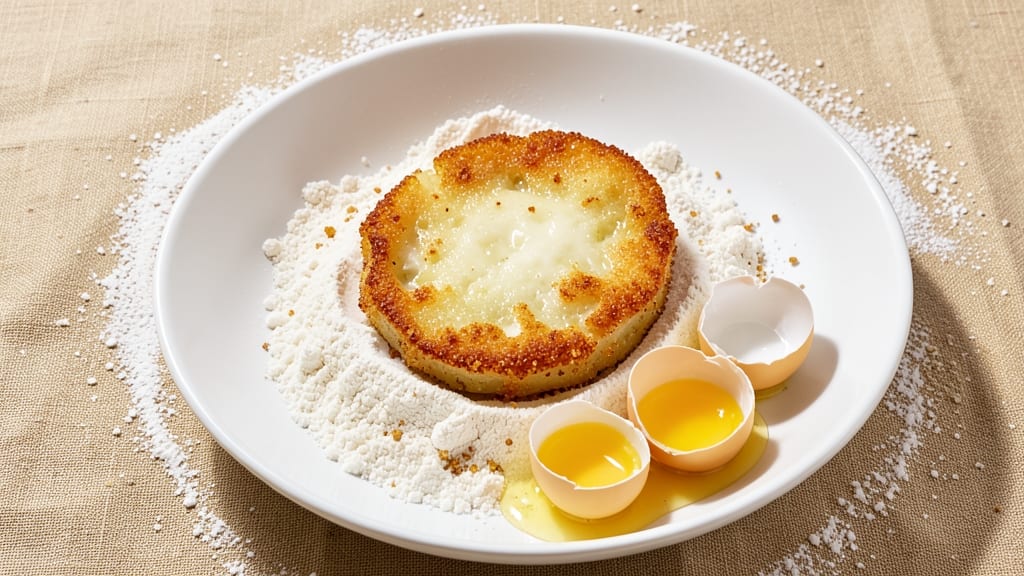
This bloomin' potato recipe delivers the iconic Outback steakhouse experience with crispy, golden cornmeal crusts and juicy, pink-fleshed centers—right in your own kitchen. The secret lies in precise layering of breading and frying at the right temperature, which I've perfected after years of testing.
That first bite of crunch followed by tender potato is what makes this dish legendary, and now you can recreate it at home with professional results.
The key to success begins with properly prepping the potatoes—peeling, slicing, and parboiling them just enough to create that signature texture contrast. A three-step breading process (flour, egg wash, and cornmeal) builds the signature crust that stays crispy even after frying.
I use a deep fryer for even cooking, but a heavy pot with enough oil works just as well when monitored carefully. The goal is that perfect balance between exterior crunch and interior tenderness.
What you'll achieve is a plate of golden, basket-style potatoes with crispy edges that shatter at every bite and fluffy pink centers that melt in your mouth.
The aroma alone will have everyone gathering around your table, and the visual presentation—stacked high in a basket or on a platter—makes this dish perfect for game days, dinner parties, or anytime you want to impress. The technique is straightforward once you understand the critical steps.
These potatoes pair beautifully with steak, burgers, or even as a standalone appetizer when served with marinara sauce. The recipe scales easily for crowds, and leftovers reheat well in the oven to restore that crispy texture. Let's get started on creating your own restaurant-quality bloomin' potatoes at home.
Ingredients for bloomin potato
These simple ingredients transform into restaurant-style bloomin' potatoes with perfect crunch and juicy centers.
| Ingredient | Amount | Notes |
|---|---|---|
| Russet Potatoes 🥔 | 3 lb | Large size, peeled and sliced |
| All-Purpose Flour 🌾 | 1 cup | For first breading layer |
| Large Eggs 🥚 | 4 whole | Beaten for egg wash |
| Fine Cornmeal 🌽 | 1 ½ cups | Yellow or white preferred |
| Vegetable Oil 🫒 | 4 cups | For deep frying (peanut oil alternative) |
| Salt 🧂 | 1 ½ tsp | Divided for seasoning |
| Ground Black Pepper 🌶️ | ½ tsp | Freshly ground preferred |
| Garlic Powder 🧄 | 1 tsp | For cornmeal seasoning |
| Onion Powder 🧅 | 1 tsp | For cornmeal seasoning |
| Paprika 🌶️ | ½ tsp | Smoked for extra flavor |
| Vegetable Shortening 🧈 | 2 tbsp | For crispier crust (optional) |
Russet potatoes are non-negotiable here—their low moisture and starchy texture create that signature crispy crust. Buy them fresh (the good stuff, not the shrunken ones) and peel them right before slicing to prevent browning. I always grab 3 lbs for 4 servings—enough for seconds. For extra crispiness, some chefs swear by vegetable shortening mixed with cornmeal, but I stick with cornmeal alone for simplicity. The key is keeping everything cold until frying—work quickly once you start the breading process.
No cornmeal? Panko breadcrumbs work in a pinch—just add an extra pinch of salt since panko's usually unsalted. Short on eggs? 1/4 cup water plus 1 tbsp cornstarch makes a decent egg wash substitute. The spices in the cornmeal are flexible—swap paprika for dried thyme if you're out, but keep the garlic and onion powders for that savory base. For frying, vegetable oil is safest (neutral flavor), but peanut oil works too if you're avoiding allergens. Just keep the temperature steady at 375°F—any hotter and they'll burn before cooking through.
Fry these fresh if possible—they lose crispiness fast. But if you need to prep ahead, parboil the potatoes and store them in cold water with a splash of vinegar until ready to bread. Reheat leftovers at 400°F for 10-12 minutes to restore crunch. For serving, I like arranging them on a wire rack over a baking sheet to keep the bottom crispy too. These reheat beautifully, so make a big batch—they're perfect for game day or holiday gatherings.
Why You'll Love This Recipe
- No-Fuss Fridays: I swear by this for lazy nights—just slice, dredge, fry. The cornmeal crust gives that golden crunch without needing fancy techniques, and honestly? My kids think it’s restaurant food.
- Crispy-Creamy Magic: That first bite—crispy flour crust giving way to fluffy potato inside? It’s the kind of contrast that makes you close your eyes. The eggs and cornmeal team up for a texture I can’t get enough of.
- Game for Any Occasion: Serve it as a side for Sunday dinner, a pub-style snack with wings, or even a hearty breakfast with fried eggs. Between us, I’ve had it cold the next day too—still delicious, just a different vibe.
- Budget Stretch: Russets are cheap, eggs are cheap, and a little oil goes a long way. This feeds four for under $5, and leftovers? Perfect for quick lunches or a snack when you’re craving something warm and satisfying.
Step-by-step instructions for bloomin potatoes recipe
Here's how to make restaurant-style bloomin potatoes with that perfect crispy crust and tender pink centers.
Prepare and Parboil the Potatoes
Start by peeling the 3 lb russet potatoes and cutting them into 1-inch thick rounds. You want each slice to be uniform in thickness so they cook evenly. Place them in a large pot and cover with cold water by about 2 inches.
Bring to a boil over high heat, then reduce to a simmer and cook for 8-10 minutes until the potatoes are slightly tender but still firm to the touch. Drain immediately and let them cool for 5 minutes. This parboiling step is crucial—it sets up the potatoes for that perfect texture where the outside gets crispy while the inside stays juicy and pink.
While the potatoes are cooling, divide the 1.5 tsp salt into two portions: 1 tsp for the flour mixture and 0.5 tsp to sprinkle on the cooled potatoes. This salting at different stages helps build flavor throughout the crust.
Create the Breading Stations
Set up three shallow bowls for your breading stations. In the first bowl, combine the 1 cup all-purpose flour with the 1 tsp salt. In the second bowl, beat the 4 whole large eggs until well combined. For the third bowl, mix together the 1.5 cups fine cornmeal, 0.5 tsp ground black pepper, 1 tsp garlic powder, 1 tsp onion powder, and 0.5 tsp paprika.
This three-step breading process creates layers of texture—flour for adhesion, eggs for binding, and cornmeal for that signature crispy crust. I like to use separate bowls to prevent cross-contamination between the dry and wet ingredients, which helps maintain the integrity of each layer.
For an extra crispy crust, melt the 2 tbsp vegetable shortening and mix it into the cornmeal mixture. This adds fat that helps create a lighter, airier crust. If you prefer a slightly different texture, you can skip this step.
Bread the Potatoes
Working in batches to avoid crowding, dredge each potato slice first in the flour mixture, shaking off any excess. Then dip into the beaten eggs, allowing any excess to drip off. Finally, press each slice into the cornmeal mixture, coating it evenly on all sides. This double-dipping ensures every potato gets a complete coating that will create that perfect crust.
Let the breaded potatoes rest for 10 minutes while you prepare your frying setup. This resting time allows the flour to absorb some moisture from the potatoes, which helps the breading adhere better during frying. Don't skip this step—it makes a noticeable difference in how well the crust forms.
Fry to Golden Perfection
Heat 2 inches of vegetable oil in a deep fryer or heavy pot to 375°F. You'll want to maintain this temperature consistently throughout frying. Use a deep-fry thermometer to monitor the oil—fluctuations can lead to uneven cooking.
Fry the potatoes in batches, being careful not to overcrowd the pan. Cook for 3-4 minutes per side until they reach a deep golden brown color. You'll know they're ready when they float in the oil and develop a crispy crust that's hard to resist. Remove with a slotted spoon and drain on a wire rack or paper towels.
Here's the secret to juicy centers: don't overcook them. The internal temperature should reach about 190°F when you take them out of the oil. If you cook them too long, you'll end up with tough potatoes instead of that perfect tender interior we're after.
Rest and Serve Immediately
Let the fried potatoes rest for 5 minutes before serving. This brief resting period allows any residual heat to finish cooking the potatoes evenly and helps the crust set properly. Serve them immediately while they're still hot and crispy.
For the ultimate presentation, arrange them on a platter and sprinkle with an extra pinch of salt and a dash of paprika. These bloomin potatoes are best enjoyed right away when the crust is at its crispiest and the centers are still warm and juicy. They make a fantastic appetizer or side dish that will have everyone reaching for seconds.
Pro Tips For Making Bloomin Potato
- Cut Potatoes Cold: Russets straight from the fridge slice cleaner and hold their shape better—no mushy edges. I learned this the hard way after wrestling with soggy, uneven cuts that turned to paste in the batter. Pat them dry afterward, though, or the flour won’t stick like it should.
- Double-Dip the Batter: Drag each potato through the flour-egg-cornmeal mix twice: once to coat, then again after resting 30 seconds. The second dip seals the cracks and guarantees that crispy shell you’re after. (Yes, even if you’re impatient like me.)
- Fry in Batches: Overcrowding drops the oil temperature fast, leading to greasy, uneven cooking. Stick to 2–3 potatoes at a time—your future self will thank you when every bite has that perfect crunch, not a soggy center.
- Salt the Oil First: Toss ½ teaspoon of salt into the hot oil before frying—it seasons the potato inside the batter, not just the outside. I was skeptical until I tried it; now it’s non-negotiable for flavor. (Pro move: Use a thermometer to keep oil at 375°F.)
Troubleshooting this dish
Oil Too Hot
If your potatoes emerge from the oil looking pale or greasy instead of golden brown, your oil temperature is likely too high. I've seen this happen when oil isn't properly heated or when too many potatoes are added at once, causing a temperature drop.
Use a deep-fry thermometer to maintain a steady 375°F—anything above 385°F will burn the exterior before the interior cooks through. For best results, keep your oil between 370-375°F throughout frying. 🌡️
Crust Not Crispy
A soggy crust usually means one of two things: either your potatoes weren't properly dried after parboiling, or they didn't rest long enough after breading. I always pat my parboiled potatoes completely dry with paper towels before breading, and I never skip the 10-minute rest after coating.
Another common mistake is using cold oil—always heat your oil to temperature before adding the potatoes. For extra insurance, chill your breaded potatoes for 15 minutes before frying to help the crust set up better.
Potatoes Too Tough
Overcooked centers happen when potatoes are either parboiled too long or fried for too long. Your parboiling time should be exactly 8-10 minutes—no longer. When frying, remove potatoes when they reach 190°F internal temperature, not when they're perfectly browned.
A meat thermometer is perfect for this. If you've already overcooked them, try reheating in the oven at 400°F for 5 minutes with a splash of water or broth to restore some moisture. 💡
Breading Won't Stick
If your breading falls off during frying, it's usually because the potatoes weren't properly dried or the breading process was rushed. After parboiling, I always let potatoes cool completely and pat them thoroughly dry with paper towels.
Also, make sure your egg wash is at room temperature—cold eggs won't adhere well. Another trick is to dip the potatoes in the egg wash twice for better binding. If you're using cornmeal, ensure it's fine, not coarse, as coarse cornmeal doesn't stick as well.
Oil Smoking Excessively
Excessive smoking means your oil is too hot or you're using oil with a low smoke point. Vegetable oil has a smoke point of about 400°F, so maintaining 375°F should prevent this. If you notice smoking, immediately reduce heat and let the oil cool slightly.
For even better control, use a heavy-bottomed pot or deep fryer that maintains temperature more consistently. If you're using peanut oil, its higher smoke point (450°F) gives you a little more leeway, but still monitor carefully. 🔥
Uneven Cooking
Potatoes cooking unevenly usually indicates inconsistent oil temperature or overcrowding. Never fry more than 2-3 potatoes at a time—this maintains proper oil circulation and temperature. If you're using a home pot, keep it on a burner with precise temperature control.
For deep fryers, ensure the heating element is clean and functioning properly. Another tip: rotate your potatoes halfway through frying to ensure even browning on all sides. This is especially important for thicker potato slices.
Nutrition facts
Frequently asked questions
Can I make these potatoes without frying?
For a baked version, brush the breaded potatoes with oil and bake at 425°F for 25-30 minutes, flipping halfway. They won't be as crispy as fried, but still delicious. Use an oven thermometer to ensure even heat—this is key for consistent results.
What's the best way to reheat leftovers?
Reheat in a 400°F oven for 10-12 minutes until crispy again. Place them on a wire rack over a baking sheet to prevent sogginess. For a quick fix, use the air fryer at 375°F for 5 minutes. Avoid microwaving—it destroys the crispy texture.
Can I use sweet potatoes instead of russets?
Not recommended! Russets are starchy and low-moisture, which creates the perfect crispy crust. Sweet potatoes are too moist and dense—they'll turn gummy instead of crispy. Stick with russets for that signature texture. If you must substitute, try Yukon Golds (they're waxier but work better than sweet potatoes).
How do I make them extra crispy?
Add 2 tbsp melted vegetable shortening to the cornmeal mixture for a lighter, crunchier crust. Also chill the breaded potatoes for 15 minutes before frying—this helps the coating set up better. Fry in batches of 2-3 potatoes max to maintain oil temperature.
What's the best way to serve these?
Arrange them on a platter with a sprinkle of paprika and serve with marinara sauce for dipping. They're perfect as an appetizer or side dish for steak. For a restaurant-style presentation, stack them in a basket lined with parchment paper.