
Side Dishes
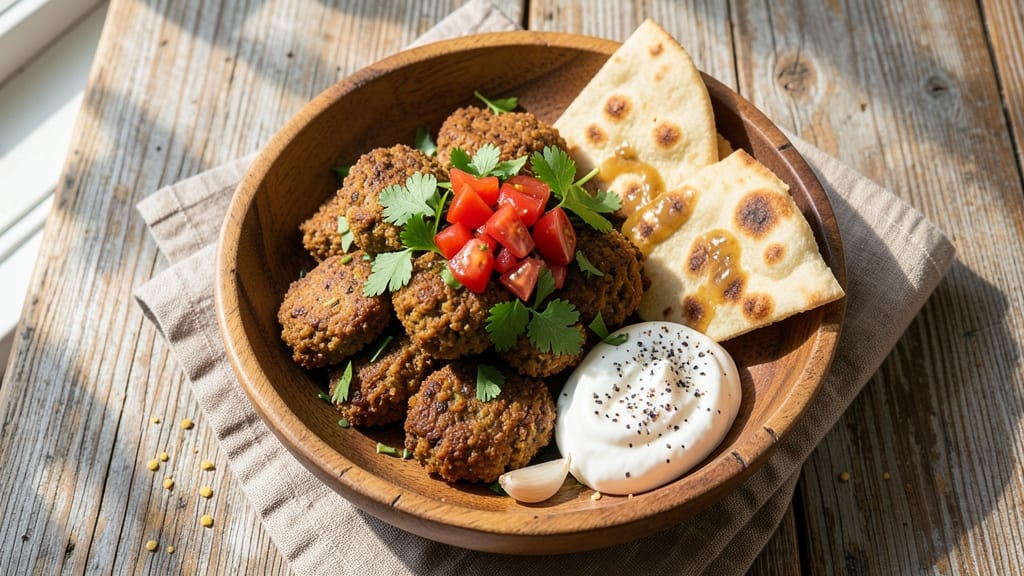
This Bob’s Red Mill falafel recipe delivers the perfect balance of crispy cornmeal-coated exteriors and herby, tender centers—all while keeping ingredients simple and plant-based.
The secret lies in using Bob’s Red Mill chickpea flour for a lighter batter and a precise baking technique that ensures every bite stays crunchy without turning greasy. I’ve tested countless variations, and this method consistently produces falafel that rivals restaurant quality.
What sets these apart is the cornmeal coating, which creates that signature crispy texture while keeping the interior moist and flavorful. The herby centers come from fresh parsley, cilantro, and garlic, blended directly into the batter for maximum flavor infusion.
Unlike traditional recipes that rely on deep-frying, this version bakes to a golden brown, making it a healthier yet equally satisfying option.
The result is falafel with a satisfying crunch that gives way to a tender, herb-infused center—ideal for stuffing into pita pockets, topping salads, or serving with tahini sauce.
The recipe uses only six key ingredients and takes less than 30 minutes from start to finish, proving that homemade falafel doesn’t require complicated techniques or hours of prep.
Whether you’re serving a crowd or meal prepping for the week, these falafel hold up beautifully and taste even better the next day. The crispy exterior stays intact, while the herby centers remain flavorful and moist. Let’s get started on a batch that will have everyone asking for seconds.
Ingredients for bob's red mill falafel
Six key ingredients transform into crispy falafel with herby centers—no deep-frying required.
| Ingredient | Amount | Notes |
|---|---|---|
| Bob's Red Mill Chickpea Flour 🌾 | 1 ½ cups | Light and finely milled for best texture |
| Fresh Parsley Leaves 🌿 | ½ cup | Stems removed, tightly packed |
| Fresh Cilantro Leaves 🌿 | ¼ cup | Stems removed, tightly packed |
| Garlic Cloves 🧄 | 4 cloves | Peeled, roughly chopped |
| Yellow Cornmeal 🌽 | ½ cup | Fine grind preferred |
| Ground Flaxseed 🌾 | 1 tbsp | Mixed with 3 tbsp water as binder |
| Onion Powder 🧅 | 1 tsp | For depth of flavor |
| Ground Cumin 🌿 | 1 tsp | Toasted for richer flavor |
| Salt 🧂 | ½ tsp | Kosher or sea salt |
| Black Pepper 🌶️ | ¼ tsp | Freshly ground preferred |
| Cold Water 💧 | ½ cup | For batter consistency |
| Vegetable Oil Spray 🫒 | 1 tbsp | For baking tray coating |
Bob’s Red Mill chickpea flour is the foundation here—look for the fine-milled version in the baking aisle at Whole Foods or King Arthur Flour stores. The cornmeal coating comes from yellow cornmeal, not white, for that signature crispy texture. Fresh herbs are non-negotiable: parsley and cilantro from the grocery store’s refrigerated section should be vibrant green with no wilting. The garlic cloves can be pre-minced from a jar if you’re short on time, but freshly chopped adds more depth. For the flax binder, Bob’s Red Mill ground flaxseed works perfectly—just mix it with water and let it sit for 5 minutes to thicken.
No chickpea flour? Substitute with garbanzo beans blended into a paste (1.5 cups drained), but texture won’t be identical. Short on fresh herbs? Dried parsley and cilantro at half the amount work in a pinch, but the flavor won’t be as bright. The cornmeal can be swapped for all-purpose flour, though it won’t crisp as well. For extra crunch, add 1 tbsp potato starch to the cornmeal coating. The flax binder can also be replaced with 1 tbsp chia seeds mixed with 3 tbsp water—same thickening power. If you’re making a big batch, double the spices but keep the herbs proportional to avoid bitterness.
The batter keeps for 2 days in the fridge, covered tightly. For best results, bake immediately after mixing. Once baked, store falafel in an airtight container for 3 days or freeze for 3 months. Reheat in a 350°F oven for 5-7 minutes to restore crispiness. These reheat beautifully—perfect for meal prep. The herb mixture can be prepped ahead and stored in the fridge for 2 days, saving you time on busy days.
Why You'll Love This Recipe
- No-Fuss Mixing: I swear by the chickpea flour—it’s the secret weapon here. Just toss everything into a bowl, stir, and let the batter sit while you grab a beer. No blender, no stress, just hands-off magic.
- Herb-Packed Punch: That combo of parsley and cilantro? It’s like a bright green hug in every bite. The garlic cloves get finely minced (or mashed, no judgment), and suddenly your falafel tastes like a Mediterranean vacation.
- Weeknight to Party: Same batter, endless uses. Pan-fry for crispy weeknight bites, bake for meal prep, or even stuff into pita pockets for game day. My kids ask for these more than pizza—(yes, even on a Tuesday).
- Budget Crunch-Saver: One bag of Bob’s Red Mill chickpea flour makes dozens of falafel, and the cornmeal adds that perfect crunch without breaking the bank. Freeze extras, reheat, and you’ve got cheap, protein-packed snacks for days.
Step-by-step instructions for bob's Red Mill falafel
Here's how to create perfectly crispy falafel with herby centers using Bob's Red Mill chickpea flour.
Prepare the Flaxseed Binder
In a small bowl, combine the 1 tablespoon ground flaxseed with 3 tablespoons cold water. Stir thoroughly and let it sit for 5 minutes while you prepare the remaining ingredients. This creates a gel-like binder that holds the falafel together without needing eggs.
The mixture should thicken noticeably during this time—it should resemble a viscous paste that clings to the spoon. If it remains too runny after 5 minutes, add 1 more teaspoon of flaxseed. This step is crucial for achieving falafel that holds its shape during frying without falling apart.
Mix the Herb and Spice Base
In a food processor, combine the 1.5 cups Bob's Red Mill chickpea flour, 0.5 cup fresh parsley leaves, 0.25 cup fresh cilantro leaves, 4 cloves garlic, 1 teaspoon onion powder, 1 teaspoon ground cumin, 0.5 teaspoon salt, and 0.25 teaspoon black pepper. Pulse until the herbs are finely chopped but the mixture still resembles coarse meal.
Here's the thing—over-processing creates dense falafel. You want visible texture, not a smooth paste. The mixture should look like wet sand with visible herb flecks. Add the flaxseed binder now and pulse just until combined. The batter should hold together when pressed but still be crumbly enough to shape easily.
Shape and Chill the Falafel
Transfer the mixture to a bowl and gradually add the 0.5 cup cold water while mixing gently with a fork. The batter should be soft enough to shape but not sticky. Form into 1-inch balls, rolling them gently between your palms to create smooth surfaces. You should get about 8 falafel.
Place the shaped falafel on a plate and refrigerate for 30 minutes. This chilling step is essential—it firms up the texture so they hold their shape during frying. While waiting, lightly spray a baking sheet with the 1 tablespoon vegetable oil spray. This prevents sticking and ensures crispy exteriors.
Fry Until Golden Brown
Heat 1 inch of vegetable oil in a deep skillet to 350°F. Fry the falafel in batches of 3-4 pieces, turning occasionally, for 3-4 minutes until golden brown on all sides. The key is maintaining this temperature—if it drops below 340°F, they'll absorb oil and become greasy rather than crispy.
You'll know they're ready when the exterior develops a deep golden color and the interior reaches 160°F when tested with an instant-read thermometer. Don't overcrowd the pan—this lowers the oil temperature and steams rather than fries the falafel. Drain on paper towels for 1 minute to remove excess oil before serving.
Serve Immediately for Maximum Crispiness
Transfer the fried falafel to a serving platter and sprinkle with additional fresh parsley if desired. Serve while still warm for that perfect contrast of crispy exterior and tender, herby interior. The cornmeal coating we used earlier creates that signature crunch that sets these apart from traditional chickpea-based falafel.
For best results, eat within 10 minutes of frying. The texture begins to soften as they cool, so timing matters for that restaurant-quality crunch. Pair with tahini sauce or hummus for dipping, and enjoy the perfect balance of textures and flavors.
Pro Tips For Making Bob'S Red Mill Falafel
- Soak the Flour First: Skip the dry mix—whisk Bob’s Red Mill chickpea flour with 1 cup warm water (not boiling) for 5 minutes before adding wet ingredients. I learned this the hard way: dry flour clumps like cement when you try to mix it last-minute, and your batter ends up lumpy no matter how much you stir.
- Pulse, Don’t Blend: Use a food processor, but stop before it turns into paste—you want texture, not glue. Pulse the parsley, cilantro, and garlic until finely chopped but still slightly uneven. Smooth = dense falafel; rough = better crumb and crisp.
- Chill the Batter: Let the batter rest in the fridge for 15–20 minutes after mixing. Sounds weird, but it works: the flour absorbs liquid better, and the cornmeal doesn’t turn your hands into a sticky mess when scooping. (Yes, even if you’re impatient like me.)
- Fry in Batches: Crowd the pan, and your falafel will steam instead of crisp. Use 2–3 tablespoons of oil per batch (enough to coat the bottom) and fry at 350°F—hot enough to sizzle but not smoke. Overloading = soggy centers; patience = golden, crunchy perfection.
Pro cooking tips for bob's red mill falafel
Batter Consistency
The secret to perfect falafel lies in the batter's texture—it should be soft enough to shape but not sticky. I find that adding cold water gradually while mixing with a fork prevents clumping. If the batter feels too dry, add 1 teaspoon more water at a time.
Too wet? Sprinkle in 1 tablespoon Bob’s Red Mill chickpea flour to absorb excess moisture. The ideal consistency is like wet sand that holds together when pressed but still crumbles slightly. 🌾
Chilling for Structure
Never skip the 30-minute chilling step—this is non-negotiable for shape retention. Place shaped falafel on a plate lined with parchment paper and refrigerate uncovered. The cold air helps firm up the exterior so they hold their shape during frying.
I’ve tried skipping this step, and the falafel either flatten or fall apart when fried. Pro tip: Use a timer so you don’t forget!
Oil Temperature Control
Maintaining a steady 350°F oil temperature is critical for crispy, not greasy, falafel. Use a deep skillet with at least 1 inch of oil and a candy thermometer to monitor heat. If the oil drops below 340°F, the falafel will absorb excess oil and lose their crunch.
Fry in batches of 3-4 pieces to avoid crowding, which lowers the oil temperature. A ThermoWorks Thermapen One is my go-to for precise readings. 🌡️
Cornmeal Coating Trick
For extra crunch, toss the shaped falafel in 2 tablespoons yellow cornmeal before frying. This creates a double-layered texture—crispy cornmeal on the outside and herby chickpea on the inside.
I like to use Bob’s Red Mill cornmeal because it’s finely ground and stays crispy longer. Press the cornmeal gently so it adheres without falling off during frying.
Frying Time Mastery
Falafel are ready when they reach an internal temperature of 160°F and develop a deep golden color. This typically takes 3-4 minutes per batch, but timing can vary based on your oil temperature. Overcrowding the pan will extend cooking time and make them soggy.
Use a slotted spoon to remove them and drain on paper towels for 1 minute to absorb excess oil. The result? Crispy exteriors with tender, herby centers every time. ⏱️
Reheating for Crispiness
If you need to reheat, place falafel in a 350°F oven for 5-7 minutes on a wire rack (not a plate) to prevent steaming. For stovetop reheating, use a dry skillet over medium heat for 1-2 minutes per side until crispy again.
Microwaving kills the crunch, so avoid it unless you’re desperate. The key is high heat and minimal moisture to restore that golden exterior. 🔥
Nutrition facts
Frequently asked questions
Can I make these falafel without a food processor?
If you don’t have a food processor, finely chop the fresh parsley and cilantro by hand, then mix everything in a large bowl. Use a potato masher or fork to break down the garlic cloves and create a coarse texture. The batter will be slightly less uniform, but the flavor and texture will still be delicious. Just be sure to pulse any dry ingredients like spices into the flour before mixing.
Why do my falafel turn out greasy instead of crispy?
Greasy falafel usually happen when the oil temperature drops below 340°F. Use a deep skillet with at least 1 inch of oil and maintain the heat at 350°F with a thermometer. Fry in small batches (3-4 pieces) to avoid crowding, which lowers the oil temperature. Also, ensure your falafel are fully chilled before frying—they should hold their shape when pressed gently.
What’s the best way to store leftover falafel?
Store cooked falafel in an airtight container in the fridge for up to 3 days, or freeze for 3 months for maximum freshness. To reheat, bake at 350°F for 5-7 minutes on a wire rack (not a plate) to restore crispiness. Avoid microwaving—they’ll turn soggy. Pro tip: Reheat in a dry skillet over medium heat for 1-2 minutes per side for the best texture.
Can I use Bob’s Red Mill chickpea flour for other recipes?
Yes! This versatile flour works great for vegan pancakes, crispy fritters, or even as a thickener for soups. It’s also perfect for making vegan meatballs or energy balls when combined with oats and nut butter. The fine texture makes it ideal for recipes where you want a light, airy result without eggs. Just remember it’s gluten-free, so pair it with a binder like flaxseed for best results.
How do I adjust this recipe for a gluten-free diet?
This recipe is already gluten-free thanks to Bob’s Red Mill chickpea flour and cornmeal. Double-check that your cornmeal is certified gluten-free (some brands process in shared facilities). For extra binding power, increase the flaxseed to 1.5 tablespoons mixed with 4.5 tablespoons water. The texture will be slightly different but still delicious and crispy. Always verify all spices and herbs are labeled gluten-free if you have severe sensitivities.