
Side Dishes
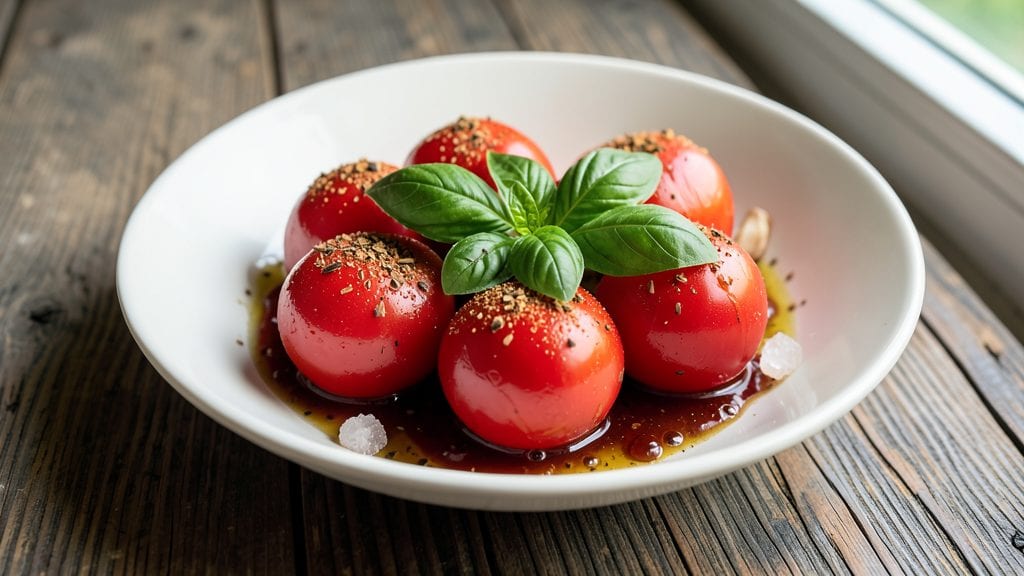
Transforming simple canned Italian tomatoes into a rich, umami-packed sauce base is one of the most rewarding kitchen skills you’ll master—it’s the foundation of countless Italian dishes. The secret lies in slow simmering, where natural sugars caramelize and flavors deepen into something far beyond the can.
I’ve perfected this technique over years of making sauces that elevate everything from pasta to braised meats, and it’s surprisingly straightforward once you know the right steps.
This sauce starts with whole canned tomatoes, which we peel, crush, and simmer until their skins dissolve into the pot, releasing their full potential. Garlic, olive oil, and fresh herbs like basil and oregano work together to build layers of flavor, while a touch of sugar balances acidity.
The result? A velvety, aromatic sauce with a depth that store-bought versions can’t match—one that transforms ordinary meals into something extraordinary.
What makes this sauce truly special is its versatility. Use it as a base for marinara, a quick pasta sauce, or a braising liquid for meats. The slow cooking process concentrates flavors, so a single batch stretches across multiple meals.
Whether you’re prepping for the week or cooking for a crowd, this sauce delivers restaurant-quality richness with minimal effort.
The key to success is patience—letting the sauce develop over time on the stove ensures every bite carries that authentic Italian depth. Once you try this method, you’ll never settle for anything less. Let’s get started on creating your own flavor-packed sauce base.
Ingredients for canned italian tomatoes
Nine simple ingredients transform canned tomatoes into restaurant-quality sauce base.
| Ingredient | Amount | Notes |
|---|---|---|
| Whole Canned San Marzano Tomatoes 🍅 | 28 oz | San Marzano preferred, no salt added |
| Extra-Virgin Olive Oil 🫒 | ½ cup | High-quality, fruity variety |
| Garlic Cloves 🧄 | 6 cloves | Fresh, peeled, lightly crushed |
| Fresh Basil Leaves 🌿 | ½ cup | Packed, stems removed |
| Dried Oregano 🍃 | 1 tsp | Italian or Mediterranean blend |
| Granulated Sugar 🍚 | 1 tbsp | Balances acidity |
| Sea Salt 🧂 | 1 tsp | Diamond Crystal preferred |
| Black Peppercorns 🌶️ | ½ tsp | Freshly cracked |
| Red Wine Vinegar 🍷 | 1 tbsp | For brightness (optional) |
| Freshly Grated Parmesan Cheese 🧀 | ¼ cup | For finishing touch |
The tomatoes are everything here. San Marzano is the gold standard—sweet, meaty, and low-acid—but any quality canned Italian tomatoes work. Look for no-salt-added varieties at Whole Foods or Trader Joe's for the best flavor. The key is using whole tomatoes (not crushed or diced) so you can peel and crush them yourself—this releases more flavor than pre-processed cans. If you can't find San Marzano, Mutti or Centopietre are solid backups. Fresh garlic and basil are non-negotiable—they build the aromatic foundation. I always double-check my basil leaves for wilting (none allowed) and crush the garlic cloves just enough to release oils without turning to paste.
No fresh basil? Dried oregano at half the amount works in a pinch, but you'll miss that bright herbal note. Short on garlic? Garlic powder at one-third the amount gets you close, though fresh is always better. The red wine vinegar is optional but adds a nice tang—substitute with lemon juice if needed. Sugar balances acidity, but if your tomatoes are particularly tart, you might need an extra teaspoon. For extra depth, toast the garlic in olive oil for 30 seconds before adding it to the pot. The Parmesan at the end isn't just for flavor—it adds a luxurious finish that makes this sauce feel restaurant-worthy.
This sauce tastes even better the next day as flavors meld. Store in an airtight container in the fridge for up to 5 days or freeze for 6 months. I always make a double batch—one for immediate use, one to freeze in ice cube trays for single-serving portions. The sauce thickens as it cools, so you can always thin it with water or broth later. For maximum flavor, simmer uncovered to let the moisture evaporate naturally. That's when you know you've got something special—when the aroma hits you before you even taste it.
Why You'll Love This Recipe
- No-Fuss Pantry Hero: I swear by this when I’ve got nothing but a can of tomatoes and a few minutes. Just crush the garlic, pour the oil, and let the basil and oregano work their magic—no chopping, no stress.
- Sunshine in a Can: That first bite of San Marzano tomatoes, softened just enough with garlic and olive oil, tastes like summer in Italy. The basil’s bright punch and oregano’s warmth make it impossible to stop at one helping.
- Weeknight Swiss Army Knife: This sauce is my go-to for pasta, eggs, or even toast—no one will guess it’s the same base. I keep a jar in the fridge for lazy nights when I need flavor fast.
- Budget Magic That Lasts: A single can stretches into three meals, and the ingredients cost pennies. Honestly, it’s one of those recipes where you’ll make double just to have leftovers—because they’re that good.
Step-by-step instructions for simmered Italian tomato sauce
Transform simple canned tomatoes into a luxurious, umami-rich sauce base with this straightforward technique.
Sauté the Garlic in Olive Oil
Heat the 0.5 cup extra-virgin olive oil in a large, heavy-bottomed saucepan over medium-low heat. Add the 6 cloves lightly crushed garlic cloves and cook for 2-3 minutes until they become fragrant and just beginning to turn golden. Watch carefully—they'll darken quickly once they start to brown. Remove the garlic from the pan with a slotted spoon and set aside, leaving the fragrant oil behind.
This gentle cooking prevents bitter flavors from developing in the garlic. If it starts to sizzle too vigorously, immediately reduce the heat to low. The oil should shimmer but not smoke—this ensures we preserve all those delicate aromatics that will form the foundation of our sauce.
Combine Tomatoes and Seasonings
Pour in the 28 oz whole canned San Marzano tomatoes (including any juices) and add the 1 tbsp granulated sugar, 1 tsp sea salt, and 0.5 tsp freshly cracked black peppercorns. Stir well to distribute the seasonings evenly throughout the tomatoes. The sugar will help balance the natural acidity of the tomatoes while enhancing their sweetness.
Bring the mixture to a gentle simmer over medium heat. As it heats, you'll notice the tomatoes begin to break down and release their juices, creating a thicker, more concentrated base. This process typically takes about 5 minutes—don't rush it. The sauce should bubble softly but not vigorously.
Simmer and Develop Flavor
Reduce the heat to low and let the sauce simmer uncovered for 30-40 minutes. Stir occasionally to prevent any sticking or scorching at the bottom of the pan. You're looking for the sauce to reduce by about one-third, becoming thicker and more intense in flavor. The longer it simmers, the deeper the umami flavor will develop.
Here's where patience pays off: the sauce should develop a rich, velvety texture with a glossy sheen. You'll notice the aroma becomes more complex as the natural sweetness of the tomatoes caramelizes slightly. If the sauce starts to stick, add 1-2 tablespoons of water to loosen it. The final volume should be roughly 2 cups of concentrated tomato sauce.
Finish with Aromatics and Brightness
Add the 1 tbsp red wine vinegar and 1 tsp dried oregano, stirring well to incorporate. The vinegar adds a bright acidity that cuts through the richness of the tomatoes. Return the reserved garlic cloves to the pan and let everything simmer together for an additional 5 minutes. This final step allows all the flavors to meld completely.
Remove the pan from heat and stir in the 0.5 cup packed fresh basil leaves and 0.25 cup freshly grated Parmesan cheese. Let the mixture sit for 2-3 minutes to allow the basil to infuse its fresh, bright flavor into the warm sauce. The Parmesan adds a nutty depth that rounds out all the other components.
Adjust and Serve
Taste the sauce and adjust the seasoning if needed. You might need to add a pinch more sea salt or a splash of red wine vinegar to balance the flavors. The sauce should be rich with tomato flavor, slightly sweet, and have a well-rounded acidity. For best results, use the sauce immediately or store it in an airtight container in the refrigerator for up to 5 days or freeze for up to 3 months.
This versatile sauce base works beautifully as a foundation for pasta dishes, as a marinade for meats, or as a topping for bruschetta. The concentrated flavor means you'll need less sauce for greater impact in your recipes. Serve warm or at room temperature to fully appreciate its complex, layered taste profile.
Pro Tips For Making Canned Italian Tomatoes
- CRUSH GARLIC FIRST: Smash those garlic cloves with the flat side of your knife before peeling—it releases more flavor without burning. I used to just chop them, but this step makes the difference when you’re simmering with tomatoes for longer.
- SIMMER LOW AND SLOW: After peeling and crushing the tomatoes, keep the heat at a gentle bubble—no rolling boil. I learned this the hard way when my sauce split into a watery mess after 20 minutes. Aim for 30-45 minutes total.
- SALT THE TOMATOES EARLY: Add a pinch of salt to the crushed tomatoes right after they hit the pan. This softens them faster and balances the acidity before you add basil or oregano. (Yes, even if you’re impatient like me.)
- USE BASIL LATE: Toss in fresh basil leaves only in the last 5 minutes of cooking—any longer and they turn bitter. If you’re short on time, tear them roughly and add them after removing from heat, then drizzle with olive oil.
Dietary considerations for this dish
Gluten-Free Adaptations
This sauce is naturally gluten-free, but always double-check your canned tomatoes for hidden additives. I use San Marzano tomatoes from Whole Foods or Trader Joe's—their no-salt-added varieties are certified gluten-free.
The only potential concern is if you add thickeners like flour-based roux, but this recipe relies solely on natural reduction for body. For extra insurance, I keep a certified gluten-free kitchen scale handy to verify ingredient purity.
Low-Sodium Options
If you're watching sodium intake, skip the salted canned tomatoes entirely. Instead, use no-salt-added San Marzano tomatoes and adjust seasoning with Diamond Crystal sea salt to taste. I've found that 1 tsp of this salt equals about 2 tsp of table salt in flavor impact.
The sauce's natural sweetness from the tomatoes helps balance any perceived saltiness when using reduced amounts.
Dairy-Free Substitutes
While the original recipe includes Parmesan, you can easily make it dairy-free. Replace the 0.25 cup grated Parmesan with 0.25 cup nutritional yeast for a cheesy, umami-rich flavor.
Nutritional yeast also adds a nice B-vitamin boost. For finishing, I sometimes sprinkle vegan Parmesan like Follow Your Heart brand, which mimics the texture beautifully.
Vegan Considerations
This sauce becomes fully vegan by simply omitting the Parmesan. The natural richness from the tomatoes, garlic, and olive oil creates plenty of depth without dairy. For extra umami, I add 1 tsp soy sauce or 1 tbsp miso paste during the final simmer.
The red wine vinegar and fresh basil maintain that bright, fresh Italian character that makes the sauce so versatile for plant-based cooking.
Allergen-Friendly Tips
For nut allergies, always check your olive oil brand—some are processed in facilities with nuts. I recommend California Olive Ranch or Colavita brands, which are typically nut-free. For basil allergies, substitute with thyme or rosemary at the same quantity.
The key is maintaining the sauce's aromatic balance—these herbs provide similar earthy notes while being safer for sensitive palates.
Acid Sensitivity Adjustments
If you're sensitive to tomato acidity, reduce the red wine vinegar to ½ tbsp or omit it entirely. I've found that adding 1 extra tbsp sugar during the simmer helps neutralize acidity while enhancing sweetness.
For extra smoothness, I blend the finished sauce briefly with an immersion blender—this breaks down any remaining skins and creates a velvety texture that's gentler on sensitive stomachs.
Nutrition facts
Frequently asked questions
Why do we peel and crush whole canned tomatoes instead of using pre-crushed ones?
Peeling and crushing whole tomatoes releases more flavor and texture than pre-crushed cans. The skins dissolve during simmering, creating a richer, silkier sauce with natural sweetness. Pre-crushed varieties often contain added salt and preservatives that alter the authentic taste. Plus, you control the texture—this method gives you a velvety base perfect for pasta or braising.
Can I make this sauce without fresh basil?
Yes! Use 1 tsp dried basil or substitute with ½ tsp dried thyme for an earthy alternative. For extra depth, add ½ tsp red pepper flakes to mimic basil's brightness. The key is balancing aromatics—just don't skip the garlic and oregano, which form the sauce's aromatic foundation.
How do I prevent my sauce from sticking to the pan?
Keep the heat at low-medium and stir every 5-7 minutes. If it starts sticking, add 1-2 tbsp of the tomato cooking liquid or a splash of water. A heavy-bottomed pot (like Dutch oven) distributes heat better and reduces scorching. Never let it boil vigorously—gentle simmering is key for even cooking and flavor development.
What's the best way to use this sauce in meals?
This versatile sauce works as a pasta base, braising liquid for chicken or pork, or topping for bruschetta. For pasta, toss with ½ cup sauce per pound of dried pasta. For braising, deglaze the pot with ½ cup white wine after removing meat. The concentrated flavor means you need less—perfect for quick weeknight meals or meal prep!
Can I make this sauce in a slow cooker?
Combine all ingredients in your slow cooker and cook on low for 4-5 hours or high for 2-3 hours. The long cook time enhances flavors even more. Stir occasionally to prevent sticking. For extra richness, finish with fresh basil and Parmesan just before serving.