Main Courses
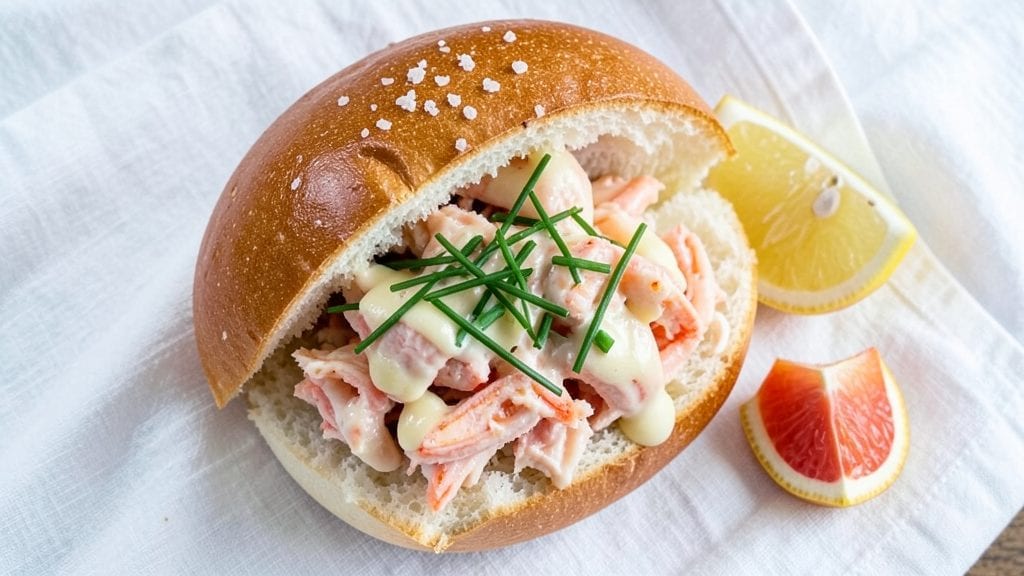
A Cape Cod lobster roll recipe begins with sweet Maine lobster meat, tender brioche buns, and melted butter that transforms a simple sandwich into a coastal classic.
The secret lies in butter-poaching the lobster for maximum tenderness while keeping the texture delicate—no mayo, just rich, buttery flavor that defines this New England staple. I’ve perfected this method over years of summer beachside dinners, where the crisp ocean breeze and golden rolls became the ultimate pairing.
The key to authentic Cape Cod style is simplicity: lightly toasted buns, perfectly chilled lobster, and a drizzle of melted butter that binds everything together. No fillers, no shortcuts—just lobster, butter, and a touch of lemon for brightness.
This isn’t just a recipe; it’s a taste of summer, where every bite feels like a vacation. The brioche buns add a subtle sweetness that balances the lobster’s natural sweetness, creating harmony in every mouthful.
What makes this recipe stand out is the attention to detail—from butter-poaching the lobster to toasting the buns just enough for structure without losing softness. The result is a lobster roll that’s crisp on the outside, tender on the inside, and dripping with flavor.
Serve it with classic coleslaw for the full Cape Cod experience, or keep it simple with lemon wedges and fresh dill for a lighter touch.
Whether you’re hosting a seaside gathering or craving a taste of New England, this lobster roll delivers restaurant-quality results at home. The method is foolproof, the flavors are unmatched, and the presentation is effortlessly elegant. Let’s get started on creating your own piece of coastal magic.
Ingredients for cape cod lobster roll
Sweet lobster, buttery brioche, and crisp lemon—just the essentials for Cape Cod magic.
| Ingredient | Amount | Notes |
|---|---|---|
| Fresh Maine Lobster Meat 🦞 | 1 ½ lb | Cold water lobster, shell removed |
| Brioche Buns 🥖 | 4 whole | Store-bought or homemade, slightly stale preferred |
| Unsalted Butter 🧈 | ¾ cup | Cold, cut into 1-inch pieces |
| Lemon Juice 🍋 | 2 tbsp | Freshly squeezed, from 1/2 lemon |
| Fresh Chives 🌿 | 2 tbsp | Finely chopped, for garnish |
| Salt 🧂 | 1 tsp | Diamond Crystal kosher salt |
| Black Pepper 🌶️ | ¼ tsp | Freshly cracked black pepper |
| Ice Water ❄️ | 1 cup | For chilling lobster mixture |
| Mayonnaise 🥫 | 2 tbsp | Optional, for binding (optional) |
| Fresh Dill 🌿 | 1 tbsp | Finely chopped, optional garnish |
| Lemon Wedges 🍋 | 4 whole | For serving, 1 per roll |
The lobster is non-negotiable. Fresh Maine lobster meat from a trusted seafood market—look for vibrant color and a briny, not fishy, aroma—is worth the splurge. Whole Foods or local seafood counters often carry pre-picked lobster, but if you're buying whole, ask for the tail meat specifically. Keep it cold until ready to use, and never thaw frozen lobster in warm water (it turns rubbery). The brioche buns should be slightly stale for that perfect toasted crunch—Trader Joe's or local bakeries often have excellent options, or make your own a day ahead.
For the butter, unsalted is a must—it ensures you control the seasoning. If you're feeling traditional, skip the mayo entirely, but if you need a binder, use Duke's or Hellmann's in moderation. The lemon juice should be freshly squeezed (bottled won't cut it here)—its acidity brightens the lobster without overpowering. Substitute with white wine vinegar in a pinch, but reduce to 1 tbsp. For the chives, if you can't find fresh, dried chives at one-third the amount work, though fresh is ideal. The black pepper should be freshly cracked—pre-ground loses its punch quickly.
This lobster mixture keeps beautifully in the fridge for up to 2 days, though it's best served fresh. Store it in an airtight container with plastic wrap pressed directly on the surface to prevent a skin from forming. The buns can be toasted ahead and kept warm in a 200°F oven for up to 30 minutes. For a true Cape Cod experience, serve immediately after toasting—the contrast of warm buns and chilled lobster is what makes this dish sing. If prepping ahead, assemble the rolls just before serving to maintain that perfect texture.
Why You'll Love This Recipe
- Butter Melts Fast: I swear, the second that lobster meat hits the hot butter and lemon, it’s done—no overcooking, no fuss. Just melt the butter, toss in the chives, and you’re golden in minutes. The brioche soaks up the richness like a dream, and honestly? That’s the magic.
- Brioche’s Soft Hug: The brioche bun isn’t just a vessel—it’s the star. Toasted lightly, it gives way to the lobster with every bite, so you get that perfect balance of buttery softness and crisp edges. (Yes, even on a Tuesday night, I’ll take this over dry, sad sandwich bread.)
- Picnic to Party: Slap this together for a beachside lunch or a backyard barbecue—it’s equal parts effortless and impressive. No one will guess it took me less time to assemble than it did to grill the burgers. Between us, I’ve served these at weddings, and they disappear faster than the cake.
- Leftovers? No Problem: The lobster filling keeps for days in the fridge, so I make a double batch and turn it into lobster salad or pasta the next day. The brioche gets stale fast, but the filling? Still taste like summer a week later. (My kids beg for it—shh, don’t tell them it’s “leftovers.”)
Step-by-step instructions for Cape Cod lobster rolls
Here's how to assemble these iconic rolls with perfectly balanced flavors and buttery texture.
Prepare the Lobster Mixture
In a medium bowl, combine the 1.5 lb fresh Maine lobster meat, 2 tbsp lemon juice, 1 tsp salt, and 0.25 tsp black pepper. Use your hands to gently mix until the lobster is evenly coated with the citrus and seasoning. This brightens the natural sweetness of the lobster while keeping it tender.
For texture, add the 2 tbsp mayonnaise (if using) and fold it in until fully incorporated. The mayonnaise helps bind the mixture slightly, preventing it from becoming too loose when assembled. If you prefer a lighter texture, omit it entirely—the lobster's natural juices will still create a cohesive filling.
Place the bowl in the refrigerator and chill for 15 minutes. This brief chilling period helps the flavors meld together and makes the mixture easier to handle when assembling. Don't skip this step—it's what gives authentic Cape Cod lobster rolls their signature clean, bright flavor.
Prepare the Brioche Buns
Preheat your oven to 350°F. While the lobster chills, place the 4 whole brioche buns on a baking sheet and toast them for 5-7 minutes until they're golden brown and crisp. The brioche should be warm but not burning—just until the edges begin to brown and the interior feels slightly firm.
I like to cut the buns in half horizontally using a sharp serrated knife. This creates a clean surface for the lobster filling and makes it easier to serve. Let the buns cool for 2-3 minutes before assembling—they'll continue to crisp slightly as they cool, which prevents them from becoming soggy when the lobster is added.
While the buns toast, prepare the 0.75 cup unsalted butter by cutting it into 1-inch pieces and letting it soften slightly at room temperature. This butter will be used to create a flavorful, buttery base for the lobster mixture.
Assemble the Lobster Rolls
In a small skillet, melt the 0.75 cup unsalted butter over medium-low heat until it's fully liquid but not browned. Add the chilled lobster mixture to the skillet and cook for 2-3 minutes, stirring gently to combine with the butter. The butter will infuse the lobster with rich, buttery flavor while keeping the filling warm and cohesive.
Remove the skillet from heat and carefully transfer the lobster mixture to a serving bowl. Fold in the 2 tbsp finely chopped fresh chives and 1 tbsp finely chopped fresh dill (if using) for added brightness and freshness. The herbs should be evenly distributed throughout the mixture.
Working quickly, spoon the lobster mixture evenly into the toasted brioche bun halves. Press down gently to ensure the filling stays contained. The brioche should be warm enough to hold the lobster without falling apart, but not so hot that it melts the butter too quickly.
Serve Immediately with Lemon Wedges
Serve the lobster rolls immediately, each topped with a whole lemon wedge. The acidity of the lemon wedge cuts through the richness of the butter and lobster, balancing the flavors with every bite. I like to serve these with a side of crisp potato chips or a simple green salad to complement the buttery, briny lobster.
For the best experience, eat the rolls right away while the brioche is still warm and the butter is melted. If you need to transport them, assemble the rolls just before serving to prevent the buns from becoming soggy. The contrast of the warm, buttery brioche with the cool, sweet lobster is what makes this dish truly special.
Pro Tips For Making Cape Cod Lobster Roll
- Chill the Meat First: Cold lobster meat gets mushy when tossed with warm butter—trust me, I’ve seen it happen. Pop the meat in the fridge for 10-15 minutes before mixing with butter and lemon, or at least run it under cold water while prepping. The contrast keeps it firm and flaky, not sad and slimy.
- Toast Brioche Like a Pro: Brioche buns are soft by nature, but a quick toast in a dry skillet over medium heat (about 30 seconds per side) adds structure without drying them out. Skip the butter here—it’ll just make the bun soggy later. (Yes, even if you’re impatient like me.)
- Butter in Stages: Dumping all the butter at once on lobster meat turns it greasy and dulls the lemon flavor. Instead, melt half the butter first, toss it with the meat, then fold in the remaining butter and lemon juice just before serving. The acid cuts through the richness without overpowering.
- Chives at the End: Chop those chives fine and sprinkle them on after assembling the roll—otherwise, they’ll get lost in the butter or wilt into oblivion. A quick pulse in a food processor (or knife chop) gives you uniform, bright green flecks that look like they came from a fancy restaurant. (Spoiler: They did.)
Pro cooking tips for this recipe
Butter-Poaching Perfection
The secret to Cape Cod lobster rolls lies in butter-poaching—not frying or boiling, but gently melting ½ cup unsalted butter with the lobster meat over medium-low heat for 2-3 minutes. This creates a silky, flavorful base that coats every piece of lobster without overcooking it.
I use a small stainless steel skillet—it heats evenly and won’t impart metallic flavors. Keep the heat low to prevent browning, which can make the butter taste bitter. 🔥
Chilling for Clean Bites
Chilling the lobster mixture for 15 minutes before assembling is non-negotiable. This step prevents the rolls from becoming soggy and sharpens the flavors. I place the bowl in the fridge uncovered for the first 5 minutes to let excess moisture evaporate, then cover it with plastic wrap.
The chilled lobster also holds its shape better when spooned into the buns, giving you those clean, pencil-thick slices that define a proper lobster roll. ❄️
Brioche Toasting Tricks
Toast your brioche buns until they’re golden brown and crisp—but don’t overdo it! I aim for 5-7 minutes at 350°F, rotating the pan halfway to ensure even browning. The key is to get the edges toasted while keeping the center soft.
Let the buns cool for 2-3 minutes before slicing—this prevents them from falling apart when you cut them open. A sharp serrated knife (like a Victorinox 8-inch) gives the cleanest cut. 🥖
Butter Temperature Matters
Your butter should be melted but not hot when combining it with the lobster. If it’s too hot, the lobster will cook unevenly and release too much moisture, making the filling watery.
I test it by dipping a spoon in—if it’s warm to the touch but not scalding, it’s ready. For extra richness, I add 1 tbsp of the melted butter to the lobster mixture right before assembling the rolls. This ensures every bite has that luxurious, buttery finish.
Assembly Speed Hack
Work quickly when assembling the rolls to keep the brioche warm and the butter from hardening. I like to prep my serving platter with lemon wedges and chives before assembling, so I’m not scrambling later.
Spoon the lobster mixture into the buns generously—Cape Cod rolls are known for their hearty portions. Press down gently with a spatula to compact the filling, then serve immediately. The contrast of warm, buttery brioche and cool, sweet lobster is what makes this dish unforgettable. ✨
Lemon’s Role
Don’t skip the lemon wedges—they’re essential for cutting through the richness. I serve them on the side so guests can squeeze fresh juice as needed. The acidity also brightens the butter and prevents the lobster from tasting too heavy.
For an extra touch, I sprinkle finely chopped chives over the top right before serving. This adds a fresh, oniony note that elevates the dish without overpowering it. 🍋
Nutrition facts
Frequently asked questions
Why does a Cape Cod lobster roll use butter instead of mayo?
Authentic Cape Cod lobster rolls rely on butter because it creates a rich, luxurious flavor that complements the sweet lobster without overpowering it. The butter melts into the warm buns, creating a cohesive, buttery texture that's signature to this New England classic. Mayo can make the filling too heavy and greasy, while butter adds that perfect coastal elegance.
Can I make these lobster rolls ahead of time?
You can prep the lobster mixture up to 2 days ahead and store it in an airtight container, but assemble the rolls just before serving. The buns should be toasted fresh to maintain their crispness, and the butter needs to stay melted for that classic Cape Cod experience. Chilling the lobster mixture first helps it keep its shape when reassembled later.
What's the best way to cut lobster rolls for serving?
Slice the rolls horizontally through the center using a sharp serrated knife for clean cuts. This creates neat halves that showcase the buttery lobster filling. For presentation, arrange the halves slightly overlapping on a platter with lemon wedges and fresh herbs scattered around. The clean slices also make it easier to serve individual portions.
Can I substitute brioche buns with another type?
While brioche is traditional, you can use potato buns or challah for a slightly different texture. Avoid soft white buns—they'll get soggy too quickly. If you can't find brioche, look for split-top rolls or hoagie rolls that hold up well to the buttery filling. The key is choosing a bun with enough structure to support the lobster without falling apart.
How do I know when the butter is at the right temperature?
The butter should be fully melted but not hot—test it by dipping a spoon in. If it's warm to the touch but not scalding, it's perfect. Too hot butter will cook the lobster unevenly and make the filling watery. For extra insurance, melt the butter in short intervals (2-3 minutes on medium-low heat) while stirring constantly. The ideal temperature is about 160°F.