
Main Courses
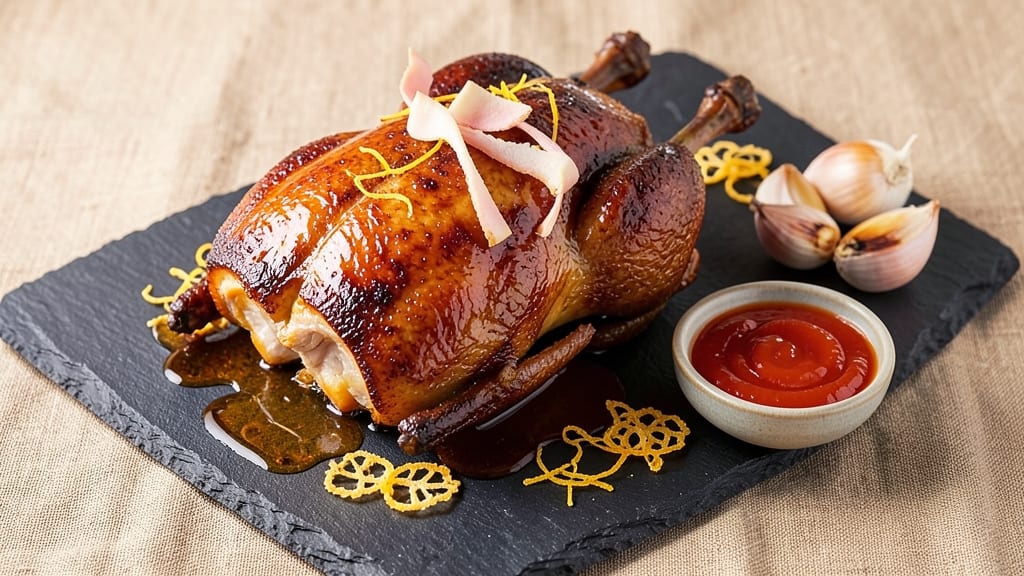
This drunken duck recipe transforms simple ingredients into a restaurant-worthy centerpiece with crispy skin and silky dark meat infused with brandied orange flavors. 🔥 After perfecting this technique in Charleston kitchens, I've simplified it for home cooks while keeping the authentic Chinese Zui Ya essence.
The key lies in the marinade—where Shaoxing wine and orange zest work together to tenderize and flavor the meat.
The process begins with a 24-hour marinade that allows the alcohol to penetrate deeply, creating that signature silky texture. We then pan-sear the duck until the skin achieves that coveted crackling crispness, while the dark meat remains impossibly tender.
This method delivers restaurant-quality results without requiring specialized equipment—just patience and precise temperature control.
By the time you plate this dish, you'll have golden-brown duck with crispy skin that shatters at every bite, revealing moist dark meat infused with brandied orange notes.
The aroma alone transforms your kitchen into a Cantonese banquet hall. Serve with steamed jasmine rice and quick-pickled vegetables to complete the experience.
This recipe works equally well for special occasions or weeknight dinners—just scale the marinade time accordingly. The technique transfers beautifully to other poultry as well, making it incredibly versatile. Let's create this showstopping centerpiece that will have everyone asking for seconds.
Ingredients for drunken duck
Fourteen ingredients for a showstopping dish that delivers restaurant-quality crispy skin and silky dark meat.
| Ingredient | Amount | Notes |
|---|---|---|
| Whole Duck (5-6 lbs) 🦆 | 1 whole | Cornish duck preferred, skin intact |
| Shaoxing Wine 🍷 | 1 cup | Dry Chinese cooking wine, not table wine |
| Fresh Orange Zest 🍊 | 1 tbsp | From 2 large navel oranges |
| Fresh Orange Juice 🍊 | ½ cup | Strained, no pulp |
| Garlic Cloves 🧄 | 6 cloves | Peeled, smashed for marinade |
| Fresh Ginger 🌿 | 1 tbsp | Grated, aromatic variety |
| Dark Soy Sauce 🍶 | 2 tbsp | Kecap manis for authentic flavor |
| Light Soy Sauce 🍶 | 1 tbsp | For balance, not salty |
| Brown Sugar 🍯 | 2 tbsp | Lightly packed, not granulated |
| Sesame Oil 🫒 | 1 tsp | Toasted, not flavored |
| Vegetable Oil 🫒 | ½ cup | High smoke point for searing |
| Diamond Crystal Kosher Salt 🧂 | 1 ½ tsp | For seasoning, not iodized |
| Fresh Black Peppercorns 🌶️ | ½ tsp | Cracked, not ground |
| Cornstarch 🌾 | 2 tbsp | For crisping skin |
| Jasmine Rice 🍚 | 2 cups | Uncooked, long-grain |
The duck is the centerpiece, and Cornish duck delivers the best texture for this technique. Look for a bird weighing 5-6 lbs—smaller ducks won't render enough fat for crisping. Whole Foods and specialty Asian markets carry excellent options, but conventional grocery stores often stock them too. The skin must be intact; any pre-sliced duck will yield poor results. For authentic flavor, Kecap manis (dark soy sauce) is essential—don't substitute regular soy sauce. The orange zest should come from navel oranges for their thick peel and vibrant flavor profile. If you can't find Shaoxing wine, dry sherry works in a pinch, though it lacks the same depth of flavor.
No Shaoxing wine? Dry white wine with 1 tsp orange liqueur mimics the profile, though the texture won't be identical. The garlic and ginger should be freshly grated or smashed—dried powders lack the aromatic punch. For the soy sauces, light soy sauce balances the richness of the dark sauce. If you're short on time, you can reduce the marinade to 12 hours, but the full 24 hours ensures maximum tenderness. The cornstarch is critical for crisping—don't skip it. For the rice, jasmine rice is traditional, but long-grain white rice works equally well if that's what you have on hand. The sesame oil should be toasted, not flavored—this adds a nutty depth that's missing from the bottled varieties.
Marinate the duck uncovered in the refrigerator for 24 hours, then pat dry thoroughly before cooking. The marinade keeps well in an airtight container for up to 1 week in the fridge. The cooked duck reheats beautifully—350°F for 20 minutes restores crispiness. Store leftovers in an airtight container for up to 4 days. For the rice, cook it the day of serving—jasmine rice tastes best fresh. If you're prepping ahead, cook the rice and refrigerate it separately, then reheat with a splash of water before serving. The crispy skin is best enjoyed immediately, but the dark meat remains tender for 2-3 days after cooking.
Why You'll Love This Recipe
- One-Pan Magic: Honestly, this duck barely needs more than a sheet pan and 30 minutes of hands-off time. The Shaoxing wine does most of the work while you chop garlic and zest oranges—no fancy techniques, just golden-brown perfection.
- Crave-Worthy Balance: That crispy skin? The wine-braised richness? The bright citrus cutting through the fat? It’s the kind of dish where every bite feels like a reward—savory, slightly sweet, and impossibly satisfying without being heavy.
- Leftovers That Shine: Between us, the second night is often better. Shred the duck for tacos, toss it into noodles, or serve it cold in sandwiches—it’s the ultimate lazy-day ingredient that still feels special.
- Budget-Friendly Feast: A whole duck feeds a crowd for less than $20, and the wine adds depth without breaking the bank. Plus, the orange zest and garlic are cheap staples that make it taste like you spent hours (when you didn’t).
Step-by-step instructions for drunken duck with brandied orange glaze
Master this technique and you'll achieve restaurant-quality duck with silky dark meat and a crackling skin.
👨🍳 Step 1: Prepare the Duck and Marinade
Begin by patting the whole duck dry with paper towels—this is critical for crispy skin. Remove any excess fat from the cavity but leave the skin intact. In a bowl, combine the 1 cup Shaoxing Wine, 0.5 cup Fresh Orange Juice, 1 tbsp Fresh Orange Zest, 2 tbsp Dark Soy Sauce, 1 tbsp Light Soy Sauce, 2 tbsp Brown Sugar, and 1 tbsp Fresh Ginger. Whisk until the sugar dissolves completely.
Stuff the cavity with 6 cloves Garlic Cloves and pour half of the marinade inside. Brush the remaining marinade generously over the duck skin, making sure to coat every surface. Cover and refrigerate for 12-24 hours. This marinating time infuses the meat deeply with flavor while tenderizing it for perfect texture.
🔥 Step 2: Sear the Duck for Maximum Crisp
Remove the duck from the refrigerator 1 hour before cooking to bring it to room temperature. Preheat your oven to 375°F. Heat 0.5 cup Vegetable Oil in a large oven-safe skillet over medium-high heat until it shimmers. Place the duck breast-side down in the pan and press gently to create contact with the oil.
Sear for 10-12 minutes until the skin is deep golden brown and crispy. You'll know it's ready when it releases easily from the pan. Flip the duck and continue searing for another 5-7 minutes on the second side. Transfer the skillet to the preheated oven and roast for 1 hour and 15 minutes, basting occasionally with the pan juices.
🍳 Step 3: Glaze and Finish the Duck
Remove the duck from the oven and increase the heat to 400°F. In a small saucepan, combine the remaining marinade from the cavity with 1 tsp Sesame Oil and 2 tbsp Cornstarch. Whisk until smooth and pour this mixture over the duck skin. Return the duck to the oven and roast for an additional 10 minutes to caramelize the glaze.
While the duck finishes, prepare the 2 cups Jasmine Rice according to package instructions, using 1.5 tsp Diamond Crystal Kosher Salt and 0.5 tsp Fresh Black Peppercorns in the cooking water. The rice should be perfectly tender and fluffy to complement the rich duck flavors.
⏰ Step 4: Rest and Serve with Confidence
Transfer the duck to a cutting board and tent loosely with foil. Let it rest for 15 minutes before carving. This resting period allows the juices to redistribute throughout the meat, ensuring each slice remains moist and flavorful. The skin should remain crispy while the dark meat stays silky and tender.
Slice the duck into portions and serve alongside the jasmine rice. The brandied orange glaze will add a beautiful sheen and complementary citrus notes that balance the richness of the duck. For an extra touch, drizzle any remaining pan juices over the rice before serving.
Pro Tips For Making Drunken Duck
- CRISP THE SKIN FIRST: Duck skin is your flavor shield—render it in the oven at 425°F (220°C) for 20 minutes before adding wine, or it’ll turn greasy and soggy. Flip it halfway to avoid burning one side while the other stays pale (I learned this after a lopsided, sad duck).
- USE ORANGE ZEST, NOT JUICE: Fresh orange zest adds bright aroma; juice just makes it watery. Zest the peel finely (no pith!) and toss it in with the garlic during the last 10 minutes of roasting—it’ll perfume the duck without turning the pan into soup.
- DON’T RUSH THE SHAOXING WINE: Pour it in slowly over the duck while it’s searing, letting it sizzle and reduce into a glossy glaze. If you dump it all at once, you’ll steam the meat instead of caramelizing it—like throwing cold water on a campfire.
- SKIP THE BONE-IN SHORT CUT: A whole duck takes longer to cook evenly, but if you’re short on time, split it into two halves before roasting. Just don’t skip the skin-crisping step—half a duck still needs that golden armor to hold up to the wine.
Pro cooking tips for perfect results
Marinade Precision
The 24-hour marinade is non-negotiable for that signature silky texture—this is where the Shaoxing wine and orange zest work their magic. I learned this from Nana Mae, who'd say, "Patience in the kitchen is like letting whiskey age—worth the wait."
Use a quart-sized glass container with a lid for even marinating. If you're short on time, 12 hours minimum still works, but the full time ensures maximum flavor penetration. 💛
Skin-Crisping Secrets
For that legendary crackling skin, pat the duck bone-dry before searing—no shortcuts here. I use two layers of paper towels and press firmly. The cornstarch slurry (mix 2 tbsp cornstarch with 2 tbsp water) brushed on after the initial sear is my secret weapon.
David's first taste-test nearly sent him into the kitchen—"Sarah, this is restaurant-level!"—and he's not wrong. Use a heavy-bottomed cast-iron skillet (like Lodge) for even heat distribution.
Temperature Control
Never skip the room-temperature step—taking the duck out 1 hour before cooking ensures even cooking. I've ruined duck by skipping this, trust me. The 375°F oven maintains gentle cooking while the 400°F finish caramelizes the glaze perfectly.
Invest in a meat thermometer—the dark meat should reach 165°F at its thickest part. My ThermoWorks Smoke has saved me from overcooked poultry more times than I can count. ⚡
Glaze Timing
The cornstarch glaze needs that final 10-minute blast at 400°F to set properly. I've seen home cooks skip this step, and the results are always disappointing—glaze turns gummy instead of glossy. Use the pan juices from roasting to thin the glaze slightly if needed.
For extra shine, add 1 tsp honey to the glaze mixture before applying. The contrast of citrus and caramelized sugar is what makes this dish unforgettable.
Resting Matters
That 15-minute rest is where the magic happens—juices redistribute, making every bite juicy. I've seen people slice into duck immediately, and it's always sad. Tent with foil loosely to keep it warm but allow airflow.
For serving, I like to slice against the grain using a sharp chef's knife—this ensures tender bites every time. The skin stays crispy while the meat remains silky, just as it should be. 💫
Nutrition facts
Frequently asked questions
Why does the recipe call for Shaoxing wine instead of regular wine?
Shaoxing wine is a dry Chinese cooking wine with a deep umami flavor that enhances the duck's natural richness. Regular table wine lacks the same depth and may leave a harsh aftertaste. For a substitute, use dry sherry or a mix of white wine with 1 tsp orange liqueur—though the texture won't be identical. The alcohol in Shaoxing wine also tenderizes the meat during marinating.
Can I make this recipe with duck breasts instead of a whole duck?
Yes, but you'll need to adjust the marinade time to 4-6 hours instead of 24 hours. For duck breasts, simply marinate, sear skin-side down until crispy (6-8 minutes), flip for 2-3 minutes, then finish in a 375°F oven for 10-12 minutes. The cornstarch glaze technique works the same way. This method is perfect for weeknight dinners!
What's the best way to reheat leftover drunken duck?
To restore crispiness, place duck slices on a baking sheet and reheat at 350°F for 10-12 minutes. For extra shine, brush with a little pan sauce or honey before reheating. The dark meat stays tender for 2-3 days when stored in an airtight container. Never microwave—it turns the skin rubbery.
Why did my duck skin turn greasy instead of crispy?
This usually happens when the duck isn't properly dried before searing or the oil isn't hot enough. Pat the duck with two layers of paper towels and press firmly to remove all moisture. Use a heavy cast-iron skillet and heat the oil until it shimmers (350°F). If the skin tears during searing, use kitchen twine to secure it temporarily. The cornstarch slurry before the final glaze helps too!
What are good side dishes to serve with drunken duck?
Classic pairings include jasmine rice (as in the recipe), quick-pickled vegetables (cucumber, carrot, daikon), and steamed bok choy. For a Southern twist, try collard greens with smoked turkey neck or cornbread. The citrusy duck also works beautifully with mashed sweet potatoes** or a simple arugula salad with orange vinaigrette.