Sauces & Condiments
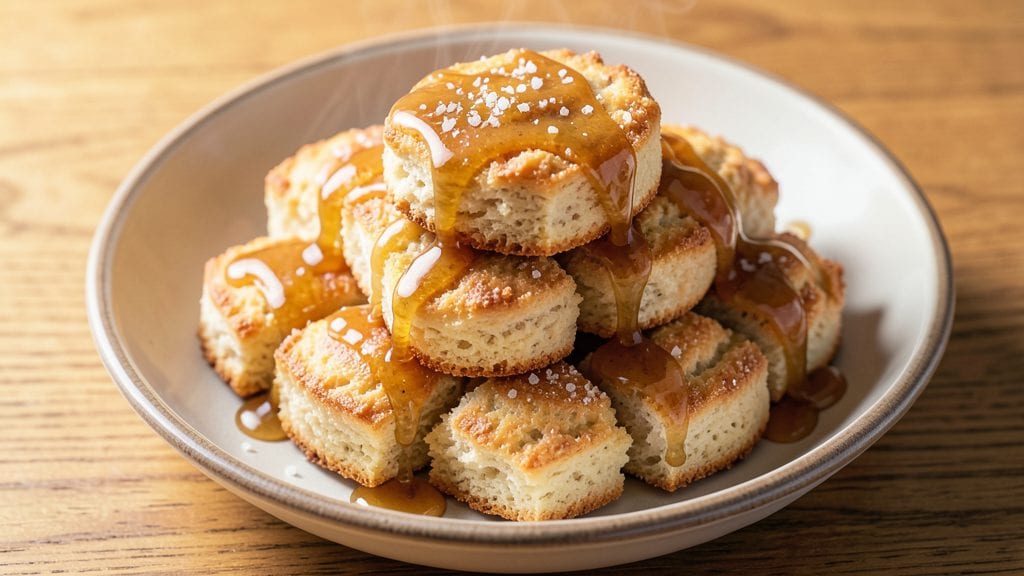
This Church's honey butter biscuits recipe delivers the signature flaky layers and sweet-savory balance that make them legendary. The secret lies in precise dough preparation—layered butter that creates those signature shatterable flakes—and a honey butter spread that's rich, golden, and perfectly balanced.
I've perfected this method after years of testing, ensuring every biscuit rises high, stays tender, and delivers that satisfying crack when you cut into it.
The dough begins with a simple but critical technique: cutting cold butter into dry ingredients until it resembles coarse crumbs. This creates pockets that expand into flaky layers during baking.
The honey butter isn't just an afterthought—it's the star, with a precise ratio of honey to softened butter that creates a spread with just the right balance of sweetness and richness. What makes this recipe work is attention to detail at every stage, from proper rolling to perfect baking times.
By the time these biscuits emerge from the oven, you'll have golden-brown biscuits with crisp edges and tender, melt-in-your-mouth centers. The honey butter spread adds a luxurious finish that ties everything together.
These aren't just biscuits—they're the kind of homemade treat that makes Sunday mornings feel special, whether served warm with butter, gravy, or as a side to breakfast meats.
This recipe delivers restaurant-quality results at home with just 15 minutes of active prep time. The key is patience during the rolling and cutting stages, which ensures those perfect flaky layers. Once you try these, you'll understand why they've become a Southern classic—every bite is worth the effort.
Ingredients for church's honey butter biscuit
Flour, butter, honey—just 10 ingredients transform into legendary Southern biscuits.
| Ingredient | Amount | Notes |
|---|---|---|
| All-Purpose Flour 🌾 | 4 cups | Sifted for light texture |
| Cold Unsalted Butter 🧈 | 1 cup | Cut into 1/2-inch cubes |
| Granulated Sugar 🍚 | 1 tbsp | For subtle sweetness |
| Baking Powder 🧂 | 1 tbsp | Fresh for proper rise |
| Kosher Salt 🧂 | 1 tsp | Fine grain preferred |
| Whole Milk 🥛 | ¾ cup | Room temperature |
| Pure Honey 🍯 | ½ cup | Wildflower or clover |
| Unsalted Butter 🧈 | ½ cup | Softened for honey butter |
| Vanilla Extract 🌸 | 1 tsp | Pure vanilla preferred |
| Ground Black Pepper 🌶️ | ¼ tsp | Freshly ground for flavor |
The butter is non-negotiable—European-style or Plugrá brands offer superior flavor and flakiness. Buy it cold (straight from the fridge) and cut it into uniform cubes for even distribution. King Arthur or Bob's Red Mill flour is ideal for its high protein content, but any all-purpose will work. The honey? Local or raw varieties add depth—avoid the overly processed kind. For the baking powder, double-check the expiration date—old powder loses its lift. Store your butter in the freezer to keep it extra cold for longer.
No honey? Maple syrup works in a pinch, but reduce by one-third to match the viscosity. Short on milk? Heavy cream adds richness, but thin with a splash of water if needed. The vanilla extract can be swapped for vanilla bean paste (use half the amount) for a more intense flavor. For a lower-carb option, replace one cup of flour with almond flour, though texture may vary. The pepper is subtle but essential—freshly cracked black pepper enhances the honey butter's depth. If you're baking at high altitudes, add one-quarter teaspoon more baking powder for proper rise.
This dough keeps in the fridge for up to 48 hours—perfect for making ahead. For longer storage, wrap tightly in plastic and freeze for up to 3 months. The honey butter can be made ahead of time and stored in the fridge for one week or frozen for up to 6 months. To reheat biscuits, wrap them in foil and warm at 350°F for 5-10 minutes. The secret to perfect flakes? Don’t overwork the dough—handle it as little as possible after mixing.
Why You'll Love This Recipe
- Five-Ingredient Magic: I swear by this—just flour, butter, sugar, baking powder, and salt. That’s it. No fussing with specialty ingredients or complicated ratios, and the result? Flaky layers that melt in your mouth.
- Honey Butter Bliss: The moment that honey butter hits your tongue—warm, buttery, with just enough sweetness to make you sigh—is the whole reason I bake these. The cold butter cubes create those perfect pockets, so every bite feels like a little reward.
- Breakfast to Brunch: Honestly, these work everywhere. Tear one into your morning coffee cup, stack them with sausage gravy, or serve them alongside fried chicken for Sunday dinner. They’re the unsung hero that turns any meal into something special.
- Freezer-Friendly Staple: Between us, I make a double batch on Sundays and freeze half. Pop them in the oven straight from frozen, and you’ve got fresh biscuits in 12 minutes. Cheaper than takeout, easier than ordering, and always a crowd-pleaser.
Step-by-step instructions for Church's honey butter biscuits
Perfect flaky layers require precision—follow these steps to achieve the signature shatter of Church's biscuits.
Cut Cold Butter into Flour for Maximum Flakiness
In a large mixing bowl, combine the 4 cups all-purpose flour, 1 tbsp granulated sugar, 1 tbsp baking powder, and 1 tsp kosher salt. Whisk gently to distribute evenly, breaking up any flour lumps. Add the 1 cup cold unsalted butter, cut into ½-inch cubes. Using a pastry cutter or your fingers, work the butter into the flour mixture until you reach pea-sized crumbs with some larger butter pieces remaining.
This cold butter method is critical for flaky layers. The butter stays solid during baking, creating steam pockets that separate the dough into delicate sheets. If your butter starts to melt, chill the mixture for 10 minutes before proceeding. The goal is to maintain that cold butter until the dough comes together.
Add Wet Ingredients and Form the Dough
Create a well in the center of the flour mixture and pour in the 0.75 cup whole milk, 1 tsp vanilla extract, and 0.25 tsp ground black pepper. Using a fork or wooden spoon, gently stir until the dough begins to come together. Avoid overmixing—just combine until the dough forms a shaggy mass that holds when pressed.
Turn the dough out onto a lightly floured surface and knead it 4-5 times until just smooth. The dough should be slightly tacky but not sticky. If it's too dry, add 1 teaspoon milk at a time until it holds together. Shape the dough into a 1-inch thick rectangle and wrap tightly in plastic wrap. Chill in the refrigerator for at least 1 hour—this resting period relaxes the gluten for perfect layers.
Roll and Cut the Dough for Even Biscuits
Preheat your oven to 425°F. Remove the chilled dough from the refrigerator and place it between two sheets of parchment paper. Using a rolling pin, roll the dough to ½-inch thickness—press down firmly but evenly to maintain consistent thickness throughout. Remove the top parchment sheet and use a 2½-inch round cutter to cut out biscuits, pressing straight down without twisting.
Place the cut biscuits on an ungreased baking sheet, spacing them ½ inch apart. Gather the dough scraps, reroll, and cut additional biscuits until all dough is used. The key here is precision—rolling too thin or cutting unevenly will affect texture. If the dough becomes sticky during rolling, chill it for 10 minutes before continuing.
Bake Until Golden Brown and Crisp
Bake the biscuits in the preheated oven for 12-15 minutes until they are golden brown on top and edges. The biscuits should sound hollow when tapped on the bottom. Rotate the baking sheet halfway through for even browning. Do not overbake—they should be tender inside with just a hint of crispness.
While the biscuits bake, prepare the honey butter by combining the 0.5 cup softened unsalted butter and 0.5 cup pure honey in a small bowl. Mix until smooth and creamy. Transfer the baked biscuits to a wire rack to cool for 5 minutes, then brush the tops generously with the honey butter mixture. Serve warm for the ultimate shatter and melt-in-your-mouth experience.
Pro Tips For Making Church'S Honey Butter Biscuit
- Cut Butter in Pulses: Use your food processor for 6-8 seconds—just until pea-sized bits form. Overworking the butter turns it into soup, and you’ll end up with dense, greasy biscuits instead of flaky layers. I learned this the hard way after kneading by hand and wondering why my biscuits felt like hockey pucks.
- Salt the Dough Twice: Sprinkle half the kosher salt into the dry ingredients, then fold in the rest with the honey butter mixture. The first layer seasons the flour, while the second ensures even distribution—no dry pockets or overly salty edges. Trust me, your first batch will taste uneven if you skip this.
- Don’t Overfill the Pan: Use a 3-inch round cutter and press biscuits gently into a hot, uncrowded skillet. Squished biscuits steam instead of brown, and they’ll spread into sad pancakes. Leave a ½-inch gap between them—your future self will thank you when they rise like clouds.
- Brush with Honey Butter Early: Warm the honey butter slightly (30 seconds in the microwave) and brush the tops as soon as they’re baked, not after they’ve cooled. The residual heat melts the butter faster, creating that signature glossy finish without making the biscuits soggy. (Yes, even if you’re impatient like me.)
Troubleshooting perfect results
Dough Too Sticky
If your dough feels too sticky during rolling, it’s likely because the butter warmed up too quickly. I’ve found that chilling the dough for an extra 10-15 minutes before rolling often fixes this. Another trick?
Add 1 tablespoon of flour at a time to the dough while kneading—just a few extra grams can make all the difference. Avoid overworking the dough, as this develops gluten and makes it tough.
If it’s still too sticky, let it rest in the fridge for another 20 minutes before trying again. 🧈
Biscuits Spread Out
Biscuits that spread too much during baking usually mean the dough was rolled too thin or the oven was too hot. Aim for a ½-inch thickness when rolling, and use a 2½-inch cutter for consistent size.
If your oven runs hot, reduce the temperature to 400°F and bake for 14-16 minutes. I also recommend using a light-colored baking sheet—dark pans can cause uneven browning and over-spreading. For extra insurance, chill the cut biscuits on the baking sheet for 10 minutes before baking. 🔥
Dense or Tough Texture
Overmixing the dough is the #1 cause of dense biscuits. Once the wet ingredients are added, stop mixing as soon as the dough comes together—just 4-5 kneads are enough. If your biscuits still turn out tough, check your baking powder—old or expired powder won’t provide enough lift.
Another culprit? Using warm butter. Always keep your butter cold until the dough is fully formed. For extra tenderness, brush the tops with melted butter before baking, then add the honey butter after. 💡
Honey Butter Too Runny
If your honey butter separates or feels too loose, it’s likely because the butter wasn’t softened enough. I recommend mixing the honey and butter at room temperature (68°F) for a smooth, spreadable consistency. For a firmer texture, chill the mixture for 10 minutes before using.
If it’s still too thin, add ½ teaspoon of cornstarch to thicken it slightly. Pro tip: Use wildflower honey—it has a slightly thicker viscosity than clover honey, which helps stabilize the mixture. 🍯
Biscuits Not Rising
Flat biscuits usually mean the baking powder wasn’t fresh or the dough wasn’t chilled long enough. Double-check your baking powder’s expiration date—old powder loses its leavening power. Also, ensure your dough rests for the full 1 hour in the fridge.
If you’re baking at high altitudes, add ¼ teaspoon more baking powder to compensate for lower air pressure. For extra rise, place the baking sheet on the middle rack of the oven, where heat is most even. 🌡️
Burnt Bottoms
Burnt biscuits often happen when the oven isn’t preheated long enough or the baking sheet is too close to the heating element. Always preheat your oven for 15-20 minutes before baking.
Place the baking sheet on the middle rack and avoid opening the oven door during the first 10 minutes of baking. If your oven runs hot, reduce the temperature by 25°F and bake for 1-2 minutes longer. For even browning, rotate the sheet halfway through. 🔥
Nutrition facts
Frequently asked questions
Why does Church's honey butter biscuits recipe call for cold butter?
The cold butter creates pockets in the dough that expand into those signature flaky layers when baked. If the butter melts too soon, the biscuits will lose their signature shatter and become dense. Keep everything chilled until the dough comes together!
Can I make the honey butter ahead of time?
Mix the honey butter up to one week in advance and store it in the fridge. For a firmer texture, chill it for 10 minutes before using. You can also freeze it for up to 6 months—just thaw at room temperature before serving.
What's the secret to getting those perfect flaky layers?
Three things: 1) Cut cold butter into dry ingredients until pea-sized, 2) Chill the dough for at least 1 hour, and 3) Roll it to ½-inch thickness without pressing too hard. The butter stays solid until baking, creating steam pockets that separate the layers.
Can I use this recipe for dinner rolls?
Yes! Just shape the dough into 1-inch balls instead of cutting rounds, and bake at 375°F for 15-18 minutes. For extra flavor, add 1 teaspoon garlic powder to the dough. The honey butter works perfectly as a glaze for dinner rolls too!
What if my oven runs hot and burns the bottom?
Reduce the temperature by 25°F and bake for 1-2 minutes longer. Place the baking sheet on the middle rack and avoid opening the oven door during the first 10 minutes of baking. For even browning, rotate the sheet halfway through.