Main Courses
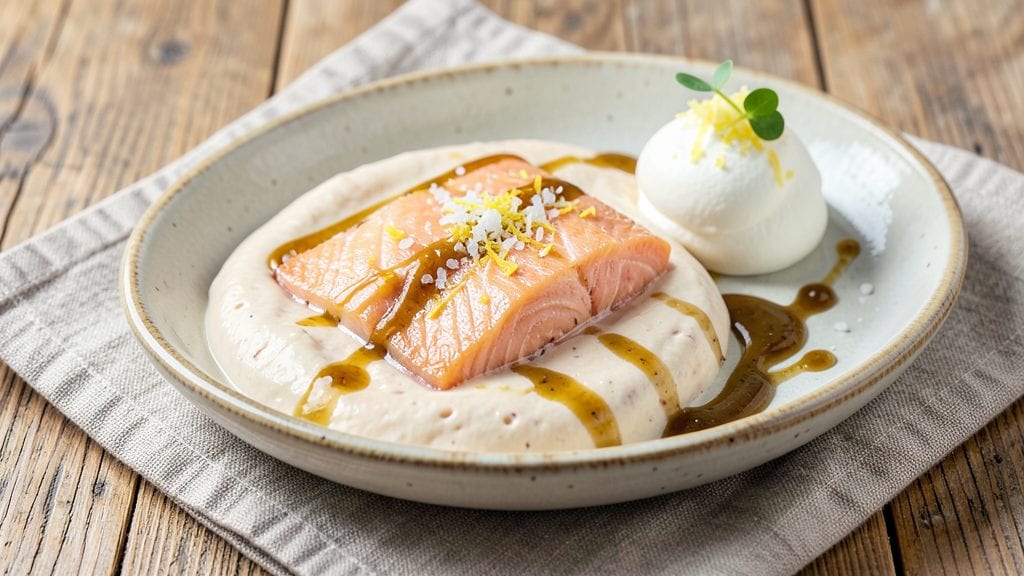
This cooked salmon mousse recipe begins with precision—perfectly poached salmon blended into velvety perfection for a flawlessly smooth, no-fishy-aftertaste result. This refined dish transforms simple ingredients into an elegant, protein-rich centerpiece that even seafood skeptics will love.
The secret lies in balancing the natural richness of salmon with acidity and proper emulsification techniques.
What sets this recipe apart is the foolproof method for achieving that signature silky texture without overpowering fish flavors. We begin with gently poached salmon fillets, which retain their moisture and delicate flavor, then blend them with a carefully measured cream and egg mixture.
A touch of lemon juice and Dijon mustard ensures brightness while preventing any metallic or fishy undertones.
By the time you plate this mousse, you'll have a dish that's luxuriously smooth, subtly seasoned, and visually stunning with its pale, creamy finish. The texture should be so refined it almost defies expectations—no graininess, no aftertaste, just pure elegance on a plate.
This is the kind of dish that elevates any meal from ordinary to extraordinary.
Perfect for special occasions or impressing guests, this salmon mousse serves as both a main course and an elegant appetizer. The recipe scales beautifully for gatherings while remaining approachable for weeknight dining. Let's create this restaurant-worthy dish together—step by step.
Ingredients for cooked salmon mousse
Precision-crafted ingredients for restaurant-quality salmon mousse—where texture meets elegance.
| Ingredient | Amount | Notes |
|---|---|---|
| Center-Cut Salmon Fillets 🐟 | 1 ½ lb | Skinless, boneless, sushi-grade preferred |
| Heavy Whipping Cream 🥛 | 1 cup | Full-fat, 36% minimum |
| Large Egg Yolks 🥚 | 4 whole | Room temperature for emulsification |
| Fresh Lemon Juice 🍋 | 2 tbsp | From organic Meyer lemons |
| Dijon Mustard 🍯 | 1 tbsp | Mild variety for subtle tang |
| Extra-Virgin Olive Oil 🫒 | ¼ cup | Light infusion, fruity profile |
| Diamond Crystal Kosher Salt 🧂 | ½ tsp | Fine grain for delicate seasoning |
| Freshly Ground White Pepper 🌶️ | ¼ tsp | Mild heat without color |
| Unsalted Butter 🧈 | 2 tbsp | European-style for higher fat content |
| Cold Water 💧 | ½ cup | For precise poaching temperature |
| Fresh Dill Sprigs 🌿 | 2 tbsp | Finely chopped, for garnish |
| Cucumber Slices 🥒 | ¼ cup | Thinly sliced, for presentation |
| Microgreens 🌱 | ¼ cup | For vibrant garnish |
The salmon fillets form the foundation, so quality matters most. Opt for sushi-grade center-cut from a trusted seafood purveyor like Whole Foods Market or Trader Joe's—look for vibrant pink color and firm texture. Avoid pre-cooked or previously frozen fillets, as they compromise moisture retention. For the cream, Organic Valley heavy whipping cream provides superior fat content, which is critical for achieving that velvety consistency. The egg yolks should be pasteurized if using store-bought, though fresh is preferable for optimal emulsification. Freshly ground white pepper ensures subtle seasoning without altering the dish's delicate color palette.
Substitutions must preserve the mousse's refined character. If salmon is unavailable, fresh halibut or trout work equally well, though texture may vary slightly. For the cream, half-and-half blended with a splash of heavy cream can mimic fat content, though results may be slightly lighter. Dijon mustard can be replaced with one teaspoon of lemon zest if unavailable, though the flavor profile will differ. The olive oil should be light and fruity—avoid robust varieties that could overpower the delicate salmon flavor. For presentation, edible flowers or thinly sliced radishes can substitute microgreens while maintaining visual appeal.
Proper storage ensures optimal freshness and texture. Poached salmon should be refrigerated immediately after cooking and used within 24 hours for best results. The mousse mixture can be prepared up to one day in advance and stored in an airtight container with a thin layer of plastic wrap pressed directly onto the surface to prevent skin formation. For longer storage, portion into ramekins or small containers and freeze for up to one month. Thaw overnight in the refrigerator before serving. Garnishes like dill and microgreens should be stored separately and added fresh before serving to maintain their vibrant appearance and flavor.
Why You'll Love This Recipe
- Foolproof Texture: I swear by the magic of poaching salmon first—it stays tender, never dry, and blends into that velvety mousse like a dream. The yolks and cream turn it impossibly smooth, but honestly? Even if it’s not perfectly silky, the flavor wins every time.
- Bright & Tangy: That lemon juice isn’t just for show—it cuts through the richness of the cream and salmon, giving it this fresh, almost Mediterranean lift. Add a pinch of Dijon, and suddenly it’s got depth without tasting like a fancy restaurant dish.
- Weeknight Hero: I make this when I’m too tired to cook but still want something impressive. Spread it on toast for breakfast, dollop it on crackers for a snack, or serve it chilled with blinis—it’s my go-to for when I need effortless elegance.
- Leftovers? Yes, Please: The mousse keeps for days in the fridge, and honestly, it’s even better the second time around. I’ll pack it for lunches or use it as a quick appetizer when unexpected guests show up—no last-minute stress, just smooth, creamy satisfaction.
Step-by-step instructions for cooked salmon mousse
Transform delicate salmon into velvety mousse with this refined method—every element balances for silky texture and clean flavor.
Poach the Salmon Fillets to Perfect Tenderness
In a deep skillet, combine the 0.5 cup cold water, 2 tbsp unsalted butter, and 0.25 cup extra-virgin olive oil over medium heat. Bring just to a gentle simmer—160°F—then add the 1.5 lb center-cut salmon fillets. Poach for 8-10 minutes per side until the flesh flakes easily with a fork and reaches 145°F internally. The water should remain barely simmering; any boiling will toughen the salmon.
Remove the fillets and let them cool completely on a wire rack before handling. This resting phase prevents the mousse from breaking during processing. Reserve the poaching liquid—it contains precious salmon essence that will enhance the final texture.
Create the Base Emulsion with Egg Yolks and Cream
In a food processor fitted with the metal blade, combine the 4 whole large egg yolks, 1 cup heavy whipping cream, 1 tbsp Dijon mustard, 2 tbsp fresh lemon juice, 0.5 tsp diamond crystal kosher salt, and 0.25 tsp freshly ground white pepper. Process on high speed for 3-4 minutes until the mixture is pale, thick, and completely emulsified—it should ribbon off the blade when lifted.
This emulsion forms the foundation of your mousse. The Dijon mustard adds subtle acidity to cut through the richness, while the lemon juice brightens the final flavor. If the mixture curdles at any point, strain it through a fine-mesh sieve to ensure a flawless texture.
Process the Salmon and Achieve Ultra-Smooth Texture
Once the salmon is completely cool, transfer it to the food processor with the emulsion. Pulse 5-6 times to break down the flesh, then process continuously for 8-10 minutes until the mixture is silky smooth with no visible lumps. Scrape down the sides of the bowl as needed to ensure even processing.
Here's the critical moment: The salmon should dissolve completely into the emulsion, creating a homogeneous mass. If you encounter resistance, add 1-2 tablespoons of the reserved poaching liquid to help break down any stubborn fibers. The result should resemble thick, velvety custard.
Refine and Chill for Optimal Texture
Transfer the mousse to a mixing bowl and fold in the 2 tbsp finely chopped fresh dill sprigs using a rubber spatula. This incorporates delicate herb notes without overpowering the delicate salmon flavor. Press the mousse through a fine-mesh sieve into a clean bowl to eliminate any remaining texture imperfections.
Cover the surface with plastic wrap, pressing it directly against the mousse to prevent a skin from forming. Chill in the refrigerator for at least 4 hours, preferably overnight. This extended chilling period allows the flavors to meld and the texture to set properly, resulting in a mousse that holds its shape yet remains light and airy.
Plate with Fresh Garnishes for Presentation
Before serving, pipe or spoon the chilled mousse onto a platter. Top each serving with 0.25 cup cucumber slices and 0.25 cup microgreens arranged in an artistic pattern. The crisp cucumber provides a refreshing contrast to the rich mousse, while the microgreens add visual appeal and a subtle earthy note.
Serve immediately with a drizzle of additional extra-virgin olive oil if desired. The mousse should hold its shape slightly at the edges while remaining creamy in the center. Each bite should deliver the delicate flavor of the salmon without any fishy aftertaste, thanks to the careful balance of acidity and fat throughout the process.
Pro Tips For Making Cooked Salmon Mousse
- Poach, Don’t Roast: Salmon mousse starts with perfectly cooked fish—overheating turns it dry and grainy. Poach the fillets in simmering water (160°F/71°C) with lemon slices and a splash of white wine for 8–10 minutes max. The flesh should flake easily but stay moist; if it looks even slightly opaque in the middle, you’ve gone too far.
- Whisk Yolks Cold: Warm egg yolks curdle like clockwork, and nothing ruins mousse faster. Chill the yolks in the fridge for 10 minutes before mixing, then keep your mixing bowl icy cold—even a lukewarm bowl will turn your mousse into scrambled eggs. (Yes, I’ve learned this the hard way.)
- Strain the Mustard: Dijon mustard seeds are sneaky little texture killers in mousse. Pulse the mustard in a food processor for 10 seconds, then strain it through a fine-mesh sieve to remove grit. Skip this, and your silky mousse will have a gritty bite—trust me, your guests will notice.
- Whip Cream Last: Heavy cream folds into mousse better when it’s just stiff peaks, not butter. Whip it right before mixing with the salmon-yolk base, then gently fold in with a spatula—don’t overmix, or you’ll deflate the air and end up with dense, heavy mousse. (And no, a hand mixer won’t give you the same lightness.)
Storing and reheating this dish
Refrigerator Storage
Your freshly prepared salmon mousse should be stored in an airtight container with a layer of plastic wrap pressed directly onto the surface to prevent skin formation. Place it in the refrigerator at 40°F or below and use within 24 hours for optimal texture and flavor.
The mousse will hold its shape beautifully when chilled, making it perfect for last-minute plating. 💫
Freezer Storage
For longer storage, divide the mousse into ramekins or small silicone molds and freeze for up to one month. To preserve texture, cover each portion tightly with plastic wrap, then place in a freezer-safe bag.
Thaw overnight in the refrigerator before serving—never at room temperature to avoid bacterial growth. The texture may become slightly grainier after freezing, but a quick pulse in the food processor restores smoothness.
Reheating Techniques
Salmon mousse isn't typically reheated due to its delicate texture, but if needed, warm gently in a double boiler over low heat for no more than 5-7 minutes. Stir constantly to prevent curdling, and stop reheating immediately when the center reaches 140°F.
For best results, serve chilled or at room temperature to maintain that luxurious, velvety consistency. 🌡️
Garnish Refreshing
Always add fresh garnishes—like dill sprigs, cucumber slices, or microgreens—right before serving. These elements provide visual appeal and contrast the rich mousse. Store garnishes separately in a sealed container lined with a paper towel to maintain crispness.
If prepping ahead, keep garnishes refrigerated and add them within 30 minutes of serving to preserve their vibrant color and texture.
Portioning for Guests
Portion the mousse into small serving dishes or ramekins before storing to simplify serving. Use a piping bag with a star tip for elegant presentation, or spoon carefully into individual portions.
Label containers with the date to track freshness—this helps ensure you serve the mousse at its peak. For parties, pre-portion and refrigerate garnishes in separate containers for easy assembly.
Nutrition facts
Frequently asked questions
Why does my salmon mousse turn out grainy?
Graininess usually happens when the salmon isn't fully broken down or the emulsion isn't properly formed. Always cool the salmon completely before processing, and blend the egg yolk-cream mixture for 3-4 minutes until it's completely smooth. If lumps persist, strain through a fine-mesh sieve or add 1-2 tablespoons of reserved poaching liquid to help emulsify.
Can I make this recipe without a food processor?
Yes, but texture may vary slightly. Use a high-powered blender or immersion blender for the salmon-cream mixture, processing in 30-second bursts with cooling breaks. For the egg yolk emulsion, whisk vigorously by hand until thick and pale, then strain through a sieve to ensure smoothness. The final result will be less refined but still delicious.
How do I prevent a fishy aftertaste in the mousse?
The key is balancing richness with acidity. Use fresh, high-quality salmon (sushi-grade preferred) and poach it gently to avoid overcooking. The lemon juice and Dijon mustard in the recipe neutralize any fishy notes. If you taste lingering fishiness, add an extra ½ teaspoon of lemon juice or a pinch of salt to brighten the flavor.
Can I substitute cream cheese for the heavy cream?
Not recommended—cream cheese is too dense and will alter the texture dramatically. Heavy cream provides the necessary fat content and lightness for a proper mousse. If you're avoiding dairy, use full-fat coconut cream (though flavor will differ slightly). For a vegan option, blend silken tofu with coconut milk, but expect a less refined consistency.
What's the best way to serve this mousse at room temperature?
Let the mousse sit at room temperature for 15-20 minutes before serving to soften slightly while maintaining stability. For a restaurant-style presentation, pipe it into small cups or ramekins and chill briefly (10 minutes) before serving. Always garnish with fresh herbs and crisp elements like cucumber or radish slices to contrast the creamy texture.