Side Dishes
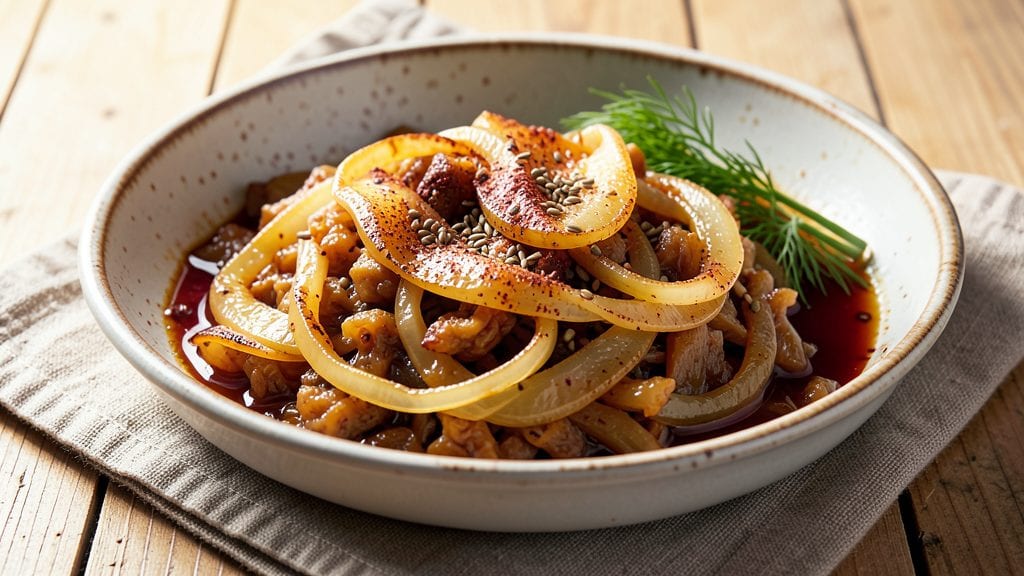
This cooked sauerkraut recipe transforms tangy, fermented cabbage into a savory, caramelized side dish that adds depth to any meal. The key lies in balancing acidity with sweetness—whether through onions, apples, or a touch of maple syrup—while achieving that perfect crispy-toasty texture on the edges.
I developed this version after realizing how often sauerkraut gets overlooked in favor of coleslaw, and it’s become a staple in my kitchen for its versatility.
The process is straightforward but requires patience: simmering the sauerkraut until the liquid reduces and the flavors meld creates a dish that’s richer than raw yet retains its signature tang.
You can customize it with smoked paprika for warmth, caraway seeds for classic German flavor, or even a splash of soy sauce for an Asian-inspired twist. The result is a side that pairs beautifully with sausages, roasted meats, or even as a topping for sandwiches.
What sets this recipe apart is its one-pan simplicity—no complicated steps, just a few ingredients and about 20 minutes of hands-off cooking. The sauerkraut develops a deep, caramelized color and a satisfying crunch, while the onions (if using) turn golden and sweet.
It’s the kind of dish that elevates a simple weeknight dinner into something special, all while being foolproof enough for beginners.
Serve it warm alongside your main course, or let it cool slightly for a side that holds its shape. The possibilities are endless—whether you stick to the classic German approach or experiment with global flavors. Here’s how to make it perfectly every time.
Ingredients for cooked sauerkraut
Five core ingredients plus a few pantry staples transform sauerkraut into a caramelized, tangy side dish.
| Ingredient | Amount | Notes |
|---|---|---|
| Sauerkraut 🥬 | 4 cups | Packed, liquid included |
| Yellow Onion 🧅 | 1 whole | Thinly sliced, yellow or red |
| Granulated Sugar 🍯 | 1 tbsp | White or brown sugar |
| Apple Cider Vinegar 🍎 | 1 tbsp | For tangy balance |
| Smoked Paprika 🌶️ | 1 tsp | For depth and warmth |
| Ground Caraway Seeds 🌾 | ½ tsp | Classic German flavor |
| Vegetable Broth 🍲 | ½ cup | Low-sodium preferred |
| Maple Syrup 🍁 | 1 tbsp | For subtle sweetness |
| Extra-Virgin Olive Oil 🫒 | 1 tbsp | For crispy edges |
| Salt 🧂 | ½ tsp | Diamond Crystal kosher |
| Black Pepper 🌶️ | ¼ tsp | Freshly cracked |
| Fresh Thyme Leaves 🌿 | 2 tsp | Or 0.5 tsp dried |
The sauerkraut is the star—look for bright, crunchy cabbage with minimal liquid at the bottom of the jar. Bubblesville or Rehrl brands are my go-to for consistent quality, but any jarred sauerkraut works. The onions should be sweet and yellow—Vidalias or yellow onions caramelize best. If you're feeling adventurous, swap half the onions for apples (thinly sliced) for a sweet-tart twist. The smoked paprika adds depth, so Penzeys or McCormick are solid choices—just avoid the pre-mixed stuff with fillers.
No smoked paprika? Dried marjoram or a pinch of liquid smoke works in a pinch. Running low on caraway seeds? Celery seeds at half the amount mimic that earthy note. The maple syrup can be swapped for honey or brown sugar, but maple keeps the flavor profile closest to the original. For a global twist, add 1 tsp soy sauce or a splash of fish-free Worcestershire—trust me, it elevates the umami. The vegetable broth should be low-sodium; if yours isn't, reduce the added salt accordingly.
This keeps beautifully—5 days in the fridge in an airtight container, or 3 months frozen. Reheat gently on the stove with a splash of water or broth to restore moisture. I love making a big batch on Sundays so it’s ready to toss with eggs, serve over mashed potatoes, or spoon onto veggie burgers all week. The texture changes slightly when reheated, so I often serve it warm straight from the pan for that perfect crispy edge.
Why You'll Love This Recipe
- Pantry Magic: I swear by this recipe when I’ve got nothing but a jar of sauerkraut and a bag of onions. No fancy prep—just chop, simmer, and let the vinegar and sugar work their magic in one pot. That’s it.
- Sweet-Savory Balance: Honestly, the sugar and smoked paprika turn this into something entirely different—tangy, slightly sweet, with that deep, smoky warmth. It’s the kind of flavor that makes you want to eat it straight from the pan.
- Game-Changer Sides: Between us, this sauerkraut is my secret weapon for weeknight dinners. It pairs with sausages, roasted potatoes, or even just toast—no one ever skips seconds when it’s on the table.
- Leftovers That Last: I make a big batch on Sundays because it keeps for days in the fridge. The flavors only get better as it sits, and it’s cheap enough that I’m not stressed about wasting it. Plus, reheating takes two minutes.
Step-by-step instructions for cooked sauerkraut recipe
Transform simple ingredients into a deeply flavorful, caramelized sauerkraut side dish with perfect balance.
Sauté the Onion Until Golden and Sweet
Heat the 1 tablespoon extra-virgin olive oil in a large skillet over medium heat. Add the 1 whole yellow onion, sliced thinly, and cook for 8-10 minutes until the edges turn golden and translucent. You'll notice the onions soften and release their natural sweetness—this is your signal they're ready for the next step.
I like to stir occasionally, breaking up any large pieces as they cook. If the onions begin to brown too quickly, reduce the heat slightly to medium-low. The goal is even cooking without burning—this foundational step carries through the entire dish. Once they reach that perfect golden hue, remove them from the skillet and set aside temporarily.
Toast the Spices and Caramelize the Sauerkraut
Return the skillet to medium heat and add the 1 tablespoon granulated sugar, stirring until it melts and begins to turn golden. Immediately add the 4 cups sauerkraut (packed with liquid), scraping up any browned bits from the bottom of the pan—these contain concentrated flavor. Cook for 5 minutes while stirring occasionally.
Here's where the magic happens: the sugar caramelizes, creating a subtle sweetness that balances the sauerkraut's natural tang. You'll see the edges of the sauerkraut begin to soften and develop a beautiful golden-brown color. This step is crucial—don't rush it. The caramelization builds the flavor foundation for everything that follows.
Build Complexity with Aromatics and Acid
Add the 1 tablespoon apple cider vinegar, 1 teaspoon smoked paprika, 0.5 teaspoon ground caraway seeds, 0.5 cup vegetable broth, 1 tablespoon maple syrup, 0.5 teaspoon salt, and 0.25 teaspoon black pepper to the skillet. Stir well to combine, then bring the mixture to a gentle simmer over medium heat. Let it cook for 8-10 minutes, stirring occasionally, until the liquid reduces by about half and the sauerkraut reaches your desired tenderness.
This is where the dish comes together. The vinegar brightens the flavors, the smoked paprika adds depth, and the caraway seeds contribute that classic German character. The maple syrup enhances the caramelization while adding a subtle sweetness. You'll notice the sauerkraut softening and absorbing all these complex flavors—this is when you know you're on the right track.
Finish with Fresh Thyme and Crispy Edges
Once the sauerkraut is tender and the liquid has reduced, remove the skillet from heat. Stir in the 2 teaspoons fresh thyme leaves, allowing their aromatic oils to infuse the mixture. Return the skillet to low heat for just 1-2 minutes—this final step ensures the thyme releases its full flavor without overpowering the dish.
For extra texture, I like to spread the sauerkraut mixture in an even layer across the skillet and cook for an additional 2-3 minutes on medium heat. This creates crispy edges that add a delightful contrast to the tender, saucy center. The dish should have a beautiful balance of textures—tender sauerkraut with crispy bits and a glossy, flavorful sauce.
Rest and Serve with Confidence
Transfer the cooked sauerkraut to a serving dish and let it rest for 5 minutes. This brief resting period allows all the flavors to meld together and the sauerkraut to absorb any remaining liquid. The result should be a deeply flavorful, caramelized side dish with a perfect balance of tangy, sweet, and savory notes.
Serve immediately while still warm, garnished with additional fresh thyme if desired. The crispy edges will add a satisfying crunch, while the tender sauerkraut delivers a rich, complex flavor. This dish pairs beautifully with roasted meats, sausages, or even as a standalone side for a vegetarian meal. Enjoy the satisfying crunch and depth of flavor you've created!
Pro Tips For Making Cooked Sauerkraut
- Drain & Rinse First: Skip the soggy mess—drain the sauerkraut in a colander for 10 minutes, then rinse it under cold water. This cuts the sharpness and prevents your onions from stewing in brine instead of caramelizing. (Yes, even if the jar says "ready to eat.")
- Sweat Onions Low & Slow: Don’t rush the onions—cook them over medium-low heat for 12-15 minutes until they’re translucent and just starting to brown. High heat makes them bitter, and mushy onions ruin the texture. (I learned this the hard way when I burned through three batches.)
- Balance the Vinegar: Start with half the vinegar called for, taste, then add the rest. Too much acid overpowers the smoky paprika, and you’ll end up with tangy kraut instead of sweet-savory. (Your future self will thank you for testing midway.)
- Toast the Paprika: Dry-toast the smoked paprika in a small pan for 30 seconds before adding it—this deepens the flavor without bitterness. Sprinkle it over the kraut at the end so it doesn’t burn. (Sounds weird, but it works: the aroma changes everything.)
Health benefits of cooked sauerkraut
Gut Health Booster
Sauerkraut is a probiotic powerhouse, packed with live beneficial bacteria that support gut health and digestion. Just ½ cup of cooked sauerkraut delivers billions of probiotic cultures, which help maintain a healthy gut microbiome. Regular consumption may improve digestion, reduce bloating, and even boost your immune system. 💪
Rich in Vitamin C
Despite being fermented, sauerkraut retains significant amounts of vitamin C, with ½ cup providing about 15% of your daily needs. This vitamin supports collagen production, skin health, and acts as a powerful antioxidant.
The cooking process preserves most of the vitamin C, unlike many other vegetables that lose nutrients when heated.
Low-Calorie, High-Fiber
This dish is surprisingly low in calories—about 50 calories per ½ cup serving—while delivering 2 grams of fiber. The fiber content aids digestion and helps stabilize blood sugar levels, making it an excellent choice for those monitoring their intake.
The fermented cabbage also contains potassium, which supports heart and muscle function.
Antioxidant Properties
Sauerkraut contains antioxidants like vitamin K and polyphenols, which combat oxidative stress in the body. Vitamin K is essential for blood clotting and bone health, with ½ cup providing about 10% of your daily requirement.
The fermentation process actually increases the availability of these beneficial compounds compared to raw cabbage.
Supports Blood Pressure
The natural fermentation process reduces sodium levels while preserving potassium, creating a blood-pressure-friendly food. The balance of these minerals helps regulate fluid balance and supports cardiovascular health. This makes cooked sauerkraut a smart choice for those managing hypertension.
Gluten-Free and Versatile
Naturally gluten-free, this dish fits seamlessly into gluten-sensitive diets while offering probiotic benefits that many gluten-free grains lack. Its tangy, savory profile makes it a versatile side that complements everything from hearty meats to vegetarian bowls.
The fiber and probiotics also make it an excellent addition to a balanced, health-focused diet. ✨
Nutrition facts
Frequently asked questions
Can I use raw sauerkraut straight from the jar?
No—raw sauerkraut is too acidic and watery for this recipe. Cooking reduces the liquid, caramelizes the flavors, and creates that satisfying crispy-toasty texture. The fermentation process already softens the cabbage slightly, but cooking transforms it into a hearty side dish with depth.
What if my sauerkraut smells too strong?
That's normal! The tangy aroma comes from fermentation. If it smells overly pungent, reduce the apple cider vinegar to ½ tablespoon or add ½ teaspoon baking soda (it neutralizes odors without affecting taste). Stir in the baking soda at the end of cooking if needed. The flavor should mellow as it cooks.
How can I make this vegetarian-friendly?
This recipe is already vegetarian, but you can enhance it with plant-based proteins like crispy tofu or mushrooms. For extra richness, stir in 1 tablespoon nutritional yeast at the end for a cheesy note. The smoky paprika and caraway seeds give it a satisfying depth without meat.
Can I cook this in a slow cooker?
Yes! Sauté the onions first, then transfer everything to the slow cooker and cook on low for 3-4 hours, stirring occasionally. The texture will be softer (less crispy), but the flavors will meld beautifully. Add 1 extra tablespoon broth if it gets too thick.
What’s the best way to reheat leftovers?
Gently reheat on the stovetop with 1 tablespoon water or broth over low heat for 3-5 minutes, stirring often. Microwaving can make it soggy. For crispy edges, spread in a skillet for 2 minutes on medium-high heat. Leftovers keep for 5 days** in the fridge.