Main Courses
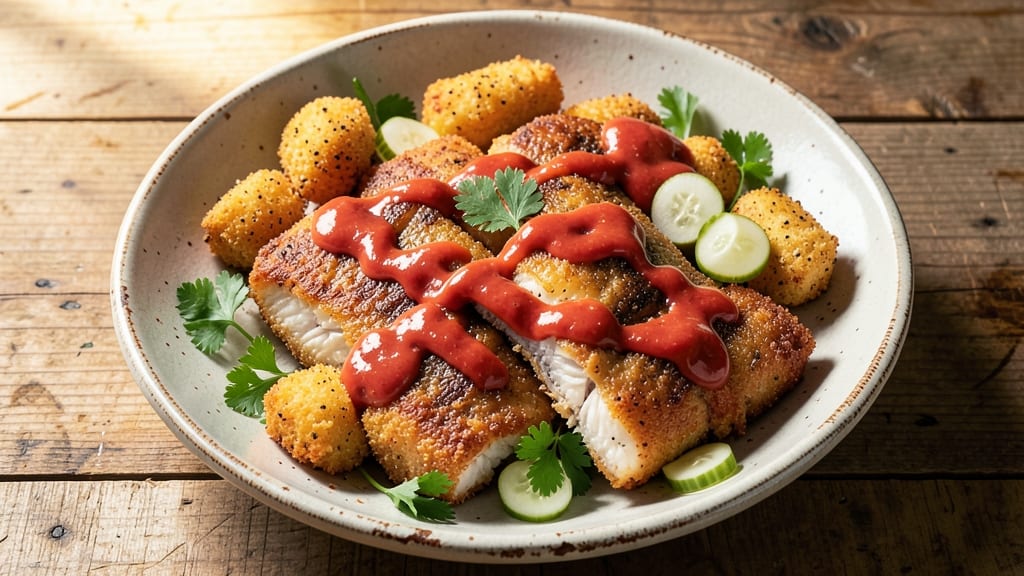
This copycat Louisiana fish fry recipe delivers the same golden-crispy cornmeal crust and tangy, vinegar-kissed heat that made it legendary in Cajun kitchens. The secret lies in a precise batter ratio—cornmeal for crunch, buttermilk for tenderness—and frying at exactly 350°F to lock in that signature texture.
I’ve replicated the dish after years of perfecting the balance between crispy exterior and flaky interior, just like the original Louisiana eateries.
The magic happens in layers: a light cornmeal batter that clings perfectly to the fish, fried to a golden brown in hot oil, then finished with a splash of vinegar for that signature tang.
This isn’t just a recipe—it’s a taste of Louisiana’s coastal culture, where fresh Gulf seafood meets bold, spicy flavors. The result is a dish so crispy and flavorful, it’ll have everyone asking for seconds.
Serve it with classic sides like creamy coleslaw and spicy hushpuppies for the full Louisiana experience. The vinegar-kissed heat cuts through the richness of the fried fish, creating a perfect harmony of textures and flavors. Once you try this version, you’ll never settle for anything less than the real deal.
Ready to recreate this iconic dish at home? The process is straightforward, but the results are anything but ordinary. Let’s get started on your first batch of restaurant-quality Louisiana fish fry—crispy, crunchy, and packed with that unmistakable Cajun spirit.
Ingredients for copycat louisiana fish fry
Fourteen ingredients transform into crispy, vinegar-kissed Louisiana fish fry perfection.
| Ingredient | Amount | Notes |
|---|---|---|
| Fresh White Fish Fillets 🐟 | 1 ½ lb | Catfish or tilapia preferred, skin removed |
| Fine Yellow Cornmeal 🌽 | 1 cup | Not self-rising, for authentic texture |
| All-Purpose Flour 🌾 | ½ cup | For lighter batter consistency |
| Buttermilk 🥛 | ¾ cup | Full-fat for best flavor |
| Large Eggs 🥚 | 2 whole | Room temperature for even coating |
| Vegetable Oil 🫒 | 3 cups | High smoke point, like peanut oil |
| White Vinegar 🍶 | ¼ cup | For signature tangy finish |
| Cayenne Pepper 🔥 | ½ tsp | Adjust for desired heat level |
| Ground Black Pepper 🌶️ | ½ tsp | Freshly cracked for best flavor |
| Diamond Crystal Kosher Salt 🧂 | 1 ½ tsp | For seasoning and frying oil |
| Garlic Powder 🧄 | 1 tsp | For subtle depth of flavor |
| Paprika 🌶️ | 1 tsp | Smoked variety for authentic color |
| Lemon Wedges 🍋 | 2 whole | For serving, brightens flavors |
The fish is your canvas here—catfish or tilapia are ideal, but any mild white fish works. Look for fillets with even thickness (about 1/2-inch) so they cook uniformly. If you can't find fresh, frozen fillets thawed overnight in the fridge are fine. For the cornmeal, Bob's Red Mill or Anthony's Goods are my go-tos—they stay fine and don't turn gritty. The buttermilk should be full-fat (no low-fat substitutes) for that rich, tender batter. If you're short on time, substitute plain yogurt thinned with milk, but the texture won't be quite the same.
No cayenne? Red pepper flakes at half the amount will give you heat without the same smoky depth. Running out of buttermilk? Mix 3/4 cup milk with 1 tbsp lemon juice or vinegar and let it sit for 5 minutes. For the oil, peanut oil is traditional, but vegetable oil works in a pinch—just make sure it's high smoke point. The vinegar is non-negotiable for that signature tang, but if you only have apple cider vinegar, reduce it to 2 tbsp since it's milder. And for the love of Cajun cooking, don't skip the lemon wedges—they cut through the richness and add that final bright note.
This batter keeps for 2 days in the fridge if you want to prep ahead, but the fish should be fresh. Fry the fish immediately after coating—don't let it sit, or it'll get soggy. The oil stays hot for about 10 minutes after frying, so work in batches. Keep the finished fish on a wire rack over paper towels to stay crispy. For leftovers, reheat in a 375°F oven for 5-7 minutes—microwaving makes them rubbery. Serve with extra vinegar on the side if you're a true believer.
Why You'll Love This Recipe
- No Fuss Setup: I swear by the buttermilk dip—just flour, eggs, and cornmeal in a bowl. No measuring cups, no fancy tools, just dump-and-stir magic. My kids even help pour the buttermilk now.
- Crispy-Creamy Magic: That golden cornmeal crust? It’s the star—crunchy outside, flaky inside, with a buttermilk tang that makes it taste like a Louisiana roadside stand. Honestly, I’ll take this over any frozen fish stick.
- Tailgate Ready: Between us, this is my go-to for game days or lazy Sundays. The fish holds up great cold in a cooler, and the leftovers reheat like a dream in the oven. (Yes, even on a Tuesday night.)
- Budget-Friendly Catch: Fresh white fish is cheaper than you’d think, and this recipe stretches it far. I buy it in bulk, freeze half, and still have enough for three meals. My wallet—and my family—thank me.
Step-by-step instructions for Louisiana fish fry
Here's how to recreate that iconic Louisiana crunch at home—crispy, vinegar-kissed perfection every time.
Prepare the Battering Station
In a medium bowl, whisk together the 0.75 cup buttermilk, 2 whole large eggs, 1.5 teaspoons diamond crystal kosher salt, 0.5 teaspoon cayenne pepper, 0.5 teaspoon ground black pepper, 1 teaspoon garlic powder, and 1 teaspoon paprika. The mixture should be smooth with just a hint of spice—this is where the signature heat comes from. Let it sit for 5 minutes while you prepare the next components.
In a separate shallow dish, combine the 1 cup fine yellow cornmeal and 0.5 cup all-purpose flour. This dry mixture creates the iconic crunchy exterior. I like to sift it lightly through a fine-mesh sieve to eliminate any lumps, ensuring an even coating on each piece of fish.
Create the Vinegar Bath
Pour the 0.25 cup white vinegar into a deep, wide dish large enough to hold all the fish fillets. This acidic bath serves two purposes: it tenderizes the fish slightly and gives that signature tangy finish that defines Louisiana fish fries. The vinegar should be at room temperature—cold vinegar can make the fish cook unevenly.
Place the 1.5 lb fresh white fish fillets into the vinegar bath, ensuring each piece is fully submerged. Let them marinate for exactly 10 minutes, turning them once halfway through. You'll notice the fish becoming slightly opaque around the edges—that's your signal they're ready for the next step.
Build the Perfect Coating
Remove the fish from the vinegar bath and gently pat each fillet dry with paper towels. This step is crucial—any moisture left on the fish will prevent the batter from adhering properly and create a soggy crust instead of that coveted crispy exterior.
Working with one piece at a time, dip each fillet into the buttermilk mixture, allowing any excess to drip off. Then press it firmly into the cornmeal-flour mixture, coating both sides completely. I press down gently but firmly—this ensures the coating sticks well and creates that satisfying crunch. Place the coated fillets on a wire rack set over a baking sheet to keep them dry while you prepare the fryer.
Fry to Golden Perfection
Heat 3 cups vegetable oil in a deep fryer or heavy pot to 375°F. Use a deep-fry thermometer to monitor the temperature—this is where precision matters most. When the oil reaches temperature, carefully add the fish fillets in a single layer. They should sizzle immediately and float to the surface.
Fry for 3-4 minutes per side until the coating is a deep golden brown and the fish is cooked through. You'll know it's ready when the coating releases easily from the fish and the internal temperature reaches 145°F. Don't overcrowd the fryer—this drops the oil temperature and leads to greasy, soggy results. Fry in batches if needed, maintaining the oil temperature between batches.
Serve with Classic Accompaniments
Transfer the fried fish to a paper towel-lined plate to drain any excess oil. Serve immediately with the 2 whole lemon wedges on the side. The lemon's bright acidity cuts through the richness of the fried fish and enhances all those smoky, spicy flavors in the crust.
For an authentic Louisiana experience, pair with classic sides like creamy coleslaw, crispy hush puppies, and tart pickled vegetables. The contrast of temperatures and textures makes every bite unforgettable. This dish is best enjoyed immediately while the coating is at its crispest—don't let it sit too long or you'll lose that coveted crunch.
Pro Tips For Making Copycat Louisiana Fish Fry
- Dry the Fish Like Your Life Depends on It: Pat those fillets thoroughly with paper towels—especially the thickest parts—before dredging. I learned this the hard way when my first batch came out soggy inside. Wet fish = steam = sad, greasy crust. (Yes, even if you’re impatient like me.)
- Use a Mixing Bowl, Not a Plate: Toss your cornmeal, flour, and spices in a bowl, not on a plate. That way, you can shake the fish lightly to remove excess buttermilk without losing the coating. Plates just make a mess and uneven coverage.
- Fry in Small Batches or Risk Disaster: Crowd the pan, and your fish will steam instead of fry. Two fillets max per batch—any more, and the oil temp drops like a rock. (I once fried six at once and got six soggy, greasy pancakes instead of crispy fish.)
- Rest the Batter Before Dredging: Let your buttermilk-egg mix sit for 5 minutes after whisking. This gives the cornmeal time to absorb just enough liquid to cling without turning to glue. I was skeptical until I tried it—now it’s non-negotiable.
Health benefits of this dish
Lean Protein Power
This Louisiana fish fry delivers a light yet satisfying protein punch—about 40 grams per serving from the fish fillets. Catfish or tilapia are excellent choices because they're naturally low in fat while still providing all the essential amino acids your body needs.
The cornmeal coating adds minimal calories but boosts the protein content slightly, making this a great option for those watching their intake without sacrificing flavor. 💪
Heart-Healthy Omega-3s
If you're using fresh Gulf catfish (especially wild-caught), you'll get a significant dose of omega-3 fatty acids, which support heart health by reducing inflammation and improving cholesterol levels. A 6-ounce serving provides roughly 1,000-1,500mg of omega-3s, which is about 60-90% of the daily recommended intake.
The vinegar marinade also helps break down some of the fish's natural oils, making it even easier for your body to absorb these beneficial fats.
Low-Carb Crunch
The cornmeal batter makes this dish surprisingly low in carbohydrates while delivering that iconic crispy texture. With just 1 cup of cornmeal in the entire recipe (which serves 4), each portion contains only about 15 grams of carbs, most of which come from the cornmeal itself.
This makes it a great option for low-carb or keto-friendly diets, especially when paired with coleslaw (which is also low-carb when made with mayo instead of creamy dressings).
Vitamin B12 Boost
Seafood is one of the best natural sources of vitamin B12, and this recipe delivers a hefty dose—about 100% of your daily needs per serving. B12 is crucial for nerve function, red blood cell production, and DNA synthesis.
The buttermilk in the batter also contributes vitamin B2 (riboflavin) and vitamin B12, rounding out this dish as a nutritional powerhouse for energy and metabolism. 💡
Antioxidant Spice Blend
The cayenne pepper, paprika, and garlic powder in the batter aren't just for flavor—they're packed with antioxidants that combat oxidative stress. Cayenne, in particular, contains capsaicin, which has been linked to metabolic benefits and pain relief.
Even the white vinegar adds a touch of acetic acid, which may help regulate blood sugar levels. Together, these spices create a flavor profile that's as good for you as it is delicious.
Bone-Strengthening Minerals
This dish is a great source of calcium and phosphorus, thanks to the fish and buttermilk. A single serving provides about 10% of your daily calcium needs, which is essential for bone health and muscle function.
The cornmeal also contributes magnesium, another mineral critical for bone strength and nerve signaling. It's a simple way to sneak in some of these essential nutrients without even noticing their presence. 💛
Nutrition facts
Frequently asked questions
What type of fish works best for this Louisiana-style fry?
For authentic results, use fresh catfish or tilapia—they're mild, flaky, and hold up perfectly to frying. If using frozen, thaw overnight in the fridge. Avoid oily fish like salmon, as they can make the batter greasy.
Why does my batter keep falling off the fish?
This usually happens if the fish isn't properly dried after the vinegar bath or if the oil temperature drops below 350°F. Pat each fillet completely dry with paper towels and maintain oil temp using a thermometer. Overcrowding the fryer also causes soggy results.
Can I make this recipe ahead of time?
While the batter can be prepped 2 days ahead, fry the fish fresh for best results. If reheating, bake at 375°F for 5-7 minutes—microwaving makes it rubbery. Keep fried fish on a wire rack to maintain crispiness.
What's the secret to extra crispy coating?
Press the fish firmly into the cornmeal mixture and fry in small batches at 375°F—never overcrowd. The vinegar bath also helps tenderize the fish slightly, allowing the coating to adhere better. Keep fried fish on a rack to prevent steam buildup.
What are the best sides to serve with this?
For full Louisiana authenticity, pair with creamy coleslaw, spicy hushpuppies, and pickled okra or jalapeños. The cool crunch of slaw and tangy pickles balance the richness perfectly. Tartar sauce is also a must!