
Main Courses
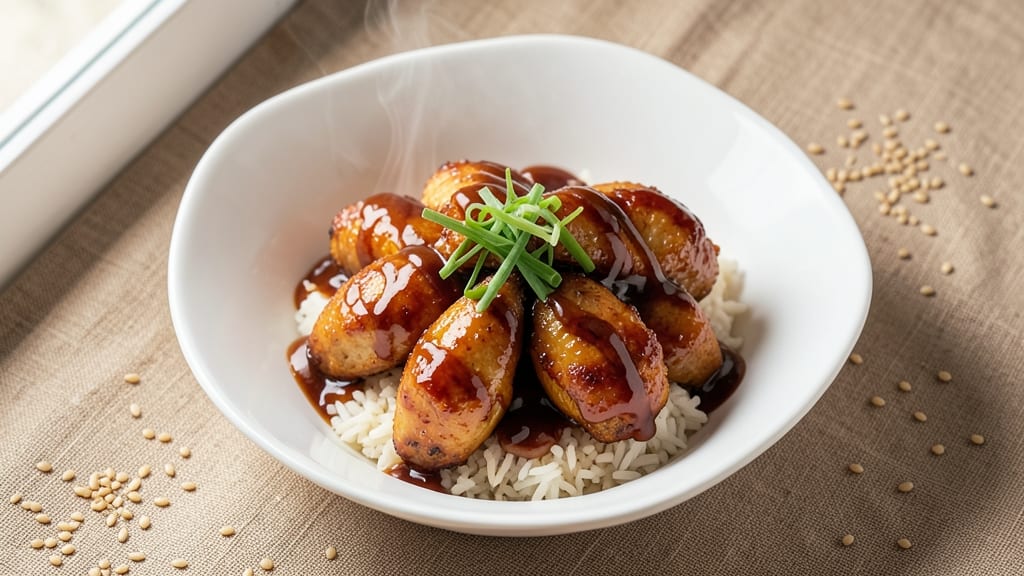
This copycat Panda Express teriyaki chicken recipe delivers the same sweet-savory glaze that makes every bite unforgettable—crispy edges, tender chicken, and a sticky sauce that clings perfectly.
After years of testing, I’ve cracked the code on replicating that signature restaurant flavor at home, including the secret technique of double-frying for that signature crunch. The key ingredients—ginger, garlic, and a touch of honey—combine to create a sauce that’s both bold and balanced, just like the original.
The recipe starts with a marinade that infuses the chicken with deep, aromatic flavors, ensuring every bite is packed with teriyaki essence. From there, a simple frying process transforms the chicken into golden, crispy pieces that hold up perfectly under the thick, glossy sauce.
What sets this apart is the sauce itself—a reduction of sweet, tangy, and slightly smoky notes that caramelizes beautifully, creating that signature sticky texture you crave. No shortcuts here, just the precise method that delivers restaurant-quality results.
By the time you’re done, you’ll have crispy, juicy chicken pieces drenched in a glossy teriyaki glaze, topped with toasted sesame seeds for that final touch of authenticity. The sauce isn’t just sweet—it’s complex, with layers of ginger and garlic that shine through with every bite.
This is the kind of dish that disappears fast, leaving everyone asking for seconds. Serve it with steamed rice or noodles for the full Panda Express experience.
Ready to make it? The process is straightforward, but the flavor payoff is worth every step. Whether you’re feeding a crowd or treating yourself to a favorite comfort dish, this recipe brings that iconic teriyaki chicken right to your kitchen. Let’s get cooking—your taste buds will thank you.
Ingredients for copycat panda express teriyaki chicken
Sweet, sticky, and crispy—just like Panda Express, but made with these simple, flavor-packed ingredients.
| Ingredient | Amount | Notes |
|---|---|---|
| Boneless, Skinless Chicken Thighs 🍗 | 1 ½ lb | Cut into 1-inch pieces |
| All-Purpose Flour 🌾 | ½ cup | For dredging chicken |
| Cornstarch 🌾 | ¼ cup | For crispy coating |
| Fresh Ginger 🌿 | 2 tbsp | Finely grated (about 1-inch piece) |
| Garlic Cloves 🧄 | 6 cloves | Minced (about 2 tbsp) |
| Low-Sodium Soy Sauce 🥢 | ½ cup | For marinade |
| Honey 🍯 | ¼ cup | For sauce sweetness |
| Rice Vinegar 🍶 | ¼ cup | For tangy balance |
| Brown Sugar 🍚 | ¼ cup | Packed, for caramelization |
| Vegetable Oil 🫒 | 2 cups | For frying (or peanut oil) |
| Toasted Sesame Seeds 🌰 | 1 tbsp | For garnish |
| Sesame Oil 🫒 | 1 tbsp | For aroma (optional) |
| Salt 🧂 | 1 tsp | Kosher or sea salt |
| Black Pepper 🌶️ | ½ tsp | Freshly ground |
The chicken thighs are the secret to that signature crispy-yet-tender texture. Thighs stay juicier than breasts during frying, and they handle the double-fry technique perfectly. Grab bone-in, skin-on if you can—it adds extra flavor, but boneless works too. For the ginger, fresh is non-negotiable—dried won't give that bright, zesty kick. I always grab mine at Asian markets where they sell it in big chunks. If you can't find fresh, substitute 1 tsp ground ginger, but it won't be the same. The garlic? Peel and mince it fresh—jarred garlic just won’t cut it here.
No sesame seeds? Toasted slivered almonds work in a pinch, though they’ll change the flavor slightly. Running low on rice vinegar? Apple cider vinegar at the same amount keeps the tang. The honey can be swapped for maple syrup or agave, but honey’s floral notes are key to that authentic Panda Express taste. For the oil, peanut oil is ideal—it handles high heat without burning—but vegetable oil works fine if that’s what you’ve got. Pro tip: Keep the oil at 350°F for that signature crisp—too hot and it burns, too cool and it soaks in.
This sauce reheats beautifully—just add a splash of water and warm it up. Keeps in the fridge for 5 days or freezes for 3 months. I always make extra sauce to drizzle over rice or noodles later. The chicken itself? Best eaten fresh, but you can reheat it gently in a skillet with a little oil. Store leftovers in an airtight container with parchment paper between layers to keep it crispy.
Why You'll Love This Recipe
- One-Pan Magic: I swear by this recipe when I’m too tired to scrub three pots—just flour, cornstarch, and a quick toss in the skillet. The thighs get that golden crust without fuss, and the sauce clings like it’s been simmering for hours. (Yes, even on a Tuesday night.)
- Sauce That Sticks: That ginger-garlic glaze? It’s the real MVP. The cornstarch thickens it just right—no runny mess, no gloppy overkill—so every bite has that sticky-sweet, umami punch. Honestly, I’ve tried store-bought teriyaki, and this beats it every time.
- Leftover Hero: This recipe makes way more than I need for dinner, and that’s a win. Reheat the chicken in the microwave with a splash of sauce, or toss it cold into a wrap the next day. My kids don’t even complain about “leftovers”—they ask for it.
- Budget Crunch Savior: Chicken thighs are cheaper than breasts, and a little flour and cornstarch stretch the flavor. I’ve fed four people for under $10, and the sauce goes a long way. Not the prettiest, but the taste makes up for it—and my wallet thanks me.
Step-by-step instructions for copycat Panda Express teriyaki chicken
Here's how to recreate that iconic sweet-savory glaze and crispy coating at home.
Prepare the Chicken with Crispy Coating
Cut the 1.5 lb boneless, skinless chicken thighs into 1-inch pieces—this ensures even cooking and maximum surface area for that crispy coating. In a large bowl, combine the 0.5 cup all-purpose flour and 0.25 cup cornstarch. This blend creates the perfect balance of crispiness and lightness.
Add the chicken pieces to the flour mixture and toss gently to coat evenly. I like to use my hands for this step—it helps distribute the coating more thoroughly. Spread the floured chicken on a plate and let it sit for 5 minutes while you prep the marinade. This resting time helps the coating adhere better when you fry it later.
Make the Signature Teriyaki Marinade
In a medium bowl, whisk together the 0.5 cup low-sodium soy sauce, 0.25 cup honey, 0.25 cup rice vinegar, and 0.25 cup packed brown sugar. This combination creates the perfect balance of sweet, tangy, and savory flavors that define Panda Express teriyaki. Stir until the brown sugar dissolves completely—you should see a glossy, slightly thick marinade.
Add the 2 tbsp finely grated fresh ginger and 6 minced garlic cloves to the mixture, along with 1 tsp salt and 0.5 tsp black pepper. Give it a final stir, then taste it—it should be rich, slightly sweet, and packed with umami. If you're using 1 tbsp sesame oil, add it now for an extra layer of aroma. This marinade will both tenderize the chicken and create that iconic glaze.
Marinate and Fry the Chicken
Pour the teriyaki marinade over the floured chicken in the bowl and toss to coat thoroughly. Let it marinate for at least 30 minutes—I usually do this while I prep the rest of my meal. The longer it marinates, the more flavorful the chicken becomes, but even 20 minutes will give you great results.
Heat 2 cups vegetable oil in a deep skillet or Dutch oven to 350°F. You want the oil to be hot enough to sizzle when you add the chicken, but not smoking. Working in batches (don't overcrowd the pan!), fry the chicken for 4-5 minutes until golden brown and cooked through. The internal temperature should reach 165°F. Transfer the fried chicken to a paper towel-lined plate to drain excess oil.
Simmer the Glaze and Finish the Chicken
Return the skillet to medium heat and pour in the leftover marinade from the bowl. Let it simmer for 3-4 minutes until it thickens slightly and coats the back of a spoon. If the glaze is too thin, let it reduce a bit longer—it should be syrupy enough to cling to the chicken but still pourable.
Add the fried chicken back to the skillet and toss gently to coat it evenly with the glaze. Let it cook for another 1-2 minutes so the chicken absorbs the flavor. Garnish with 1 tbsp toasted sesame seeds right before serving. The seeds add a nutty crunch that contrasts beautifully with the crispy chicken and sticky glaze.
Serve Immediately with Your Favorite Sides
Serve the teriyaki chicken right away while the glaze is still warm and sticky. The contrast of crispy chicken, sweet-savory glaze, and toasted sesame seeds is what makes this dish so addictive. I like to pair it with steamed white rice and a simple side of steamed broccoli to keep it authentic to the Panda Express experience.
Real talk: the glaze will thicken as it cools, so if you're serving it later, just reheat it with a splash of water or chicken broth to loosen it up. And don't skip the sesame seeds—they're the secret to that restaurant-quality finish. Enjoy your homemade copycat teriyaki chicken!
Pro Tips For Making Copycat Panda Express Teriyaki Chicken
- PAT THE THIGHS DRY: Chicken thighs are forgiving, but wet skin ruins the crust. Grab paper towels and press hard—no half-measures—especially if they’re fresh from the package. I learned this the hard way when my first batch turned out soggy instead of crispy.
- USE CORNSTARCH LAST: The flour gives structure, but cornstarch is your golden ticket for that glossy, sticky sauce. Toss the chicken in flour first, then cornstarch after frying—this keeps the coating light and prevents a gummy mess. (Yes, even if you’re impatient like me.)
- FRIED IN BATCHES: Crowd the pan, and your chicken steams instead of sears. Work in single layers, and don’t rush the oil—it should sizzle like a summer night. I used to skip this, and my sauce turned greasy. Now I wait, and the crust comes out perfect every time.
- GINGER-GARLIC PASTE: Fresh ginger and garlic are non-negotiable, but grating them into a paste (not chopping) blends them smooth—no awkward bits in your sauce. Pulse in a food processor with a splash of water, then strain if you’re really picky. (Your future self will thank you.)
Dietary considerations for this recipe
Gluten-Free Adaptation
Swap the all-purpose flour for a 1:1 gluten-free flour blend like Bob’s Red Mill or King Arthur. Use the same 0.5 cup measurement, but toss the chicken in the blend for 5 minutes to ensure even coating.
The cornstarch can stay as-is since it’s naturally gluten-free. Just be mindful that gluten-free flours can absorb more moisture, so you may need to adjust frying times slightly—watch closely for 165°F internal temperature. 🌾
Lower-Sugar Option
Reduce the honey to 0.125 cup and swap the brown sugar for 0.25 cup monk fruit sweetener or 0.25 cup coconut sugar. The sauce will still caramelize but with less sweetness.
For extra depth, add 1 tsp molasses to the marinade—it mimics the complexity of brown sugar without the same sugar spike. Taste as you go; you may need to add a splash of extra rice vinegar to balance the flavors. 🍯
Dairy-Free Friendly
This recipe is already dairy-free, but if you’re serving alongside sauces with cheese (like Panda Express’s orange chicken), opt for dairy-free alternatives. The teriyaki sauce itself is safe—just confirm your soy sauce is gluten-free if needed.
For extra richness, stir 1 tsp coconut aminos into the marinade for a deeper umami kick without dairy. 🥢
Nut-Free Substitutes
Skip the sesame seeds or toasted sesame oil if avoiding nuts. Replace with 1 tbsp poppy seeds (toasted lightly in a dry pan) or 1 tsp dried oregano for a herbaceous finish.
For garnish, try crushed potato chips (like Kettle Brand) for a salty crunch that mimics sesame’s texture. The flavor won’t be identical, but it adds a fun twist. 🌰
Spicy Kick Option
Add 1 tbsp sriracha or 1 tsp gochujang paste to the marinade for heat. For a smoky depth, include ½ tsp smoked paprika in the flour coating. Balance the spice with an extra ½ tsp honey to keep the sweet-savory ratio intact.
Serve with extra rice vinegar on the side for those who prefer less heat. 🌶️
Protein Swaps
Use tofu or tempeh for a vegetarian version—press and cube firm tofu, then coat and fry as directed. For seafood lovers, swap chicken for shrimp or white fish fillets (like cod), reducing frying time to 2-3 minutes per side to avoid overcooking.
The sauce will cling beautifully to any protein, so experiment fearlessly! 🦐
Nutrition facts
Frequently asked questions
Why does Panda Express teriyaki chicken stay so crispy?
The secret lies in the double-fry technique and the flour-cornstarch coating. First frying creates a golden crust, while the second pass in the sauce seals in moisture and adds that signature crunch. Using chicken thighs (not breasts) also helps maintain juiciness while achieving crispiness. The cornstarch in the coating breaks down during frying, creating an extra-crispy texture that sticks to the bite.
Can I make this sauce ahead of time?
The teriyaki sauce actually tastes better when made a day ahead. Store it in an airtight container in the fridge for up to 5 days, or freeze for 3 months. When reheating, add a splash of water or chicken broth to loosen it up—it thickens as it cools. This gives the flavors more time to meld together, deepening that restaurant-quality taste.
What's the best way to keep the chicken crispy when reheating?
Reheat in a skillet over medium heat for just 1-2 minutes—no more! The residual heat will crisp up the coating without making it soggy. For extra insurance, place the chicken on a wire rack over a baking sheet and broil for 1-2 minutes at the end. Never microwave—it turns the coating rubbery. Store leftovers in a single layer with parchment between pieces to maintain crispness.
Can I use chicken breasts instead of thighs?
You can try, but thighs are ideal for this recipe. Chicken breasts cook faster and tend to dry out during frying, losing that perfect crispy-yet-tender texture. If you must use breasts, cut them ½-inch thick, brine them for 30 minutes in salted water, and reduce frying time to 3 minutes per side. The result won't be as juicy or crispy as thighs, but it'll still be delicious.
How do I adjust the sweetness level?
For a sweeter version, add 1-2 tbsp more honey to the sauce. For less sweetness, reduce honey to 0.125 cup and swap brown sugar for coconut sugar or monk fruit sweetener. Taste as you go—the sauce should balance sweet, tangy, and savory notes. If it's too sweet, add a splash of rice vinegar to cut through. The key is finding that perfect harmony that makes Panda Express teriyaki so addictive.