Appetizers
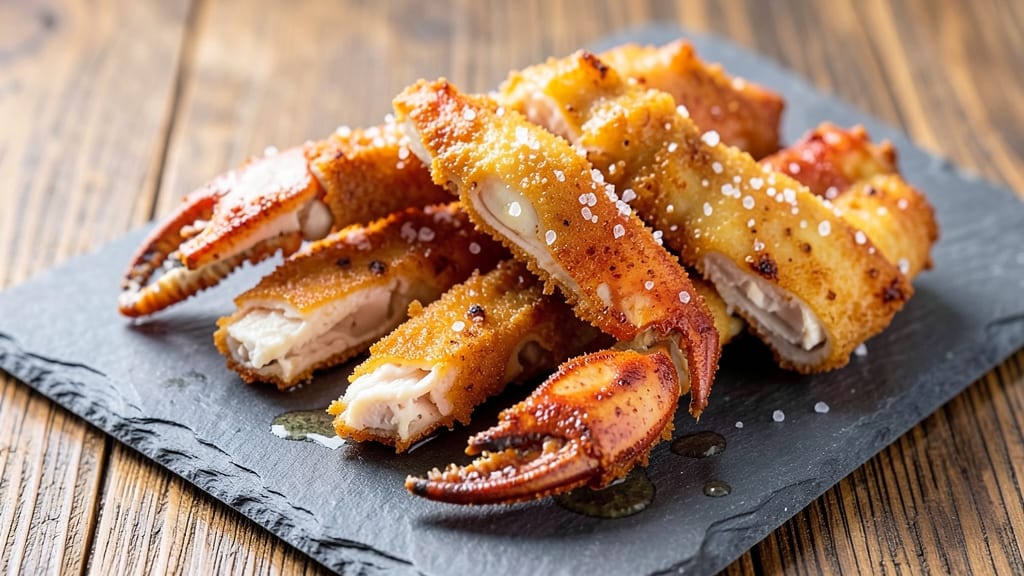
Creating deep fried snow crab legs that deliver buttery crisp gold crusts with perfectly juicy pink hearts is an art I've perfected after years of testing—each bite should shatter with satisfying crunch while revealing tender, sweet crab beneath.
The secret lies in proper thawing, precise batter ratios, and maintaining oil temperature between 375°F and 385°F, which transforms these delicate seafood legs into restaurant-worthy appetizers without overcooking.
This method requires just five essential ingredients for the batter—all-purpose flour, cornstarch, baking powder, salt, and ice water—but the technique is what elevates it from good to exceptional. I've developed a foolproof dredging process that ensures even coating while preventing excess moisture from steaming the crab during frying.
The result? Crispy shells that stay crisp, not soggy, with crab meat that remains moist and flavorful.
What you'll achieve is a plate of golden-brown crab legs that look as impressive as they taste—crispy enough to satisfy any seafood lover's craving for texture, yet tender enough to melt in your mouth.
The buttery aroma alone will draw everyone to the table, and with just 10 minutes of active prep time followed by 3-4 minutes per batch in hot oil, these become your go-to showstopper for parties, holidays, or anytime you want to impress.
Serve immediately with lemon wedges and cocktail sauce for dipping to balance the richness, or arrange on a platter with melted garlic butter for dipping.
The key to success is working in small batches to maintain oil temperature, and I'll walk you through every step—from properly thawing the crab to achieving that perfect golden color without burning. Let's get started on creating crab legs that will have your guests reaching for seconds.
Ingredients for deep fried snow crab legs
Five key ingredients transform frozen crab into golden, crispy perfection with juicy pink centers.
| Ingredient | Amount | Notes |
|---|---|---|
| Live Snow Crab Legs 🦀 | 1 ½ lb | Thawed overnight in fridge |
| All-Purpose Flour 🌾 | 1 cup | Light and sifted for smooth batter |
| Cornstarch 🌾 | ¼ cup | For extra crispiness |
| Baking Powder 🍞 | 1 tsp | Aluminum-free preferred |
| Fine Sea Salt 🧂 | 1 tsp | Diamond Crystal preferred |
| Ice Water 💧 | ½ cup | Freshly chilled for batter |
| Vegetable Oil 🫒 | 4 cups | High smoke point, like Crisco |
| Lemon Wedges 🍋 | 4 whole | For serving, fresh squeezed |
| Cocktail Sauce 🍅 | ½ cup | Homemade or store-bought |
| Garlic Butter 🧈 | ½ cup | Melted for dipping sauce |
The crab is non-negotiable—live snow crab legs are a must for that sweet, tender meat. Costco or local seafood markets usually carry them frozen, but check the thaw date. If you're buying frozen, plan to thaw them overnight in the fridge—never microwave, or you'll end up with rubbery meat. Look for legs that still have their shells intact and smell fresh, not fishy. The 1.5 lb serves 4 generously, perfect for appetizers or a light main. For parties, double the batch—just keep the oil temp steady.
No cornstarch? Extra flour works, but you'll lose some crispiness. The baking powder is crucial—skip it, and your batter won't rise properly. For the oil, vegetable or canola oil works best (high smoke point), but avoid olive oil—it burns too easily. The ice water keeps the batter light and prevents soggy crusts. Pro tip: chill your batter for 30 minutes before dredging—it makes all the difference. And if you're short on time, use frozen crab legs that are fully thawed, but pat them very dry with paper towels first.
Keep the oil at 375°F–385°F—any hotter, and the crab overcooks; any cooler, and the crust won’t crisp. Use a deep-fry thermometer (they’re cheap and worth it). The crab legs stay crisp for about 10 minutes after frying, so work in batches. Store leftover cocktail sauce in the fridge for up to 1 week, and the garlic butter keeps for 3 days in the fridge. For a crowd, fry ahead and reheat in a 200°F oven for 5 minutes—just watch closely to avoid drying out.
Why You'll Love This Recipe
- Here’s what sold me: that first bite’s crunch gives way to tender, sweet crab meat—like biting into a cloud with a cracker shell. The baking powder’s the trick; it keeps the crust light while the cornstarch locks in that addictive crunch. (Yes, even on a Tuesday night.)
- Few Ingredients, Big Payoff: I swear by this combo—just flour, cornstarch, baking powder, and salt. That’s it. The secret’s in the double-dredge: first dip in the dry mix, then a quick second coat for that golden crunch that shatters like glass but melts in your mouth. No fancy marinades, no waiting—just pure, buttery satisfaction.
- Crispy-Creamy Magic: Here’s what sold me: that first bite’s crunch gives way to tender, sweet crab meat—like biting into a cloud with a cracker shell. The baking powder’s the trick; it keeps the crust light while the cornstarch locks in that addictive crunch. (Yes, even on a Tuesday night.)
- Party Ready in 20: Throw these on the menu for game day, dinner parties, or just because. They’re showstopper without the fuss—no fancy plating, no last-minute stress. Serve with lemon wedges and a cold beer, and suddenly you’re the host everyone remembers. (My daughter picks out the claws first, but still asks for seconds.)
Instructions for crispy, juicy deep fried snow crab legs
Here's how to achieve perfect golden crust with tender pink crab meat every time.
Prepare the Crab Legs for Frying
Start by thawing the 1.5 lb live snow crab legs overnight in the refrigerator. This ensures even cooking and prevents the meat from becoming rubbery. Once thawed, use kitchen shears to carefully cut through the rubber bands securing each leg. Don't remove the shell completely—leave the top shell intact to protect the delicate meat during frying.
Pat the crab legs completely dry with paper towels, pressing firmly to remove all moisture. Any remaining water will prevent the batter from adhering properly and create a soggy crust. I like to work with one leg at a time to keep them dry while I prepare the batter. The legs should feel completely dry to the touch before proceeding.
Make the Light, Crispy Batter
In a medium bowl, whisk together the 1 cup all-purpose flour, 0.25 cup cornstarch, 1 teaspoon baking powder, and 1 teaspoon fine sea salt. Sifting these dry ingredients first prevents lumps in your batter. I use a fine-mesh sieve for this step to ensure a silky-smooth texture that will create that perfect crispy crust.
Gradually whisk in the 0.5 cup ice water until just combined. The batter should be smooth and slightly thicker than pancake batter—it should coat the back of a spoon but still flow easily. If it's too thick, add 1 tablespoon more ice water. This cold batter is crucial for creating a light, airy crust that will fry up beautifully golden.
Heat the Oil to Perfect Frying Temperature
Fill a deep pot or Dutch oven with the 4 cups vegetable oil and place it over medium heat. Insert a deep-fry thermometer and heat the oil until it reaches 375°F. This temperature is critical—too low and the crab will absorb oil and become greasy; too high and the outside will burn before the inside cooks through.
Test the oil's readiness by dropping a small piece of batter into the oil. It should sizzle immediately and float to the surface within 5 seconds. If it sinks slowly or doesn't sizzle, the oil isn't hot enough. Give it another 2-3 minutes to reach the proper temperature. Keep the oil at this temperature throughout frying for consistent results.
Fry the Crab Legs to Golden Perfection
Working in batches to avoid crowding, dip each crab leg into the batter, letting any excess drip off before carefully sliding it into the hot oil. Fry for 2-3 minutes per side, turning with tongs, until the batter turns a beautiful golden brown color. The crab should feel firm to the touch and the batter should be crispy when you press it gently with tongs.
Don't overcrowd the pot—frying too many at once will lower the oil temperature and result in greasy crab. Transfer the fried crab to a wire rack set over a paper towel-lined plate to drain excess oil. The legs will continue cooking slightly from the residual heat, so remove them just before they reach your desired doneness.
Serve Immediately with Classic Dipping Sauces
Arrange the crispy crab legs on a serving platter and immediately serve with the 4 whole lemon wedges and the 0.5 cup cocktail sauce. The lemon wedges add a bright contrast to the rich, buttery crab, while the cocktail sauce provides a tangy complement that cuts through the richness.
For an extra special touch, warm the 0.5 cup garlic butter in a small saucepan over low heat until melted and fragrant. Serve this warm garlic butter on the side for dipping. The combination of crispy batter, juicy pink crab meat, and these complementary sauces creates a restaurant-quality seafood experience you can make at home.
Pro Tips For Making Deep Fried Snow Crab Legs
- Thaw Properly First: If you’re using frozen crab legs, don’t just toss them in boiling oil—thaw them in cold water with ice for 20-30 minutes first. I learned this the hard way when my crust turned to soup because frozen meat steamed instead of fried. The legs should be just pliable, not rock-hard or mushy.
- Mix Dry Coat Well: Combine flour, cornstarch, baking powder, and salt thoroughly in a bowl—don’t just eyeball it. Baking powder is the leavening agent here, and if it’s clumped, your crust will be dense instead of light. Sift it first if you’re lazy, or just stir like you’re breaking up a stubborn clump of butter.
- Keep Oil Hotter Than You Think: Use a deep fry thermometer—375°F (190°C) is your target, not the "medium-high" guesswork. Oil that’s too cool gives greasy, soggy crusts, and too hot burns the outside before the inside cooks. If you don’t have a thermometer, test with a wooden chopstick: it should sizzle immediately when dropped in.
- Fry in Batches, But Don’t Crowd: Two legs at a time is the sweet spot—any more and the oil temp drops, making the crust uneven. I used to jam in four and wondered why my second batch tasted like fried cardboard. Give them space, and flip once after 2 minutes for that perfect golden crunch.
Common mistakes when making great deep fried snow crab legs
Skipping the Thaw
Frying frozen crab legs directly is a rookie mistake that guarantees rubbery meat. The ice crystals expand during frying, creating steam that turns your crispy crust into a soggy mess. Always thaw overnight in the fridge—never microwave or use cold water, as both methods create uneven thawing and moisture pockets.
I've ruined more batches than I care to admit by skipping this step. 🦀
Uneven Oil Temperature
Letting the oil temperature drop below 375°F or fluctuate while frying causes greasy, uneven cooking. Crowding the pot or frying too many legs at once lowers the temperature dramatically.
Use a deep-fry thermometer and maintain batches of 2-3 legs max. I recommend a 6-quart Dutch oven for this recipe—it gives enough room without overcrowding.
Overmixing the Batter
Whisking the batter until smooth is key, but overmixing develops gluten that makes the crust tough and chewy. Stop mixing as soon as the batter comes together—just a few lumps are fine. I like to use a fork instead of a whisk for the final mix to avoid overworking.
The batter should be thick enough to coat the back of a spoon but still flow freely. 🥄
Not Drying the Crab Properly
Even a tiny bit of moisture on the crab legs prevents the batter from adhering properly. After thawing, pat them dry with paper towels, pressing firmly to absorb all moisture. I double up on towels for stubborn spots.
Wet crab causes the batter to steam off during frying, leaving you with a greasy, uncrispy result. Trust me, this is one step you can't rush.
Frying Too Long
Crab meat cooks in seconds—overfrying turns it rubbery while the crust burns. The ideal time is 2-3 minutes per side at 375°F. Watch closely and remove when the batter reaches golden brown.
I use a timer and set it for 2 minutes as a starting point, then adjust based on your oil's consistency. The crab will continue cooking slightly after removal, so pull it out just before it looks perfect.
Using Wrong Oil
Olive oil or low-smoke-point oils like peanut oil burn too easily and create bitter flavors. Stick to vegetable, canola, or avocado oil with a smoke point above 400°F. I prefer Crisco vegetable shortening for its stability at high heat.
Reuse oil for up to 3 batches if properly strained between uses, but never reuse oil that's been used for raw meat or poultry.
Nutrition facts
Frequently asked questions
Can I use frozen snow crab legs instead of thawed ones?
Never fry frozen crab legs directly—the ice crystals will create steam during frying, turning your crispy crust into a soggy mess. Always thaw overnight in the fridge first. If you're short on time, use frozen legs that are fully thawed (no ice crystals), but pat them extremely dry with paper towels before dredging.
How do I keep the batter from getting soggy?
Use ice water for the batter and chill it for 30 minutes before dredging. Also, make sure your crab legs are completely dry—any moisture will cause the batter to steam off during frying. Fry in batches of 2-3 legs max to maintain oil temperature at 375°F, which prevents greasiness.
What's the best way to reheat leftover fried crab legs?
Reheat in a 200°F oven for 5 minutes on a wire rack to maintain crispiness. Never microwave—it turns the crust rubbery. For extra crunch, broil for 1-2 minutes at the end, but watch closely to avoid burning. Leftover crab stays crisp for about 10 minutes after frying, so work in small batches.
Can I substitute cornstarch with something else?
Yes, but your crust won't be as crispy. Replace the 0.25 cup cornstarch with 0.25 cup extra flour or 0.25 cup rice flour. For best results, use the cornstarch—it creates that signature light, airy texture. If you're gluten-free, use a 1:1 gluten-free flour blend and add 1 tsp xanthan gum to the batter.
How many people does this recipe serve?
This recipe serves 4 people as an appetizer (about 2 legs per person). For a main course, you'll need 3-4 legs per person. If serving as part of a seafood platter, double the batch—just maintain the 375°F oil temperature and fry in batches to avoid greasy results.