
Main Courses
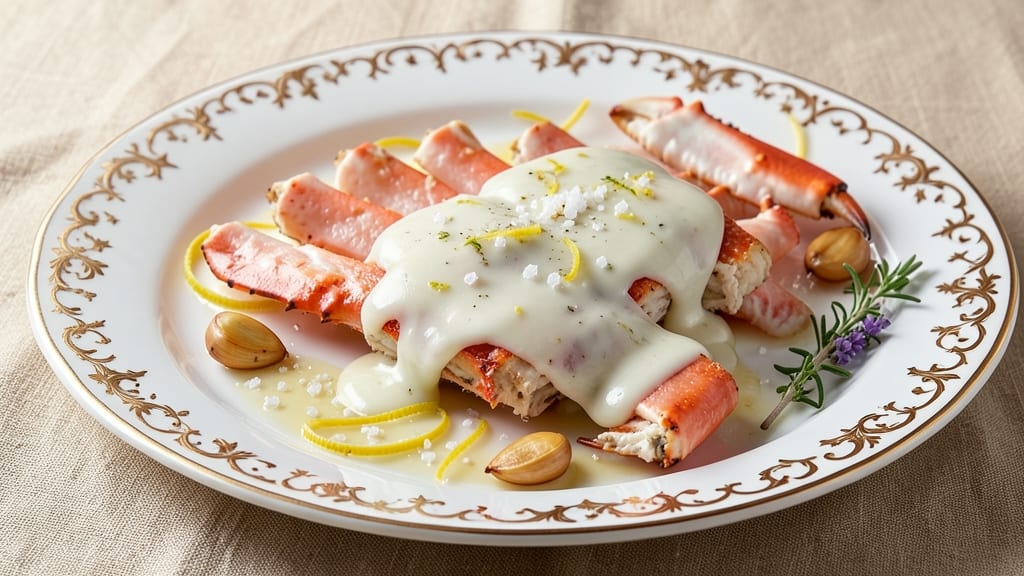
Mastering deshelled crab legs recipe transforms a delicate seafood centerpiece into a luxurious dish that feels like a restaurant experience at home. I spent years perfecting this technique—starting with my grandmother’s Sunday roast chicken—because tender crab deserves careful handling.
The secret lies in poaching, where garlic butter creates velvety richness without overpowering the natural sweetness of the meat.
This recipe delivers restaurant-quality results in just 30 minutes, using simple ingredients that work together perfectly. Fresh crab legs, melted butter, and aromatic garlic form the foundation, while lemon adds a bright contrast.
The key is maintaining precise heat control to ensure tender texture without drying out the delicate meat.
By the end, you’ll have perfectly poached crab legs with a golden sheen and melt-in-your-mouth tenderness. The garlic butter clings beautifully, and the lemon brightens each bite—ideal for a special dinner or elegant gathering.
Serve with drawn butter, corn on the cob, or a crisp citrus salad for a complete meal.
Whether you’re cooking for two or hosting a dinner party, this method guarantees success every time. The technique is foolproof, and the results speak for themselves—no overcooking, no rubbery texture, just luxurious seafood that feels like a celebration. Let’s get started!
Ingredients for deshelled crab legs
Four essential ingredients elevate delicate crab legs to restaurant-quality luxury.
| Ingredient | Amount | Notes |
|---|---|---|
| Fresh Jumbo Lump Crab Legs 🦀 | 1 ½ lb | Deshelled, center-cut preferred |
| Unsalted European-Style Butter 🧈 | ¾ cup | High-fat content, 82% minimum |
| Garlic Cloves 🧄 | 8 cloves | Fresh, peeled, smashed for aroma |
| Fresh Lemon Juice 🍋 | ¼ cup | From organic lemons, no seeds |
| Dry White Wine 🍷 | ½ cup | Sauvignon Blanc preferred |
| Diamond Crystal Kosher Salt 🧂 | 1 tsp | Fine grain, for delicate seasoning |
| Fresh Thyme Sprigs 🌿 | 2 sprigs | French thyme preferred |
| Heavy Cream 🥛 | ¼ cup | Full-fat, 36% minimum |
| Freshly Ground White Pepper 🌶️ | ½ tsp | For elegant presentation |
| Chilled Unsalted Butter 🧈 | ¼ cup | For drawn butter service |
| Fresh Parsley Leaves 🌿 | ¼ cup | Chopped, for garnish |
The crab legs are the star, so prioritize freshness and quality. Seafood markets like Whole Foods or local fishmongers carry the best jumbo lump crab legs—look for vibrant color and firm texture. If buying frozen, thaw in the refrigerator overnight for even cooking. The butter should be European-style with high-fat content—Plugrá or President brands excel. Garlic should be fresh, never pre-minced, as it releases more aroma when smashed. For wine, a crisp Sauvignon Blanc from New Zealand adds brightness without overpowering the crab's natural sweetness.
No white wine? Substitute additional lemon juice and a splash of seafood stock for depth. Fresh thyme unavailable? Dried thyme at one-third the amount works, but toast it lightly first. The heavy cream can be swapped for half-and-half, though texture will differ slightly. For a richer presentation, add 1 tbsp crème fraîche to the drawn butter. If using pre-shelled crab legs, ask your fishmonger to trim excess cartilage for cleaner presentation. The lemon juice should be freshly squeezed—bottled lacks the bright acidity needed to balance the richness.
Poached crab legs keep beautifully for 2 days in the refrigerator, stored in their poaching liquid. For longer storage, freeze for up to 1 month—thaw in the fridge before reheating. The drawn butter should be prepared fresh before serving, as it separates when chilled. Garnish with parsley just before plating to maintain vibrant color. This dish reheats beautifully—simmer gently in the poaching liquid for 2-3 minutes to restore tenderness. Portion into elegant serving dishes for an impressive presentation.
Why You'll Love This Recipe
- No Fuss, Big Payoff: I swear, this recipe takes less time than waiting for takeout—just melt butter, toss in garlic and wine, and let the crab legs steam in their own juices. That’s it. The butter pools around the meat like liquid gold, and the wine cuts through the richness perfectly.
- Buttery-Garlic Lemon Magic: Between us, I’ve tried fancy crab leg recipes with herbs and spices, but this combo—rich butter, sharp lemon, and roasted garlic—is where it’s at. The first bite hits with that crisp, sweet crab flavor, then melts into something so creamy it’s almost sinful.
- Weeknight or Weekend Star: Honestly, this works for everything. Too busy for a big meal? Toss these on the table with crusty bread and a salad. Hosting? They’re the showstopper that doesn’t require hours of prep. Even my picky uncle (who claims he doesn’t like seafood) devours them.
Step-by-step instructions for buttery garlic poached crab legs
This method delivers melt-in-your-mouth tenderness while preserving the delicate sweetness of jumbo lump crab.
Prepare the Poaching Liquid
In a large, heavy-bottomed saucepan, melt the 0.75 cup unsalted European-style butter over medium-low heat until completely liquid and foaming subsides. Add the 8 cloves garlic cloves and 2 sprigs fresh thyme sprigs, allowing them to infuse for 1 minute until fragrant but not browned.
Pour in the 0.5 cup dry white wine and 0.25 cup fresh lemon juice, bringing the mixture to a gentle simmer. Add the 1 teaspoon diamond crystal kosher salt and 0.5 teaspoon freshly ground white pepper, stirring until fully dissolved. The liquid should be aromatic with a bright, citrusy character—this is your flavor base for the crab.
Poach the Crab Legs Gently
Carefully place the 1.5 lb fresh jumbo lump crab legs into the simmering liquid, ensuring they're fully submerged. Reduce heat to low and maintain a barely simmering temperature—no boiling, as this would toughen the delicate meat. Cover the pan with a lid and poach for 8-10 minutes, checking periodically to ensure the liquid remains just below a simmer.
You'll know the crab is perfectly tender when it releases from the shell with the slightest pressure from your tongs. The meat should appear opaque and flake easily with a fork. This gentle cooking method is crucial—it preserves the natural sweetness while achieving luxurious tenderness.
Finish with Cream and Butter
Remove the crab legs with a slotted spoon and transfer them to a warm serving platter. Strain the poaching liquid through a fine-mesh sieve into a clean saucepan, pressing gently on the thyme sprigs to extract maximum flavor. Return the strained liquid to medium heat and whisk in the 0.25 cup heavy cream, simmering for 2-3 minutes until slightly thickened.
Remove from heat and stir in the 0.25 cup chilled unsalted butter, allowing it to melt completely. The sauce should be velvety with a delicate balance of buttery richness and bright acidity. Taste and adjust seasoning if needed, then drizzle generously over the crab legs.
Garnish and Serve Immediately
Sprinkle the 0.25 cup fresh parsley leaves evenly over the crab legs for a pop of color and freshness. Serve immediately with the buttery garlic sauce spooned alongside, accompanied by the 0.25 cup chilled unsalted butter for dipping. The contrast of warm, tender crab with cool butter creates an unforgettable dining experience.
Each bite should offer a perfect balance of sweet crab, rich butter, and aromatic garlic-thyme notes. The sauce should cling beautifully to the meat, enhancing rather than overpowering its natural flavor. This method ensures your crab legs stay moist and luxurious rather than drying out during cooking.
Pro Tips For Making Deshelled Crab Legs
- Melt Butter Slowly: Start with cold butter—drop cubes in the pan and let them melt gradually while the crab sears. I used to rush this, and the butter turned into a greasy mess instead of a rich, flavorful sauce. Give it 2-3 minutes on medium-low heat, stirring occasionally, so it emulsifies with the garlic and wine.
- Pat Crab Dry: Wipe the crab legs with paper towels before cooking—moisture steams instead of sears. I skipped this once and ended up with soggy, unevenly browned meat. A quick dry-off guarantees a crisp crust and better wine absorption.
- Deglaze with Wine: Pour the white wine after the garlic sizzles but before the crab hits the pan. The alcohol needs time to cook off—if you add it too early, it’ll just evaporate, and you’ll lose that bright acidity that cuts through the butter’s richness.
- Finish with Lemon Zest: Toss in a strip of lemon zest (not just juice) at the very end—it brightens the dish without overpowering. I was skeptical until I tried it; the texture adds a subtle citrus punch that makes the butter sauce sing. Use about 1 teaspoon, scraped from the peel.
Essential equipment for great deshelled crab legs
Heavy-Bottomed Saucepan
Your poaching liquid needs gentle, even heat distribution to prevent scorching. I recommend a 5-quart stainless steel saucepan like the All-Clad Stainless or Cuisinart MultiClad—they handle temperature changes gracefully. Avoid thin aluminum pans, which can burn butter quickly.
For home cooks on a budget, a Lodge 5-quart pre-seasoned cast iron works beautifully and adds a subtle smoky depth to the butter. 🔥
Fine-Mesh Sieve
Straining the poaching liquid is crucial for removing thyme sprigs and any debris while keeping the flavorful liquid intact. My go-to is a 3-inch fine-mesh sieve from OXO Good Grips—it’s sturdy, easy to clean, and perfect for delicate seafood sauces.
For extra clarity, I double-strain through a cheesecloth-lined sieve to remove any microscopic particles.
Slotted Spoon
You’ll need a long-handled slotted spoon (at least 12 inches) to safely remove crab legs from the hot poaching liquid. The OXO Good Grips 12-inch is my favorite—its deep slots prevent the crab from slipping through, and the silicone handle stays cool.
A tong-style fish turner also works well for larger crab legs.
High-Quality Thermometer
Precision is key when poaching crab—you want to maintain a gentle simmer at 160-170°F. A thermometer with a dimple probe (like the ThermoWorks Thermapen ONE) ensures accurate readings without piercing the crab. For budget-friendly options, the Taylor Precision Digital Thermometer is reliable and affordable. 🌡️
Butter Melting Tools
For melting the 0.75 cup unsalted European-style butter, I use a heatproof silicone spatula (like OXO’s) to gently fold the butter as it melts, preventing scorching. A small whisk also helps emulsify the butter smoothly.
Pro tip: If your butter separates, whisk in 1 teaspoon cold water to re-emulsify it before adding to the poaching liquid.
Serving Platter
Presentation matters! Use a stoneware or ceramic platter (like Le Creuset’s) to keep the crab warm while showcasing its golden sheen. For elegant gatherings, a slate serving board adds rustic charm. Avoid metal platters—they can conduct heat unevenly and make the crab legs sweat. 💫
Nutrition facts
Frequently asked questions
Can I use frozen deshelled crab legs instead of fresh?
Yes, but thaw them properly to avoid rubbery texture. Place frozen crab legs in the refrigerator overnight, submerged in their packaging. Once thawed, pat them dry with paper towels before poaching. Never thaw at room temperature—it promotes bacterial growth and uneven cooking.
How do I know when the crab legs are perfectly cooked?
They're done when the meat turns opaque and flakes easily with a fork. The crab should release from the shell with gentle pressure from tongs. Overcooking by even 1 minute can make the meat dry and tough. Test one leg first to avoid ruining the whole batch.
What's the best way to reheat leftover poached crab legs?
Gently reheat in their poaching liquid over low heat for just 2-3 minutes. Never microwave—it turns the meat rubbery. Add a splash of water or lemon juice if the sauce thickens too much. Serve immediately with fresh drawn butter for best results.
Can I substitute white wine with something else?
Use 0.5 cup seafood stock or 0.25 cup lemon juice + 0.25 cup water for brightness. For depth, try 0.5 cup chicken stock. The key is maintaining acidity—skip the wine only if you're adding extra lemon or vinegar to balance flavors.
Why does my crab sauce separate when I add butter?
This happens when butter cools too quickly. Remove the sauce from heat first, then whisk in the butter gradually while keeping the pan warm. For extra insurance, melt the butter separately and whisk it into the warm sauce slowly. If it separates, whisk in 1 tsp cold water to re-emulsify.