Main Courses
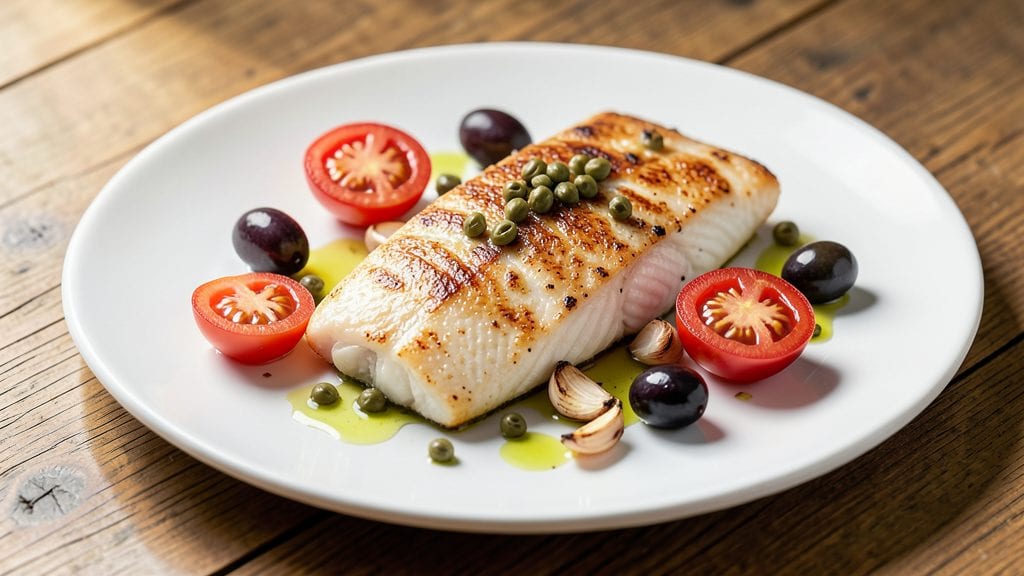
This fish with olives, capers, and tomatoes recipe transforms simple ingredients into a restaurant-worthy Mediterranean masterpiece that takes just 30 minutes to prepare.
The bright, briny flavors of capers and olives cut through delicate white fish, while sun-ripened tomatoes add a touch of summer sweetness—every bite is a perfect balance of textures and tastes. I developed this recipe after years of testing Mediterranean dishes, and it consistently delivers foolproof results with minimal effort.
The secret lies in the sauce—a vibrant blend of tomatoes, garlic, and white wine that simmers until thickened just enough to coat the fish without overwhelming it. Fresh herbs like parsley and basil add an aromatic finish, while the capers and olives bring that signature Mediterranean tang.
The fish stays tender and flaky, absorbing the flavors without falling apart, making this dish both impressive and approachable for weeknight dinners.
By the time you serve this dish, your table will be set for a meal that feels like a vacation in every bite—golden fish fillets nestled in a glossy, herby tomato sauce, studded with plump olives and briny capers.
The aroma alone will have everyone gathering around the table, and the first taste will confirm this is a recipe worth making again and again. Pair it with crusty bread to soak up every last drop of that flavorful sauce.
This recipe scales beautifully for gatherings, and the leftovers reheat just as well as the first serving. Whether you're cooking for two or a crowd, the technique remains the same—simple, reliable, and packed with Mediterranean charm. Let’s get cooking!
Ingredients for fish with olives capers tomatoes
Bright Mediterranean flavors start with these fresh, briny ingredients that come together in 30 minutes.
| Ingredient | Amount | Notes |
|---|---|---|
| White Fish Fillets 🐟 | 1 ½ lb | Cod, halibut, or sea bass preferred |
| Sun-Ripened Tomatoes 🍅 | 1 ½ cups | Diced, fresh or canned San Marzano |
| Green Olives 🫒 | ½ cup | Pitted, Kalamata or Manzanilla |
| Capers 🌿 | ¼ cup | Rinsed to reduce saltiness |
| Garlic Cloves 🧄 | 4 cloves | Minced, fresh preferred |
| White Wine 🍷 | ½ cup | Dry, Sauvignon Blanc or Pinot Grigio |
| Extra-Virgin Olive Oil 🫒 | ¼ cup | For sautéing and finishing |
| Fresh Basil Leaves 🌿 | ¼ cup | Chopped, stems removed |
| Fresh Parsley 🌿 | ⅛ cup | Chopped, for garnish |
| Lemon Juice 🍋 | 2 tbsp | Freshly squeezed |
| Salt 🧂 | 1 tsp | Kosher or sea salt |
| Black Pepper 🌶️ | ½ tsp | Freshly ground |
| All-Purpose Flour 🌾 | 2 tbsp | For dredging fish |
The fish is the star, so choose wisely. Cod or halibut stay delicate while absorbing flavors, but sea bass adds a luxurious touch. Look for fillets with even thickness—Whole Foods or local fish markets often have the freshest cuts. If using frozen, thaw overnight in the fridge. The tomatoes should be vibrant red, not mealy. San Marzano canned tomatoes are ideal for consistency, but fresh diced tomatoes work beautifully too. Kalamata olives add depth, but Manzanilla are more affordable and still delicious. Rinse capers thoroughly to reduce saltiness—this is a must for balanced flavor.
No white wine? Fish or vegetable broth with a splash of lemon juice works in a pinch. Fresh herbs can be swapped—dried basil or oregano at half the amount if needed. The flour is just for dredging, so any all-purpose brand will do. If you're short on time, pre-minced garlic from the jar is fine, but fresh is always better. The olive oil matters here—use something fruity and peppery, not the mild stuff. For extra richness, finish with a drizzle of high-quality olive oil before serving. The sauce thickens as it simmers, so if it's too thin, let it reduce longer or add a cornstarch slurry.
This dish reheats beautifully—just warm through gently in a skillet with a splash of water. Keeps for 3 days in the fridge, though it's best enjoyed fresh. The sauce thickens further when chilled, so reheat with a splash of water or broth to loosen it. Portion into containers with a layer of sauce to keep the fish moist. If making ahead, assemble the dish just before serving to maintain that fresh-from-the-kitchen texture. The flavors actually improve overnight, so it's perfect for meal prep.
Why You'll Love This Recipe
- One-Pan Magic: I swear by this when I’m too tired to scrub a million dishes—just toss the fish, tomatoes, olives, and capers on one sheet pan, add minced garlic, and let the oven do the work. No pots, no pans, just clean-up simplicity.
- Salty-Sweet Balance: That briny punch from the olives and capers? It’s the secret weapon here. The sun-ripened tomatoes add juicy sweetness while the garlic cloves sear into something golden and aromatic—like a Mediterranean vacation in your mouth.
- Lunchbox Hero: Between us, this is my go-to for meal prep. The flavors only get better after a day in the fridge, and it reheats like a dream. Pack it for work or school—no sad, soggy lunches here.
- Budget Bright Spot: White fish fillets stretch further than you’d think, and olives/capers add depth without breaking the bank. It’s the kind of dish that makes grocery day feel like a win, especially when you’re feeding a crowd for half the cost of takeout.
Step-by-step instructions for Mediterranean fish with olives, capers, and tomatoes
Here's how to create a bright, flavorful dish where tender fish meets briny olives and capers in a vibrant tomato sauce.
Prepare the Fish for Crispy Perfection
Pat the 1.5 lb white fish fillets completely dry with paper towels—this ensures maximum crispiness when cooking. Place them on a clean work surface and season both sides generously with 1 tsp salt and 0.5 tsp black pepper. The seasoning should adhere evenly, not just in spots.
Next, dredge each fillet lightly in 2 tbsp all-purpose flour, shaking off any excess. Tap the fillets gently against the side of a bowl to remove loose flour particles. This creates a delicate crust that will crisp beautifully in the olive oil. Set the floured fillets aside on a plate while you prepare the sauce.
Build the Flavorful Tomato-Olive-Caper Sauce
Heat 0.25 cup extra-virgin olive oil in a large skillet over medium heat. Add the 4 minced garlic cloves and sauté for 30 seconds until fragrant—don't let them brown, or they'll turn bitter. Add the 1.5 cups diced sun-ripened tomatoes and cook for 5 minutes, stirring occasionally, until they begin to soften and release their juices.
Stir in the 0.5 cup green olives and 0.25 cup capers, breaking up any large olive clusters with a wooden spoon. Let the mixture simmer for 3 minutes until the flavors meld together. The sauce should thicken slightly and develop a rich, briny-sweet balance. Taste and adjust seasoning if needed—this is your foundation, so balance is key.
Cook the Fish to Flaky Tenderness
Increase the heat to medium-high and add the floured fish fillets to the skillet. Cook for 3-4 minutes per side, or until the edges are golden brown and the fish releases easily from the pan with a gentle nudge. The fish should be opaque throughout with no translucent centers—this indicates perfect doneness.
Once the fish is cooked, carefully transfer it to a warm serving platter. Spoon the tomato-olive-caper sauce over the top, ensuring each fillet is generously coated. The residual heat will finish cooking the sauce slightly, creating a glossy, flavorful topping.
Finish with Fresh Herbs and Bright Acid
Return the skillet to medium heat and stir in 2 tbsp lemon juice, 0.25 cup chopped fresh basil leaves, and 0.125 cup chopped fresh parsley. Simmer for 1 minute to let the herbs release their aromas and the lemon brighten the dish. Pour this fragrant mixture over the fish, distributing it evenly.
Let the fish rest for 2-3 minutes before serving—this allows the juices to redistribute, ensuring each bite is moist and flavorful. Garnish with an additional sprinkle of fresh parsley if desired. Serve immediately with crusty bread or over a bed of steamed greens to soak up the delicious sauce.
Pro Tips For Making Fish With Olives Capers Tomatoes
- Sear the Fish First: Fish fillets release moisture when they hit hot oil, and if you toss them in with the tomatoes and olives, they’ll steam instead of brown. Sear them skin-side down in a dry pan for 2-3 minutes until golden—this locks in flavor and texture before everything else joins the party.
- Drain and Pat Those Olives: Those jarred green olives? They’re swimming in brine, and if you dump them straight into the pan, your sauce will turn into a thin, salty broth. Drain them well, then blot them dry with a paper towel—this ensures they crisp up and release their briny punch without diluting the dish.
- Don’t Overcrowd the Pan: I’ve seen people try to fit the whole batch of fish, tomatoes, and olives in at once, thinking it’ll cook faster. Wrong. The pan loses heat, the fish poaches instead of sears, and the tomatoes turn to mush. Cook in batches if needed—better to have two rounds of perfect fish than one sad, soggy mess.
- Use Whole Garlic Cloves: Mincing garlic for this dish is overkill—it burns too fast and can make the sauce bitter. Instead, smash 2-3 whole cloves with the flat side of your knife (just enough to bruise them) and toss them in with the tomatoes. They’ll infuse flavor without turning the pan into a charred disaster.
Pro cooking tips for great fish with olives capers tomatoes
Sautéing Secrets
Use a heavy-bottomed skillet like All-Clad Stainless Steel or Lodge cast iron to distribute heat evenly and prevent hot spots that can burn your fish. Heat the olive oil over medium heat—too high, and the fish will cook unevenly; too low, and the sauce won’t develop depth.
I test the oil’s readiness by dropping a tiny piece of fish into it—if it sizzles immediately, it’s ready. 🔥
Sauce Timing
Simmer the tomato-olive-caper sauce for exactly 3 minutes after adding the olives and capers—this lets the briny flavors meld without overcooking the tomatoes into mush. If your sauce thickens too quickly, reduce the heat to low and let it cook uncovered.
For extra richness, deglaze the pan with 2 tbsp white wine after removing the fish, scraping up any browned bits for deeper flavor.
Fish Doneness Test
Fish is done when it reaches an internal temperature of 145°F and flakes easily with a fork. The edges should be golden brown, but the center must remain slightly translucent—overcooking turns it rubbery.
I use a meat thermometer for accuracy, especially with thicker fillets like halibut. If your fish sticks to the pan, it’s undercooked—let it rest 1-2 minutes before serving.
Herb Freshness
Fresh herbs like basil and parsley should be washed and dried thoroughly before chopping to avoid watery sauce. I pulse them in a food processor for a finer texture, but hand-chopping gives a more rustic look.
If using dried herbs, reduce the amount to half (e.g., 1 tbsp dried basil instead of 0.25 cup fresh). Add herbs off the heat to preserve their bright flavors and aromas.
Balancing Flavors
Taste your sauce before adding the fish—it should be bright, briny, and slightly acidic. If it’s too salty, dilute with 1 tbsp water or white wine. If it’s bland, add a pinch of red pepper flakes or a splash of lemon juice.
The fish should absorb the sauce without overpowering it, so aim for a 3:1 ratio of sauce to fish when plating.
Resting for Moisture
Letting the fish rest for 2-3 minutes after cooking is non-negotiable—this lets the juices redistribute, preventing dry bites. I place the fish on a warm plate (pre-heated in the oven) to maintain temperature.
If serving family-style, keep the fish warm in a low oven (200°F) while you plate the sauce separately to avoid sogginess.
Nutrition facts
Frequently asked questions
What's the best white fish for this recipe?
Cod, halibut, or sea bass work perfectly—they stay tender while absorbing the briny sauce. Avoid firm fish like swordfish, which can dry out. For extra richness, try branzino or dover sole, but cod is the most budget-friendly option.
Can I substitute canned tomatoes for fresh?
Use San Marzano canned tomatoes for the best flavor—they're sweeter and less acidic. Drain them well to avoid a watery sauce. For fresh tomatoes, choose vine-ripened varieties and remove seeds to prevent excess moisture.
How do I prevent the fish from sticking?
Pat the fillets completely dry before seasoning, and use a heavy skillet (like cast iron) on medium-high heat. A light coating of flour creates a natural barrier. If it starts sticking, gently lift with a spatula and let the sauce work as a lubricant.
What if I don't have white wine?
Use fish or vegetable broth with 1 tbsp lemon juice for acidity. For extra depth, add 1 tsp soy sauce or dry vermouth if available. The dish will still taste delicious—just slightly less complex.
Can I make this ahead of time?
Yes! Assemble the dish (without the fish) up to 2 days ahead and refrigerate. Reheat gently, adding a splash of water or broth to loosen the sauce. For best texture, cook the fish fresh and reheat separately. The flavors actually improve overnight!