
Beverages
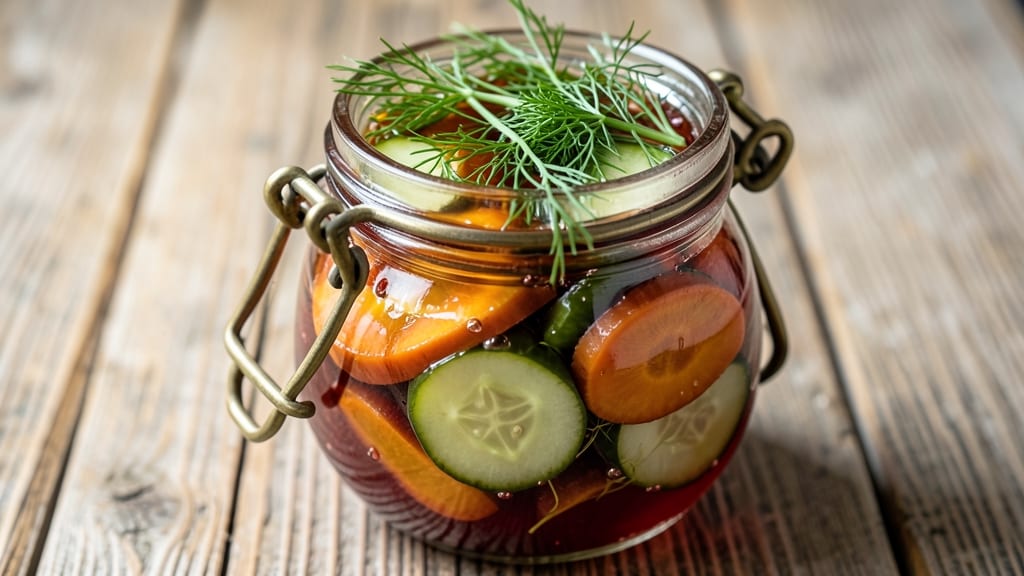
This food and wine pickle recipe transforms humble vegetables into vibrant, tangy bites that elevate any charcuterie board or summer spread.
The key lies in a precise balance of vinegar, wine, and fresh herbs—creating a crunch that stays crisp and a flavor profile that dances between bright acidity and rich herbal notes.
I developed this recipe after realizing how often store-bought pickles fell short of the complexity I craved in my own kitchen.
The process is straightforward but requires patience: thinly sliced vegetables (cucumbers, carrots, or fennel work beautifully) marinate in a wine-vinegar brine for at least 24 hours, allowing flavors to meld while maintaining that satisfying crunch.
The wine—whether red or white—adds depth that generic vinegar alone can't match, while fresh dill, thyme, and a touch of garlic round out the profile. This isn't just a side dish; it's a conversation starter.
When served, these pickles become the star of any gathering—pairs effortlessly with sharp cheeses, smoked meats, or even as a palate cleanser alongside rich wines like Sauvignon Blanc or Pinot Noir. The texture remains firm and satisfying, while the herbal notes complement both bold and delicate flavors.
Perfect for meal prep, these pickles stay crisp for up to two weeks in the refrigerator.
Here's where the magic happens: the wine doesn't just flavor the pickles—it transforms them into a sophisticated accompaniment that feels restaurant-quality. Whether you're hosting a dinner party or simply craving a flavorful snack, this recipe delivers results that go beyond the ordinary.
Let's get started on creating pickles that will have everyone asking for the recipe.
Ingredients for food and wine pickle
Simple vegetables and bold flavors transform into restaurant-quality pickles with this wine-infused recipe.
| Ingredient | Amount | Notes |
|---|---|---|
| Fresh Cucumbers 🥒 | 2 medium | Thinly sliced, seeds removed |
| Carrots 🥕 | 2 medium | Thinly sliced, peeled |
| Fennel Bulb 🌿 | 1 small | Thinly sliced, core removed |
| Red Wine Vinegar 🍷 | 1 ½ cups | Dry, full-bodied preferred |
| White Wine 🍷 | 1 cup | Dry, Sauvignon Blanc ideal |
| Water 💧 | 1 cup | Filtered preferred |
| Granulated Sugar 🍚 | ¼ cup | White or raw preferred |
| Salt 🧂 | 1 tbsp | Kosher or sea salt |
| Fresh Dill 🌿 | ½ cup | Chopped, stems removed |
| Fresh Thyme 🌿 | 1 tbsp | Leaves only, chopped |
| Garlic Cloves 🧄 | 4 cloves | Thinly sliced |
| Black Peppercorns 🌶️ | 1 tsp | Crushed lightly |
| Red Wine 🍷 | ½ cup | Dry, for depth of flavor |
| Bay Leaves 🍃 | 2 whole | Fresh preferred |
The vegetables are the foundation, so choose firm, fresh produce—cucumbers should be crisp, carrots bright orange, and fennel should have a vibrant green hue. Local farmers markets often have the freshest selections, but the grocery store works too if you grab them early in the week. For the wine, dry varieties like Cabernet Sauvignon or Pinot Noir add depth, while white wine brings brightness. The fennel is optional but adds an elegant anise note—skip it if you prefer a more traditional pickle flavor. Thinly slice everything evenly for consistent texture throughout the batch.
Running short on red wine? Substitute with extra apple cider vinegar for tanginess, though you'll lose some complexity. No fresh dill? Dried dill works at half the amount, but fresh is ideal for that bright herbal punch. The sugar can be swapped for honey or agave, though white sugar dissolves more smoothly. If you're avoiding alcohol, replace the wine with extra vinegar and a splash of lemon juice. For a spicier kick, add a pinch of red pepper flakes to the brine. The bay leaves are non-negotiable—they add subtle earthiness that rounds out all the bright flavors.
These pickles stay crisp for up to 2 weeks when stored in the refrigerator in an airtight container. For longer storage, freeze them in portions—they'll stay firm but may soften slightly. I like to portion them into small jars so they're ready for snacking or charcuterie boards. The flavor actually improves after the first 24 hours, so making them a day ahead is ideal. If the brine becomes cloudy, it's still safe to eat—just give it a quick stir before serving.
Why You'll Love This Recipe
- No Chopping Chaos: I swear by this one—just slice the fennel into shards, halve the carrots, and quarter the cucumbers. No mandoline, no stress, and the results? Crunchy, bright perfection every time.
- Wine’s Secret Weapon: That splash of white wine in the brine? It’s the game-changer. The acidity cuts through the sweetness of the carrots and fennel, while the vinegar keeps it tangy—like a fancy charcuterie board in pickle form.
- Weeknight Magic: Make a big batch on Sunday, and you’ve got snackable bites for the whole week. Slap them on sandwiches, toss with pasta, or just eat them straight from the jar—no planning required.
- Budget-Friendly Luxury: Fennel and wine sound fancy, but they stretch so far. A single bulb and a bottle of cheap white wine turn basic veggies into something that feels special—without breaking the bank.
Step-by-step instructions for vinegar-braised vegetable pickles
Here's how to create vibrant, herb-infused pickles with perfect texture and balanced flavors.
Prepare and Slice All Vegetables
Start by thoroughly washing the 2 medium fresh cucumbers, 2 medium carrots, and 1 small fennel bulb. Using a sharp mandoline or chef's knife, slice the cucumbers and carrots into ¼-inch thick rounds, removing seeds from the cucumbers to prevent mushiness. For the fennel, carefully remove the core and slice into ¼-inch thick half-moons—this reveals the anise-like flavor within.
Place each vegetable type in separate bowls to keep them organized. The fennel should be the most delicate, so handle it last to avoid bruising. I like to pat everything dry with paper towels before slicing—this helps the vegetables absorb the marinade more evenly and prevents a watery brine.
Combine the Liquid Base
In a medium saucepan, combine the 1.5 cups red wine vinegar, 1 cup white wine, 1 cup water, 0.25 cup granulated sugar, 1 tablespoon salt, 0.5 cup red wine, and 2 whole bay leaves. Bring the mixture to a gentle simmer over medium heat, stirring occasionally until the sugar and salt fully dissolve—this should take about 3-4 minutes. The liquid should smell bright and slightly sweet.
While the base heats, lightly crush the 1 teaspoon black peppercorns in a mortar and pestle or between two spoons. This releases their aromatic oils without turning the mixture bitter. Set the crushed pepper aside for later.
Add Aromatics and Simmer
Once the vinegar mixture reaches a simmer, add the 4 cloves garlic and 1 tablespoon fresh thyme leaves. Let the mixture simmer gently for 5 minutes to allow the garlic to soften and the thyme to release its earthy aroma. Remove the pan from heat and let it cool slightly—this prevents shocking the vegetables when they're added.
Stir in the 0.5 cup chopped fresh dill and the crushed black peppercorns. The dill should be finely chopped to distribute evenly throughout the pickles. Here's the thing—adding the herbs off the heat preserves their vibrant color and fresh flavor rather than cooking them down.
Pack and Braise the Vegetables
Divide the sliced vegetables evenly between two clean, sterilized quart-sized jars. I prefer using wide-mouth jars for easier packing. Pour the warm herb-infused vinegar mixture over the vegetables, ensuring each piece is fully submerged. Use a wooden spoon to gently press down the vegetables if needed—this helps them absorb the marinade.
Seal the jars tightly and place them in a large pot or deep skillet. Add enough hot water to come halfway up the sides of the jars. Bring the water to a gentle boil and process the jars for 15 minutes—this sterilizes them and helps the flavors meld. Let the jars cool completely before refrigerating.
Rest and Serve
Once cooled, remove the jars from the water bath and let them sit at room temperature for 1 hour before refrigerating. This resting period allows the flavors to fully develop and the vegetables to absorb the marinade. The pickles will keep in the refrigerator for up to 3 weeks, with flavors deepening over time.
When ready to serve, taste and adjust seasoning if needed—you might want to add a pinch more salt or a splash of vinegar for balance. These pickles pair beautifully with charcuterie boards, grilled meats, or as a refreshing side to rich dishes. The combination of crisp fennel, sweet carrots, and tangy cucumbers creates a harmonious crunch with herbal depth.
Pro Tips For Making Food And Wine Pickle
- BRINE THE CUCUMBERS FIRST: Toss your cucumbers in a bowl of cold water with 1 teaspoon of salt per quart for 30 minutes before slicing. This draws out excess moisture so they stay crisp instead of turning soggy—trust me, I’ve seen this recipe fail when I skipped it.
- SLICE FENNEL THINLY: Use a mandoline or sharp knife to cut fennel into paper-thin slices, no thicker than 1/8 inch. Thick slices stay tough and chewy; thin ones soften just enough to get that perfect bite. (Yes, it’s tedious, but worth it.)
- USE STILL WINE, NOT SPARKLING: If your white wine has bubbles, strain it first—carbonation makes the pickles too soft and mushy. A splash of still wine (even cheap stuff) keeps the texture tight and the flavor bright. I learned this after a disastrous batch with leftover Prosecco.
- LET IT REST 24 HOURS: Don’t rush the pickling—let the veggies sit in the fridge for a full day before eating. The flavors meld, and the fennel and carrots actually soften into the perfect tender-crisp stage. (I know, I know—you’ll want to dig in sooner.)
Common mistakes when making this recipe
Uneven Vegetable Slicing
Thin slices don't stay crisp, while thick pieces turn mushy. Use a mandoline slicer set to ¼-inch thickness for consistency—I swear by the OXO Good Grips model.
For cucumbers, remove seeds with a spoon before slicing to prevent watery texture. Always slice carrots and fennel last to avoid bruising the delicate fennel. 🔪
Skipping the Sterilization Step
Omitting the 15-minute water bath risks contamination and dull flavors. I've learned this the hard way—my first batch without sterilization grew cloudy in days. Use clean, sterilized jars and process them in boiling water to ensure safety and preserve brightness. Let jars cool completely before refrigerating to avoid condensation buildup.
Overcrowding the Jars
Packing vegetables too tightly prevents proper marinade circulation, leading to uneven flavor and texture. Leave ½-inch headspace at the top of each jar. I use a wooden spoon to gently press down slices without compacting them—this ensures every piece absorbs the wine-infused brine evenly.
Overcrowding also increases the risk of mold growth during storage.
Using Low-Quality Vinegar
Cheap vinegar lacks complexity and can make pickles taste harsh. Always use dry red wine vinegar (like Balsamic Vinegar Co.'s) for depth. The acidity should be bright, not sour.
If substituting, apple cider vinegar works but adds a fruity note that may not suit all palates. The wine component is non-negotiable—it's what transforms ordinary pickles into gourmet bites.
Ignoring the Resting Period
Rushing to refrigerate pickles after packing prevents flavor development. Let jars sit at room temperature for 1 hour before chilling—this allows the marinade to fully penetrate the vegetables.
I've found that skipping this step results in pickles that taste flat and underseasoned. Patience here makes all the difference in achieving that restaurant-quality tang.
Forgetting to Taste Before Serving
Pickles often need a final adjustment after refrigeration. Taste and add ¼ teaspoon salt or 1 tablespoon vinegar if needed. The flavors deepen in the fridge, so what tasted perfect at first may need balancing later.
I keep a small bowl of the reserved brine on hand for quick adjustments—it's the secret to perfect seasoning every time. 💡
Nutrition facts
Frequently asked questions
Can I make these pickles without wine?
The wine adds depth that vinegar alone can't match, but you can substitute with ½ cup extra vinegar plus ¼ cup lemon juice for brightness. For best results, use a dry white wine vinegar instead of apple cider—it maintains the herbal complexity. The texture will still be crisp, but flavors will be slightly simpler.
How do I know when the pickles are ready to eat?
They're ready after 24 hours of marinating, but flavors peak after 3-5 days in the fridge. Taste one piece—it should be tangy with herbal notes and maintain a satisfying crunch. If they taste too sharp, let them sit another day or add a pinch of sugar to the brine.
What's the best wine pairing for these pickles?
These pickles shine with crisp whites like Sauvignon Blanc or Pinot Grigio, but a light red like Pinot Noir works beautifully too. The herbal notes complement the wine's acidity, while the crunch cuts through rich cheeses or charcuterie. For a non-alcoholic option, sparkling water with lime adds refreshing contrast.
Can I use other vegetables besides cucumbers, carrots, and fennel?
Try radishes, bell peppers, or cauliflower for crunch. For sweeter pickles, add peaches or pears (reduce sugar to ¼ cup). Just ensure all vegetables are firm and sliced uniformly. The fennel is optional but adds that signature anise flavor—skip it if you prefer a more classic taste.
Why did my pickles turn cloudy?
Cloudiness usually means the brine wasn't properly sterilized or the vegetables weren't fully submerged. Always process jars in a 15-minute water bath and ensure all pieces are covered. If it's just slightly cloudy, stir before serving—the pickles are still safe to eat. For next time, use filtered water in the brine to prevent sediment.