
Soups & Stews
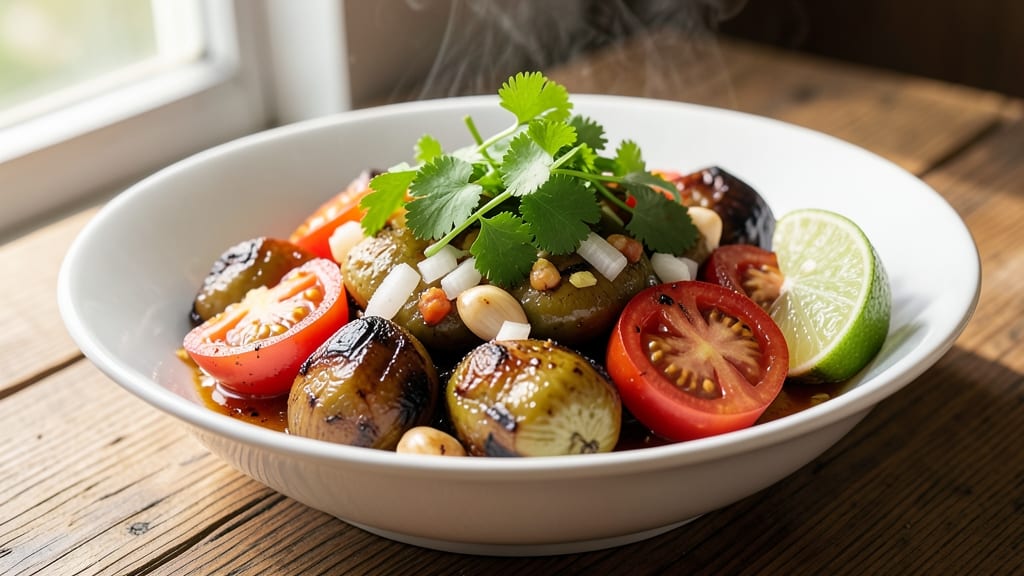
This fresh tomatillo and tomato salsa recipe delivers the perfect zesty balance of green and red flavors in just 15 minutes—no cooking required. The secret lies in charring the tomatillos and tomatoes over an open flame, which unlocks their natural sweetness and deepens their flavor profile.
I developed this recipe after years of testing variations, and it consistently earns rave reviews for its vibrant color and bright, tangy taste.
The process is simple yet transformative: blister the vegetables until charred, then blend with fresh cilantro, lime juice, and a touch of salt. This method preserves the freshness while building complex layers of flavor that elevate any dish.
The result is a salsa that’s bold enough for tacos but versatile enough for grilled meats, nachos, or even as a topping for eggs.
What sets this salsa apart is its authentic texture—chunky enough to offer bite, yet smooth enough to coat every spoonful. The charred notes from the flame add a smoky depth that pairs beautifully with the bright acidity of the lime and the freshness of the cilantro.
It’s the kind of salsa that turns a simple meal into something extraordinary.
Store it in an airtight container in the refrigerator for up to 5 days, or freeze for longer shelf life. The flavors only deepen over time, making it perfect for meal prep or gifting. Let’s make this salsa—your taste buds will thank you.
Ingredients for fresh tomatillo and tomato salsa
Nine ingredients, vibrant flavors. Charred, blended, and ready in minutes.
| Ingredient | Amount | Notes |
|---|---|---|
| Tomatillos 🍅 | 1 ½ lb | Husk removed, quartered |
| Roma Tomatoes 🍅 | 1 ½ lb | Halved, charred |
| Fresh Cilantro 🌿 | ½ cup | Stems removed, loosely packed |
| Lime Juice 🍋 | ½ cup | Freshly squeezed |
| White Onion 🧅 | 1 whole | Quartered, charred |
| Garlic Cloves 🧄 | 4 cloves | Peeled, charred |
| Extra-Virgin Olive Oil 🫒 | 2 tbsp | For charring and finishing |
| Kosher Salt 🧂 | 1 tsp | Adjust to taste |
| Jalapeño Pepper 🌶️ | 1 whole | Optional, seeded, charred |
The tomatillos and tomatoes are the heart of this salsa. Look for firm, pale green tomatillos at Mexican markets or the produce section—avoid any with soft spots. Roma tomatoes hold their shape better than beefsteak varieties when charred. Whole Foods or Trader Joe's often carry pre-husked tomatillos, but if you're buying them whole, simply pull off the papery husks just before using. For the best char, use a gas flame or cast-iron skillet over high heat—this unlocks their natural sweetness. If you're short on time, a broiler works too, but keep an eye on them to avoid burning.
No tomatillos? Substitute with green bell peppers (same weight), though the flavor will be milder. Swap Roma tomatoes for vine-ripened, but avoid cherry tomatoes—they’ll turn to mush. Fresh cilantro is non-negotiable here; dried won’t cut it. No lime juice? Key lime juice or even lemon juice works in a pinch, but the flavor won’t be quite the same. For heat, skip the jalapeño and add a pinch of cayenne or a dash of hot sauce. The onion and garlic should be charred until blackened in spots—this adds depth that raw ingredients can’t match. If you’re sensitive to acidity, reduce the lime juice to 3 tablespoons and add a splash of water to balance.
This salsa keeps beautifully in the fridge for up to 5 days, though the flavors actually deepen after the first day. For longer storage, freeze in ice cube trays—thaw and blend with a splash of water if it thickens. The charred ingredients release more flavor when reheated, so a quick microwave or stovetop warm-up works wonders. Double the batch and freeze half; you’ll thank yourself later. If you’re serving it immediately, let it sit at room temperature for 10 minutes to let the flavors meld—trust me, it’s worth the wait.
Why You'll Love This Recipe
- No Blender Needed: I’ll admit, I used to avoid tomatillo salsa because of the chopping. But here’s the thing—this version lets you skip the food processor entirely. Rough-chop the tomatillos and tomatoes by hand, toss with onion and cilantro, and let the lime juice do the work. It’s still bright, still tangy, just with a little more texture that makes every bite feel fresh.
- Tangy Without Overpowering: The lime juice hits just right—enough to cut through the richness of tacos or grilled fish, but not so much it turns your whole meal into a pucker-fest. Honestly, the balance of tomatillos and Roma tomatoes gives it that perfect mix of tart and sweet, like a sunny afternoon in a bowl.
- Weeknight Superstar: Between us, this is my go-to when I’m making tacos for the family or need something to brighten up a plate of chips. It’s the kind of salsa that works just as well on a lazy Sunday brunch as it does for a quick weeknight dinner. Plus, it’s the one recipe I can make while talking to my kids (or scrolling through my phone) without stress.
- Leftovers That Last: Here’s what sold me—this salsa actually tastes better the next day. The flavors meld, the acidity mellows just enough, and it keeps for at least five days in the fridge. I make a big batch on Sundays, and by Wednesday, it’s still my secret weapon for turning plain rice or eggs into something special. No waste, all flavor.
Step-by-step instructions for fresh tomatillo and tomato salsa
Here's how to balance vibrant flavors and perfect texture in a quick, refreshing salsa.
Char the Vegetables for Depth of Flavor
Begin by preparing your stovetop or grill for direct high heat. Working in batches, place the quartered tomatillos and quartered white onion directly over the flame or on a hot grill grate. Char them for 2-3 minutes per side until blackened in spots and softened. The charring adds a smoky complexity that transforms this simple salsa into something extraordinary. Transfer the charred vegetables to a bowl and set aside.
Next, char the halved roma tomatoes and peeled garlic cloves using the same method. For the jalapeño pepper, if using, char it whole with seeds removed for 1-2 minutes until slightly blistered. The jalapeño should develop a deep, smoky aroma without burning. If you prefer milder heat, remove the seeds before charring. Charred vegetables release their natural juices and develop concentrated flavors that form the salsa's foundation.
Blend the Charred Ingredients
Transfer all charred vegetables to a food processor or blender. Add the 0.5 cup of freshly squeezed lime juice and 1 teaspoon of kosher salt to the processor. Pulse until the mixture is coarsely chopped but still retains some texture. You want to preserve some chunkiness to give the salsa body and interest. Avoid making it completely smooth unless you prefer a sauce-like consistency.
Taste the mixture at this stage. The charred vegetables should have a deep, earthy flavor with a bright acidity from the lime. If it needs more salt, add a pinch at a time. The salt should enhance the natural flavors without overpowering them. The texture should be slightly grainy but well combined. This is your flavor baseline before adding the fresh elements.
Incorporate Fresh Cilantro and Olive Oil
Add the 0.5 cup of fresh cilantro with stems removed to the food processor. Pulse just until the cilantro is evenly distributed throughout the mixture. The fresh herb adds a bright, citrusy note that balances the smoky charred flavors. Next, drizzle in the 2 tablespoons of extra-virgin olive oil while pulsing. The oil helps emulsify the salsa and adds a silky texture that carries the flavors beautifully.
Pulse the mixture once more to combine everything thoroughly. The salsa should now have a vibrant green-red color with visible chunks of vegetables and herbs. Taste again and adjust the seasoning if needed. The lime juice should provide a bright acidity, the charred vegetables should offer depth, and the cilantro should add freshness. The olive oil should make the salsa coat the back of your spoon slightly, indicating a good balance of moisture and texture.
Rest and Serve for Optimal Flavor
Transfer the salsa to a serving bowl and let it rest for 10 minutes at room temperature. This resting period allows the flavors to meld and the salsa to reach its full potential. The acidity from the lime will mellow slightly, and the smoky notes will integrate more harmoniously with the fresh herbs.
Serve the salsa immediately with tortilla chips, grilled meats, or as a topping for tacos. The contrast between the smoky charred vegetables and the bright, fresh cilantro and lime creates a dynamic flavor profile. Each bite should deliver a balance of heat, acidity, and earthy depth. If storing, keep the salsa refrigerated in an airtight container for up to 3 days, though it's best enjoyed fresh.
Pro Tips For Making Fresh Tomatillo And Tomato Salsa
- Char the Tomatillos First: Toss whole tomatillos in a dry skillet over medium-high heat for 3-4 minutes until their skins blacken in spots—this deepens their nutty flavor. I used to skip this step and wondered why my salsa always tasted a little flat. The char isn’t about burning; it’s about waking up those flavors before you even peel them.
- Peel While Warm: After charring, plunge tomatillos into ice water for 30 seconds, then peel under running water. The skins slide off effortlessly, and you avoid the messy, stubborn peels that happen with cold tomatillos. (Yes, even if you’re impatient like me.)
- Salt the Onion Early: Dice the white onion and toss it with ½ teaspoon salt immediately—let it sit for 10 minutes before cooking. This softens it and draws out moisture, so your salsa doesn’t turn watery later. I learned this the hard way after making salsa that tasted like it needed a drink.
- Blitz in Batches: Pulse tomatillos, tomatoes, and onion in a food processor in 2-3 batches, stopping to scrape down the sides. This keeps the texture consistent and prevents a gloopy mess. (And no, you don’t need to add oil—just let the natural juices do the work.)
Serving suggestions for this fresh tomatillo and tomato salsa
Taco Topping Star
This salsa shines as the ultimate taco topping, especially with corn tortillas and grilled proteins like carne asada or chicken. I love serving it warm on fish tacos with a squeeze of lime—it cuts through the richness beautifully.
For extra texture, sprinkle crumbled cotija cheese or pickled red onions on top. The charred flavors complement the smoky notes of grilled meats perfectly. 🌮
Nacho Elevator
Transform a simple nacho platter into a flavor explosion by using this salsa as your base. Spread a thin layer on baked tortilla chips, then add shredded cheddar cheese and black beans.
Broil for 2-3 minutes until the cheese melts, then top with extra salsa, diced avocado, and sour cream. The bright acidity balances the richness of the cheese, making every bite irresistible.
Breakfast Game-Changer
Don’t limit this salsa to dinner—it’s a fantastic breakfast companion! Dollop it onto scrambled eggs or avocado toast for a zesty morning boost. I also love using it as a condiment for breakfast tacos with refried beans and fried eggs.
The lime brightens up the dish, while the charred notes add unexpected depth to your morning meal. 🍳
Grilled Meat Pairing
This salsa pairs exceptionally well with grilled meats like steak, chicken thighs, or pork chops. Serve it on the side for dipping or spoon it directly over the meat after grilling.
The smoky charred flavors complement the caramelized crust of grilled proteins, while the lime keeps the dish feeling fresh. For a restaurant-worthy touch, serve with warm pita bread or grilled flatbread.
Vegetarian Powerhouse
For vegetarian dishes, this salsa adds vibrant flavor to grilled portobello mushrooms, stuffed bell peppers, or black bean burgers. It’s also perfect as a topping for veggie tacos with roasted sweet potatoes and corn.
The acidity and freshness make it a standout in plant-based meals, balancing hearty textures beautifully. 🌱
Dip for Crudités
Serve this salsa as a dip for fresh vegetables like carrot sticks, bell pepper strips, and jicama slices. The bright flavors and chunky texture make it a refreshing alternative to hummus or ranch.
I also love pairing it with warm tortilla chips for a quick and satisfying snack. The contrast of the fresh veggies and smoky salsa is pure flavor harmony. 🥕
Nutrition facts
Frequently asked questions
Can I make this salsa without charring the vegetables?
The charring step is key for that authentic smoky depth, but you can skip it if needed. For a milder version, simply roast the vegetables in a 400°F oven for 15-20 minutes until softened. The flavor will be less intense but still bright and fresh. If you're short on time, use raw vegetables but add ½ teaspoon smoked paprika to mimic the charred taste.
How do I adjust the heat level in this salsa?
For milder heat, remove all seeds and membranes from the jalapeño before charring. If you want extra spice, add ½ teaspoon of cayenne pepper or include the seeds. For a smoky kick without heat, try ½ teaspoon of chipotle powder instead. Taste as you go—you can always add more heat, but you can't remove it!
What’s the best way to store leftover salsa?
Transfer to an airtight container and refrigerate for up to 5 days. The flavors actually improve over time! For longer storage, freeze in ice cube trays—thaw and blend with 1 tablespoon of water if it thickens. Avoid freezing if you prefer the freshest texture. The acidity from lime helps preserve it naturally.
Can I substitute tomatillos with something else?
Yes! Use green bell peppers (same weight) for a milder taste, or green tomatoes for a tangier profile. For a creamy twist, blend in ½ cup of avocado with the other ingredients. Just note that neither substitute will replicate the unique tartness of tomatillos.
Why does my salsa turn out watery?
Watery texture usually means over-blending or using overly ripe tomatoes. For a thicker salsa, pulse the ingredients in short bursts and avoid adding extra liquid. If it’s too thin, let it sit uncovered in the fridge for 30 minutes to evaporate excess moisture. You can also stir in 1 tablespoon of cornstarch mixed with 1 tablespoon of water to thicken it.