Desserts
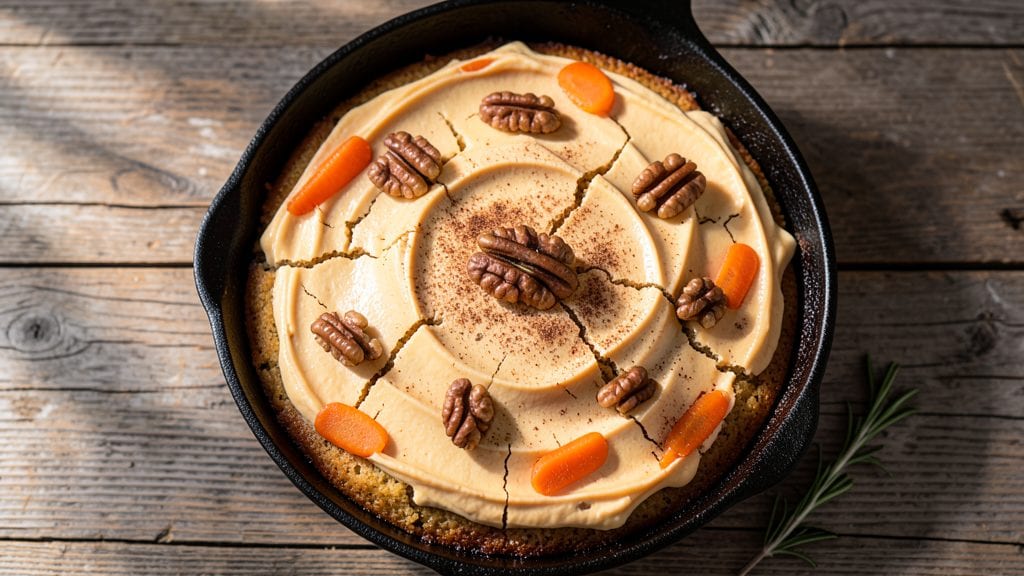
Grandma’s old-fashioned carrot cake recipe brings back the cozy, spiced warmth of childhood afternoons—layered with moist cake, tender walnuts, and that signature cream cheese frosting.
The secret lies in the cinnamon and nutmeg, which infuse every bite with nostalgic comfort, while the raisins add a touch of sweetness that balances the cake’s natural earthiness. This isn’t just dessert; it’s a piece of tradition baked fresh in your kitchen.
What makes this recipe special is its simplicity, yet it delivers restaurant-quality results with just a few key techniques. The cake bakes up tender and slightly dense, perfect for holding up to the rich cream cheese frosting.
No fancy equipment is needed—just a standard mixing bowl and a reliable oven. The frosting, made with cream cheese and butter, creates that iconic smooth, velvety finish that makes every slice irresistible.
Imagine pulling this cake from the oven, its edges just golden, the aroma of cinnamon and vanilla filling the air. The layers are generously frosted, creating a showstopping presentation that’s as beautiful as it is delicious.
Each bite delivers moist cake, crunchy walnuts, and sweet raisins, all wrapped in that creamy, tangy frosting that’s pure comfort.
This recipe is perfect for holidays, family gatherings, or whenever you crave a taste of home. The instructions are straightforward, ensuring even beginner bakers can achieve grandma-level results. Let’s get started on creating a cake that’ll bring smiles—and maybe a few happy memories—to your table.
Ingredients for grandma's old fashioned carrot cake
Cozy spices and tender veggies—this carrot cake brings grandma’s kitchen to life.
| Ingredient | Amount | Notes |
|---|---|---|
| All-Purpose Flour 🌾 | 2 ½ cups | Sifted for light texture |
| Granulated Sugar 🍚 | 1 ½ cups | White or light brown |
| Packed Brown Sugar 🍯 | ½ cup | For moist texture |
| Vegetable Oil 🫒 | 1 cup | Light or canola preferred |
| Large Eggs 🥚 | 2 whole | Room temperature |
| Unsalted Butter 🧈 | ½ cup | Melted, full-fat |
| Vanilla Extract 🌸 | 2 tsp | Pure, not imitation |
| Ground Cinnamon 🌶️ | 2 tsp | Freshly ground preferred |
| Ground Nutmeg 🌿 | ½ tsp | Freshly grated nutmeg |
| Ground Ginger 🌶️ | 1 tsp | Warm, not spicy |
| Salt 🧂 | ½ tsp | Kosher or sea salt |
| Shredded Carrots 🥕 | 3 cups | Freshly grated, fine |
| Chopped Walnuts 🥜 | 1 ½ cups | Toasted for crunch |
| Seedless Raisins 🍇 | 1 cup | Plump, not dried out |
| Cream Cheese 🧀 | 8 oz | Full-fat, room temp |
| Powdered Sugar 🍚 | 3 cups | For smooth frosting |
| Heavy Whipping Cream 🥛 | ½ cup | Cold for fluffiness |
| Vanilla Extract 🌸 | 1 tsp | Same as cake batter |
The spices are non-negotiable here. Penzeys or the bulk bins at Whole Foods have the freshest ground cinnamon and nutmeg—look for vibrant color, not dusty old jars. Walnuts? Trader Joe's sells pre-toasted ones that save time, but toasting your own (5 minutes at 350°F) adds serious depth. Raisins should be plump—soak them in warm water for 10 minutes if they feel dried out. The carrots are key: freshly grated (the good stuff, not pre-shredded) gives that classic texture and sweetness. For the frosting, Philadelphia cream cheese is my go-to—it’s the smoothest and most reliable.
No walnuts? Pecans or chopped almonds work in a pinch, though texture changes. Raisins too sweet? Chopped dried cranberries add tartness that balances the cake. Short on powdered sugar? Granulated sugar whipped with a bit of corn syrup mimics the texture (though it won’t be as sweet). The frosting can be made ahead—just whip it up when ready to frost. For a tangier kick, add a splash of lemon juice. And if you’re feeling fancy, fold in 1 oz of white chocolate chips for a modern twist—grandma would approve.
This cake keeps beautifully—3 days at room temp covered loosely, or 1 week refrigerated in layers with parchment between them. The frosting? 5 days max in the fridge, though it’s best used fresh. Freeze unfrosted layers for 3 months—thaw overnight and frost when ready. Pro tip: Store extra frosting in a jar with a thin layer of powdered sugar on top to prevent drying. And if you’re making this for a crowd, double the frosting—trust me, it disappears fast.
Why You'll Love This Recipe
- No Mixer Needed: I swear by this recipe because it’s one-bowl, no fuss—just stir the flour, sugar, and oil until it’s smooth, then fold in those shredded carrots. My hands are always sticky, but the cake comes out tender every time, and honestly? That’s half the charm.
- Spiced to Perfection: Between us, the brown sugar and eggs give this cake a rich, moist crunch that’s not too sweet, not too dry—just right. The carrots add natural sweetness, so you can skip the extra sugar if you want, and the warm cinnamon? It’s like a hug in dessert form.
- Leftovers That Last: This cake stays fresh for days, and I mean days—slice it, wrap it, and it’s still perfect for breakfast or a snack. I’ve even frozen portions for lazy mornings, and the texture holds up better than most boxed mixes. (Yes, even on a Tuesday night.)
- Budget-Friendly Classic: Flour, sugar, and eggs? That’s it for the heavy hitters, and they’re all pantry staples. No specialty ingredients, no markup—just pure, reliable comfort. My college budget would’ve wept happy tears over this one.
Step-by-step instructions for grandma's old-fashioned carrot cake
Here's how to bake this classic cake with moist layers and perfect spice balance.
Prepare the Cake Batter
Preheat your oven to 350°F and grease two 9-inch round cake pans with vegetable oil, then line the bottoms with parchment paper. In a large mixing bowl, combine the 2.5 cups all-purpose flour, 1.5 cups granulated sugar, 0.5 cup packed brown sugar, 2 tsp ground cinnamon, 0.5 tsp ground nutmeg, 1 tsp ground ginger, and 0.5 tsp salt. Whisk these dry ingredients together until fully blended and no flour streaks remain.
In a separate bowl, beat the 2 whole large eggs and 1 cup vegetable oil together until smooth. Slowly mix in the 2 tsp vanilla extract and the 0.5 cup melted unsalted butter. Gradually pour the wet ingredients into the dry ingredients while mixing on low speed until just combined. Fold in the 3 cups shredded carrots, 1.5 cups chopped walnuts, and 1 cup seedless raisins by hand using a spatula—don't overmix or the cake will be dense.
Bake the Cake Layers
Divide the batter evenly between the prepared cake pans. Smooth the tops with a spatula. Bake for 25-30 minutes or until a toothpick inserted into the center comes out clean. The edges should be golden brown while the tops may still look slightly underdone—they'll firm up as they cool.
Let the cakes cool in the pans for 10 minutes, then transfer them to a wire rack to cool completely. This cooling step is crucial—warm cake layers won't hold up well when frosting. I know it's tempting to frost immediately, but trust me, the wait is worth it for clean layers.
Make the Cream Cheese Frosting
While the cakes cool, make the frosting by beating the 8 oz cream cheese and 3 cups powdered sugar together in a large mixing bowl until smooth and creamy. Add the 0.5 cup cold heavy whipping cream and 1 tsp vanilla extract, then beat on medium speed until light and fluffy—about 2-3 minutes. The frosting should hold soft peaks when you lift the beaters.
Here's the thing—don't rush this step. The frosting needs to be perfectly smooth and airy to complement the moist cake. If it's too thick, add a teaspoon of milk (though we're not using milk in this recipe, you can use the reserved egg wash if needed). The frosting should be thick enough to hold its shape but still spreadable.
Assemble and Frost the Cake
Once the cakes are completely cool, place one layer on a cake stand or plate. Spread a generous layer of frosting over the top, then place the second cake layer on top. Frost the top and sides of the cake completely, creating a smooth finish. For extra decoration, sprinkle the top with additional chopped walnuts or a dusting of powdered sugar.
Chill the cake in the refrigerator for at least 1 hour before serving. This allows the frosting to set properly and makes slicing much easier. The cake will keep well in the fridge for up to 5 days, though I doubt it'll last that long in your house!
Pro Tips For Making Grandma'S Old Fashioned Carrot Cake
- Mix the Dry Ingredients First: I learned this the hard way—combining the flour, baking soda, and spices before adding wet ingredients keeps the batter from getting lumpy. Yes, even if you’re tempted to toss everything in at once, take the 30 seconds to whisk the dry stuff. The texture will be smoother, and your cake won’t turn out dense.
- Grated Carrots Need Air: Packing those shredded carrots into the batter like wet sand is a rookie move. Lightly fluff them with a fork first—just enough to break up clumps but keep them intact. This ensures even distribution and prevents a gummy texture. (And no, a food processor doesn’t count; your hands work better.)
- Don’t Overmix the Batter: I used to beat this like I was punishing it, and the cake always came out tough. Stop mixing as soon as the flour disappears—about 20 strokes max. Overworking it develops gluten, and that’s the last thing you want in a tender carrot cake. Let the eggs and oil do the heavy lifting.
- Grease the Pan And Dust It: Vegetable oil alone won’t cut it—your cake will stick like glue. After greasing the pan with oil, sprinkle a thin layer of flour (or a pinch of cinnamon for flavor) and tap out the excess. This double barrier keeps the bottom from sticking, especially if you’re baking in a dark pan that absorbs heat unevenly. (Trust me, prying a stuck cake off is not fun.)
Troubleshooting your grandma's old fashioned carrot cake
Cake Too Dense
Overmixing the batter is the #1 cause of dense carrot cake. Once you fold in the shredded carrots, walnuts, and raisins, mix just until combined—about 10-12 strokes with a spatula. I’ve seen beginners mix for 2-3 minutes, which develops gluten and makes the cake tough.
Also, make sure your shredded carrots are freshly grated (not pre-shredded from the bag)—those release excess moisture and can weigh the cake down. 🥕
Dry or Crumbly Texture
If your cake turns out dry, it’s likely from overbaking or too much flour. Check your oven temperature with an oven thermometer—many home ovens run 25°F hotter than set. Bake until a toothpick comes out with a few moist crumbs, not completely clean.
For extra moisture, add 1 tbsp sour cream or yogurt to the batter. I also recommend brushing the cooled layers with 2 tbsp simple syrup (equal parts sugar and water, heated until dissolved) before frosting for added tenderness.
Frosting Too Thin
Cream cheese frosting can turn out runny if the cream cheese isn’t fully softened or if the powdered sugar is lumpy. Let your 8 oz cream cheese sit at room temperature for 1-2 hours before whipping—don’t microwave it, or it’ll get grainy.
Sift the 3 cups powdered sugar first to remove clumps, and whip the frosting for the full 2-3 minutes until it holds soft peaks. If it’s still too thin, chill the bowl in the freezer for 10 minutes while you whip it again.
Pro tip: Use a hand mixer instead of a stand mixer for better control over speed.
Walnuts Sinking
Walnuts have a tendency to sink to the bottom of the cake, creating an uneven texture. To fix this, toss the walnuts with 1 tbsp flour before folding them into the batter—this helps them distribute more evenly. Another trick?
Fold in the walnuts in two batches, gently mixing after each addition. If you’re really struggling, try chopping the walnuts slightly finer (¼ inch pieces instead of ½ inch) so they’re less likely to sink. Just don’t overdo it, or they’ll turn to dust!
Frosting Separating
If your frosting looks curdled or separates during whipping, it’s usually because the cream cheese was too cold or the heavy cream wasn’t cold enough.
Start over with fresh ingredients, but this time, make sure your heavy whipping cream is very cold (straight from the fridge) and your cream cheese is soft but not warm. Also, avoid adding any liquid until the frosting is already smooth—even a splash of milk can cause separation.
If it happens mid-whipping, stop immediately, scrape down the sides, and start over with a fresh batch. 🧀
Cake Sticking to Pans
Even with greased pans, carrot cake sometimes sticks—especially if the batter is too wet. Line your 9-inch pans with parchment paper circles cut to fit the bottom, then grease the sides with vegetable oil spray.
For extra insurance, dust the bottoms with 1 tbsp flour before adding the batter. If the cake still sticks after baking, run a thin knife around the edges while the cake is warm but set.
Let it cool completely before removing—rushing this step is how you end up with broken layers. And always cool the cakes in the pans for 10 minutes** before transferring to a rack.
Nutrition facts
Frequently asked questions about grandma's classic carrot cake
Can I make this carrot cake in a single layer instead of two?
For a single 9-inch layer, use the same batter but bake it in just one greased and lined pan. Reduce the baking time to 20-25 minutes, checking for doneness with a toothpick. The frosting amount stays the same—just spread it over the top and sides. This works great for smaller gatherings or when you prefer a taller slice.
What's the secret to keeping the cake moist for days?
The key is proper storage. Wrap each cooled layer tightly in plastic wrap, then place them in an airtight container with parchment paper between layers. Store at room temperature for 3 days, or refrigerate for up to 1 week. For extra moisture, brush the cooled layers with simple syrup (equal parts sugar and water) before frosting. The frosting should also be refrigerated—it keeps well for 5 days in an airtight container.
Can I substitute raisins with something else?
Yes! If you dislike raisins, try chopped dried cranberries (they add tartness) or chopped dates for a chewier texture. For a fruitier option, use dried apricots or blueberries (toss them in flour first to prevent sinking). Just reduce the amount by ¼ cup if using smaller pieces. The walnuts are essential for texture—don't skip them!
How do I make this cake gluten-free?
Replace the 2.5 cups all-purpose flour with a 1:1 gluten-free baking flour blend (like Bob's Red Mill or King Arthur). Add 1 tsp xanthan gum if your blend doesn't include it. For the frosting, ensure your powdered sugar is gluten-free. Note that gluten-free versions may be slightly denser—bake for 2-3 minutes longer and watch closely. The cream cheese frosting remains the same!
Can I bake this cake in a different pan size?
For a 9x13-inch pan, reduce the batter by 25% (about 1.875 cups) and bake for 35-40 minutes. For 8-inch pans, use the full batter but bake for 30-35 minutes. Always check doneness with a toothpick. The frosting amount should be reduced by 30% for a single layer in a sheet pan. Adjust baking times based on your oven—high-altitude areas may require 5-10 minutes longer.