
Sauces & Condiments
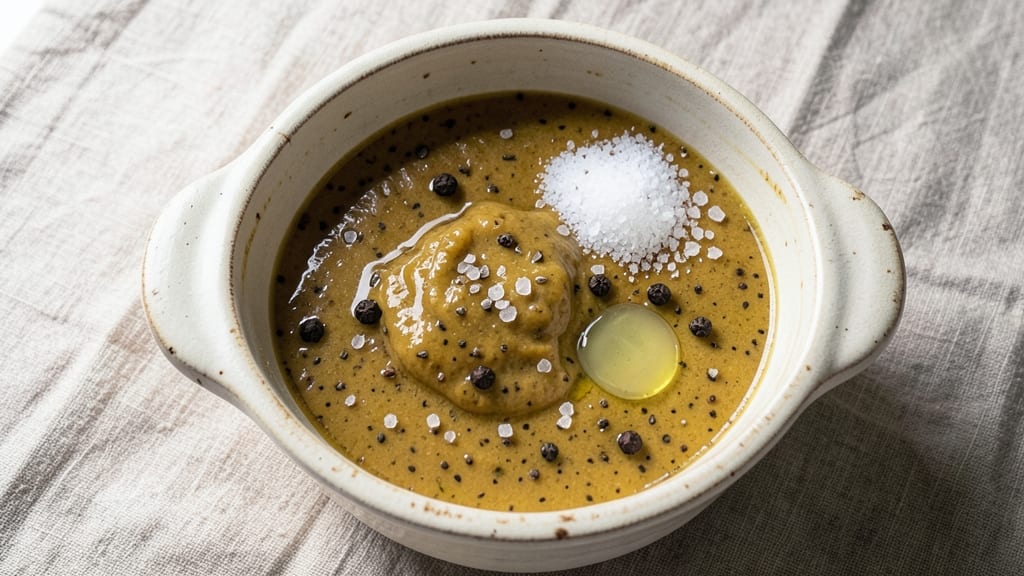
Grandma's salad dressing recipe is the one I still reach for when I need that perfect balance of tangy, sweet, and savory in every bite. 💛 The recipe comes from a yellowed index card tucked among my grandmother's handwritten notes—no fancy ingredients, just simple pantry staples that transform any salad into something extraordinary.
What makes this dressing special is its versatility—it works equally well on fresh greens, hearty grain bowls, or as a dip for crudités. The secret lies in the careful balance of oil, vinegar, and seasonings, mixed just until everything comes together.
Unlike store-bought versions, this dressing stays fresh for weeks and tastes better each time you shake it.
The result is a bright, flavorful vinaigrette that clings beautifully to vegetables while adding depth to any dish. The acidity cuts through richness, the herbs bring freshness, and the sweetness rounds out the flavors—all with just a few simple ingredients.
This is the kind of dressing that makes you appreciate the beauty of homemade.
Once you try this, you'll never go back to bottled dressings again. Let's make it together—it's simpler than you think.
Ingredients for grandma's salad dressing
Nine simple pantry staples transform into the dressing Grandma swore by—bright, tangy, and perfect for any salad.
| Ingredient | Amount | Notes |
|---|---|---|
| Extra-Virgin Olive Oil 🫒 | 1 cup | High-quality, fruity variety preferred |
| White Wine Vinegar 🍷 | ½ cup | Dry, crisp vinegar for brightness |
| Dijon Mustard 🧄 | 1 tbsp | Mellow, not spicy |
| Granulated Sugar 🍯 | 1 tbsp | Or honey/maple syrup for variation |
| Diamond Crystal Kosher Salt 🧂 | ½ tsp | Fine grain for even dissolution |
| Freshly Ground Black Pepper 🌶️ | ¼ tsp | Freshly cracked for aroma |
| Fresh Dill Weeds 🌿 | 2 tbsp | Finely chopped, stems removed |
| Garlic Cloves 🧄 | 2 cloves | Minced or pressed finely |
| Fresh Lemon Juice 🍋 | 1 tbsp | From 1 small lemon |
The olive oil and vinegar are the backbone of this dressing, so pick a fruity extra-virgin olive oil—none of that bitter kitchen-cupboard stuff. Trader Joe's has a great affordable option, but any bottle labeled 'fruity' or 'peppery' will work. For the vinegar, dry white wine vinegar is key—it's sharper than apple cider and won't taste sweet. I always grab mine from Whole Foods because their bulk section has a great selection, but the regular grocery store stuff is fine. The Dijon mustard? Maille is the gold standard, but any good-quality brand will do—just avoid the cheap, grainy kind. Fresh dill is ideal, but if you're using dried, cut the amount to one-third—it's way more potent.
No Dijon? Yellow mustard thinned with water works in a pinch, though it won't have the same depth. Short on fresh dill? Fresh parsley or tarragon adds a nice twist—just adjust to taste. The garlic can be roasted for a milder flavor if you're sensitive to raw. For the sugar, I usually use granulated, but honey or maple syrup adds a lovely floral note. The lemon juice is non-negotiable—freshly squeezed makes all the difference. If you're making this ahead, add the lemon juice last so it doesn't curdle the dressing. The salt and pepper are just for balance, but don't skimp—they make the flavors pop.
This dressing keeps beautifully—up to 3 weeks in the fridge if you store it in a clean glass jar with a tight seal. I like to shake it before each use to redistribute the oil. If it separates, just give it a good shake—it's normal! For extra longevity, add a pinch of salt to the jar before sealing. It's also freezer-friendly—portion into ice cube trays for single servings. Once you try this, you'll never buy bottled dressing again—it's that good.
Why You'll Love This Recipe
- No-Measuring-Cups Needed: I’ll be honest—this dressing comes together with just a handful of spoons, no scales or fancy tools. That little jar of Dijon? A tablespoon’s worth. The sugar? A teaspoon to balance the vinegar’s bite. Even my college-dorm self could’ve pulled this off.
- Tangy-Sweet Balance: The white wine vinegar cuts through greens like a knife, but the sugar—just a touch—softens the edge so it doesn’t sting. And the Dijon? Oh, that’s the secret: it adds a deep, almost umami richness that makes every bite feel like a hug.
- Weeknight Workhorse: I’ve drizzled this over everything from takeout chicken to cold pasta salads, and it never lets me down. Honestly, it’s my go-to when I’m too tired to think—just toss it in a jar, shake, and boom. Leftovers? They last a week in the fridge, ready to rescue whatever’s in the fridge.
- Pantry Staple Magic: Between us, this recipe costs pennies per serving. Olive oil and vinegar last forever, and the rest? Basic stuff you already own. It’s the kind of dressing that makes you feel like you’re eating fancy without spending a dime—perfect for when your wallet’s lighter than your fridge.
Step-by-step instructions for Grandma's salad dressing recipe
Here's how to whip up this tangy, aromatic vinaigrette that tastes like a summer memory.
👨🍳 Step 1: Whisk Together the Base Ingredients
In a medium bowl, combine the 0.5 cup white wine vinegar with the 1 tbsp granulated sugar and 1 tbsp Dijon mustard. Whisk vigorously for 30 seconds until the sugar dissolves completely and the mixture looks smooth. This creates the perfect balance of sweet, tangy, and slightly mustardy foundation.
Here's the thing—don't skip dissolving the sugar. It might seem like it's just for sweetness, but it also helps emulsify the dressing later. If you see any undissolved sugar crystals, keep whisking for another 10 seconds until everything blends seamlessly.
🍳 Step 2: Add Aromatics and Seasonings
To the vinegar mixture, add the 2 cloves minced garlic, 2 tbsp finely chopped fresh dill, 1 tbsp fresh lemon juice, 0.5 tsp Diamond Crystal kosher salt, and 0.25 tsp freshly ground black pepper. Whisk everything together for another 30 seconds until the garlic and dill are fully incorporated and the seasonings are evenly distributed.
I always press the garlic cloves through a garlic press for this recipe—it gives you that perfect fine texture without any chunks. The dill should be chopped very finely so it blends smoothly. If you're using dried dill, reduce to 1 teaspoon—fresh is always better, but dried works in a pinch.
🥘 Step 3: Gradually Incorporate the Olive Oil
With the whisk still in the bowl, very slowly drizzle in the 1 cup extra-virgin olive oil while whisking continuously. This gradual addition is crucial—it allows the oil to emulsify properly with the vinegar mixture rather than separating. Start with just a few drops at first, then increase to a steady stream as the mixture begins to thicken slightly.
You'll know you're doing it right when the dressing starts to look creamy rather than watery. If you see the oil starting to separate, just give it another 10-15 vigorous strokes with the whisk. The key is patience—rushing this step often leads to a broken emulsion later.
⏰ Step 4: Taste and Adjust for Perfection
Taste the dressing immediately after whisking. At this point, it should have a bright, tangy flavor with notes of garlic and dill. If it needs more acidity, add another ½ teaspoon of white wine vinegar. For more sweetness, add a pinch more sugar. If it's too thick, thin it with 1 teaspoon of water or more vinegar.
I like to let the dressing sit for 5 minutes before final adjustments. Sometimes flavors meld better after a short rest. Give it one last taste and adjust seasoning if needed. The dressing should coat the back of a spoon but still pour easily—this is the perfect consistency for tossing salads without making them soggy.
🍽️ Step 5: Store and Use Immediately
Transfer the dressing to a clean glass jar with a tight-sealing lid. Store it in the refrigerator for up to 1 week, though I find it's always best within 3-4 days for maximum freshness. Before using, give it a good shake—sometimes dressings separate slightly even with proper whisking.
This dressing shines on mixed greens, grain salads, or even as a marinade for grilled chicken. The bright flavors cut through rich ingredients beautifully. If you want to get fancy, strain it through a fine-mesh sieve to remove any dill stems or garlic bits for a completely smooth texture.
Pro Tips For Making Grandma'S Salad Dressing
- Whisk in Stages: Start with the mustard and vinegar, then slowly drizzle in the oil while whisking furiously—this keeps the dressing smooth instead of breaking into clumps. I used to dump everything in at once and ended up with a greasy, lumpy mess every time.
- Use Cold Mustard: Scoop the Dijon mustard straight from the fridge and mix it into the vinegar first—this prevents the oil from separating later. Warm mustard thins too fast, and you’ll end up with a dressing that splits no matter how hard you whisk.
- Salt Before Mixing: Taste the vinegar and mustard combo before adding oil or sugar, then salt it like you would a finished dish—about ½ teaspoon per 2 tablespoons of vinegar. This balances the acidity right from the start, so you don’t overcorrect later.
- Measure Sugar Precisely: Use a kitchen scale for the sugar—1 teaspoon of granulated is not the same as 1 teaspoon of packed brown sugar. Too little, and the dressing tastes sharp; too much, and it turns cloying. Weigh it once, then eyeball future batches.
Wine and beer pairings for this recipe
White Wine Pairings
This dressing’s bright acidity and herbal notes make it a perfect match for crisp, dry white wines. I always reach for a Sauvignon Blanc from New Zealand—its citrusy brightness mirrors the lemon and vinegar in the dressing.
The zesty grapefruit notes complement the dill and garlic beautifully. A Pinot Grigio from Italy is another winner, especially if you prefer something lighter with a touch of minerality. 🍷
Crisp Lager Balance
For beer lovers, a Belgian witbier like Hoegaarden works surprisingly well. The coriander and orange peel notes in the beer enhance the dressing’s fresh dill and lemon. If you prefer something simpler, a crisp American lager like Miller Lite or Coors Banquet cleanses the palate without overpowering the dressing’s tang.
I keep a six-pack of Blue Moon on hand for these occasions—it’s my go-to for any herbaceous salad.
Sparkling Wine Elevation
Don’t underestimate the power of Prosecco or Cava with this dressing. The bubbles cut through the richness of hearty salads, while the slight sweetness in Prosecco balances the vinegar’s sharpness.
I like to serve it chilled in small glasses alongside a charcuterie board—it’s become a summer staple in my kitchen. The effervescence makes every bite feel special. 🥂
Red Wine for Bold Salads
If you’re serving this dressing with a grilled steak salad or roasted vegetable platter, a light Beaujolais or Chianti can work. The red fruit notes in these wines stand up to the dressing’s bold garlic and dill flavors.
Just avoid heavy reds like Cabernet—they’ll clash with the brightness. I’ve found a Pinot Noir from Oregon pairs beautifully, especially when the salad includes earthy mushrooms or walnuts.
Non-Alcoholic Options
For those who prefer non-alcoholic pairings, a sparkling apple cider like Martinelli’s adds a festive touch. The carbonation mimics wine’s cleansing effect, while the apple sweetness complements the dressing’s sugar.
For something more sophisticated, try a ginger beer—the spicy kick enhances the garlic and dill. I often serve these at family gatherings when alcohol isn’t an option. 🍏
Nutrition facts
Frequently asked questions
Can I make this dressing without fresh herbs?
If you don't have fresh dill, substitute 1 teaspoon dried dill (or 1 tablespoon fresh parsley or ½ teaspoon dried tarragon). For extra flavor, add ½ teaspoon dried oregano or ¼ teaspoon celery seed—just remember dried herbs are more potent than fresh. The dressing will still taste amazing, just with a slightly different herbal profile.
Why does my homemade dressing separate after a few days?
This is completely normal! Oil and vinegar naturally separate when not actively whisked. The key is to give it a vigorous shake before each use—it'll emulsify right back together. For longer shelf life, store it in a small glass jar (less air exposure) and add ½ teaspoon extra mustard when making it, which acts as a natural emulsifier. Even store-bought dressings do this sometimes!
How can I make this dressing spicier or sweeter?
For extra heat, add ½ teaspoon hot sauce or ¼ teaspoon cayenne pepper when whisking. For more sweetness, increase the sugar to 2 tablespoons or replace it with 1 tablespoon honey. You can also add 1 teaspoon grated ginger for a unique twist. Always taste as you go—homemade dressings are all about customization!
Is this dressing safe to eat if it smells slightly off?
When in doubt, throw it out! If your dressing develops a sour, fermented, or off odor, it's best to discard it. The vinegar base should keep it safe for 1-2 weeks in the fridge, but if it smells funky (even slightly), the acidity may have broken down. Fresh ingredients are key—always use clean utensils and store it properly in an airtight container. When in doubt, make a fresh batch!
Can I use this dressing as a marinade?
Yes! This dressing makes an excellent marinade for chicken, fish, or tofu. The acidity helps tenderize proteins, while the garlic and herbs add amazing flavor. For best results, marinate for 2-4 hours (never longer than 6 hours for safety). Reserve ¼ cup of the dressing to use as a sauce after cooking. The bright flavors pair perfectly with grilled meats!