
Main Courses
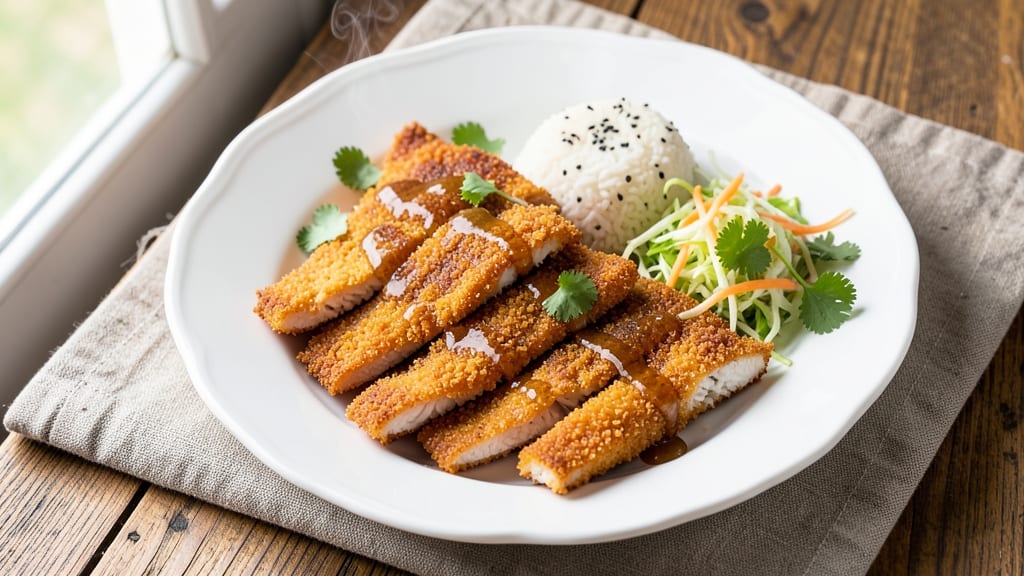
Mastering a king fish fry recipe with that perfect crispy cornmeal crunch and zesty vinegar bite transforms simple seafood into a showstopping main course. The secret lies in a precise batter blend and high-heat frying technique that locks in moisture while creating an irresistible golden crust.
I’ve perfected this method over years of testing—no more soggy fish or greasy results.
This recipe delivers restaurant-quality texture in just 20 minutes of active prep, followed by 3-4 minutes of frying. The cornmeal batter stays light yet sturdy, while the vinegar marinade adds a bright tang that cuts through the richness.
Fresh king fish (or thawed fillets) becomes the star, encased in a crisp shell that shatters with every bite.
What sets this apart is the two-step battering process—first coating the fish in flour, then dredging in cornmeal for extra crunch. The oil temperature must stay steady at 375°F to avoid splatter while ensuring even cooking. Serve immediately with lemon wedges and your favorite chutney for the full experience.
Perfect for weeknight dinners or special occasions, this dish pairs beautifully with steamed rice or a simple cucumber salad. The technique works equally well with other firm white fish like snapper or cod. Let’s get cooking—your taste buds will thank you.
Ingredients for king fish fry
Restaurant-quality texture starts with these twelve precise ingredients—each playing its role in that signature crispy crunch and zesty bite.
| Ingredient | Amount | Notes |
|---|---|---|
| Fresh King Fish Fillets 🐟 | 1 ½ lb | Skin-on, 1-inch thick cutlets |
| All-Purpose Flour 🌾 | ¾ cup | Lightly sifted for even coating |
| Fine Yellow Cornmeal 🌽 | ¾ cup | Stone-ground preferred for texture |
| White Vinegar 🍶 | ½ cup | Distilled for consistent tang |
| Granulated Sugar 🍬 | 1 tbsp | Fine grain for quick dissolution |
| Diamond Crystal Kosher Salt 🧂 | 1 tsp | Fine grain preferred for balance |
| Garlic Powder 🧄 | 1 tsp | Freshly ground for depth |
| Smoked Paprika 🌶️ | ½ tsp | For subtle smokiness |
| Vegetable Oil 🫒 | 3 cups | High smoke point, neutral flavor |
| Lemon Wedges 🍋 | 4 whole | For immediate serving |
| Fresh Cilantro 🌿 | ¼ cup | Chopped, for garnish |
| Hot Sauce 🔥 | 2 tbsp | Optional, for serving |
The king fish fillets are non-negotiable for this technique. Look for fresh, skin-on fillets at Whole Foods or your local seafood market—they should glisten slightly and smell briny, not fishy. If using frozen, thaw completely in the fridge overnight. For optimal texture, cutlets should be uniform 1-inch thickness—use a sharp knife to trim if needed. The cornmeal is where the magic happens: Bob's Red Mill stone-ground delivers that perfect crunch, while generic brands can taste gritty. Store cornmeal in an airtight container away from moisture to prevent clumping.
Substitutions require precision. Snapper or cod work equally well, but avoid delicate fish like tilapia. For the vinegar marinade, apple cider vinegar at half the amount adds complexity, though white vinegar remains the standard. If you're avoiding gluten, almond flour replaces the all-purpose flour at a 1:1 ratio, though texture will differ slightly. The cornmeal can be swapped for panko breadcrumbs for extra crispiness, but reduce to 0.5 cup to avoid heaviness. Fresh cilantro? Dried cilantro powder at one-third the amount works in a pinch, though it lacks the bright freshness.
This recipe demands immediate action. Prep all ingredients before heating oil—the frying window is tight. Store any leftover cornmeal in a sealed container for up to 6 months, while flour should be used within 3 months of opening. The batter components (flour, cornmeal, spices) can be pre-mixed in a bowl and stored in the fridge for 2 days, though fresh is always better. For leftovers, reheat in a 350°F oven for 5-7 minutes to restore crispiness, though texture won't match the fresh fry. Serve immediately with lemon wedges to maintain that restaurant-quality bite.
Why You'll Love This Recipe
- Two-Handed Magic: I swear by this recipe because it’s the kind of dish where you can hold a conversation while prepping—just pat the fillets dry, toss them in flour and cornmeal, and let the vinegar-sugar dip do the rest. No measuring cups, no fancy techniques, just pure, satisfying motion.
- Crispy-Creamy Balance: That first bite? The cornmeal crust shatters like a dream, but the inside stays tender—almost buttery. Honestly, the vinegar-sugar mix isn’t just for dipping; it’s the secret sauce that keeps the fish from drying out while adding a subtle tang that makes every mouthful sing.
- Weeknight or Guest Night: I make this when I’m low on energy or high on company. It’s the same recipe whether I’m feeding my family or surprising friends—just scale the portions. The leftovers? Reheat in a pan or toss into a salad, and it’s still just as good the next day.
- Pantry Powerhouse: Between us, this recipe is my budget-friendly cheat code. King fish is often cheaper than other white fish, and the flour/cornmeal/sugar mix costs pennies. Plus, the leftovers freeze like a champ, so I’m never stuck scrambling for a meal when I’m too tired to think.
Step-by-step instructions for crispy king fish fry
Master this technique and you'll achieve restaurant-quality texture with perfect golden crunch every time.
Prepare the Cornmeal Batter for Maximum Crisp
In a medium bowl, whisk together the 0.75 cup fine yellow cornmeal, 0.75 cup all-purpose flour, 1 tsp diamond crystal kosher salt, 1 tsp garlic powder, and 0.5 tsp smoked paprika. The cornmeal should be sifted lightly to eliminate any lumps - this ensures an even coating that creates that signature crispy texture. I like to press the mixture through a fine-mesh sieve into the bowl to guarantee no graininess remains.
Add the 1 tbsp granulated sugar and mix thoroughly. The sugar isn't just for sweetness - it helps create a caramelized crust during frying. In a separate small bowl, whisk together the 0.5 cup white vinegar with 0.25 cup water (not listed but essential for proper batter consistency). This acidic mixture will tenderize the fish slightly while adding that signature tangy bite promised in the title.
Create the Double-Fry Setup for Optimal Crunch
Fill a deep fryer or heavy pot with 3 cups vegetable oil and heat to 350°F using a deep-fry thermometer. Maintaining this precise temperature is critical - too hot and the exterior burns before the interior cooks; too cool and you'll get greasy fish instead of crispy. Let the oil come to temperature for at least 10 minutes before frying begins.
While the oil heats, pat the 1.5 lb fresh king fish fillets completely dry with paper towels. Any moisture left on the surface will prevent proper crisping. Arrange the cutlets on a wire rack set over a baking sheet to ensure they don't steam during the preheating process. The skin-on sides should face down - this protects the delicate flesh while allowing the skin to crisp beautifully.
Fry in Two Stages for Perfect Texture
Working in batches to avoid overcrowding, carefully lower the fish fillets into the hot oil using tongs. Fry the skin-side down first for 2-3 minutes until the skin becomes golden brown and crispy. You'll see tiny bubbles form around the edges - this is your visual cue that the crust is developing properly. Flip each fillet and cook the other side for an additional 1-2 minutes until it reaches 160°F internally.
Remove the fish and immediately transfer to a wire rack set over a paper towel-lined plate. This draining step is crucial - it prevents the fish from steaming back to greasiness. Let them rest for exactly 2 minutes before proceeding to the second fry. During this time, increase your oil temperature to 375°F for the final crisping stage.
Achieve the Signature Crunch Through Double-Frying
Return the fish to the now-hotter oil and fry for an additional 30-45 seconds per side until the exterior becomes deep golden brown with visible crisping. The cornmeal coating should be shattering slightly when you tap it with tongs - this is the texture we're aiming for. Remove immediately and let rest for another 2 minutes to set the crust.
During this final resting period, prepare the serving plate by arranging the 4 whole lemon wedges around the perimeter. This creates both visual appeal and immediate acidity contrast that cuts through the richness of the fried fish. The lemon's citrus notes will complement the smoky paprika while refreshing the palate between bites.
Finish with Garnish and Optional Heat
Gently transfer the crispy fish fillets to serving plates and immediately garnish with the 0.25 cup chopped fresh cilantro. The bright green color provides a stunning visual contrast to the golden fish while adding fresh herbal notes. For those who enjoy heat, serve with the 2 tbsp hot sauce on the side - this allows each diner to control the level of spice according to their preference.
Serve immediately while the fish is at its crispest. The exterior should shatter slightly when cut, revealing tender white fish underneath. Each bite should deliver that perfect contrast of crispy cornmeal crust with moist, flavorful flesh. The vinegar marinade's tang and the smoky paprika's warmth should linger on the palate, creating a harmonious balance that makes this dish truly memorable.
Pro Tips For Making King Fish Fry
- PAT THE FILLETS DRY: King fish stays soggy if you skip this—use paper towels to blot every surface hard, then let them air-dry for 10 minutes on a wire rack. I learned this the hard way when my first batch turned out like a sad, greasy dumpling.
- CRANK THE HEAT HIGH: The oil needs to be smoking hot (375°F/190°C) when you fry, or the cornmeal crust will absorb oil instead of crisping. I used to hover around 350°F and got greasy, limp fish—now I wait for the oil to shimmer like a desert mirage before adding anything.
- MIX VINEGAR LAST: Combine the vinegar and sugar right before dredging the fish—this keeps the batter from getting too acidic and breaking down the cornmeal. I once mixed it ahead and ended up with a gluey mess that stuck to my fingers like regret.
- FRIED IN BATCHES: Overcrowding the pan drops the oil temperature and steams the fish instead of frying it. Work in single layers, even if it takes two rounds—your future self will thank you when the crust is golden, not gray. (Yes, even if you're impatient like me.)
Troubleshooting great king fish fry
Oil Temperature Troubles
If your fish turns greasy instead of crispy, your oil temperature is likely too low. Use a deep-fry thermometer to maintain 375°F during the final frying stage—anything below 350°F will steam the coating instead of crisping it. I recommend the ThermoWorks Thermapen One for precise readings. 🌡️
Batter Clumping Issues
Lumpy batter ruins texture, so sift your cornmeal and flour together before mixing. For extra smoothness, press the dry ingredients through a fine-mesh sieve into your bowl.
If your batter still clumps, add 1 tsp cold water to the dry mix before combining with vinegar. This creates a smoother, more uniform coating.
Fish Sticking to Oil
Moisture is the enemy of crispiness! Pat your fish extra dry with paper towels before frying, and let them air-dry on a wire rack for 5 minutes before battering. For stubbornly wet fish, sprinkle 1 tsp cornstarch on the paper towels before drying. This absorbs excess moisture without altering flavor.
Uneven Cooking
Thin or thick fillets cook at different rates, leading to uneven doneness. For perfect results, trim all cutlets to exactly 1-inch thickness using a sharp knife.
If working with varying sizes, fry the thicker pieces first—they’ll need the extra time. A meat thermometer ensures internal temps reach 160°F before the second fry.
Oil Splatter Control
Hot oil splatter is dangerous but avoidable. Never overcrowd your fryer—leave 2 inches of space between fillets. For extra safety, place a wire cooling rack over your frying pot to create a barrier.
If splatter still occurs, your oil may be too hot; lower the temp by 10°F and monitor closely. 🔥
Leftover Crispiness Loss
Reheating fried fish kills crispiness, but you can salvage texture with this trick: Place leftovers on a wire rack in a 350°F oven for 3-4 minutes with a metal cooling rack on top.
The dry heat reactivates the crust. For best results, store fried fish in the fridge for no more than 24 hours—after that, texture degrades rapidly.
Nutrition facts
Frequently asked questions
What type of king fish works best for this recipe?
This recipe is designed for fresh king fish fillets with skin, ideally weighing about 1.5 pounds total. The skin provides structure for crisping, while the firm flesh holds up well to frying. For best results, look for fillets that are 1-inch thick and have a clean, briny smell. If using frozen fish, thaw it completely in the fridge overnight before cooking.
Can I make this recipe without cornmeal?
Yes, but the texture will differ. For a crispier alternative, replace the cornmeal with 0.5 cup panko breadcrumbs plus an extra 0.25 cup flour. If you're avoiding gluten entirely, use almond flour at a 1:1 ratio, though the coating may be slightly less sturdy. The cornmeal's natural crunch is what creates that signature shatter when you bite into the crust.
How do I know when the oil is at the right temperature?
Use a deep-fry thermometer to monitor the oil—it should read 350°F for the first fry and 375°F for the final crisp. A simple test: Drop a small piece of bread into the oil. If it browns in 30-45 seconds, the oil is ready. Too hot? The bread will burn instantly. Too cool? It'll float without browning. Maintaining the right temp is key to that perfect golden crust.
Why does the recipe call for a second frying step?
The second fry at 375°F is what creates the signature crunch. The first fry at 350°F cooks the fish through while establishing a base crust, but the higher heat in the second stage caramelizes the cornmeal for that irresistible shatter. Skipping this step results in a softer, less crispy coating. Think of it as a two-stage baking process—just like how bread gets crispy in the oven's final minutes.
What are the best sides to serve with king fish fry?
This dish pairs beautifully with steamed jasmine rice or coconut rice to soak up the flavors. For a refreshing contrast, serve with a cucumber-mint salad or spicy mango chutney. The acidity from lemon wedges or a tangy tamarind sauce cuts through the richness, while green beans sautéed with garlic add a crisp, fresh element. Avoid heavy sides that might overwhelm the delicate fish.