
Main Courses
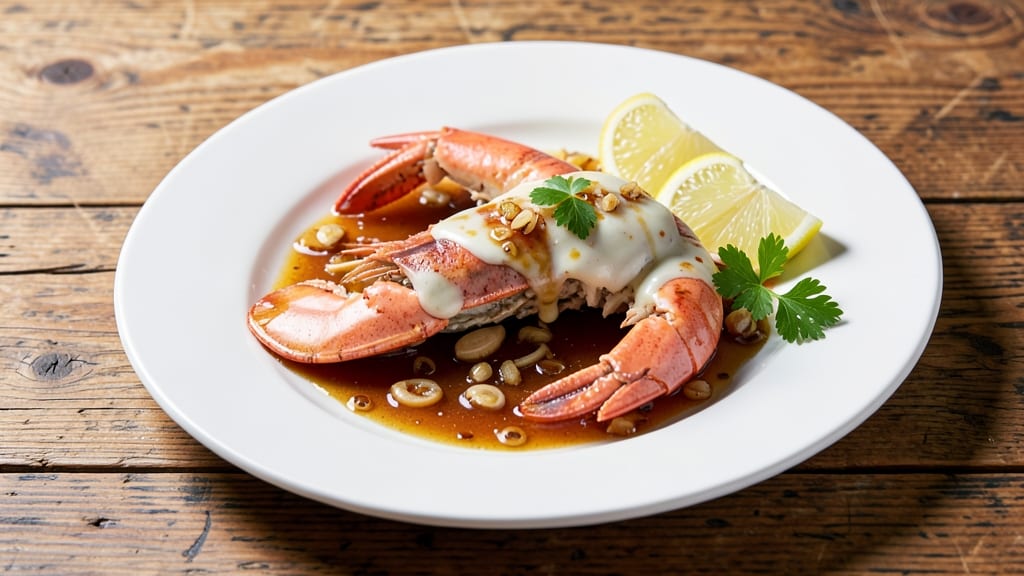
This lobster without shell transforms a fancy restaurant dish into a 20-minute weeknight luxury you can actually pull off. 💛 I remember my first time handling lobster meat—it was intimidating until I learned the secret: butter, white wine, and patience.
The result? Silky, melt-in-your-mouth pieces that taste like a coastal vacation.
Here's the game-changer: no need for fancy equipment or hours of prep. Just lobster meat, butter, and a splash of white wine—everything simmers together until the lobster becomes tender and the sauce thickens into a golden, aromatic dream.
The key is keeping the heat low and letting the butter work its magic, creating a sauce so rich it'll have everyone asking for seconds.
What you'll end up with is restaurant-quality lobster that's creamy, buttery, and infused with just the right amount of wine brightness. The sauce clings to each piece, making every bite feel like a special occasion.
Perfect for impressing guests or treating yourself to a seafood splurge without the fuss of cracking shells.
Pair it with crusty bread to soak up that velvety sauce or serve it over a bed of spinach for a touch of freshness. A chilled glass of Sauvignon Blanc makes this meal feel complete. Let's make lobster night simple again!
Ingredients for lobster without shell
Luxury ingredients that come together in minutes for restaurant-worthy lobster.
| Ingredient | Amount | Notes |
|---|---|---|
| Lobster Meat 🦞 | 1 ½ lb | Fresh or thawed, tail meat preferred |
| Unsalted Butter 🧈 | ¾ cup | Cold, cut into small cubes |
| Dry White Wine 🍷 | ¾ cup | Sauvignon Blanc or Pinot Grigio |
| Fresh Lemon Juice 🍋 | 2 tbsp | Freshly squeezed |
| Garlic Cloves 🧄 | 3 cloves | Minced, for aroma |
| Shallots 🧅 | 2 whole | Minced, or sub with onions |
| Fresh Parsley 🌿 | ¼ cup | Chopped, for garnish |
| Salt 🧂 | 1 tsp | Kosher or sea salt |
| Black Pepper 🌶️ | ½ tsp | Freshly ground |
| Heavy Cream 🥛 | ¼ cup | Optional, for extra richness |
| Crusty Bread 🍞 | 1 whole | For serving, optional |
| Spinach 🍃 | 2 cups | Fresh, for bedding optional |
The lobster meat is where the magic happens—fresh is non-negotiable (frozen works too, but thaw completely). Whole Foods or your local seafood market usually have the best quality. Look for bright, translucent meat with no fishy smell. I always grab extra because it disappears fast. The butter? Use European-style if you can—it has more flavor. If you're using frozen lobster, thaw it in the fridge overnight wrapped in a paper towel to keep it dry. That's key for crisp edges when poached.
No white wine? Dry chicken broth with a splash of lemon juice works in a pinch—just skip the heavy cream. Swapping shallots for onions? Use half the amount since they're stronger. Fresh parsley is ideal, but dried parsley at one-third the amount gets you close. The heavy cream is totally optional, but if you're serving this to guests, trust me on the full-fat version. It makes the sauce velvety. And if you're short on time, pre-mince the garlic and shallots—saves 5 minutes of chopping later.
This sauce is best served immediately, but leftovers reheat beautifully. Store in an airtight container for up to 2 days—the sauce thickens further as it cools, so add a splash of wine or water when reheating. For a crowd, double the recipe—it's perfect for buffet-style serving. The bread soaks up the sauce like a dream, and the spinach adds a nice fresh contrast if you want to plate it fancy. Freezes for 1 month if you're planning ahead, but honestly, it's better fresh.
Why You'll Love This Recipe
- No Fuss, Big Payoff: I swear by this recipe when I’m short on time—just melt butter, toss in garlic and lobster, splash in wine and lemon, and let it simmer. No peeling, no steaming, no stress. That’s 15 minutes of hands-off magic.
- Buttery Wine Kiss: The moment that white wine reduces into the butter? Pure flavor gold. The garlic infuses just enough to make it rich, but the bright lemon cuts through—like a fancy bistro dish without the fuss. (Yes, even on a Tuesday night.)
- Leftover Luxury: This recipe actually improves the next day. Reheat the lobster in a little extra butter, and it’s even more tender. I’ve packed it in lunches, tossed it into pasta, or just eaten it straight from the pot with crusty bread—no judgment.
- Weeknight Date Night: Honestly, this is my go-to when I want to impress but don’t want to slave over a meal. The lobster feels special, but the prep is so simple my partner never guesses how little effort it took. (Between us, he thinks I’m a secret chef.)
Step-by-step instructions for lobster without shell
Here's how to transform simple ingredients into restaurant-worthy lobster in just 20 minutes.
🍳 Step 1: Sauté Aromatics Until Fragrant
In a large skillet, melt the 0.75 cup unsalted butter over medium heat until it foams. Add the 2 whole shallots and 3 cloves garlic cloves, both minced, and cook for 3-4 minutes until the shallots soften and become translucent. You'll smell that beautiful garlic aroma—this is where all the flavor starts.
Here's the thing—don't let the shallots brown or burn. You want them just soft and sweet, not crispy. If they start to darken, reduce the heat slightly. I like to stir occasionally with a wooden spoon to ensure even cooking throughout. This aromatic base will infuse the lobster with incredible depth of flavor.
🍳 Step 2: Deglaze and Simmer the Wine
Pour in the 0.75 cup dry white wine and immediately scrape up any browned bits from the bottom of the pan with a wooden spoon. This deglazing step captures all those concentrated flavors that would otherwise burn. Let the wine simmer for 2-3 minutes until reduced by about half—you'll see the liquid go from pale to a richer, more concentrated color.
This reduction process is crucial. It intensifies the wine's flavor and creates a velvety sauce that will perfectly coat the lobster. If you notice the wine reducing too quickly, lower the heat to maintain a gentle simmer. The goal is to concentrate the flavors without cooking off all the alcohol, which contributes to the sauce's complexity.
🥘 Step 3: Poach the Lobster in Luxurious Butter Sauce
Add the 1.5 lb lobster meat, 1 tsp salt, and 0.5 tsp black pepper to the skillet. Stir gently to coat the lobster in the butter and wine mixture. Pour in the 2 tbsp fresh lemon juice and the 0.25 cup heavy cream (if using), then bring everything to a gentle simmer over medium-low heat. Cover the skillet and cook for 8-10 minutes until the lobster is just cooked through and the sauce has thickened slightly.
You'll know it's done when the lobster turns opaque and flakes easily with a fork. The sauce should coat the back of a spoon with a luxurious, velvety consistency. I always check for doneness by gently lifting a piece of lobster with a fork—it should be tender but still hold its shape. If the sauce thickens too much, add a splash of water or wine to loosen it.
👨🍳 Step 4: Prepare the Spinach and Garnish
While the lobster cooks, heat a separate skillet over medium heat and add the 2 cups spinach. Cook for 1-2 minutes until just wilted—you want it vibrant green, not mushy. Remove from heat immediately and set aside. In a small bowl, combine the 0.25 cup fresh parsley with a pinch of salt for garnish.
Here's where it gets fun—toss the wilted spinach with a drizzle of the lobster sauce from the skillet. This step ensures every bite has that rich, buttery flavor. The spinach should be coated but still bright green, not soggy. The parsley adds a fresh pop of color and a bright, herbal note that cuts through the richness of the lobster and butter.
🍽️ Step 5: Serve with Crusty Bread
Transfer the lobster and sauce to a serving platter, spooning the spinach around the edges. Garnish with the parsley mixture and serve immediately with the 1 whole crusty bread on the side. The bread is perfect for soaking up every last bit of that luxurious butter sauce.
This dish is all about presentation and texture contrast. The tender lobster, velvety sauce, bright spinach, and crispy bread create a symphony of flavors and textures. Serve with a chilled glass of the same white wine you used in the recipe—it complements the dish beautifully and ties everything together.
Pro Tips For Making Lobster Without Shell
- Deglaze Aggressively: After searing the garlic in butter, pour in that white wine and immediately scrape every last bit from the pan with a wooden spoon—don’t just dump it in and walk away. The fond stuck to the bottom is where the flavor lives, and skipping this step means missing out on the richest part of the sauce.
- Pat It Dry: Lobster meat soaks up liquid like a sponge, and wet meat steams instead of sears. Before you even think about adding butter, grab paper towels and press firmly on both sides to remove all moisture—yes, even if it feels excessive. Trust me, the crust will be worth it.
- Don’t Overcrowd the Pan: I used to toss in all the lobster meat at once, thinking it would cook faster. Bad move. Crowding lowers the pan’s temperature, and you end up with unevenly cooked, sad-looking chunks. Work in batches—just enough to fit snugly in one layer—so the butter can properly sizzle and caramelize.
- Zest First, Juice Last: Finely grate lemon zest into the pan before adding the juice—it melds into the butter and wine like a secret agent, brightening the whole dish without overpowering it. Save the juice for the very end, when the lobster is nearly done, so it doesn’t turn the butter into a sad, watery sauce.
Pro cooking tips for lobster without shell
Butter Temperature Matters
Cold butter is your secret weapon—it melts gradually and creates a silky sauce instead of splattering. I always cut 0.75 cup unsalted butter into small cubes and let them melt slowly over medium heat until just foamy.
If you rush this step, you'll end up with a broken sauce that separates. 🥛
European-style butter like Plugrá or Kerrygold has higher fat content and more flavor, but any good-quality unsalted butter works. Avoid salted butter here—you control the seasoning, and extra salt can make the sauce taste flat. Trust me, the difference in flavor is noticeable when you use the good stuff.
Wine Reduction Precision
The wine reduction is where the magic happens, but timing is everything. Pour in the 0.75 cup dry white wine and let it simmer until reduced by about half (2-3 minutes).
If you rush this, the alcohol won't cook off properly, leaving a harsh taste. I like to use Sauvignon Blanc because its citrus notes pair perfectly with lobster.
Pro tip: Deglaze immediately after adding wine to capture all those flavorful browned bits. Use a wooden spoon to scrape the bottom—this is called the fond, and it's packed with flavor.
If your wine reduces too quickly, lower the heat to maintain a gentle simmer. The goal is a velvety, slightly concentrated sauce, not a dry one.
Lobster Doneness Test
Lobster meat is done when it turns opaque and flakes easily with a fork—this usually takes 8-10 minutes in the sauce. Overcooking turns it rubbery, so I always check by gently lifting a piece with a fork.
It should be tender but still hold its shape. If the sauce thickens too much, add a splash of wine or water to loosen it.
Here's a trick I learned from my grandmother: If the lobster looks undercooked but the sauce is thick, cover the skillet and let it steam for another 2 minutes.
The residual heat will finish cooking it without overcooking. The sauce will thicken further as it cools, so don't worry if it looks a little loose while hot.
Spinach Timing Trick
Wilt the spinach just until vibrant green—no more than 1-2 minutes over medium heat. Overcooking turns it mushy and dull. I like to add a drizzle of the lobster sauce to the spinach after wilted—this ensures every bite has that rich, buttery flavor.
The spinach should be coated but still bright, not soggy.
For extra flair, toss the spinach with a pinch of salt and a squeeze of lemon juice before mixing in the sauce. This brightens the greens and cuts through the richness of the lobster. Garnish with fresh parsley right before serving to keep it looking fresh and vibrant.
Sauce Rescue Tips
If your sauce breaks or separates, don't panic. Stir in 1 tbsp cold butter or 1 tbsp heavy cream to emulsify it. The fat from the butter or cream will help bind the sauce back together. If it's too thin, simmer uncovered for another 1-2 minutes to reduce it.
For a restaurant-quality finish, strain the sauce through a fine-mesh sieve before serving to remove any lobster bits. This creates a silky, smooth sauce that looks as good as it tastes. If you're short on time, just skim off any visible pieces with a spoon—it still tastes amazing.
Nutrition facts
Frequently asked questions
Can I use frozen lobster meat instead of fresh?
Just thaw it completely in the refrigerator overnight, wrapped in a paper towel to keep it dry. Fresh is ideal, but properly thawed frozen lobster works perfectly in this recipe. The texture remains tender as long as you don't overcook it.
What's the best white wine to use if I don't have Sauvignon Blanc?
Pinot Grigio or Chardonnay work beautifully as substitutes. Avoid sweet wines—they'll make the sauce cloying. Dry wines like these enhance the lobster's natural sweetness without overpowering it. If you're completely out of wine, dry chicken broth with lemon juice works in a pinch.
How do I know when the lobster is fully cooked?
Look for opaque, flaky meat that's tender but still holds its shape—this takes about 8-10 minutes. Overcooking makes it rubbery. A quick test: Gently lift a piece with a fork—it should separate easily but not fall apart completely.
Can I make this ahead of time?
Yes! Store leftovers in an airtight container for up to 2 days—the sauce actually thickens further as it cools. For serving later, reheat gently and add a splash of wine or water to loosen the sauce. It freezes well for 1 month too.
What if my sauce breaks or separates?
No worries! Stir in 1 tbsp cold butter or 1 tbsp heavy cream to emulsify it. The fat helps bind the sauce back together. If it's too thin, simmer uncovered for 1-2 minutes to reduce it. For a restaurant finish, strain through a fine-mesh sieve before serving.