
Soups & Stews
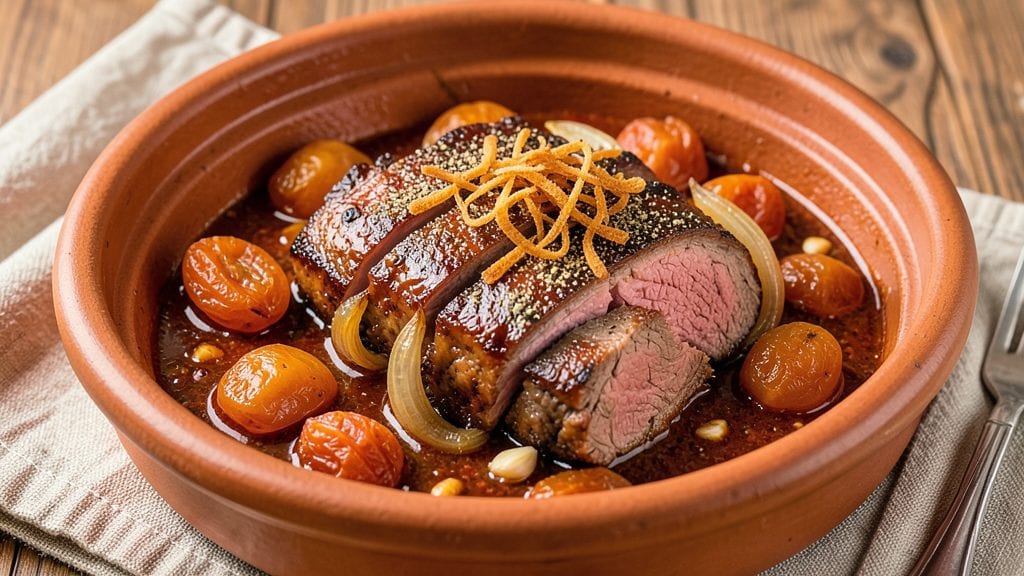
This Moroccan beef recipe transforms tough cuts into melt-in-your-mouth tenderness through a precise blend of harissa, sweet apricots, and aromatic spices. The key lies in marinating overnight, allowing flavors to penetrate deeply while tenderizing the meat—just like the slow-cooked tagines of Marrakech.
What sets this dish apart is the balance between heat from harissa and natural sweetness from dried apricots, creating a sauce that's rich yet bright.
The recipe builds on traditional Moroccan techniques while adapting for home kitchens, using accessible ingredients like cumin, coriander, and cinnamon to create that signature warm, earthy profile.
You'll start with a spice rub that develops into a fragrant crust on the beef, then simmer everything until the meat practically falls apart. The result is a dish that's hearty enough for a family dinner but elegant enough for guests.
By the time you serve this, your kitchen will smell like a Moroccan bazaar, and every bite will deliver layers of flavor—spicy, sweet, and smoky all at once.
The beef comes out fork-tender with a glossy sauce that clings perfectly, while the apricots add bursts of fruitiness that cut through the richness. Serve it over couscous or with warm flatbread to soak up every last drop of that incredible sauce.
This is the kind of recipe that transforms a simple weeknight into a cultural experience without requiring special equipment. The slow cooking method means you can prep ahead and let the flavors develop naturally, making it perfect for busy schedules.
Whether you're introducing Moroccan cuisine to your family or recreating a favorite restaurant dish, this recipe delivers professional-quality results at home.
Ingredients for moroccan beef
Tough beef meets aromatic spices and sweet fruit for a dish that smells like Moroccan magic.
| Ingredient | Amount | Notes |
|---|---|---|
| Beef Chuck Roast 🥩 | 2 lb | Tough cut, well-marbled preferred |
| Harissa Paste 🌶️ | ½ cup | High-quality, not too spicy |
| Dried Apricots 🍑 | ½ cup | Chopped, unsulfured preferred |
| Yellow Onions 🧅 | 1 whole | Medium size, finely chopped |
| Garlic Cloves 🧄 | 6 cloves | Fresh, peeled and minced |
| Ground Cumin 🌿 | 1 tbsp | Toasted for deeper flavor |
| Ground Coriander 🌿 | 1 tbsp | Freshly ground preferred |
| Ground Cinnamon 🌿 | ½ tsp | True Ceylon preferred |
| Turmeric Powder 🌿 | ½ tsp | Bright yellow color |
| Ginger Root 🌿 | 1 tbsp | Freshly grated, not powdered |
| Extra-Virgin Olive Oil 🫒 | ¼ cup | High-quality, fruity |
| Beef Broth 💧 | 1 ½ cups | Low-sodium preferred |
| Tomato Paste 🍅 | ¼ cup | High-quality, no sugar added |
| Honey 🍯 | 1 tbsp | Wildflower preferred |
| Fresh Cilantro 🌿 | ¼ cup | Chopped, for garnish |
The beef cut matters here—chuck roast is ideal because it's tough enough to benefit from the long cooking but tenderizes beautifully. Costco or Whole Foods usually carry the best cuts, but any well-marbled beef will work. Look for bright red color and good fat distribution. The harissa paste should be vibrant red, not dull brown—Goya or Burlap & Barrel are reliable brands. Dried apricots? Trader Joe's has the best unsulfured ones, but any good-quality dried fruit will do. Fresh ginger and garlic are non-negotiable—they make all the difference in that aromatic crust that forms on the beef.
No harissa paste? Mix 1 tbsp smoked paprika + 1 tsp cayenne + 1 tsp coriander + 1/2 tsp cinnamon as a substitute. Short on dried apricots? Dried plums or dates chopped fine work in a pinch. The tomato paste can be skipped if you're using a very rich beef broth, but I recommend it for that deep umami base. Fresh cilantro is ideal for garnish, but dried mint at half the amount gives a similar Moroccan touch. The honey should be good-quality—local wildflower adds subtle floral notes that complement the spices perfectly.
This marinade keeps 3 days in the fridge, so make it ahead if you're busy. The cooked beef reheats beautifully—best the next day when flavors meld completely. Store leftovers in the sauce, and it'll keep 5 days in the fridge. Freeze portions for 3 months if you're making a big batch. I always double the recipe because it's that good—perfect for meal prep or entertaining.
Why You'll Love This Recipe
- I’ll be real: this feeds a crowd without the stress. Double the batch, serve it with couscous for a dinner party, or pack leftovers for lunch. The flavors actually get better the next day—trust me.
- One-Pot Magic: Honestly, this dish is basically foolproof—just sear the beef, toss in the onions and garlic, then let the harissa and apricots work their magic in the same pot. No chopping boards to clean, no extra dishes to wash.
- Sweet Heat Bomb: That harissa paste? It’s the star—spicy, smoky, and just enough to make your taste buds dance. The dried apricots add a caramelized sweetness that balances it perfectly, like a warm hug for your palate.
- Weeknight to Weekend: I’ll be real: this feeds a crowd without the stress. Double the batch, serve it with couscous for a dinner party, or pack leftovers for lunch. The flavors actually get better the next day—trust me.
Step-by-step instructions for Moroccan beef with harissa and apricots
Here's how to transform a simple chuck roast into tender, aromatic Moroccan beef brimming with harissa heat and sweet apricot depth.
Sear the Beef Chuck Roast for Deep Flavor
Pat the 2 lb beef chuck roast thoroughly dry with paper towels—this ensures maximum browning. Heat the 0.25 cup extra-virgin olive oil in a heavy Dutch oven over medium-high heat until shimmering. Place the roast in the pot and sear on all sides for 4-5 minutes per side until deep golden brown. You'll see the fat begin to render and the surface develop a rich crust.
Once browned, remove the roast and set it aside. The goal here is to create a flavorful crust through the Maillard reaction, which will infuse the broth as we cook. Don't rush this step—patience now prevents a bland result later. The seared crust will also help lock in moisture during the long braising process.
Build the Spiced Apricot Base
In the same Dutch oven, add the 1 whole yellow onions and cook over medium heat for 5 minutes until softened. Add the 6 cloves minced garlic cloves and cook for another 30 seconds until fragrant. This step develops the aromatic foundation of your dish.
Next, stir in the 1 tbsp ground cumin, 1 tbsp ground coriander, 0.5 tsp ground cinnamon, 0.5 tsp turmeric powder, and 1 tbsp freshly grated ginger root. Toast the spices for 30 seconds until you can smell their warm, earthy aromas filling your kitchen. This is where the magic happens—the spices release their essential oils, creating complex layers of flavor.
Add the 0.5 cup chopped dried apricots and the 0.5 cup harissa paste, stirring to combine. Cook for 2 minutes until the apricots soften slightly and the harissa begins to darken. The sweetness of the apricots will balance the heat of the harissa, creating a perfect harmony of flavors.
Braise the Beef Until Fork-Tender
Return the seared beef roast to the Dutch oven. Add the 1.5 cups beef broth, 0.25 cup tomato paste, and 1 tbsp honey, stirring to scrape up any browned bits from the bottom of the pot. Bring to a simmer, then reduce heat to low, cover, and transfer to a preheated 300°F oven.
Braise for 3 hours, turning the roast occasionally. You'll know it's ready when the meat is fork-tender and easily pulls apart with minimal resistance. The liquid should have reduced significantly, creating a thick, flavorful sauce. If the liquid reduces too quickly, add a splash of water or broth to maintain moisture—just enough to keep the beef submerged.
Finish with Fresh Herbs and Garnish
Remove the beef from the oven and let it rest for 15 minutes. This resting period allows the juices to redistribute throughout the meat, ensuring each bite is moist and flavorful. While the beef rests, skim any excess fat from the surface of the braising liquid.
Return the pot to the stovetop over medium heat and reduce the sauce by half, stirring occasionally. The sauce should coat the back of a spoon and have a thick, velvety consistency. Stir in the 0.25 cup chopped fresh cilantro just before serving to add a bright, fresh finish that cuts through the richness of the dish.
Slice the beef against the grain into 0.5-inch thick slices and serve with the reduced sauce spooned over the top. The perfect balance of spicy harissa, sweet apricots, and tender beef will make this dish a standout centerpiece for any meal.
Pro Tips For Making Moroccan Beef
- SEAR THE ROAST FIRST: That beef chuck needs a proper crust before slow cooking—don’t skip the 4-5 minutes per side in a screaming-hot pan. I learned this the hard way when my first batch came out tender but flavorless; the harissa paste needs something to cling to, and a dark sear does that.
- SOAK THE APRICOTS: Dried apricots are tough little devils—toss them in warm water for 10 minutes before chopping, or they’ll turn to paste instead of melting into the sauce. (Yes, even if you’re impatient like me.) This also makes them easier to chop finely, so they blend right into the dish.
- DON’T DROWN THE GARLIC: When you’re sautéing onions and garlic with harissa, keep the heat medium-low or the garlic burns before the onions soften. Burnt garlic tastes bitter and overpowers the dish—trust me, I’ve ruined a whole batch by rushing this step.
- USE THE ONION JUICE: After caramelizing the onions, don’t pour out that golden liquid—it’s packed with flavor. Deglaze the pan with a splash of water or broth, scrape up those browned bits, and stir them into the sauce. It’s the thing that makes your dish taste like it came from a Moroccan home kitchen.
Regional styles of these flavors
Marrakech Tagine Style
In Marrakech, this dish is traditionally cooked in a tagine—a conical clay pot that slow-cooks meat with steam. The key difference? Use a heavy clay tagine (or a Dutch oven) and add preserved lemons (peel only, 1 tbsp) to the sauce for that signature tangy depth.
The dish is often finished with toasted almonds (¼ cup) and raisins (2 tbsp) for crunch and sweetness. Serve with Moroccan bread or couscous to soak up every bit of sauce. 🌿
Casablanca Coastal Twist
Casablanca’s coastal influence means fresh seafood often joins beef dishes. For this variation, add 1 cup chopped shrimp in the last 10 minutes of cooking—they absorb the harissa and apricot flavors beautifully. Garnish with fresh cilantro and a squeeze of lemon (1 tbsp juice) to brighten the dish.
Pair with garlic crusty bread for dipping. The shrimp adds a briny contrast to the rich beef. 🍤
Atlas Mountain Hearty Version
In the Atlas Mountains, recipes lean into lamb instead of beef, but this beef version works perfectly with a lamb-style spice blend. Swap ½ tsp cinnamon for 1 tsp ground fennel seeds and add 1 tbsp chopped preserved lemon peel.
The high altitude means longer cooking—braise for 3.5 hours instead of 3. Serve with warm flatbread and a side of spiced yogurt for cooling contrast. 🏔️
Fes Spiced Yogurt Sauce
Fes is famous for its spiced yogurt sauce, which elevates this dish. After braising, mix 1 cup plain Greek yogurt with 1 tsp ground cumin, ½ tsp harissa, and 1 tbsp chopped mint.
Serve the beef over couscous with this sauce spooned on top. The yogurt cools the heat while adding creaminess. For extra richness, drizzle with olive oil and sprinkle with toasted pine nuts. 🥛
Modern Fusion Adaptation
For a contemporary twist, add 1 cup roasted red peppers (jarred or fresh) to the braising liquid and top with crumbled feta cheese (¼ cup) before serving.
The smoky peppers and salty feta balance the sweet-spicy sauce. Garnish with toasted walnuts for crunch. This version works well in winter when you crave hearty, comforting flavors. 🍅
Nutrition facts
Frequently asked questions
What cut of beef works best for this Moroccan dish?
Use a tough, well-marbled cut like chuck roast or short ribs—these benefit from slow cooking and develop incredible tenderness. The fat content keeps the meat juicy while braising, and the connective tissue breaks down beautifully with the spices. Avoid lean cuts like sirloin, as they'll dry out during the long cooking time.
Can I make this recipe without harissa?
Yes! Substitute with 1 tbsp smoked paprika + 1 tsp cayenne + 1 tsp coriander for heat. For depth, add ½ tsp cinnamon + ½ tsp allspice. The harissa provides both heat and complexity, but this blend mimics its earthy-spicy profile. Adjust cayenne to taste if you prefer milder heat.
How do I know when the beef is fully tender?
The beef is done when it reaches an internal temperature of 195-205°F and easily pulls apart with minimal resistance. Insert a fork—if it slides in effortlessly and the meat separates into flakes, it's perfect. The sauce should also reduce to a thick, glossy consistency. Never overcook; the meat will continue tenderizing while resting.
What sides pair best with this Moroccan beef?
Serve with fluffy couscous or warm flatbread to soak up the sauce. For contrast, add a bright salad with cucumber, tomato, and lemon or a side of spiced yogurt. The dish also complements roasted vegetables like carrots or zucchini, which balance the richness.
Can I prep this ahead of time?
Marinate the beef 2-3 days ahead for deeper flavor. The fully cooked dish reheats beautifully—simmer gently on low heat or in a 350°F oven for 20 minutes. Store leftovers in the sauce to keep them moist. Freeze portions for 3 months by wrapping tightly in plastic.