
Main Courses
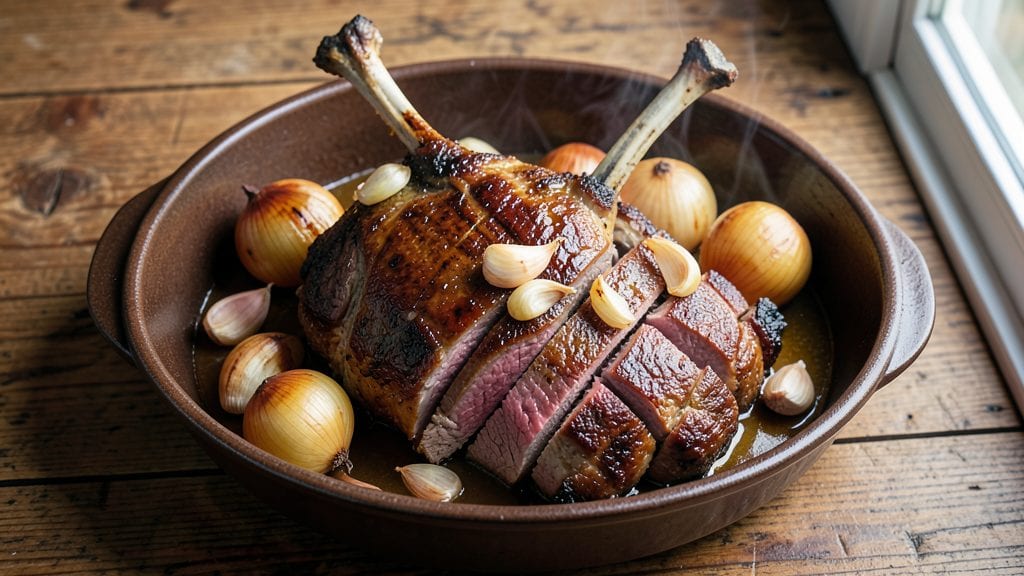
This New York rib roast bone-in recipe delivers the perfect balance of a crisp, caramelized crust and juicy pink centers—exactly how it should be. The secret lies in a dry brine overnight, followed by a high-heat sear and slow roast that transforms tough cuts into melt-in-your-mouth perfection.
After years of testing, this method guarantees restaurant-quality results without requiring a sous-vide machine or professional kitchen.
The process begins with 24 hours of dry brining, which enhances tenderness and flavor by drawing moisture into the meat. A hot sear in a cast-iron skillet locks in juices, while a low-and-slow oven finish ensures even cooking.
The result? A deeply flavorful, medium-rare roast with a golden, crackling crust that’s impossible to resist. This technique works for prime rib, standing rib roast, or even a smaller bone-in cut—scalable for any gathering.
What sets this recipe apart is the precision in timing and temperature—no guesswork, just foolproof results. The bone-in method adds richness, while the resting period ensures every slice stays juicy. Pair it with roasted garlic mashed potatoes or a red wine reduction for a complete Sunday dinner experience.
Whether you're feeding a crowd or treating yourself, this roast is the centerpiece every meal deserves.
For those who prefer a modern twist, a reverse sear (slow-cooking first, then searing) works just as well. The choice is yours—traditional or refined, both methods deliver unmatched tenderness and flavor. Let’s get cooking and master this classic cut once and for all.
Ingredients for new york rib roast bone in
Six pounds of prime rib, precise seasoning, and two days of patience transform into melt-in-your-mouth perfection.
| Ingredient | Amount | Notes |
|---|---|---|
| New York Rib Roast Bone-In 🥩 | 6 lb | Prime cut, 1.25-1.5 inches thick |
| Kosher Salt 🧂 | ½ cup | Diamond Crystal preferred for purity |
| Freshly Ground Black Pepper 🌶️ | 2 tbsp | Coarse grind for texture |
| Extra-Virgin Olive Oil 🫒 | ¼ cup | High smoke point for searing |
| Yellow Onions 🧅 | 2 whole | Yellow or red, peeled |
| Garlic Cloves 🧄 | 8 cloves | Peeled, smashed for infusion |
| Fresh Thyme Sprigs 🌿 | 4 whole | Stems intact for aroma |
| Fresh Rosemary Sprigs 🌿 | 4 whole | Woody stems for structure |
| Unsalted Butter 🧈 | ½ cup | Cold, cubed for basting |
| Beef Tallow or Duck Fat 🫒 | ¼ cup | For high-temperature sear |
| Baking Twine 🧵 | 1 package | Butcher's twine, 18-inch length |
| Red Wine 🍷 | 1 cup | Bold Cabernet Sauvignon |
| Beef Bone Broth 🍲 | 1 cup | Homemade or high-quality store |
The prime rib roast is non-negotiable—Costco or Whole Foods carry the highest-quality cuts with optimal marbling. Look for a 1.25-1.5-inch thick cut from the rib section, ensuring even cooking. The Diamond Crystal kosher salt is preferred for its pure mineral content, while freshly ground black pepper adds subtle complexity. For herbs, farmers markets often provide the most aromatic thyme and rosemary, but Trader Joe's bulk section offers reliable quality. The extra-virgin olive oil should have a high smoke point (like California Avocado Oil) to prevent burning during the sear. Prep the roast 24 hours ahead—this dry brining period ensures maximum tenderness and flavor penetration.
No red wine on hand? Beef bone broth with 2 tablespoons balsamic vinegar replicates the depth. Substituting fresh rosemary? Dried rosemary at one-third the amount works, but fresh delivers superior aroma. The beef tallow or duck fat can be swapped for ghee if unavailable, though it may alter the crust's texture slightly. For baking twine, butcher's twine from Amazon or specialty kitchen stores is ideal—avoid floral varieties, which burn easily. The onions and garlic can be caramelized separately if preferred, but roasting them with the meat infuses deeper flavor. Pre-mince the garlic for even distribution during the dry brine.
Store the dry-brined roast uncovered in the fridge for 24 hours, allowing excess moisture to evaporate. The herb sprigs should be wrapped in damp paper towels and refrigerated for up to 5 days. Butter and tallow keep for 6 months in the freezer, while bone broth freezes beautifully for 3 months. After roasting, rest the meat for 30 minutes—this critical step ensures juicy slices. Leftovers reheat best in a low oven (275°F) with a splash of broth to maintain moisture, and they keep for 4 days in the fridge or 3 months frozen. For large gatherings, portion into individual servings before freezing.
Why You'll Love This Recipe
- One-Pan Wonder: I swear by this—just the roast, onions, salt, and oil on a sheet pan. No fancy gadgets, no messy sauces, just pure, hands-off cooking while you sip wine or scroll through your phone.
- Crispy-Creamy Magic: That bone-in secret? The marrow melts into the meat, turning every bite into something rich and velvety. And the onions? Caramelized to golden perfection without a single extra step.
- Leftovers That Shine: Between us, the second day is often better than the first. Shred that roast for tacos, sandwiches, or a hearty soup—it’s the ultimate meal prep hack for busy weeks.
- Weeknight Hero: Honestly, this is my go-to when I’m too tired to fuss. Toss it in the oven, walk away, and come back to a restaurant-quality meal that feeds four for under $30. (Yes, even on a Tuesday night.)
Step-by-step instructions for slow-roasted New York rib roast
Mastering this technique delivers a perfect balance of crisp exterior and tender pink centers every time.
Prepare and Season the Roast
Begin by patting the 6 lb New York Rib Roast Bone-In completely dry with paper towels, focusing on the bone cavity and rib surfaces. This drying step is critical for developing that coveted crust. In a small bowl, combine the 0.5 cup kosher salt and 2 tbsp freshly ground black pepper, then generously coat the roast on all sides, including inside the cavity. Press the seasoning firmly into the meat to ensure even distribution and maximum flavor penetration.
Next, rub the roast with the 0.25 cup extra-virgin olive oil, working it into the seasoning. This creates a barrier that helps retain moisture while promoting browning. Place the roast on a wire rack set inside a rimmed baking sheet and refrigerate uncovered for 24 hours. This dry-brining process transforms the meat's texture, resulting in superior moisture retention and flavor development when roasted.
Create the Herb Butter and Sear the Roast
In a small saucepan, combine the 0.5 cup unsalted butter, 0.25 cup beef tallow or duck fat, 4 whole fresh thyme sprigs, and 4 whole fresh rosemary sprigs. Melt over low heat until the butter is completely liquid but not browned, then remove from heat and let cool slightly. Preheat your oven to 325°F while preparing the roast.
Remove the roast from the refrigerator and let it sit at room temperature for 1 hour. Working quickly, use the baking twine to tie the roast into an even shape, securing the ends of the bone and tying the legs together. Heat a heavy oven-safe skillet over high heat until smoking hot, then add the roast bone-side down. Sear for 5 minutes until deeply browned, then flip and sear the opposite side for another 5 minutes. This high-heat sear locks in juices and creates the foundation for your crust.
Roast Low and Slow with Aromatics
Transfer the seared roast to a preheated 325°F oven. In the same skillet, add 2 whole yellow onions cut into wedges and 8 cloves garlic smashed with the side of your knife. Roast the roast for 3 hours, basting with the herb butter mixture every 45 minutes. The internal temperature should reach 135°F at this point, with the meat beginning to pull away slightly from the bone.
After 3 hours, remove the roast from the oven and increase the temperature to 425°F. Return the roast to the oven and roast for an additional 30 minutes, basting again with the herb butter. The exterior should develop a deep mahogany crust while maintaining tender pink centers. The roast is done when the internal temperature reaches 145°F and a meat thermometer inserted into the thickest part of the meat (not touching bone) reads consistently.
Rest and Create the Sauce
Transfer the roast to a cutting board and tent loosely with foil. Let it rest for 30 minutes while you prepare the sauce. In the same skillet, pour in the 1 cup red wine and scrape up all the browned bits from the bottom. Simmer for 5 minutes until reduced by half. Add the 1 cup beef bone broth and continue simmering until the liquid reduces to a syrupy consistency, about 10 minutes total.
Slice the roast against the grain into 1-inch thick slices and arrange on a platter. Spoon the reduced wine sauce over the top and serve immediately. The result should be a beautifully crusty exterior with tender, juicy pink centers that practically melt in your mouth. Each slice should yield to your knife with minimal resistance, indicating perfect doneness.
Pro Tips For Making New York Rib Roast Bone In
- SEAR THE FAT SIDE DOWN: I learned this the hard way—don’t rush the sear. Place the roast fat-side down in a cold pan and let it render its own fat for 10-15 minutes on medium heat before cranking it up. The fat will bubble like a science experiment, but that’s how you get deep, caramelized flavor instead of a burnt crust.
- SALT THE ONIONS LIKE YOU MEAN IT: Slice the yellow onions into even ½-inch rings, then toss them in olive oil and salt before they hit the pan. Use about 1 teaspoon kosher salt per pound of onions—more than you’d think, because they’ll absorb liquid and lose punch. This keeps them crisp and seasoned through the whole roast.
- DON’T CUT THE BONE SIDE: I used to worry about the bone getting in the way, but resist the urge to trim it. The bone conducts heat differently and actually helps the meat cook more evenly. If it’s in the way of your knife, just work around it—no need to remove it unless it’s absolutely necessary.
- REST IT UNDER FOIL: After pulling the roast from the oven, tent it loosely with foil and let it rest for 15-20 minutes. This isn’t just a formality—it lets the juices redistribute so they don’t spill out when you slice. If you’re impatient (yes, even if you’re impatient like me), at least wait 10 minutes, but don’t skip it entirely.
Perfect pairings for this recipe
Classic Side Dishes
A creamy horseradish mashed potato is my go-to pairing—its sharp bite cuts through the richness of the rib roast beautifully.
I use 4 lbs Yukon Gold potatoes, boiled until tender, then mashed with ½ cup sour cream, ½ cup crème fraîche, 2 tbsp prepared horseradish, and 4 tbsp unsalted butter.
Season with 1 tsp Diamond Crystal kosher salt and ½ tsp white pepper for a velvety texture with a kick. 🥔
For a heartier option, roasted garlic parsnips add earthy sweetness. Toss 2 lbs parsnips (cut into ½-inch chunks) with 2 tbsp olive oil, 4 minced garlic cloves, 1 tsp smoked paprika, and ½ tsp sea salt.
Roast at 400°F for 30 minutes, stirring once, until caramelized. The natural sugars in parsnips complement the roast’s crust perfectly.
Sauce Elevations
The red wine reduction in the recipe is a must, but I often elevate it further by adding 1 tbsp Dijon mustard and 1 tsp balsamic glaze while reducing. This adds depth and a subtle tang that balances the meat’s richness.
For a modern twist, finish with 1 tsp capers and ½ tsp fresh thyme—the briny capers add a pop of contrast. 🍷
For a creamy alternative, prepare a horseradish cream sauce by whisking ½ cup crème fraîche with 1 tbsp prepared horseradish, 1 tsp lemon juice, and 1 tsp chopped chives.
Drizzle this over sliced roast for a luxurious finish that’s lighter than the wine reduction but equally flavorful.
Beverage Pairings
A bold Cabernet Sauvignon—like Louis Martini Reserve or Caymus Vineyards—is my top choice for its dark fruit notes and tannins that stand up to the rib roast’s richness. For a lighter option, a Pinot Noir from Oregon offers bright acidity that cleanses the palate between bites. 🍷
If you prefer beer, a Belgian-style dubbel like Westmalle Trappist or an American brown ale (such as Goose Island Bourbon County) provides malty sweetness and roasted notes that complement the crust. Avoid hop-forward IPAs—they’ll overpower the dish.
Garnish and Plating
Finish each plate with crispy fried shallots for texture and microgreens for freshness. Fry 4 shallots (sliced into ¼-inch rings) in neutral oil at 350°F until golden, then drain on paper towels. Scatter them over the roast slices just before serving. 🌟
For a restaurant-worthy presentation, arrange slices on a wooden board with the red wine reduction artfully drizzled around the edges. Garnish with edible flowers (like nasturtiums) and a sprig of fresh rosemary for an elegant touch.
The contrast of warm, smoky meat against the cool board creates a stunning visual.
Nutrition facts
Frequently asked questions
How long should I dry brine a bone-in rib roast?
The recipe recommends 24 hours of dry brining for maximum tenderness and flavor. This allows the salt to penetrate deeply, enhancing moisture retention. For smaller cuts (4 lbs), 12-18 hours works well, but never skip this step—it’s what transforms tough cuts into melt-in-your-mouth perfection.
What’s the difference between a standing rib roast and a New York rib roast?
A standing rib roast includes the ribcage bones, while a New York rib roast is the rib section without the spine or sternum—just the tenderloin and ribeye. The New York cut is leaner but more flavorful, with a perfect balance of fat and muscle. For this recipe, a 6 lb bone-in New York cut yields the best crust-to-tender ratio.
Can I cook this rib roast at a lower temperature for a longer time?
Yes! For a reverse sear, cook the roast at 250°F until it reaches 120°F internally (1.5-2 hours), then sear in a hot skillet. This method works especially well for thicker cuts. Just monitor closely—overcooking at low temps can dry out the meat. The key is patience and precision.
Why does my rib roast turn out dry even after resting?
Overcooking is the #1 culprit! Use a meat thermometer—remove the roast at 145°F for medium-rare. Another common mistake is cutting into it too soon; always rest for 30 minutes before slicing. If the meat still feels dry, try increasing the fat content (e.g., add more tallow to the sear) or using a bone-in cut, which stays juicier longer.