
Sauces & Condiments
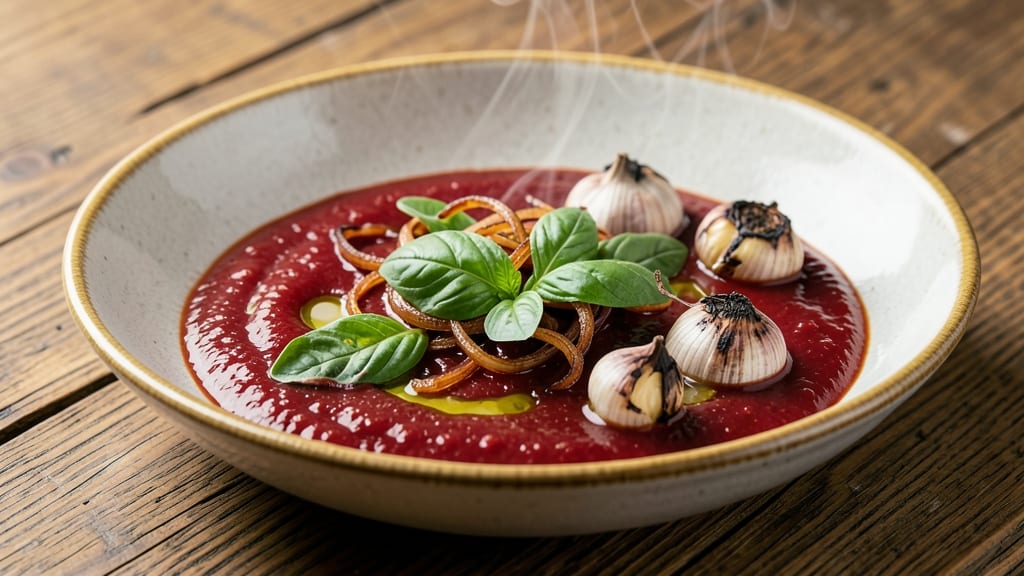
Creating a rich, flavorful tomato sauce without any added salt might sound impossible, but this umami-packed recipe proves otherwise through careful ingredient selection and precise cooking techniques. The secret lies in balancing natural saltiness from tomatoes, aromatics, and a touch of acidity to enhance depth without relying on sodium.
I developed this sauce after realizing how easy it is to control flavor through simmering time and ingredient ratios rather than salt.
This no-salt tomato sauce delivers restaurant-quality depth using canned tomatoes, fresh aromatics, and a slow simmer to develop complex flavors. The key is building layers of taste through caramelized onions, roasted garlic, and a splash of vinegar or lemon juice, which brightens the sauce without overpowering it.
Perfect for pasta, pizza, or dipping, this sauce stays smooth and balanced while maintaining its natural richness.
What sets this recipe apart is its ability to transform simple ingredients into something extraordinary through patience and technique. By simmering the sauce uncovered for 30-45 minutes, you allow excess moisture to evaporate, intensifying the flavors and creating a velvety texture.
The result is a sauce that's packed with umami but completely free of added sodium—ideal for health-conscious cooking without sacrificing taste.
Store the sauce in an airtight container in the refrigerator for up to 5 days or freeze for longer storage. It reheats beautifully, making it perfect for meal prep or batch cooking.
Whether you're serving it over pasta, spreading it on bruschetta, or using it as a base for other dishes, this sauce proves that great flavor doesn't require salt.
Ingredients for no salt tomato sauce
Ten simple ingredients transform into a velvety, umami-rich tomato sauce without any added sodium.
| Ingredient | Amount | Notes |
|---|---|---|
| San Marzano Tomato Cans 🍅 | 2 cans | Whole peeled tomatoes, 28 oz each |
| Yellow Onions 🧅 | 1 ½ lb | Yellow or red, sliced thin |
| Garlic Cloves 🧄 | 8 cloves | Roasted for sweet depth |
| Extra-Virgin Olive Oil 🫒 | ½ cup | High-quality, fruity variety |
| Red Wine Vinegar 🍷 | 2 tbsp | For acidity balance |
| Fresh Basil Leaves 🌿 | ½ cup | Packed, stems removed |
| Fresh Rosemary 🌿 | 1 tbsp | Chopped, fresh preferred |
| Ground Black Pepper 🌶️ | 1 tsp | Freshly cracked |
| Granulated Garlic 🧄 | 1 tsp | For umami depth |
| Freshly Ground Black Peppercorns 🌶️ | ½ tsp | Freshly cracked for aroma |
The foundation of this sauce begins with San Marzano tomatoes—their natural sweetness and low acidity create a balanced base. Whole peeled tomatoes from high-quality brands like Mutti or Rao's ensure no added salt or preservatives. For the onions, yellow or red varieties work best, as their natural sugars caramelize beautifully during the slow simmer. Fresh garlic cloves should be roasted until soft and sweet to avoid bitterness, which enhances the sauce's depth without overpowering it. The extra-virgin olive oil should be high-quality, with a fruity profile—avoid the cheap supermarket brands that can taste harsh when heated. Most specialty grocery stores or Trader Joe's carry excellent options.
No San Marzano tomatoes? High-quality crushed tomatoes work in a pinch, but avoid brands with added salt or preservatives. The onions can be swapped for shallots, though they'll caramelize faster. Fresh basil and rosemary are ideal, but dried oregano or thyme at half the amount can substitute if needed. The red wine vinegar is crucial for brightening the sauce—apple cider vinegar works too, though it adds a slightly different depth. For extra umami without salt, consider adding 1 tsp of fish sauce or soy sauce (check labels for sodium content). The freshly cracked black pepper is non-negotiable—pre-ground loses its aroma quickly, so grind your own if possible.
This sauce develops best when simmered uncovered, allowing excess moisture to evaporate and intensify flavors. Store in an airtight container in the refrigerator for up to 5 days, or freeze for up to 3 months in portion-sized containers. The sauce thickens as it cools, so add a splash of water or broth if it becomes too thick when reheating. For meal prep, freeze in ice cube trays—perfect for adding to dishes later. The sauce pairs beautifully with pasta, pizza, or as a dipping sauce for crusty bread, proving that exceptional flavor doesn't require salt.
Why You'll Love This Recipe
- Fewer Ingredients, Bigger Payoff: I swear by this sauce because it’s that simple—just crushed tomatoes, onions, garlic, and a splash of vinegar to brighten everything up. No cluttered pantry raids, no second-guessing what to toss in. The San Marzano tomatoes do all the heavy lifting, and honestly? That’s the magic.
- Umami Bomb Without the Salt: Between us, I’ve cut out added salt entirely, and this sauce still packs a punch. The red wine vinegar cuts through the richness of the olive oil while the slow-cooked onions and garlic build layers of depth—savory, slightly sweet, with just a hint of tang. It’s the kind of flavor that makes you pause mid-bite.
- Pasta’s Best Friend (Always): This sauce is my lazy night’s secret weapon—drizzled over al dente spaghetti, spooned onto grilled chicken, or even stirred into a frittata. I’ll be real: it’s the one sauce I never skip buying when I’m grocery shopping because it turns anything into something special. No fancy prep, just pure satisfaction.
- Budget Meets Batch-Friendly: A single can of tomatoes and a small onion stretch this into enough sauce for three meals. Freeze half for when you’re too tired to cook, and the rest? It’s the kind of leftovers that actually taste better the next day. Plus, no salt means no bloating—just flavor that keeps giving.
Step-by-step instructions for no-salt tomato sauce
Master this technique and you'll create a deeply flavorful tomato sauce without relying on salt.
Roast Onions and Garlic for Sweet Depth
Preheat your oven to 400°F. In a large baking dish, combine the 1.5 lb yellow onions sliced into thin half-moons and the 8 cloves garlic cloves peeled and left whole. Drizzle with 0.25 cup of the extra-virgin olive oil and toss to coat evenly. Spread in a single layer and roast for 25-30 minutes until the onions are caramelized with golden edges and the garlic is soft but not browned.
Here's the thing—roasting develops natural sweetness that replaces the need for salt. You'll know it's ready when the onions release their juices and develop a deep amber color. Remove from the oven and let cool slightly before transferring to a food processor. This step builds the sauce's umami foundation.
Sauté Aromatics and Build the Base
Heat the remaining 0.25 cup extra-virgin olive oil in a large Dutch oven over medium-low heat. Add the roasted onion-garlic mixture and cook for 3-4 minutes, stirring occasionally, until fragrant. This gentle cooking prevents burning while developing complex flavors.
Add the 2 tbsp red wine vinegar and cook for 1 minute to allow the acid to mellow. Then stir in the 1 tsp granulated garlic and 1 tsp ground black pepper, along with the 0.5 tsp freshly ground black peppercorns. These spices provide the necessary depth and seasoning without sodium. Cook for 30 seconds until the peppercorns are aromatic but not bitter.
Simmer Tomatoes Until Thickened
Using your hands, crush the 2 cans San Marzano tomato cans directly in the Dutch oven, keeping the skins and seeds for texture. Add the 1 tbsp chopped fresh rosemary and bring to a gentle simmer over medium heat. Stir occasionally for 30 minutes until the sauce reduces by about one-third and coats the back of a spoon.
This slow reduction concentrates the natural tomato flavors. You'll notice the sauce develop a glossy sheen and thicken noticeably. If it sticks to the bottom, add 2-3 tablespoons of water to help it release. The rosemary should infuse its piney aroma without becoming bitter.
Finish with Fresh Herbs and Adjust Consistency
Remove from heat and stir in the 0.5 cup packed fresh basil leaves. Let the sauce steep for 5 minutes to allow the basil's bright flavor to meld. Taste carefully—you should detect layers of sweetness from the roasted onions, acidity from the vinegar, and herbal notes from the rosemary and basil.
For a smoother sauce, blend with an immersion blender until you reach your desired texture. If it's too thick, thin with 1-2 tablespoons of water or reserved tomato juices. If too thin, simmer uncovered for 5-10 minutes to reduce further. The final sauce should coat the back of a spoon but remain spoonable.
Pro Tips For Making No Salt Tomato Sauce
- Sweat Onions Slow: Cut onions into even ¼-inch slices and cook them in olive oil over medium-low heat for 8–10 minutes—until they’re translucent but not browned. I used to rush this and end up with bitter, sharp flavors that ruined the sauce. Let them soften completely, and they’ll melt into the tomatoes like a dream.
- Crush Garlic Lightly: Smash garlic cloves with the flat side of your knife before adding them—just enough to bruise, not mince. Whole cloves toast better and infuse flavor without burning, while minced garlic turns bitter in seconds. (Yes, even if you’re impatient like me.)
- Simmer, Don’t Boil: Once tomatoes are added, keep the heat at a gentle simmer—tiny bubbles at the edges, not a rolling boil. Boiling skims off the natural sweetness and concentrates acidity, leaving you with a flat, one-dimensional sauce. Lower heat early, and let it work.
- Deglaze with Vinegar Last: Add red wine vinegar after the onions are cooked but before the tomatoes go in. A splash (1–2 tablespoons) brightens the sauce without overpowering it—just enough to cut through the richness. Dump it in early, and you’ll regret the sharpness later.
Serving suggestions for this no salt tomato sauce
Pasta Pairings
This rich, umami-packed sauce shines with al dente spaghetti or bucatini, where its velvety texture clings beautifully. I recommend Bronze Die pasta for its natural ridges that hold the sauce. For a heartier dish, pair with rigatoni or penne, which trap the sauce inside their tubes.
Toss with 1 tbsp extra-virgin olive oil and 1 tbsp grated Parmesan (optional) for added richness. 🍝
Pizza Topping Base
Spread this sauce as a foundation for homemade pizza—its depth replaces the need for salt in the dough. Top with fresh mozzarella, cherry tomatoes, and basil leaves for a Margherita-style pizza.
For extra flavor, add roasted red peppers or caramelized onions. Bake at 475°F for 12-15 minutes until the crust is golden and cheese is bubbly.
Dipping Sauce
Serve warm or at room temperature as a dipping sauce for garlic bread, crusty baguettes, or vegetable sticks. Its balanced acidity and sweetness make it perfect for fried calamari or mozzarella sticks.
For a restaurant-style presentation, drizzle with a touch of extra-virgin olive oil and sprinkle with fresh basil before serving.
Braised Meats
Use this sauce as a finishing touch for braised meats like chicken thighs or beef short ribs. Deglaze the pan with the sauce after browning the meat, then simmer until reduced.
The sauce’s natural sweetness complements the meat’s richness without overpowering it. Serve over mashed potatoes or polenta for a hearty meal. 💫
Garnish Ideas
Elevate the dish with fresh garnishes that enhance its natural flavors. A sprinkle of toasted pine nuts adds crunch, while flaky sea salt (if tolerated) can be used sparingly for contrast.
For a bright finish, add thinly sliced radishes or microgreens. Always add garnishes just before serving to preserve their freshness.
Meal Prep Uses
Store the sauce in glass mason jars for easy grab-and-go meals. Use it as a base for stuffed bell peppers or lasagna layers. For a quick lunch, mix with cooked quinoa and roasted vegetables.
The sauce reheats beautifully, making it ideal for batch cooking and freezing in 1-cup portions for future use.
Nutrition facts
Frequently asked questions
Can I use regular canned tomatoes instead of San Marzano?
Yes, but choose no-salt-added brands like Muir Glen or Hunts to avoid hidden sodium. Regular tomatoes work fine, though San Marzano offers a sweeter, more consistent flavor. Always check labels for added salt or preservatives before purchasing.
How do I make this sauce spicier?
Add 1-2 teaspoons of red pepper flakes during the simmering phase or finish with fresh chili peppers. For heat without drying effects, try ½ teaspoon of smoked paprika or a pinch of cayenne pepper. Adjust to taste—remember, the sauce intensifies as it cools.
Can I make this sauce in a slow cooker?
Combine all ingredients in your slow cooker and cook on low for 6-8 hours or high for 3-4 hours. The long cooking time enhances flavors naturally. Stir occasionally and add water if it becomes too thick. The texture will be slightly thinner than stovetop, but equally delicious.
Why does my sauce taste bland after simmering?
Blandness usually means insufficient acidity or umami development. Boost flavor by adding 1 extra tablespoon of vinegar or ½ teaspoon of fish sauce (check sodium content). Also ensure you're simmering uncovered for at least 30 minutes to concentrate flavors. Fresh herbs added at the end can't compensate for weak base flavors.
How can I reduce the sauce further if it's too thin?
Simmer uncovered over medium-low heat for 10-15 minutes, stirring occasionally. For faster reduction, transfer to a saucepan and cook at medium-high heat while stirring frequently. If it still needs thickening, mix 1 teaspoon cornstarch with 1 tablespoon water, stir into the sauce, and simmer for 2-3 minutes until thickened.