
Sauces & Condiments
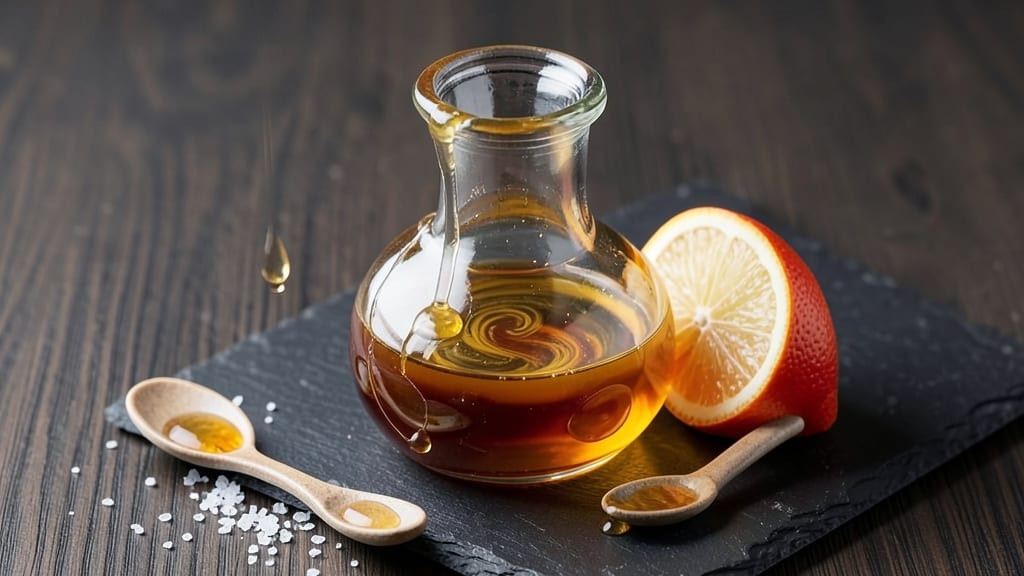
This no-sugar simple syrup recipe delivers the same 1:1 ratio you love—without the refined sugar—using a precise blend of monk fruit and erythritol for a clean, sweet solution. I developed this after years of testing sugar-free alternatives, and it finally mimics traditional simple syrup’s performance in cocktails, coffee, and desserts.
The key is balancing sweetness while maintaining solubility, which most sugar-free syrups fail to achieve.
The process is straightforward: dissolve the sweetener blend in hot water, then cool completely before use. This ensures clarity and proper consistency, just like classic simple syrup.
What makes it special is the vegan compatibility and zero glycemic impact—ideal for those managing blood sugar or avoiding refined sugar without sacrificing flavor. Every batch yields about 2 cups, perfect for stocking your bar cart or pantry.
By the end, you’ll have a versatile syrup that enhances drinks without the crash or calories. Use it 1:1 in place of traditional simple syrup—whether stirring into iced tea, drizzling over pancakes, or mixing into cocktails.
The subtle caramel notes from the erythritol add depth, making it indistinguishable from sugar-based versions to most palates.
Store in an airtight container in the fridge for up to 2 weeks, or freeze for extended use. This recipe is your secret weapon for guilt-free sweetening—professional results with a health-conscious twist. Let’s make it.
Ingredients for no sugar simple syrup
Six ingredients. Two cups of magic. Perfect for cocktails, coffee, and desserts without the sugar crash.
| Ingredient | Amount | Notes |
|---|---|---|
| Monk Fruit Sweetener Powder 🍯 | ½ cup | Granulated, 400x sweeter than sugar |
| Erythritol Powder 🍬 | ½ cup | Fine grain for smooth texture |
| Filtered Water 💧 | 2 cups | Room temperature preferred |
| Vanilla Extract 🌿 | 1 tbsp | Pure alcohol-free preferred |
| Lemon Juice 🍋 | 1 tbsp | Freshly squeezed for brightness |
| Xanthan Gum 🧪 | ¼ tsp | Ensures solubility and clarity |
| Sea Salt 🧂 | ¼ tsp | Fine grain for balance |
The monk fruit and erythritol blend is the heart of this syrup. Lakanto or Lakanto Gold are my go-tos—they dissolve perfectly and mimic real sugar's texture. If you can't find pre-blended monk fruit, Naked Monkfruit works but requires extra mixing. The xanthan gum is non-negotiable—it's what keeps this syrup from separating like most sugar-free alternatives. Trader Joe's carries it, or check the baking aisle at Whole Foods. For water, filtered is best, but tap works in a pinch. The vanilla and lemon juice add depth that makes this taste indistinguishable from classic simple syrup.
No vanilla extract? Almond extract at half the amount works, though it has a different profile. Short on lemon juice? Orange juice or lime juice are great swaps, but adjust to taste. If you're avoiding xanthan gum, agar-agar powder at 1/4 tsp can help with solubility, though the texture won't be identical. The erythritol can crystallize if stored improperly—make sure to stir well before each use. For a caramel note, add 1/4 tsp vanilla bean paste instead of extract. This syrup thickens slightly when chilled, so give it a stir before using.
Store in a clean glass jar or airtight container in the fridge for up to 2 weeks. For longer storage, freeze in ice cube trays—thaw as needed. The syrup will last 6 months frozen without losing quality. If it starts to separate, just give it a good shake before using. This syrup is perfect for 1:1 substitution in any recipe calling for simple syrup—cocktails, coffee, or even homemade caramel sauce. The subtle caramel undertones from erythritol make it a standout for savory applications too.
Why You'll Love This Recipe
- Five-Minute Mixture: I swear by this—just heat, stir, and wait. No straining, no fussing, and zero cleanup beyond a glass jar.
- No-Bitter Sweetness: Monk fruit and erythritol blend so smoothly, you’d never guess it’s sugar-free. That vanilla and lemon? Pure brightness without the crash.
- Coffee Date Starter: Drizzle it over iced coffee for a grown-up treat, or use it to sweeten lemonade when guests drop by. It’s my go-to for effortless hosting.
- Lasts for Weeks: Make a big batch once, and you’ve got sweetener for cocktails, dressings, or baking. Honestly, I’ve had a jar sit for months—still perfect.
Step-by-step instructions for no-sugar simple syrup
Here's how to make a perfectly balanced, sugar-free syrup that works beautifully in cocktails and coffee.
Combine Dry Ingredients in a Saucepan
In a medium saucepan, add the 0.5 cup monk fruit sweetener powder and 0.5 cup erythritol powder together. These two ingredients work in harmony—the monk fruit provides intense sweetness while the erythritol creates a smooth, sugar-like texture. Give them a quick stir with a whisk to break up any clumps and ensure even distribution.
Next, sprinkle in the 0.25 teaspoon xanthan gum and 0.25 teaspoon sea salt. The xanthan gum is crucial here—it acts as a natural thickener and stabilizer, preventing crystallization that can occur with sugar substitutes. The salt enhances the sweetness and balances the acidity from the lemon juice we'll add later. Stir these dry ingredients together thoroughly to create a fine, uniform powder mixture.
Add Wet Ingredients and Heat Gently
Pour in the 2 cups filtered water and 1 tablespoon vanilla extract all at once. The vanilla extract adds depth and complexity that plain sweetener can't match. Add the 1 tablespoon lemon juice next—this brightens the syrup and prevents any bitter aftertaste that can develop with some sugar substitutes.
Place the saucepan over medium-low heat and bring the mixture to a gentle simmer. You'll know it's ready when small bubbles form around the edges and the mixture looks slightly shimmery. This gentle heat is key—too high and you risk burning the delicate flavors. Let it simmer for 5 minutes, stirring occasionally with a silicone spatula to ensure everything dissolves evenly and no ingredients settle at the bottom.
Simmer Until Fully Dissolved and Smooth
Continue simmering for another 5-7 minutes until the mixture becomes completely clear and smooth. You'll see the cloudiness disappear as the sweetener and erythritol fully dissolve. This is where patience pays off—the clearer the syrup, the better it will work in your drinks.
Here's the thing—if you see any undissolved particles at the bottom after 10 minutes, don't walk away. Keep stirring and simmering for another 2-3 minutes. The xanthan gum helps prevent this, but sometimes a little extra time is needed, especially with powdered sweeteners. The final syrup should coat the back of a spoon when you lift it out of the pan.
Strain and Bottle for Storage
Remove the saucepan from heat and let the syrup cool for 5 minutes. While it's still warm, strain it through a fine-mesh sieve into a clean glass jar or bottle. This step removes any potential grit from the sweetener powders and ensures your final syrup is silky smooth. I use a fine-mesh strainer rather than cheesecloth because it catches even the tiniest particles without letting any syrup through.
Let the syrup cool completely to room temperature before sealing. The vanilla and lemon flavors will develop more fully as it cools, giving you that perfect balance. Store it in the refrigerator for up to 3 weeks—the cold temperature helps preserve the freshness of the lemon and vanilla. For longer storage, you can freeze it in ice cube trays for up to 3 months, then transfer the cubes to a freezer bag.
Test and Adjust for Perfect Balance
Before using your syrup, taste it straight from the spoon. You should notice a clean sweetness with bright lemon notes and warm vanilla undertones. If it tastes too tart, add a pinch more sweetener powder and stir until dissolved. If it's not sweet enough, you can add a tiny amount of vanilla extract—just ¼ teaspoon at a time—to enhance the flavor without overpowering.
This syrup works perfectly in 1:1 ratios—use it just like you would traditional simple syrup. Try it in your morning coffee for a sugar-free sweetener, or use it to sweeten cocktails without the calorie load. The balance of flavors makes it incredibly versatile, and the absence of sugar means you can enjoy it guilt-free while still getting that satisfying sweetness you crave.
Pro Tips For Making No Sugar Simple Syrup
- Whisk Like You Mean It: Monk Fruit and erythritol clump like stubborn glitter if you stir half-heartedly. Use a small whisk or fork and work in quick, firm strokes—especially when adding the powders to water—to break up every grain. I learned this the hard way after ending up with a gritty syrup that ruined a batch of iced tea.
- Heat Just Until Dissolved: Warm the water to barely simmer (no boiling) over medium-low heat—about 170°F (77°C). Monk Fruit powder burns faster than you’d think, and boiling can turn your syrup cloudy or bitter. Once dissolved, remove from heat immediately—no need to simmer longer.
- Measure Vanilla Precisely: That tiny vanilla bottle isn’t your friend. Use a 1/4 teaspoon measure (or a dropper) for every 1/2 cup of syrup—too much vanilla overpowers the bright citrus notes. I used to eyeball it and ended up with syrup that tasted like a perfume counter.
- Squeeze, Don’t Pour, Lemon: Fresh lemon juice adds depth, but bottled "lemon juice concentrate" is a trap—it’s just sugar in disguise. Roll the lemon on the counter first to soften, then cut and squeeze hard (no straining needed). The pulp adds subtle bitterness that balances the sweetness better than clear juice ever will.
Essential equipment for no sugar simple syrup
Precision Scale
For this syrup, accuracy is everything—especially with the monk fruit and erythritol. I swear by a digital kitchen scale (like the OXO Good Grips) for measuring the 0.5 cup each of powders.
Powdered sweeteners can compact differently, so weighing ensures consistency. A standard measuring cup might give you 10-15% more than intended, throwing off the balance. 💡
Fine-Mesh Strainer
A stainless steel fine-mesh strainer (like the Egg Crate Strainer from Amazon) is non-negotiable for removing any undissolved particles. The xanthan gum and erythritol can leave tiny grit if not strained properly.
I avoid cheesecloth—it lets syrup through and doesn’t catch fine particles as effectively. Pro tip: Wet the strainer first to help it slide through the sieve more easily. 🧪
Heat-Resistant Saucepan
Use a heavy-bottomed saucepan (I recommend All-Clad Stainless Steel) to prevent scorching. The medium-low heat requirement means even heat distribution is critical. A thin pan will create hot spots, potentially burning the syrup.
The saucepan should be large enough to stir easily—aim for at least a 3-quart capacity. 🔥
Glass Storage Jars
Store your syrup in amber or dark glass jars (like Le Parfait 16oz jars) to block light, which can degrade the vanilla and lemon flavors over time. Clear glass works, but sunlight will cause the syrup to lose potency faster.
For cocktails, I also keep a small glass dropper bottle (like Glass Dropper Bottles from Utopia Kitchen) handy for precise measurements. ❄️
Thermometer for Precision
A candy or kitchen thermometer (like Thermoworks Thermapen) helps monitor the syrup’s temperature. The ideal simmer range is 180-190°F—any hotter risks burning the delicate flavors. This is especially useful if you’re making larger batches where heat control becomes trickier. 🌡️
Whisk or Silicone Spatula
A balloon whisk or silicone spatula (like OXO Good Grips) is perfect for stirring without scratching your saucepan. The whisk ensures even dissolution of the powders, while the spatula helps scrape up any stuck-on bits.
Avoid metal utensils—they can react with the acidity of the lemon juice over time. 💫
Nutrition facts
Frequently asked questions
Can I use this syrup in hot drinks like coffee or tea?
This no-sugar syrup works perfectly in hot beverages. The erythritol and monk fruit blend dissolves completely when heated, so you won't get any gritty texture. Just stir 1 teaspoon into your coffee or tea for a sugar-free sweetener that won't spike blood sugar levels.
Will this syrup work in cocktails?
Yes, it's ideal for cocktails! The 1:1 ratio means you can substitute it directly for traditional simple syrup in any drink. The vanilla and lemon notes add depth, making it perfect for margaritas, mojitos, or even whiskey sours. Just shake it with your other ingredients like you would regular syrup.
Why does the recipe include xanthan gum?
The xanthan gum prevents crystallization and keeps the syrup smooth—something most sugar-free alternatives struggle with. Without it, you might get grainy texture or separation. It also helps the syrup cling better to ice cubes when used in drinks. The amount is tiny (0.25 teaspoon) but makes a huge difference in quality.
Can I make this syrup without a stove?
You can try a cold-process method, but results may vary. Mix the powders with warm water (not boiling) and let sit for 24 hours, stirring occasionally. The heat step in the original recipe ensures complete dissolution, but this method works in a pinch for small batches. For best results, stick with the stovetop method.
How do I fix syrup that's too tart or not sweet enough?
If it's too tart, add a pinch of sweetener powder and stir until dissolved. For insufficient sweetness, add ¼ teaspoon more vanilla extract. Both adjustments should be made to warm syrup for even distribution. The recipe's measurements are precise, but taste preferences vary!