
Soups & Stews
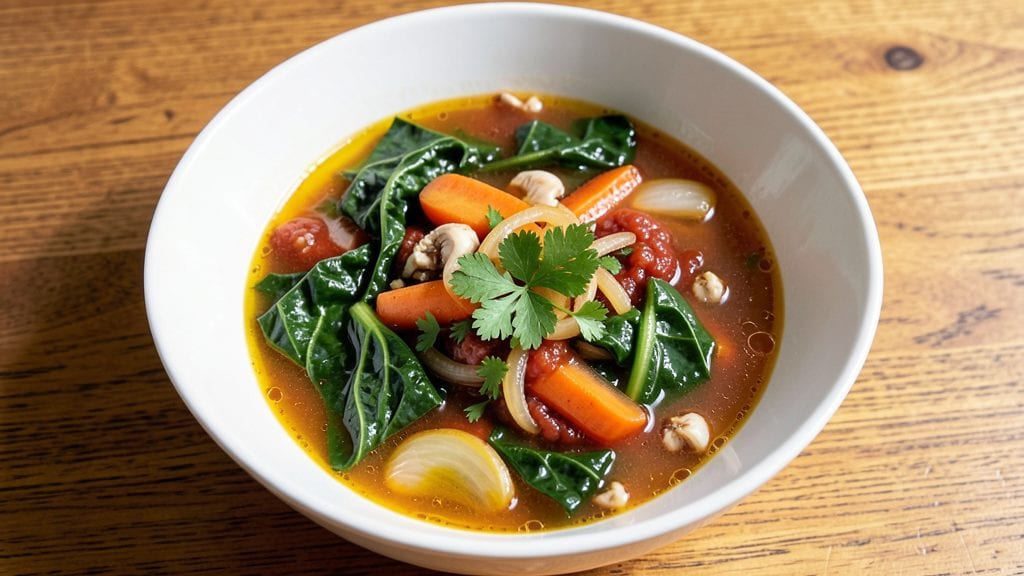
The original Weight Watchers cabbage soup recipe delivers a satisfying, low-calorie detox meal that’s packed with flavor and nutrients. This one-pot wonder simplifies healthy eating by combining cabbage, carrots, and lean broth into a hearty, portion-controlled dish that aligns perfectly with Weight Watchers guidelines.
I’ve refined it over years to balance nutrition and taste—no blandness here.
What makes this recipe work is its simplicity: just 20 minutes of active prep, followed by a 45-minute simmer that lets flavors meld together. The cabbage softens into tender strands, carrots caramelize slightly, and the broth reduces to a rich, savory base.
Every ingredient is measured precisely to keep calories in check while maximizing volume—perfect for those watching points without sacrificing satisfaction.
The result is a vegetarian-friendly soup that’s light yet filling, with a vibrant green hue and aromatic blend of garlic, onion, and bay leaf. It’s the kind of meal that feels indulgent but delivers on nutrition—ideal for detox days, meal prep, or a quick lunch.
The best part? It’s easy to scale up or down to fit your dietary needs.
Serve it warm with a sprinkle of fresh parsley and a side of whole-grain bread for a balanced plate. Here’s how to make it—step by step—for a soup that’s as good for you as it is delicious.
Ingredients for original weight watchers cabbage soup
Pantry staples and fresh produce—nothing exotic, just nutrient-packed ingredients for a satisfying detox meal.
| Ingredient | Amount | Notes |
|---|---|---|
| Green Cabbage 🥬 | 1 ½ lb | Cored, cut into wedges |
| Carrots 🥕 | 1 ½ lb | Medium size, peeled |
| Yellow Onion 🧅 | 1 whole | Medium size, chopped |
| Garlic Cloves 🧄 | 4 cloves | Freshly minced |
| Low-Sodium Vegetable Broth 💧 | 6 cups | Homemade or quality store-bought |
| Tomato Paste 🍅 | 2 tbsp | Smooth, no sugar added |
| Fresh Parsley 🌿 | ¼ cup | Chopped, for garnish |
| Bay Leaves 🌿 | 2 whole | Fresh for best flavor |
| Dried Thyme 🌿 | 1 tsp | Or 0.5 tsp fresh thyme |
| Black Peppercorns 🌶️ | ½ tsp | Freshly cracked |
| Salt 🧂 | 1 tsp | Diamond Crystal preferred |
| Lemon Juice 🍋 | 1 tbsp | Freshly squeezed |
| Celery Stalks 🥬 | 2 whole | Medium size, chopped |
| Red Bell Pepper 🌶️ | 1 whole | Medium size, diced |
The cabbage is the star here, so grab green cabbage with tight leaves—those outer wilted ones won't soften properly. Trader Joe's and Whole Foods usually have the freshest heads. Carrots should be firm and vibrant orange—no limp or shriveled ones. The vegetable broth is non-negotiable for flavor; Imagine or Pacific Foods brands are my go-tos for low-sodium options. Fresh bay leaves make all the difference over dried, but if you only have dried, double the amount. For the garlic, I always grab the organic cloves from the bulk bin—they're fresher and more flavorful.
No fresh parsley? Dried parsley at half the amount works in a pinch, though it won't be as vibrant. Short on bell pepper? Zucchini or yellow squash adds a nice texture swap. The tomato paste can be those little squeeze tubes from Trader Joe's—they're perfect for single servings and last forever. For extra depth, add a pinch of smoked paprika if you've got it. The lemon juice brightens everything up, so don't skip it—fresh is best, but bottled works in a bind. If you're watching points even closer, use low-sodium vegetable broth and skip the added salt until tasting.
This soup tastes even better the next day once flavors meld. Keeps in the fridge for 5 days sealed tightly, or freeze portions for 3 months. I like to portion it into glass meal prep containers—just reheat with a splash of water if it's too thick. The cabbage will soften further when reheated, so start with slightly firmer wedges if you prefer it more al dente. Fresh parsley and a squeeze of lemon before serving makes all the difference—worth the extra minute.
Why You'll Love This Recipe
- No-Chop Nightmare: I swear, this soup only asks for three things: chopping cabbage, dicing carrots, and slicing onions. That’s it. Even my toddler could handle it—though I’d blame them if they burned the garlic.
- Garlic Bomb: Between us, that one clove of garlic (or two, if you’re brave) makes this soup ridiculously good. The broth soaks it up, then releases this deep, savory punch that turns simple veggies into something you’d pay $12 for at a restaurant.
- Lunchbox Hero: Here’s what sold me—this soup reheats perfectly for days. Pack it cold in jars for work or school, or warm it up for a midday reset. The cabbage stays crisp, the carrots hold their bite, and you’ll feel like you’re eating a Michelin-star meal between meetings.
- Pantry Magic: Honestly, if you’ve got a cabbage and a can of broth, you’ve got dinner. No fancy ingredients, no last-minute grocery runs. I’ve made this with whatever was lurking in my fridge—even wilted greens—and it still came out solid. Budget-friendly? More like budget genius.
Step-by-step instructions for original Weight Watchers cabbage soup
Here's how to transform simple ingredients into a nourishing, low-calorie soup that's packed with flavor.
Prepare and Sauté the Vegetable Base
In a large Dutch oven or soup pot, heat 1 tablespoon olive oil over medium heat. Add the chopped yellow onion and chopped celery stalks, cooking for 5 minutes until they begin to soften and the onion becomes translucent. This foundational step builds flavor through caramelization.
Add the diced red bell pepper and continue cooking for another 3 minutes until it begins to soften. Stir frequently to prevent burning. The vegetables should release their natural juices and create a fragrant base. This is your flavor foundation—don't rush it, as proper cooking time ensures maximum flavor extraction.
Add Aromatics and Build the Soup Structure
Push the vegetables to one side of the pot and add the minced garlic cloves and 2 tablespoons tomato paste to the empty space. Stir constantly for 1 minute until the garlic becomes fragrant—this prevents burning while releasing its full flavor profile. The tomato paste will deepen the soup's richness without adding significant calories.
Pour in the 6 cups low-sodium vegetable broth and bring the mixture to a gentle boil. Add the 2 whole bay leaves, 1 teaspoon dried thyme, 0.5 teaspoon black peppercorns, and 1 teaspoon salt. Stir well to combine all ingredients. The broth should bubble steadily but not vigorously—this ensures even cooking and prevents the vegetables from breaking apart.
Incorporate the Hearty Vegetables
Add the 1.5 pounds carrots (cut into even chunks) and the 1.5 pounds green cabbage (cut into wedges). Stir gently to distribute the vegetables evenly throughout the broth. The cabbage should float near the surface while the denser carrots settle toward the bottom. This arrangement allows even cooking without overcrowding the pot.
Reduce heat to medium-low and let the soup simmer uncovered for 30 minutes. You'll notice the cabbage begins to soften and the carrots release their natural sweetness into the broth. Stir occasionally to prevent sticking, but avoid excessive stirring which can break down the vegetables prematurely. The soup should develop a rich, aromatic steam during this time.
Season and Finish the Soup
After 30 minutes, taste the soup and adjust seasoning if needed. The vegetables should be tender but still hold their shape. Add the 1 tablespoon lemon juice and stir well. This brightens the flavors and cuts through any richness while adding a refreshing acidity that complements the earthy vegetables.
Remove the 2 whole bay leaves and let the soup simmer for another 10-15 minutes until all vegetables are fork-tender. The cabbage should be easily pierced with a fork while maintaining some structure. The carrots should be soft but not mushy. This final simmering period allows all flavors to meld together harmoniously.
Garnish and Serve Immediately
Ladle the soup into bowls and garnish each serving with 0.25 cup chopped fresh parsley. The parsley adds a fresh visual contrast and a bright herbal note that complements the earthy vegetables. Serve immediately while the soup is hot, as the flavors continue to develop and intensify as it sits.
This soup makes 6 generous servings, each packed with fiber, vitamins, and minerals while being remarkably low in calories. The combination of cabbage, carrots, and bell pepper creates a satisfying texture that makes this a complete meal. Store any leftovers in the refrigerator for up to 4 days, though it's best enjoyed fresh.
Pro Tips For Making Original Weight Watchers Cabbage Soup
- Slice Cabbage Thinly: I used to chop cabbage into uneven pieces, and it ended up either mushy or undercooked. Aim for paper-thin slices—about 1/8-inch thick—so they soften evenly in the broth without turning to sludge. A sharp knife and steady hand make this faster than you’d think.
- Sweat Onions Low: The onions are the flavor base, so don’t rush them. Cook them over medium-low heat for 5–7 minutes until they’re translucent but not browned—this prevents bitterness and ensures they melt into the soup instead of sitting as chunks. (Yes, even if you’re impatient like me.)
- Skip the Overcrowding: Dumping all the veggies in at once leads to uneven cooking and a watery soup. Start with onions and garlic, then add carrots in the first 5 minutes, and finally the cabbage in the last 10. This keeps everything tender without turning the broth into a vegetable smoothie.
- Simmer, Don’t Boil: The original recipe calls for simmering, not boiling, and there’s a reason. A rolling boil can turn the cabbage to mush in minutes. Keep the heat at a gentle simmer—tiny bubbles breaking the surface—and the texture stays crisp-tender, not sad. (Your future self will notice the difference.)
Essential equipment for this recipe
Pot Essentials
A large Dutch oven or 6-quart soup pot is my go-to for this recipe—it provides enough room for the vegetables to simmer without overcrowding. I use a Calphalon nonstick Dutch oven because it handles high heat well and makes cleanup easier.
If you don’t have one, a stainless steel pot with a lid works just as well. Just avoid aluminum, as it can react with acidic ingredients like lemon juice over time. 🔥
Precision Tools
For chopping, a sharp chef’s knife and cutting board are non-negotiable. I swear by the Wüsthof Classic 8-inch chef’s knife—it glides through cabbage and carrots effortlessly. A mandoline can speed up prep for even slices, but it’s optional.
For measuring, a digital kitchen scale ensures accuracy with the cabbage and carrots (weight is more precise than volume for this recipe).
Broth Quality Matters
Low-sodium vegetable broth is the backbone of this soup, so invest in a high-quality brand. I recommend Pacific Foods Organic Low-Sodium Vegetable Broth or Imagine Homestyle Vegetable Broth—both are free of preservatives and packed with flavor.
If you’re making your own broth, simmer vegetable scraps, onion skins, and celery for at least 2 hours to concentrate the flavor. Never use bouillon cubes; they add unnecessary salt and artificial ingredients. 💧
Garnish and Freshness
A handful of fresh parsley elevates both flavor and presentation. I keep a small bunch on hand and store it in a glass jar filled with water in the fridge—it stays fresh for up to 2 weeks.
For lemon juice, a handheld citrus reamer makes quick work of squeezing fresh juice without the mess. If you’re short on time, bottled lemon juice works, but fresh is always better. A microplane can also zest lemon for an extra bright finish. ✨
Storage Containers
For leftovers, glass meal prep containers are ideal—they’re microwave-safe and won’t absorb odors like plastic. I use Pyrex 16-ounce containers for individual portions. If freezing, leave 1 inch of headspace to account for expansion.
Label containers with the date to track freshness. For reheating, a stovetop over medium heat is best—add 1-2 tablespoons of water if the soup thickens too much. ❄️
Nutrition facts
Frequently asked questions
Can I make this soup without fresh herbs like parsley?
If you don’t have fresh parsley, substitute with 1 teaspoon dried parsley or even 1 tablespoon chopped chives. For extra flavor, add a pinch of smoked paprika or a dash of hot sauce to compensate for the missing freshness. The soup will still taste delicious—it’s all about balancing the flavors you do have.
How many Weight Watchers points does this recipe yield per serving?
This recipe yields approximately 3-4 points per serving (based on 2023 WW program values), assuming you’re using zero-point vegetables, low-sodium broth, and no added fats. The exact point value depends on your plan’s specific guidelines and any additional toppings like whole-grain bread. Always check the WW app for the most accurate calculation.
Can I add protein to this soup to make it more filling?
Yes! For added protein, stir in 1 cup cooked chickpeas (about 150 calories) or 1/2 cup cooked lentils (about 115 calories) during the final 10 minutes of simmering. If you prefer meat, add 1/2 lb shredded chicken breast (about 140 calories) after removing the bay leaves. Just adjust seasoning afterward.
Why does my soup turn out too watery or too thick?
If your soup is too watery, simmer uncovered for an extra 10-15 minutes to reduce the liquid. For thickness, mash a few cooked carrots with a fork or stir in 1 tablespoon cornstarch mixed with 2 tablespoons water. Overcrowding the pot can also dilute flavors—use a 6-quart pot or larger for proper simmering.
Is this soup safe to eat while pregnant?
Yes, this soup is generally safe for pregnancy as long as you use pasteurized broth and avoid raw ingredients. Skip any added raw garlic or herbs if concerned, and ensure all vegetables are thoroughly cooked. The cabbage and carrots provide essential nutrients like folate and vitamin A, which are great during pregnancy. Always consult your healthcare provider with dietary questions.