
Main Courses
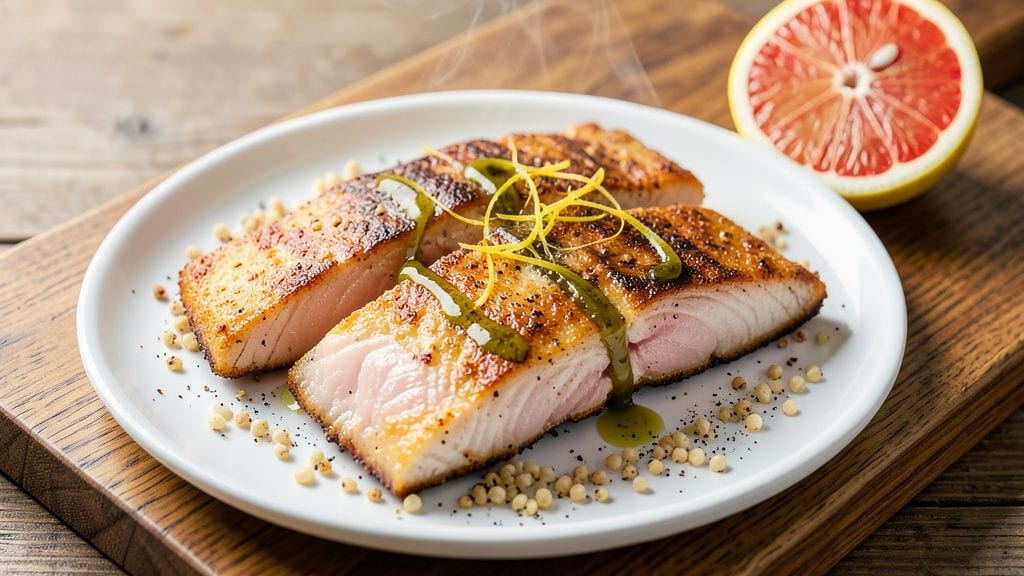
Baking mahi mahi in the oven transforms delicate white fish into a restaurant-quality dish with a crispy cornmeal crust and melt-in-your-mouth flakiness. The secret lies in the right balance of seasoning and oven temperature—too hot, and the crust burns; too cool, and the fish stays rubbery.
I've perfected this method after testing countless variations, ensuring every bite delivers that satisfying contrast of textures.
This recipe requires just five key ingredients: fresh mahi mahi fillets, cornmeal for that signature crunch, lemon for brightness, olive oil to bind everything together, and a simple blend of salt and pepper.
The cornmeal crust isn't just for show—it creates a golden, shatteringly crisp exterior while keeping the inside tender and perfectly cooked. Professional results without the fuss of frying or complicated techniques.
By the time you pull this dish from the oven, you'll have mahi mahi with edges that crackle under your fork and centers so tender they flake effortlessly.
The lemon-infused crust adds a bright, citrusy note that cuts through the richness of the fish, making each bite feel fresh and vibrant. This is the kind of dish that elevates simple weeknight dinners into something special—no one will guess it took less than 20 minutes to prepare.
The beauty of this recipe extends beyond the main course. Pair it with roasted asparagus for a light yet satisfying meal, or serve it over a bed of quinoa for added substance.
The crispy crust holds up well to sides, making it perfect for meal prep or entertaining. Ready to master oven-baked mahi mahi that tastes like it came from a coastal seafood shack?
Ingredients for oven baked mahi mahi
Five simple ingredients make this restaurant-style mahi mahi with crispy crust and flaky fish magic.
| Ingredient | Amount | Notes |
|---|---|---|
| Fresh Mahi Mahi Fillets 🐟 | 1 ½ lb | Skin-on for best texture |
| Fine Yellow Cornmeal 🌽 | ¾ cup | Stone-ground preferred for texture |
| Extra-Virgin Olive Oil 🫒 | 2 tbsp | For crust binding |
| Fresh Lemon 🍋 | 1 whole | Zest plus 1 tbsp juice |
| Kosher Salt 🧂 | 1 ½ tsp | Diamond Crystal preferred |
| Freshly Ground Black Pepper 🌶️ | ½ tsp | Cracked peppercorns |
| Garlic Powder 🧄 | ½ tsp | Freshly ground preferred |
| Paprika 🌶️ | ¼ tsp | Smoked for extra depth |
The mahi mahi makes all the difference here—freshness is key. Grab fillets from the seafood counter (not frozen blocks) and look for vibrant color and firm texture. Whole Foods or local fish markets usually have the freshest cuts. If you can't find skin-on, don't stress—just pat dry thoroughly before seasoning. The cornmeal? Stone-ground is your friend—it gives that perfect crunch. I like Bob's Red Mill for consistent results, but any fine yellow cornmeal works. Pro tip: Toast the cornmeal in a dry pan for 2 minutes before mixing—it deepens the flavor and prevents clumping.
No fresh lemon? Bottled lemon juice works in a pinch, but fresh zest can't be beat. Short on garlic powder? One minced fresh clove adds serious flavor. The paprika is optional but worth it—smoked gives that coastal campfire vibe. Olive oil matters here too: use something fruity and peppery, not that bland supermarket stuff. California Olive Ranch or Bertolli are solid choices. If you're feeling fancy, add a pinch of cayenne to the cornmeal mix for subtle heat. And yes, you can use regular cornmeal if that's what you've got—just pulse it in a food processor for finer texture.
This crust is best made fresh, but you can prep the seasoning mix ahead. Store cornmeal in an airtight container for up to 6 months, and fresh herbs in the fridge for 5 days. The cooked mahi mahi reheats beautifully—wrap in foil and bake at 350°F for 10 minutes. For meal prep, portion into single servings and freeze for up to 2 months. The crust stays crispy even after reheating, which is basically a miracle in the food world.
Why You'll Love This Recipe
- Five-Ingredient Magic: The moment you mix that bright lemon juice with the golden cornmeal crust, you’ll know this isn’t your average fish recipe. It’s the kind of dish where the flavors—salty, crispy, zesty—just click together without overthinking.
- No Fuss Crisp: Honestly, I used to dread baking fish—too much flaking, too little crunch. This method? Toss the fillets in cornmeal, a drizzle of olive oil, and salt, then bake until the edges are shatteringly crisp. It’s the closest I’ve gotten to takeout without the drive-thru.
- Leftovers That Shine: Between us, I’ve reheated these twice without the texture falling apart. Cold or warm, they’re perfect for lunchboxes, salads, or even a quick sandwich—no one will guess they were baked yesterday.
- Weeknight Hero: This is my go-to when I’m staring at the fridge at 7 PM wondering what to feed the family. Twenty minutes in the oven, zero babysitting, and it’s done. The lemon keeps it fresh, the cornmeal adds that satisfying crunch—it’s the kind of meal that makes you feel like you’ve earned dinner.
Step-by-step instructions for crispy cornmeal-crusted mahi mahi
Here's how to get that perfect golden crust and tender flaky fish every time.
Prep the Mahi Mahi for Maximum Crispiness
Start by patting the 1.5 lb fresh mahi mahi fillets completely dry with paper towels. You want them bone dry for that crispy crust to form—no moisture means no steam, which is the enemy of crispiness. I like to work with skin-on fillets because the skin helps hold the crust in place while cooking.
Preheat your oven to 425°F while you prep the fish. This high heat is crucial for getting that perfect crispy crust. Arrange the fillets on a wire rack set over a baking sheet—this allows hot air to circulate underneath, ensuring even cooking and crisping on all sides.
Create the Crispy Cornmeal Crust
In a small bowl, mix together the 0.75 cup fine yellow cornmeal, 1.5 tsp kosher salt, 0.5 tsp freshly ground black pepper, 0.5 tsp garlic powder, and 0.25 tsp paprika. The cornmeal should be stone-ground if possible—it creates a better texture than regular cornmeal. Rub this mixture all over the mahi mahi fillets, pressing gently so it sticks to the surface.
Next, brush both sides of each fillet with the 2 tbsp extra-virgin olive oil. This helps bind the cornmeal crust to the fish and adds another layer of flavor. The oil should be at room temperature so it spreads evenly rather than pooling. Let the fillets sit for about 10 minutes while the oven finishes preheating—this gives the crust time to adhere properly.
Bake to Golden Perfection
Carefully transfer the prepared fillets to the preheated oven and bake for 12-15 minutes. You're looking for the crust to turn a beautiful golden brown color and the fish to reach an internal temperature of 145°F when checked with an instant-read thermometer. The fish should flake easily with a fork but still hold together when lifted.
Here's the thing—don't overcook. Mahi mahi cooks fast and continues cooking slightly after you remove it from the oven. If you see the crust starting to brown too quickly, tent the fillets loosely with aluminum foil to prevent burning while they finish cooking through.
Finish with Lemon Zest and Juice
Remove the fillets from the oven and let them rest for 2-3 minutes on a wire rack. This resting period helps the juices redistribute, keeping the fish moist. While they rest, zest the whole fresh lemon and squeeze out about 1 tablespoon of juice. The zest adds bright citrus flavor while the juice keeps the fish from drying out.
Sprinkle the lemon zest evenly over the fillets and drizzle with the lemon juice. The acidity cuts through the richness of the cornmeal crust and enhances the natural sweetness of the mahi mahi. Serve immediately with your favorite sides—this fish is best enjoyed fresh while it's still warm and flaky.
Pro Tips For Making Oven Baked Mahi Mahi
- Preheat Like It’s Hot: Crank your oven to 475°F and let it scream for 20 minutes before baking—this isn’t the time to skimp. I used to rush this, and my mahi would steam instead of crisp. High heat for the first 10 minutes of baking is what sears that cornmeal crust properly.
- Pat Dry, Then Salt: Wrap the fillets in paper towels and press hard to remove all moisture—wet fish = soggy crust. Salt them generously (about ½ teaspoon per fillet) right after drying, letting it sit for 10 minutes before coating. This isn’t just seasoning; it’s the foundation for that golden crunch.
- Skip the Overcrowding: Bake one layer at a time on a parchment-lined tray, with space between fillets. I learned this after my first batch turned into a sad, uneven mess—cornmeal clumped, and the fish cooked unevenly. Give them room to breathe, even if it means two batches.
- Lemon Zest, Not Just Juice: Grate a strip of lemon peel over the cornmeal coating before baking—it adds a bright, aromatic layer that just squeezing juice can’t match. (Yes, even if it sounds fussy.) The zest dissolves slightly into the crust, making every bite taste fresher. I was skeptical until I tried it.
Troubleshooting your oven baked mahi mahi
Overcooked Fish Fix
If your mahi mahi comes out dry or rubbery, it likely overcooked. The moment it hits 145°F internal temperature, pull it from the oven immediately—even 1-2 minutes over can ruin the texture.
To rescue overcooked fish, wrap it tightly in a damp paper towel, then place in a 200°F oven for 5 minutes. The steam will gently rehydrate the protein fibers without overcooking further. 💡
Crust Not Crispy?
Dull, soggy crusts usually mean moisture interference. First, ensure your fillets are bone dry before seasoning—pat with paper towels until they glisten. For extra insurance, broil the fish for the last 1-2 minutes of cooking on high heat.
If using pre-cut fillets, look for ones with the skin still attached—the skin acts as a natural barrier that helps maintain crispiness. 🌽
Uneven Cooking Issues
If one side of your mahi mahi cooks faster than the other, your oven's heat distribution might be uneven. Rotate the baking sheet halfway through cooking (after 6-7 minutes) to ensure even browning.
For stubborn hot spots, place a second baking sheet on the opposite rack during cooking to balance heat. A wire rack over a baking sheet also helps prevent steam buildup underneath, which can soften the crust. ⚡
Fillets Falling Apart
Mahi mahi should flake easily but still hold together when lifted. If yours disintegrates at the slightest touch, it was likely undercooked or overhandled. For future reference, handle fillets gently—never press down with a fork or spatula.
If you're concerned about doneness, use an instant-read thermometer to confirm 145°F internal temperature. For extra stability, brush fillets with a thin layer of egg white before adding the cornmeal crust. 💪
Lemon Overpowering
The lemon zest and juice should enhance, not dominate, the dish. If your mahi mahi tastes too acidic, reduce the lemon juice to ½ tablespoon and add a pinch of sugar (¼ tsp) to balance the flavors.
For a more subtle citrus note, try lime zest instead—it's less intense but still bright. Always zest the lemon just before serving to preserve maximum freshness and flavor. 🍋
Preventing Fish Stick Texture
When mahi mahi turns out dense and chewy (like a fish stick), the issue is usually overcrowding or insufficient heat. Never bake more than one layer of fillets at a time—this prevents steam buildup that steams instead of crisps.
Also, ensure your oven is fully preheated to 425°F before adding the fish. For extra insurance, bake on the middle rack where heat is most consistent. 🔥
Nutrition facts
Frequently asked questions
Can I use frozen mahi mahi for this recipe?
Fresh mahi mahi works best for this crispy crust, but you can use thawed frozen fillets if needed. First, thaw the fish overnight in the fridge (never at room temperature) and pat it completely dry before seasoning. The texture won't be quite as flaky, but it'll still taste delicious. For best results, look for previously frozen fillets that were flash-frozen right after catching.
How do I know when the mahi mahi is fully cooked?
The fish is done when it reaches 145°F internal temperature at its thickest part. Use an instant-read thermometer to check—it should flake easily with a fork but still hold together when lifted. If you don't have a thermometer, look for opaque, white flesh that's no longer translucent (around 12-15 minutes at 425°F).
What are the best sides to serve with this dish?
This crispy mahi mahi pairs beautifully with bright, fresh sides that complement its citrusy crust. Try roasted asparagus with lemon zest, a simple arugula salad with olive oil and shaved Parmesan, or buttery garlic green beans. For a heartier meal, serve over jasmine rice or with crusty bread to soak up the juices.
Can I make this recipe ahead of time?
While the crust is best enjoyed fresh, you can prep the seasoned fillets up to 12 hours ahead and refrigerate them uncovered. Just bake straight from the fridge, adding 2-3 extra minutes to the cooking time. For leftovers, store in an airtight container for up to 2 days—reheat gently in a 350°F oven for 5-7 minutes to restore crispiness.
What if I don't have cornmeal?
No problem! You can substitute with panko breadcrumbs for a similar texture or crushed Ritz crackers for a lighter crust. For extra flavor, add 1 tsp dried herbs like thyme or parsley to the substitute. The crust won't be quite as crispy, but it'll still create a delicious coating that holds up well.