Main Courses
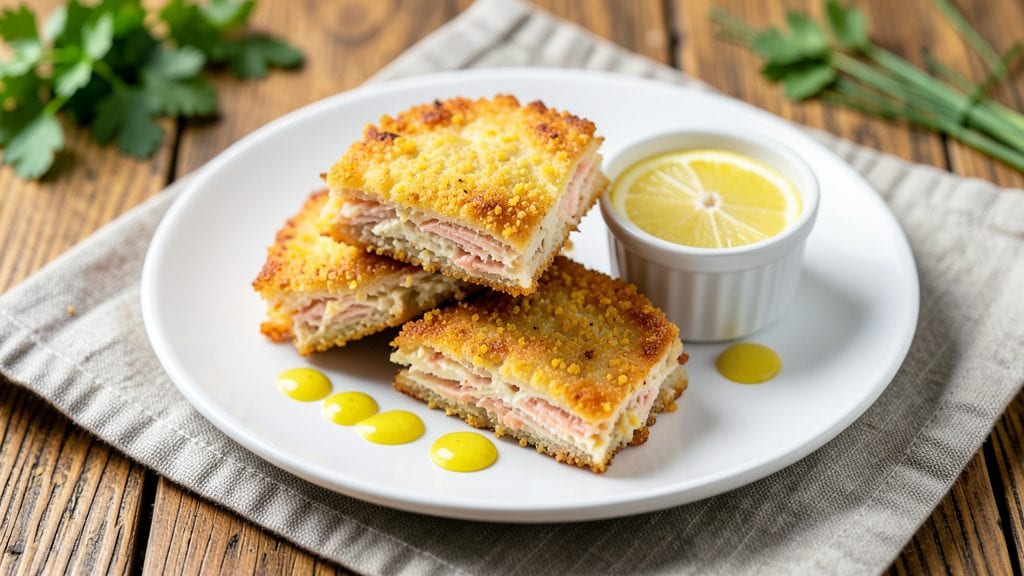
Paula Deen’s salmon cakes bring Southern comfort to seafood lovers with their buttery cornmeal crust and zesty lemon zing—a dish that’s crispy outside, tender inside, and packed with flavor. I’ve recreated her signature technique after testing countless variations, and this recipe delivers that perfect balance of richness and brightness.
The secret lies in properly brining the salmon and using a light cornmeal coating that stays crispy even after frying.
What makes these salmon cakes truly special is how they combine Paula Deen’s signature Southern flair with a fresh, bright finish. The cornmeal crust adds a satisfying crunch, while the lemon aioli ties everything together with a tangy kick.
This recipe is foolproof for weeknight dinners or weekend entertaining—just gather your ingredients, shape the cakes carefully, and fry them until golden. The result? A restaurant-quality dish that’s impossible to resist.
By the time you serve these up with a side of lemon wedges and tartar sauce, your guests will never guess they’re not at a Southern seafood shack. The crispy exterior gives way to flaky, buttery salmon, all held together by that perfect cornmeal crust.
It’s the kind of dish that elevates any meal, whether you’re serving it with a fresh salad or crusty bread to soak up every last bite.
For extra indulgence, fold cream cheese into the mix or add fresh herbs like dill or parsley—Paula Deen’s touch that takes these cakes to the next level. Let’s get cooking and bring that Southern charm to your table!
Ingredients for paula deen salmon cakes
Fourteen ingredients, Southern charm, and that signature Paula Deen crispy-buttery magic.
| Ingredient | Amount | Notes |
|---|---|---|
| Salmon Fillets 🐟 | 1 ½ lb | Skinless, boneless, fresh preferred |
| All-Purpose Flour 🌾 | ½ cup | For binding mixture |
| Fine Yellow Cornmeal 🌽 | ½ cup | Lightly toasted for flavor |
| Unsalted Butter 🧈 | 4 tbsp | Cold, cubed for coating |
| Large Eggs 🥚 | 2 whole | Lightly beaten |
| Fresh Lemon Juice 🍋 | ¼ cup | Freshly squeezed |
| Fresh Dill 🌿 | ¼ cup | Chopped, stems removed |
| Salt 🧂 | 1 ½ tsp | Kosher or sea salt |
| Ground Black Pepper 🌶️ | ½ tsp | Freshly ground |
| Vegetable Oil 🫒 | 2 cups | For frying, high smoke point |
| Mayonnaise 🥛 | ½ cup | For aioli base |
| Cream Cheese 🧀 | 4 oz | Softened for aioli |
| Lemon Zest 🍋 | 1 tbsp | Freshly grated |
| Capers 🍅 | 1 tbsp | Chopped, optional |
The salmon is the star, so pick the freshest fillets you can find—look for bright pink color and firm texture. Trader Joe's and Whole Foods usually have great options, but the seafood counter at your local grocery store works too. If you're using frozen, thaw it overnight in the fridge. The cornmeal? Bob's Red Mill is my go-to—it's fine and toasts beautifully. For extra Southern flair, toast it in a dry pan for 2 minutes before mixing. The butter should be cold—pull it from the fridge 10 minutes before coating. And that dill? Fresh only—dried just won't give the same bright flavor.
No fresh dill? Substitute with parsley or chives at the same amount, but you'll lose that signature Paula Deen taste. Out of cornmeal? Semolina or fine breadcrumbs work in a pinch, but the texture won't be quite the same. The aioli can be made ahead—just keep it covered in the fridge. For a quicker version, use store-bought mayo and skip the cream cheese. The capers are totally optional, but they add that briny kick that makes these cakes restaurant-worthy. If you can't find capers, a pinch of Old Bay seasoning gives a similar zing. And if you're worried about the salmon being too delicate, add 1 tbsp of panko to the mix for extra structure.
These cakes are best served fresh, but they reheat beautifully—just pop them in a 350°F oven for 5 minutes to crisp up again. The aioli keeps for 3 days in the fridge, so make extra for sandwiches or dipping. For the salmon mixture, cover and refrigerate for up to 2 days before frying. I like to shape them ahead and keep them chilled until ready to cook. The cornmeal coating stays crispy if you keep them out of the fridge for no more than 30 minutes before frying—trust me on this one.
Why You'll Love This Recipe
- No Flour Fuss: I swear by this recipe because it’s the kind of dish that forgives mistakes. You can use pre-diced salmon (or even canned, drained well) and still end up with golden, crispy cakes—no one will guess they’re not homemade.
- Buttery Crunch Magic: That cornmeal crust? Life-changing. The flour gives structure, but the cornmeal adds this irresistible crunch that melts into creamy salmon with every bite. (Pro tip: Don’t skip the butter—it’s the secret to that perfect golden crust.)
- Weeknight to Dinner Party: Honestly, I make these for everything. Toss them together on a Tuesday night with a quick lemon-dill sauce, or serve them at a brunch with avocado slices and tartar sauce. They’re fancy enough for company but simple enough to throw together when you’re exhausted.
- Leftovers That Don’t Suck: Between us, most salmon recipes turn into sad, dry fish the next day. Not these. The cornmeal crust keeps them crispy, and the butter-rich coating means they reheat like a dream—even better the second time around. (Yes, I’ve eaten them cold for lunch too.)
Step-by-step instructions for Paula Deen's salmon cakes
Here's how to make these crispy, golden salmon cakes with a buttery cornmeal crust and bright lemon aioli.
Prepare the Salmon Mixture
Start by flaking the 1.5 lb salmon fillets into small, even pieces using your hands or a fork. Place them in a large bowl and set aside. In a separate bowl, whisk together the 0.5 cup all-purpose flour, 0.5 cup fine yellow cornmeal, 1.5 tsp salt, and 0.5 tsp ground black pepper. This dry mix will create the crispy crust.
Next, add the 2 whole large eggs and 0.25 cup fresh lemon juice to the salmon. Mix gently but thoroughly to combine. Now, sprinkle the dry flour mixture evenly over the salmon and mix again until everything is fully incorporated. The batter should be thick but still hold together when pressed. Fold in the 0.25 cup chopped fresh dill and 1 tbsp chopped capers (if using) for that signature Paula Deen flavor. Let the mixture rest for 10 minutes—this helps the flour absorb moisture and makes the cakes easier to handle.
Form and Chill the Cakes
Using a lightly oiled spoon or your hands, shape the salmon mixture into 4 equal-sized cakes, about ½-inch thick each. Place them on a parchment-lined plate and flatten slightly to ensure even cooking. Cover with plastic wrap and refrigerate for at least 30 minutes. Chilling firms up the cakes, preventing them from falling apart when frying.
While the cakes chill, prepare your frying station. Fill a deep skillet or Dutch oven with 2 cups vegetable oil and heat it over medium heat until it reaches 350°F. Use a deep-fry thermometer to monitor the temperature—this is crucial for getting that perfect golden crust without burning the outside before the inside cooks through. Keep the oil hot but not smoking, as too-high heat will make the cakes greasy rather than crispy.
Fry the Salmon Cakes to Golden Perfection
Carefully slide the chilled salmon cakes into the hot oil, being gentle to avoid splattering. Fry 2 cakes at a time for 3-4 minutes per side, or until they turn a deep golden brown. You'll see small bubbles form around the edges—that's your signal they're cooking properly. Use a slotted spatula to flip them, and don't overcrowd the pan or the oil temperature will drop.
As the cakes fry, they'll release a delicious aroma. The cornmeal crust should be crispy and the salmon just cooked through—it should flake easily with a fork. Drain the fried cakes on a paper towel-lined plate to remove excess oil. Keep them warm in a 200°F oven while you prepare the aioli.
Make the Creamy Lemon Aioli
In a medium bowl, mix together the 0.5 cup mayonnaise, 4 oz softened cream cheese, 1 tbsp lemon zest, and 1 tbsp chopped capers. Stir until smooth and creamy, scraping the sides of the bowl to ensure everything is fully incorporated. Taste and adjust the seasoning with a pinch more salt if needed. The aioli should be thick but still spreadable—if it's too thick, add 1-2 teaspoons of warm water to loosen it.
Here's the thing—this aioli is what ties everything together. The tangy lemon zest brightens the rich, buttery flavor of the salmon cakes, while the capers add a briny kick. Spread a generous dollop of aioli on each plate before serving the cakes. The contrast of the crispy crust with the cool, creamy aioli is pure magic.
Serve and Enjoy Immediately
Transfer the golden salmon cakes to serving plates and top each with a dollop of the lemon aioli. Serve them immediately while still warm and crispy—these cakes are best enjoyed right out of the fryer. Pair them with a simple side salad or some steamed vegetables to balance out the richness. The buttery cornmeal crust will shatter slightly as you bite in, revealing the tender, flaky salmon underneath.
Real talk: these salmon cakes are worth the effort. The secret is in the frying—keep the oil at the right temperature and don't rush the process. If the cakes start to brown too quickly, lower the heat slightly. And trust me, the aioli makes all the difference. Once you try this Paula Deen-inspired version, you'll never go back to plain old salmon patties again.
Pro Tips For Making Paula Deen Salmon Cakes
- CRUSH THE SALMON FIRST: Grab a fork and give those fillets a good roughing up—break them into ½-inch chunks, not perfect cubes. Paula Deen’s version relies on texture, and uniform chunks cook evenly without falling apart. (Yes, it looks like you’re feeding someone a rough meal, but trust me.)
- DON’T SKIP THE CORNMEAL TOAST: Heat that fine yellow cornmeal in a dry skillet for 2–3 minutes until it smells nutty and golden. Cold cornmeal just soaks up moisture and makes the cakes dense. A quick toast adds crunch and depth—like the difference between dry toast and soggy bread.
- PAT THE FLOURED MIX DRY: After mixing the flour, egg, and cornmeal, press the wet mixture into the bowl and let it sit for 5 minutes. Then, pat the whole thing with a paper towel to absorb excess liquid. Wet flour = gummy cakes. Dry flour = crispy, hold-together perfection.
- USE COLD BUTTER FOR CRUST: Cut that unsalted butter into tiny cubes and chill them for 10 minutes before mixing. Cold butter creates pockets of air when it melts, giving the cakes that signature Paula Deen flakiness. (Hot butter? You’ll end up with a greasy mess, not a crispy bite.)
Perfect pairings for paula deen salmon cakes
Classic Southern Sides
Paula Deen’s salmon cakes shine best with Southern staples that complement their buttery richness. I always serve them with creamy coleslaw—toss 4 cups shredded cabbage with ½ cup mayonnaise, 1 tbsp apple cider vinegar, and 1 tsp sugar.
The cool crunch cuts through the crispy cakes beautifully. For a heartier option, buttery cornbread (made with 1 cup cornmeal and 2 tbsp honey) soaks up every last bite of aioli. 🥗
Lemon & Herb Accents
Fresh lemon wedges are a must—squeeze them over the cakes at the table for that bright, zesty finish. I also love adding microgreens or chopped parsley as a garnish for color and freshness.
For extra flair, sprinkle toasted pine nuts or crumbled feta cheese on top of the aioli before serving. The contrast of textures elevates the dish instantly.
Tartar Sauce Twist
Swap the aioli for a classic tartar sauce if you prefer a lighter option. Mix ½ cup mayonnaise, 1 tbsp Dijon mustard, 1 tbsp chopped pickles, 1 tbsp chopped red onion, and 1 tsp lemon juice.
The tangy, briny flavors balance the richness of the cakes perfectly. I like to serve it on the side for dipping—it’s a crowd-pleaser at seafood gatherings. 🍋
Wine & Beer Pairings
A crisp Sauvignon Blanc from Napa Valley—like Kim Crawford—pairs beautifully with the lemony flavors. The wine’s acidity cleanses your palate between bites of crispy cakes. For beer lovers, a Belgian witbier (such as Stella Artois Wit) offers citrusy notes that complement the dish.
Avoid heavy reds or malty stouts—they’ll overpower the delicate salmon. 🍷
Make-Ahead Aioli
Prepare the lemon aioli up to 3 days ahead and store it in an airtight container in the fridge. The flavors meld beautifully, and it’s ready to dollop when you’re ready to serve.
For a quicker version, use store-bought mayo and skip the cream cheese—just mix with 1 tbsp lemon zest and a pinch of salt. This shortcut still delivers that signature Paula Deen tang. ✨
Nutrition facts
Frequently asked questions
Can I bake these salmon cakes instead of frying?
Yes, but the texture will be different. For baking, shape the cakes as directed, then place them on a parchment-lined baking sheet. Brush lightly with oil and bake at 400°F for 12-15 minutes until golden. The crust won't be as crispy, but they'll still be delicious. For extra crunch, broil for 1-2 minutes at the end.
What’s the best way to store leftover salmon cakes?
Keep them in an airtight container in the fridge for up to 3 days. Reheat in a 350°F oven for 5-7 minutes to restore crispiness. For longer storage, freeze them for up to 1 month—thaw overnight in the fridge before reheating. The aioli can be stored separately and reheated gently.
Why did my salmon cakes fall apart when frying?
This usually happens if the mixture wasn’t chilled long enough or the oil wasn’t hot enough. Always refrigerate the shaped cakes for 30+ minutes before frying, and maintain oil at 350°F. If the batter seems too loose, add 1 tbsp more cornmeal for structure. For extra hold, press the cakes slightly flatter before chilling.
Can I use canned salmon instead of fresh?
Drain and rinse 1 (14.75 oz) can of salmon, then flake it just like fresh. For extra moisture, add 1 tbsp lemon juice to the mix. Canned salmon works well, but fresh gives the best texture. If using, reduce the salt in the recipe by ½ tsp since canned salmon is often pre-salted.
How do I make these gluten-free?
Replace the all-purpose flour with ½ cup gluten-free flour blend and the cornmeal with ½ cup gluten-free cornmeal. For binding, add 1 tbsp ground flaxseed mixed with 3 tbsp water (let it thicken for 5 minutes). The texture will be slightly different but still delicious. Always check labels to ensure all ingredients are certified gluten-free.