
Main Courses
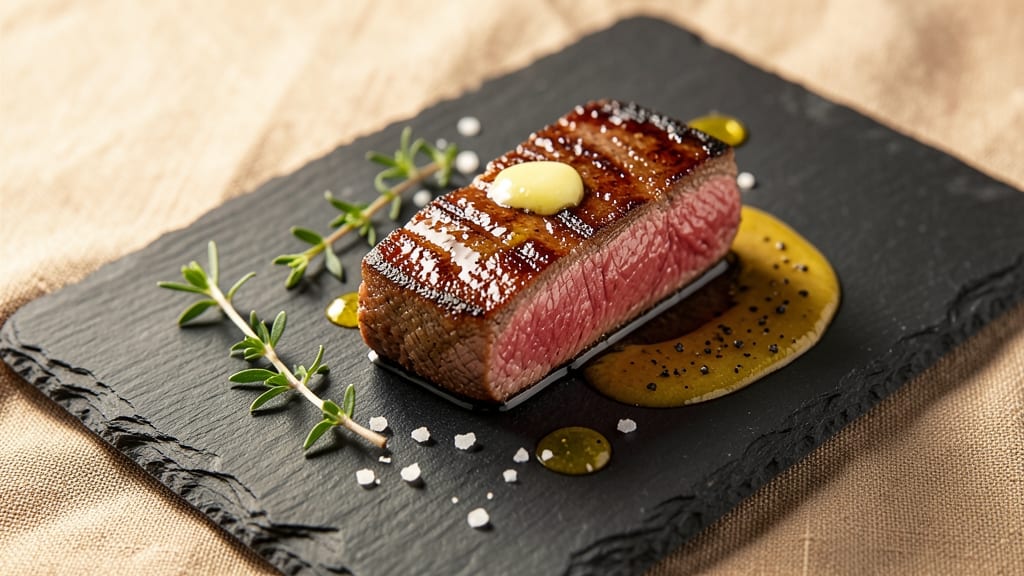
Mastering a petite tenderloin steak recipe means achieving that perfect buttery crust while keeping the inside juicy and pink—exactly as it should be. 🔥 I learned this technique from a local butcher in Portland who swore by high-heat searing and precise timing, and it’s become my go-to for special occasions.
The secret lies in proper seasoning, a screaming-hot pan, and knowing exactly when to flip.
This recipe delivers restaurant-quality results in just 15 minutes of active cooking, making it ideal for weeknight dinners or weekend entertaining. The petite tenderloin’s small size ensures even cooking, while the high-fat content guarantees a rich, buttery flavor in every bite.
You’ll need just a few high-quality ingredients: a well-marbled steak, kosher salt, black pepper, and a pat of butter for finishing.
By the time you’re done, you’ll have a steak with a crispy golden crust and a tender, juicy interior that melts in your mouth. The buttery finish adds an extra layer of richness that takes it from good to unforgettable.
Serve with roasted asparagus or a simple arugula salad to let the steak shine as the star of the plate.
This method works equally well for medium-rare or medium doneness—just adjust your cooking time accordingly. Whether you're cooking for two or planning a dinner party, this recipe delivers foolproof, professional results every time. Let’s get started!
Ingredients for petite tenderloin steak
Six high-quality ingredients transform into a restaurant-worthy petite tenderloin steak with perfect crust and juicy heart.
| Ingredient | Amount | Notes |
|---|---|---|
| Petite Tenderloin Steak 🥩 | 1 whole | Well-marbled, 6-8 oz each |
| Unsalted Butter 🧈 | 2 tbsp | Cold, cut into 4 pieces |
| Kosher Salt 🧂 | 1 ½ tsp | Diamond Crystal preferred |
| Freshly Ground Black Pepper 🌶️ | ½ tsp | Coarse grind preferred |
| Extra-Virgin Olive Oil 🫒 | 1 tbsp | High smoke point preferred |
| Fresh Thyme Leaves 🌿 | 4 whole | From 2 sprigs, chopped |
| Garlic Cloves 🧄 | 2 cloves | Thinly sliced, 1 mm thick |
| Fresh Rosemary 🌿 | 1 sprig | Fronds removed, chopped |
The steak is everything. Look for petite tenderloin with visible marbling—the fat keeps it juicy. Local butchers or Whole Foods carry the best cuts, often pre-trimmed for convenience. If buying whole, trim excess fat to about 1/8-inch thickness. The steak should feel firm to the touch but still springy—like a ripe peach. For this recipe, two 6-8 oz steaks serve two beautifully, with leftovers if you're feeling generous. I always ask the butcher to cut them 1-inch thick for even cooking.
No unsalted butter? European-style butter with 82% fat works just as well—just don't substitute margarine. Short on fresh herbs? Dried thyme at one-third the amount gets you close, but fresh is worth the effort. The olive oil matters here—Kirkland Signature or California Avocado Oil both have high smoke points. For extra aroma, add a pinch of smoked paprika to the seasoning. The garlic and rosemary can be swapped for lemon zest and parsley if you prefer a brighter profile, but the classic combo is hard to beat.
Butter stays cold until the last minute—keep it in the freezer until you're ready to sear. The steak rests for 5 minutes after cooking, so plan ahead. Leftovers? Reheat in a skillet over medium heat for 2-3 minutes per side—never microwave. These steaks freeze beautifully for up to 3 months if vacuum-sealed. I like to portion them with a little extra butter and herbs, then freeze in a single layer before transferring to a bag.
Why You'll Love This Recipe
- Two-Ingredient Magic: I swear by this combo—just butter and olive oil—because it turns that petite tenderloin into something luxurious without overcomplicating things. Honestly, the steak practically cooks itself while you focus on the rest of dinner.
- Crispy-Creamy Perfection: That first bite? The exterior gets a golden crust from the olive oil, while the inside stays tender and buttery—like a steakhouse experience without the fuss. Between us, my kids now ask for "mom's fancy steak" on random nights.
- Weeknight or Date Night: Same recipe, totally different vibes: toss it on the grill for a summer barbecue or sear it in a cast-iron pan for a cozy weeknight. I’ve served it sliced thin over salad for a light lunch or as the centerpiece for a dinner party—no stress, just adaptability.
- Steak for Less: Petite tenderloin is leaner than ribeye but just as impressive, and a single steak stretches across meals. Leftovers? I slice the rest into steak tartare or chow mein the next day—zero waste, maximum flavor. (Yes, even on a Tuesday night.)
Step-by-step instructions for petite tenderloin steak recipe
Here's how to transform a petite tenderloin into a showstopping centerpiece with a buttery crust and melt-in-your-mouth tenderness.
🔥 Step 1: Prep the Steak for Perfect Searing
Take the 1 whole Petite Tenderloin Steak out of the refrigerator and pat it dry completely with paper towels. This step is non-negotiable—any moisture will prevent that beautiful crust from forming. I like to press down firmly with the towels, especially around the thickest parts where the steak naturally holds more moisture.
Next, season both sides generously with the 1.5 tsp Kosher Salt and 0.5 tsp Freshly Ground Black Pepper. Use your fingers to press the seasoning into the meat—this ensures even distribution and maximum flavor penetration. Let the steak sit at room temperature for 30 minutes while you prepare the rest of your components. This resting time allows for even cooking throughout.
🍳 Step 2: Build the Herb Butter Compound
In a small bowl, combine the 2 tbsp Unsalted Butter (cut into 4 pieces), the 4 whole Fresh Thyme Leaves, the 2 cloves Garlic Cloves (thinly sliced), and the chopped fronds from the 1 sprig Fresh Rosemary. Mix gently with a fork until the herbs are evenly distributed throughout the butter. This herb butter will create a luscious crust and infuse the steak with aromatic depth.
Here's a pro tip: I like to press the herb butter mixture into a loose log shape with my fingers. This makes it easier to handle when you're ready to baste the steak. Keep this mixture at room temperature while you cook—cold butter won't render properly and will create steam instead of a crust.
🔥 Step 3: Sear to Golden Perfection
Heat a heavy skillet (cast iron works best) over medium-high heat until it's smoking hot. Add the 1 tbsp Extra-Virgin Olive Oil and let it shimmer for 30 seconds. Place the steak in the pan and sear for 2-3 minutes on each side, pressing down gently with a metal spatula during the first minute to ensure even contact. You're looking for deep golden brown color with some caramelization—this creates that coveted crust.
About 30 seconds before you flip the steak, add two pieces of the herb butter to the pan. Tilt the pan slightly and spoon the melted butter over the steak to begin basting. Flip the steak and add the remaining two pieces of herb butter, basting again immediately. This basting technique ensures maximum flavor infusion and keeps the steak juicy.
⏰ Step 4: Rest for Maximum Juiciness
Transfer the steak to a cutting board and let it rest for 5-7 minutes. This resting period is absolutely crucial—it allows the juices to redistribute throughout the meat. I know it's tempting to cut into it immediately, but resisting this urge will reward you with the most tender, juicy steak possible.
While the steak rests, use a meat thermometer to check the internal temperature. For medium-rare (which is perfect for petite tenderloin), you're looking for 130-135°F. The steak's small size means it cooks quickly, so don't overcook it—petite tenderloin is best enjoyed with that beautiful pink center. If you don't have a thermometer, cut into a small piece to check doneness.
🍽️ Step 5: Slice and Serve with Confidence
Using a sharp knife, slice the steak against the grain into ½-inch thick pieces. The grain direction is easy to spot—you'll see the muscle fibers running parallel. Cutting against these fibers shortens them, making each bite more tender. Arrange the slices on a warm plate and spoon any remaining herb butter from the pan over the top.
Serve immediately with your favorite sides. The petite tenderloin should have a perfect crust on the outside and remain tender and juicy throughout, with that beautiful pink center that's characteristic of this cut. Each bite should deliver a perfect balance of buttery richness, herbaceous aroma, and melt-in-your-mouth tenderness—exactly what you promised your guests when you announced you'd be cooking this special steak.
Pro Tips For Making Petite Tenderloin Steak
- Use a Meat Thermometer: DESCRIPTION: Petite tenderloin cooks fast—like, too fast. I used to eyeball it and end up with either gray sludge or overdone leather. A probe thermometer solves this instantly: pull it at 125°F (52°C) for medium-rare (yes, it’ll hit 130°F while resting). No guessing, no regrets.
- Salt the Butter First: DESCRIPTION: Tossing salt after melting the butter on the steak is lazy. Instead, mix 1 tsp kosher salt per 2 tbsp butter while it’s still cold—this ensures even distribution and a saltier crust without clumping. Trust me, your steak will taste like it was made by a chef, not a shortcut-taker.
- Sear in Two Stages: DESCRIPTION: Petite tenderloin is small but dense. Start with high heat for 30 seconds per side to get that crust, then drop to medium-high for the rest of the cook. Rushing the sear burns the butter before it renders, leaving you with a sad, greasy mess instead of a golden crust.
- Rest Under Foil: DESCRIPTION: I know, resting steak feels like waiting for paint to dry. But tent foil over the steak for 5 minutes while it rests keeps the butter from pooling away and locks in juices—no more slicing into a dry, sad center. (And yes, even if you’re impatient like me.)
Pro cooking tips for great petite tenderloin steak
Pan Temperature Secrets
Your pan needs to be screaming hot—think smoke curling when you add oil—before the steak hits the surface. I use a cast iron skillet (like my trusty Lodge 10-inch) because it retains heat perfectly.
Test readiness by flicking a drop of water onto the pan—if it sizzles and evaporates instantly, you're ready. If not, give it another 30 seconds at medium-high heat. The key is creating that Maillard reaction—the chemical magic that gives steak its deep flavor and crust. 🔥
Butter Timing Tricks
Add the herb butter 30 seconds before flipping—this ensures it melts just as the steak releases its juices. I like to use European-style butter (like Plugrá) because it has a higher fat content that renders beautifully.
If your butter starts to brown too quickly, reduce heat to medium temporarily. The butter should pool around the steak, creating a glossy, golden finish that locks in moisture. Don't skip this step—it's what transforms good steak into restaurant-quality.
Resting Like a Pro
Resisting the urge to cut into your steak is the hardest part, but 5-7 minutes of resting makes all the difference. During this time, the juices redistribute from the center to the edges, ensuring every bite is tender.
I like to tent the steak loosely with aluminum foil to keep it warm while it rests. Pro tip: Use a meat thermometer (I swear by Thermoworks Smoke) to check internal temp—130-135°F for medium-rare.
If you cut too soon, those juices will run out, leaving you with dry steak. 💡
Slicing Against the Grain
Look for the muscle fibers running parallel along the steak—they'll be visible if you examine it closely. Slice perpendicular to these fibers using a sharp chef's knife (my Wüsthof Ikon never lets me down). Cutting against the grain shortens the muscle fibers, making each bite more tender.
For petite tenderloin, ½-inch thick slices work perfectly. If your knife isn't sharp enough, it'll crush the meat instead of cleanly slicing through—always keep your knives honed!
Herb Butter Variations
While thyme and rosemary are classic, don't be afraid to experiment! Swap in fresh sage and lemon zest for a brighter profile, or try smoked paprika and garlic for a Spanish-inspired twist. I once added crushed red pepper flakes for a subtle heat that elevated the dish.
The key is keeping the butter room temperature—cold butter won't render properly and will steam instead of creating that luscious crust. For extra decadence, finish with a sprinkle of flaky sea salt (like Maldon) right before serving. 🌿
Equipment Upgrades Worth It
Investing in a high-quality cast iron skillet (like Lodge) is a game-changer for searing. The heavy material conducts heat evenly and retains it perfectly. For temperature control, a meat thermometer (I recommend Thermoworks Smoke) takes the guesswork out of doneness.
And if you're serious about slicing, a sharp chef's knife (like Wüsthof or Shun) makes all the difference. These tools might seem like splurges, but they'll elevate your steak game every time—no more dry, overcooked meat!
Nutrition facts
Frequently asked questions
What's the best doneness for petite tenderloin?
Medium-rare (130-135°F) is ideal for petite tenderloin—it keeps the center juicy and tender while developing a perfect crust. The small size cooks quickly, so avoid medium or well-done unless you're using a thicker cut. For reference, medium-rare means warm red in the center with a slight spring when pressed.
Can I cook petite tenderloin in the oven instead of pan-searing?
Yes! For oven cooking, preheat to 400°F and sear first in a hot skillet for 1 minute per side, then transfer to the oven on a wire rack for 6-8 minutes (for medium-rare). Use a meat thermometer to avoid overcooking. The oven method works well for batch cooking, but pan-searing gives the best crust.
How do I know when my petite tenderloin is done without a thermometer?
For medium-rare, press the center gently with your finger—it should feel slightly soft but spring back. The edges should be golden brown, and the juices running clear when you cut a small slit. For reference, medium-rare takes about 3-4 minutes per side in a screaming-hot pan.
Is petite tenderloin good for grilling?
Grilling works beautifully for petite tenderloin. Preheat grates to medium-high heat and cook for 3-4 minutes per side for medium-rare. Brush with olive oil and use the herb butter as a finishing baste. The high heat creates great grill marks while keeping the interior tender—just watch it closely to avoid flare-ups.
What sides pair best with this steak?
Light, fresh sides let the steak shine. Try roasted asparagus with lemon zest, creamy mashed potatoes, or a simple arugula salad with shaved Parmesan. For a Pacific Northwest twist, serve with grilled zucchini or a red wine reduction. Avoid heavy sides that compete with the steak's rich flavor.