
Snacks
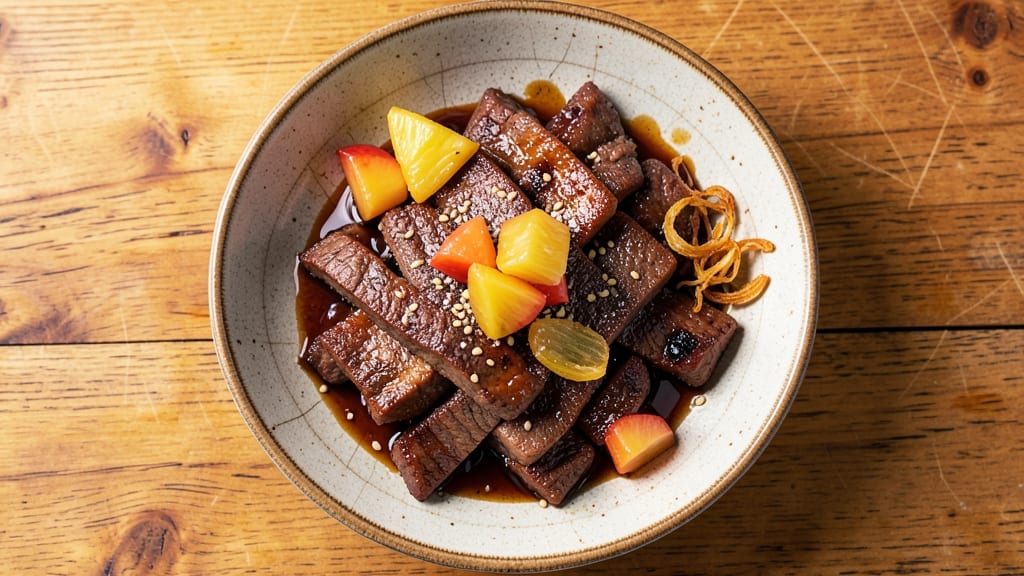
Creating pineapple beef jerky transforms traditional jerky into a tropical, sweet-tangy snack that’s impossible to resist. The key lies in balancing pineapple’s natural sweetness with savory spices and proper dehydration—no more bland, salty sticks.
After perfecting this over countless batches, I’ve nailed the texture: tender yet chewy, with a crispy edge that stays satisfying for hours. This isn’t just jerky; it’s a flavor explosion in every bite.
The process is straightforward but requires precision: thin, even slices ensure consistent drying, while a marinade of pineapple juice, soy sauce, and brown sugar infuses deep flavor. A 3-hour total time—including marinating and dehydrating—delivers restaurant-quality results at home.
The pineapple’s acidity tenderizes the beef while adding a bright contrast to the smoky, spiced profile. No fancy equipment needed, just patience and attention to detail.
What you’ll end up with is jerky that’s sweet without being cloying, tangy without overpowering, and packed with a satisfying crunch. The pineapple’s tropical notes cut through the richness, making it perfect for snacking, hiking, or gifting.
Unlike store-bought versions, this recipe lets you control the sweetness, saltiness, and texture—every batch tastes like it came from a specialty shop.
Whether you’re prepping for a road trip or craving a unique snack, this method works for any cut of beef. Let’s get started—your taste buds will thank you.
Ingredients for pineapple beef jerky
Sweet-tangy marinade meets smoky spice for jerky that’s anything but ordinary.
| Ingredient | Amount | Notes |
|---|---|---|
| Lean Beef Top Round Roast 🥩 | 2 lb | Thinly sliced against grain |
| Fresh Pineapple Juice 🍍 | 1 cup | From ripe pineapple, not canned |
| Soy Sauce 🥢 | ½ cup | Low-sodium preferred |
| Light Brown Sugar 🍚 | ½ cup | Packed firmly |
| Liquid Smoke 🔥 | 1 tbsp | For authentic smoky depth |
| Garlic Powder 🧄 | 1 tbsp | Freshly ground preferred |
| Onion Powder 🧅 | 1 tbsp | For subtle sweetness |
| Ground Black Pepper 🌶️ | 1 tsp | Freshly cracked |
| Ground Cinnamon 🌿 | ½ tsp | Warmth without overpowering |
| Salt 🧂 | 1 ½ tsp | Diamond Crystal kosher |
| Lemon Juice 🍋 | 1 tbsp | Freshly squeezed |
| Extra-Virgin Olive Oil 🫒 | 1 tbsp | For even coating |
The beef cut matters most—top round roast is lean enough to dehydrate properly without turning rubbery. Costco or Whole Foods carry it pre-sliced for convenience, but slicing yourself ensures even thickness. Look for slices about 1/8-inch thick, or use a meat slicer if you’re serious about consistency. The pineapple juice should come from a ripe, fresh pineapple—canned juice lacks the bright acidity that tenderizes the beef. I always buy organic when possible, and Trader Joe's has the best-priced fresh pineapples year-round. For the brown sugar, light variety dissolves better, but dark works if you prefer deeper caramel notes.
No fresh pineapple? High-quality pineapple juice concentrate (like Maui brand) diluted with water works in a pinch, but you’ll lose that fresh acidity. Swap soy sauce for coconut aminos if you’re avoiding gluten, though the flavor will be slightly lighter. Running short on time? Pre-made jerk marinade (like Cholula's) can replace half the spices, but you’ll need to boost the pineapple juice to keep that tropical brightness. The liquid smoke is non-negotiable for that authentic campfire taste—no substitutes come close. For storage, keep the sliced beef in the fridge for up to 2 days before dehydrating to prevent spoilage.
This jerky keeps for 2 weeks in an airtight container at room temperature, or 3 months in the freezer if you want to stock up. Vacuum-sealing extends freshness to 6 months, but regular storage works fine for most snackers. The texture gets even better after 2-3 days of drying—don’t rush it. For gifting, package in cellophane bags with a ribbon and add a handwritten note. Pro tip: Store in parchment-lined containers to prevent sticking, and keep away from humidity. The pineapple flavor actually intensifies over time, so the older batches often taste the best.
Why You'll Love This Recipe
- I swear by this trick: just freeze the beef overnight, slice it thin while still frozen, then toss it in the marinade. No knife skills required—just a steady hand and 10 minutes.
- No-Slice Needed: I swear by this trick: just freeze the beef overnight, slice it thin while still frozen, then toss it in the marinade. No knife skills required—just a steady hand and 10 minutes.
- Sweet-Savory Magic: That pineapple juice isn’t just for flavor—it tenderizes the beef while cutting through the richness of the soy and brown sugar. Honestly, the first bite hits like a tropical campfire, and I’m not exaggerating.
- Snack Attack Ready: Between us, this jerky disappears fast. I make a big batch on Sundays, slice it into strips, and keep it in the fridge for quick protein when I’m craving something salty-sweet but don’t want to cook.
Step-by-step instructions for pineapple beef jerky
This method transforms tough beef into tender, sweet-tangy jerky with a perfect chew—no fancy equipment needed.
Prepare the Marinade with Exact Measurements
In a medium bowl, combine the 1 cup fresh pineapple juice, 0.5 cup soy sauce, and 0.5 cup packed light brown sugar. Whisk until the sugar fully dissolves, creating a smooth, syrupy base. This blend of sweet and salty forms the foundation for your jerky's complex flavor profile.
Next, add the 1 tbsp liquid smoke, 1 tbsp garlic powder, 1 tbsp onion powder, 1 tsp ground black pepper, 0.5 tsp ground cinnamon, and 1.5 tsp salt. Stir vigorously for 2 minutes until all spices are evenly distributed. The cinnamon adds subtle warmth while the liquid smoke delivers that authentic smoky depth you'd expect from traditional jerky.
Finally, pour in the 1 tbsp lemon juice and 1 tbsp extra-virgin olive oil, mixing until fully incorporated. The lemon juice brightens the flavors while the olive oil helps the marinade cling to the beef. Taste the marinade—it should be boldly sweet with a tangy kick and a hint of smokiness. If it needs more salt, add a pinch at a time until balanced.
Slice the Beef Against the Grain for Perfect Texture
Using a sharp boning knife, slice the 2 lb lean beef top round roast into ¼-inch thick strips, cutting against the grain for maximum tenderness. The grain runs lengthwise through the muscle fibers, so slicing perpendicular creates shorter fibers that break apart more easily when chewed. Work quickly to maintain an even thickness throughout.
Arrange the sliced beef in a single layer on a baking sheet lined with parchment paper. This prevents overlapping, which could lead to uneven cooking. The strips should be about 2-3 inches long—long enough for convenient snacking but short enough to cook through completely in the dehydrator or oven.
I like to trim any large fat deposits from the beef before slicing. While some fat adds flavor, too much can make the jerky greasy rather than chewy. The top round roast is lean by nature, which makes it ideal for jerky—just be thorough with your slicing to ensure even thickness.
Marinate the Beef for Deep Flavor Penetration
Transfer the sliced beef to a large zip-top bag and pour the marinade over top. Seal the bag, removing as much air as possible before submerging the beef completely. The vacuum seal helps the marinade penetrate every strip evenly. Place the bag in the refrigerator and marinate for at least 12 hours, though I recommend 24 hours for maximum flavor development.
During marinating, the acidity in the pineapple juice and lemon juice begins to tenderize the beef while the sugars and spices infuse deeply. Turn the bag occasionally to ensure all pieces are coated. If you're short on time, marinate for at least 8 hours, but expect slightly less tender jerky.
After marinating, remove the beef from the bag and pat it dry with paper towels. This step is crucial—excess moisture on the surface can lead to a gummy texture rather than the chewy, crisp exterior we want. Arrange the strips on a wire rack set over a baking sheet to ensure air circulates on all sides during drying.
Dehydrate Until Leather-Like and Flexible
Preheat your dehydrator to 160°F or set your oven to 160°F with the door propped slightly open for airflow. Place the wire rack with beef strips inside and dehydrate for 4-6 hours, checking periodically. The jerky is done when it's leather-like but still slightly flexible—it should bend but not snap back easily.
If using an oven, place a small dish of water on the lower rack to add moisture to the air, preventing the jerky from drying out too quickly. Rotate the strips halfway through cooking to ensure even drying. Overcooking will make the jerky brittle and tough, while undercooking leaves it moist and unsafe to eat.
For a smoky finish, you can briefly broil the jerky for 1-2 minutes at the end, watching closely to avoid burning. The high heat caramelizes the sugars on the surface, adding a subtle toasted note. Let the jerky cool completely before storing—this prevents condensation from forming inside your storage container.
Store Properly for Maximum Freshness
Once cooled, transfer the jerky to an airtight container lined with parchment paper. The paper prevents the jerky from sticking to the container and absorbing moisture. Store in a cool, dark place for up to 2 weeks, or freeze for up to 3 months to preserve freshness.
This jerky keeps well because the combination of salt, sugar, and acidity acts as a natural preservative. The low moisture content also inhibits bacterial growth. When ready to eat, let the jerky sit at room temperature for 5-10 minutes to soften slightly—this makes it more pliable and easier to chew.
Slice into ½-inch strips for easy snacking or leave whole for a more substantial bite. The perfect jerky should have a chewy yet tender texture with a balance of sweet pineapple, smoky depth, and a hint of tangy lemon. Each bite delivers a satisfying crunch that gives way to rich, savory beef—ideal for on-the-go energy or a unique appetizer.
Pro Tips For Making Pineapple Beef Jerky
- Trim That Fat: DESCRIPTION: The top round roast has sneaky fat streaks—don’t skip trimming them. I learned this after my first batch turned greasy instead of tender; now I slice off every last bit with kitchen shears before slicing thin. Thin slices = faster cooking, and you’ll taste the pineapple-soy glaze better without chewy fat.
- Marinate Overnight: DESCRIPTION: Two hours isn’t enough. The sugar in the brown sugar and pineapple juice needs time to break down the meat’s fibers. Toss the sliced beef in the marinade, cover, and let it sit in the fridge for at least 12 hours—I usually do 24. Trust me, the jerky will be fork-tender, not tough.
- Dry the Meat First: DESCRIPTION: Pat those slices bone-dry with paper towels before marinating. Wet meat steams instead of caramelizing, and you’ll end up with soggy jerky. I use two layers of towels and press hard—yes, it’s tedious, but the result is a crispy, smoky exterior that holds up like a pro’s.
- Smoke Low and Slow: DESCRIPTION: Crank the smoker to 165°F (74°C), not 200°F. I burned the edges of my first batch by rushing it, and the jerky turned rubbery. Use a meat thermometer—pull it at 160°F internal temp. The liquid smoke adds flavor, but real smoke at the right temp seals the deal.
Perfect pairings for this pineapple beef jerky
Tropical Sides
Serve your pineapple beef jerky with mango salsa—diced ripe mango, red onion, cilantro, and lime juice—to amplify the tropical theme. The bright acidity and sweetness mirror the jerky’s pineapple notes perfectly. I use Mission brand mangoes for their natural sweetness and juiciness. 🍍
For a refreshing contrast, try coconut rice with toasted coconut flakes and a sprinkle of chili powder. The creamy coconut balances the jerky’s smoky-sweet profile while adding a satisfying crunch. Cook jasmine rice in coconut milk for extra richness, or use Trader Joe’s pre-made coconut rice for convenience.
Spicy Dips
Pair with spicy pineapple salsa—blend fresh pineapple chunks, jalapeño, red onion, and lime juice for a sweet-heat combo. This dip echoes the jerky’s flavors while adding a kick.
For extra depth, add 1 tbsp honey and 1 tsp Tajín seasoning to the mix. Serve chilled for the best texture. 🌶️
A smoky chipotle dip made with Greek yogurt, chipotle powder, and lime zest cuts through the sweetness beautifully. Mix ½ cup Greek yogurt with 1 tsp chipotle powder, 1 tbsp lime juice, and a pinch of salt.
This dip adds a creamy, smoky contrast that complements the jerky’s tropical sweetness.
Beverage Pairings
Cool down with sparkling pineapple limeade—mix 1 cup pineapple juice, ½ cup lime juice, and 1 cup sparkling water. Add ice and a lime wedge for a refreshing sip.
This drink mirrors the jerky’s flavors while keeping things light and crisp. For a boozy twist, add 1 oz white rum per serving. 🍹
For a non-alcoholic option, try hibiscus iced tea—its tart, floral notes balance the jerky’s sweetness. Brew 2 tbsp hibiscus tea in 2 cups hot water, then chill and serve over ice. The deep red color makes it visually striking too, perfect for parties or picnics.
Sweet Contrasts
Balance the savory-sweet jerky with dark chocolate-covered macadamia nuts. The rich chocolate and buttery nuts provide a luxurious contrast to the jerky’s tropical flavors. Melt 1 cup dark chocolate chips with ½ cup macadamia nuts, drizzle over parchment paper, and chill until set. 🍫
For a lighter option, serve with lychee sorbet—its floral sweetness and icy texture cleanse the palate between bites. Use fresh lychees or high-quality frozen lychees (like Trader Joe’s brand) for the best flavor. A sprinkle of toasted coconut adds crunch and ties back to the tropical theme.
Nutrition facts
Frequently asked questions
Can I use frozen pineapple instead of fresh for the marinade?
Fresh pineapple juice works best because it retains the natural enzymes that tenderize the beef and add bright acidity. If you must use frozen, thaw it completely first and strain out any excess water to avoid a watery marinade. The flavor will be slightly less vibrant, but it still works in a pinch.
How do I adjust the sweetness level in this recipe?
Start with the 0.5 cup brown sugar as written, then taste the marinade before adding beef. For less sweetness, reduce to 0.25 cup and add 1 tbsp extra soy sauce for balance. If you prefer it sweeter, increase sugar to 0.75 cup but reduce salt slightly to avoid overwhelming the flavor.
What’s the best way to slice beef for jerky without a meat slicer?
Use a sharp boning knife and freeze the beef for 30 minutes first to firm it up. Slice against the grain at a 45-degree angle for even ¼-inch thick strips. Work slowly and keep your knife sharp—dull blades crush the meat, leading to uneven drying. A serrated knife works too if you don’t have a boning knife.
Can I make this jerky in an oven without a dehydrator?
Preheat oven to 160°F with the door slightly ajar for airflow. Place beef strips on a wire rack over a baking sheet and dehydrate for 4-6 hours, rotating halfway. Add a shallow dish of water below to maintain humidity. For extra crispiness, broil for 1-2 minutes at the end—watch closely to avoid burning.
Why did my jerky turn out rubbery instead of chewy?
Rubbery jerky usually means it was overcooked or the slices were too thick. Check doneness by bending a strip—it should bend but not snap back. For future batches, aim for ¼-inch thickness and dehydrate at 160°F for 4-5 hours max. Also, ensure your beef was properly marinated (at least 12 hours) to tenderize the fibers.