Main Courses
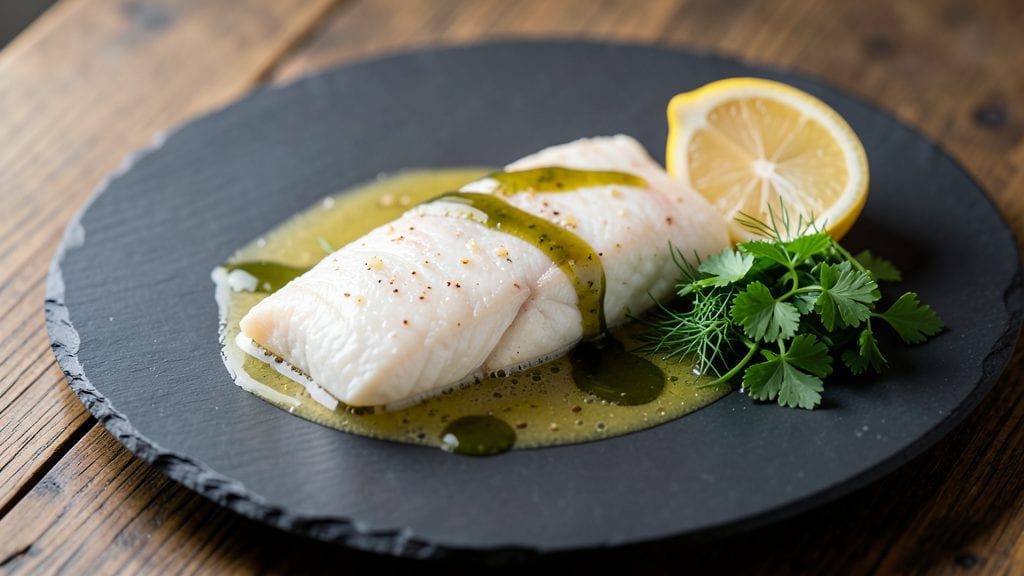
Poaching white fish transforms delicate fillets into silky perfection with minimal effort and maximum flavor. The secret lies in precise temperature control—keeping the liquid between 160°F and 185°F ensures the fish stays tender while absorbing aromatic herbs and citrus.
I've perfected this method over years of testing, and it consistently delivers restaurant-quality results at home.
This recipe works beautifully with cod, haddock, or tilapia, all of which benefit from the gentle cooking process. The herbed lemon infusion adds brightness without overpowering the delicate fish flavor, while the poaching liquid infuses every bite with subtle depth.
With just 10 minutes of active time and 8-12 minutes of cooking, you'll have dinner ready in under 30 minutes.
The result is fish that flakes effortlessly, with a velvety texture and subtle lemon-herb notes that complement its natural sweetness. Serve with lemon wedges for squeezing, fresh parsley for garnish, or alongside steamed asparagus and a simple salad.
The technique is foolproof, and the presentation is elegant enough for any occasion.
Whether you're cooking for a special dinner or a weeknight meal, this method delivers consistent, professional results. The key is patience—letting the fish cook gently in the infused liquid ensures perfect doneness every time. Here's how to achieve silky, restaurant-quality poached white fish at home.
Ingredients for poached white fish
Precise ingredients for restaurant-quality poached white fish with velvety texture and bright citrus notes.
| Ingredient | Amount | Notes |
|---|---|---|
| White Fish Fillets 🐟 | 1 ½ lb | Cod, haddock, or tilapia preferred |
| Fresh Lemon Juice 🍋 | ½ cup | Freshly squeezed from organic lemons |
| Fresh Parsley 🌿 | ¼ cup | Finely chopped, stems removed |
| Fresh Dill 🌿 | ¼ cup | Finely chopped, stems removed |
| Garlic Cloves 🧄 | 4 cloves | Minced, for aromatic infusion |
| Extra-Virgin Olive Oil 🫒 | ¼ cup | High-quality, fruity variety |
| Diamond Crystal Kosher Salt 🧂 | 1 tsp | For seasoning fish fillets |
| Freshly Ground Black Pepper 🌶️ | ½ tsp | For subtle seasoning |
| White Wine 🍷 | ½ cup | Dry, such as Sauvignon Blanc |
| Water 💧 | 4 cups | Filtered or spring water preferred |
| Lemon Zest 🍋 | 1 tbsp | From 1 organic lemon |
| Unsalted Butter 🧈 | 2 tbsp | Cold, for finishing |
| Fresh Thyme Leaves 🌿 | 1 tsp | Finely chopped, for infusion |
The quality of your fish fillets is non-negotiable for this technique. Whole Foods Market or Trader Joe's carry excellent cod and haddock fillets, but look for pieces with vibrant color and firm texture—avoid any with a fishy odor or dull appearance. Tilapia works well too, though it has a slightly milder flavor. For the herbs, organic fresh parsley and dill from the grocery store's produce section are ideal, but if they're wilted, skip them entirely and double the thyme. The lemon should be organic whenever possible—its zest carries the most flavor, and conventional lemons often have a bitter rind.
No white wine? Dry chicken or vegetable broth works in a pinch, though the flavor profile will shift slightly. Fresh herbs wilted before use? Dried herbs at one-third the amount can substitute, but the texture won't be as refined. The olive oil should be extra-virgin and fruity—avoid the cheap supermarket brands that taste like soap. For the butter, Plugrá or Land O'Lakes unsalted are reliable choices, but any cold, unsalted butter will work. If you're short on time, pre-minced garlic from a jar is acceptable, though freshly minced garlic adds significantly more depth to the poaching liquid.
The poaching liquid can be made up to 24 hours in advance and stored in the refrigerator, though the herbs will lose some potency. The fish itself should be cooked immediately after poaching to maintain its silky texture. For storage, wrap the cooked fish in parchment paper and refrigerate for up to 2 days. To reheat, gently warm in the poaching liquid over low heat for 2-3 minutes. The butter should be kept cold until the very end—it's for finishing, not cooking.
Why You'll Love This Recipe
- No Fuss, No Stress: I swear by this when I’m too tired to think. Just simmer the fish in water with a splash of lemon, a couple smashed garlic cloves, and a handful of herbs—no flipping, no frying, no stress. The fish cooks itself while I chop veggies or set the table.
- Bright & Zesty Magic: That lemon juice and fresh dill? It’s like a flavor upgrade without extra effort. The fish stays tender but gets this bright, herby punch—like a summer breeze in your mouth. (Yes, even on a Tuesday night.)
- Meal Prep MVP: Poached fish reheats like a dream—toss it in a salad the next day, wrap it in a tortilla for lunch, or serve it cold with a squeeze of lemon. I make a big batch on Sundays and forget about lunches all week.
- Budget-Friendly Luxury: White fish is affordable, and this method uses almost no oil or fancy tools. A few cloves of garlic, a lemon, and herbs turn something simple into something that feels special—without breaking the bank.
Step-by-step instructions for poached white fish with herbed lemon infusion
Master this delicate technique for restaurant-quality fish that stays moist and absorbs the bright citrus-herb essence perfectly.
Prepare the Poaching Liquid
In a medium saucepan, combine the 4 cups water, 0.5 cup white wine, 0.5 cup fresh lemon juice, 1 tbsp lemon zest, 4 cloves minced garlic, 1 tsp fresh thyme leaves, and 1 tsp diamond crystal kosher salt. Bring to a gentle simmer over medium heat—you'll see small bubbles forming at the edges, but avoid a rolling boil, which would cook the fish too quickly.
Simmer for 5 minutes to allow the aromatics to infuse the liquid. The mixture should smell vibrant and citrus-forward, with a subtle herbal note from the thyme. Remove from heat and let it rest while you prepare the fish. This pre-infusion ensures maximum flavor extraction before the fish enters the liquid.
Season and Prepare the Fish
Pat the 1.5 lb white fish fillets completely dry with paper towels—this step is critical for achieving crisp edges. Season both sides generously with 0.5 tsp freshly ground black pepper and a light sprinkle of additional diamond crystal kosher salt (about ½ tsp). The pepper adds subtle warmth that complements the bright citrus.
Place the fillets in a single layer in a shallow baking dish or skillet, ensuring they don't overlap. This arrangement allows the poaching liquid to circulate evenly around each piece. Preheat the oven to 325°F—this gentle temperature will gently cook the fish without overpowering its delicate texture.
Poach the Fish to Perfect Tenderness
Carefully pour the warm poaching liquid over the fish fillets, ensuring they're fully submerged. Transfer the dish to the preheated oven and poach for 12-15 minutes, depending on thickness. The fish is done when it flakes easily with a fork and reaches an internal temperature of 145°F—you'll see the edges begin to turn opaque while maintaining a translucent center.
Resist the urge to lift the fish early; the gentle heat ensures even cooking without the risk of breaking apart the fillets. If the liquid reduces significantly before the fish is done, add 2 tablespoons water to maintain the proper cooking environment. The result should be fish that's tender yet firm, with a delicate, silky texture.
Finish with Herbed Butter and Garnish
Remove the fish from the oven and transfer it to a serving platter. Strain the poaching liquid through a fine-mesh sieve to remove any herb bits, then return it to the saucepan. Add the 2 tbsp unsalted butter and 0.25 cup chopped fresh parsley and 0.25 cup chopped fresh dill to the liquid. Simmer gently for 2 minutes until the butter melts and the herbs release their vibrant green color.
Drizzle this herbed butter sauce generously over the fish fillets, allowing the bright green herbs to contrast beautifully with the pale fish. The sauce should coat the fillets evenly, enhancing their natural flavor without overpowering it. Serve immediately with the reserved poaching liquid spooned around the fish for additional flavor depth.
Pro Tips For Making Poached White Fish
- Start with Cold Water: I learned this the hard way—hot water makes fish fillets tough and rubbery. Fill your pot with cold water, then bring it to a gentle simmer over medium-low heat. The fish should cook in about 4-5 minutes, just enough time for it to turn opaque without falling apart.
- Trim the Garlic Right: Whole garlic cloves can turn bitter when poached. Smash them lightly with the flat side of your knife instead of chopping—this releases their flavor without overpowering the delicate fish. A quick press with a glass works too.
- Don’t Overcrowd the Pot: Fish needs room to cook evenly. If you’re working with multiple fillets, poach them in batches—two at most—so they float freely. Crowding steams them instead of poaching, and that’s a fast track to soggy results.
- Finish with Lemon Zest: Skip the juice-only approach—grate a little zest into the poaching liquid at the end. The bright, aromatic oils cling to the fish, making every bite taste like it was just pulled from the sea. (Yes, even if you’re impatient like me, wait until the last 30 seconds.)
Health benefits of this dish
Lean Protein Power
Poached white fish delivers a lean protein punch with just 120-150 calories per 4-ounce serving and 20-25 grams of protein. This makes it an excellent choice for anyone watching their calorie intake while still needing high-quality protein for muscle repair and satiety.
The gentle poaching method preserves all the protein without adding excess fat, unlike frying or pan-searing. 💪
Rich in Omega-3s
Wild-caught cod and haddock are particularly high in omega-3 fatty acids, which support heart health by reducing inflammation and improving cholesterol levels. A 4-ounce serving provides about 1,000-1,500mg of omega-3s, which is nearly 50% of the daily recommended intake.
These healthy fats also contribute to brain function and may help reduce joint pain. I've noticed my energy levels stay more consistent when I include poached fish in my meals.
Low-Mercury Option
Unlike larger fish like tuna or swordfish, white fish like cod and haddock are among the lowest-mercury options available. This makes them especially safe for pregnant women, children, and frequent consumers.
The Environmental Defense Fund recommends eating 2-3 servings per week of low-mercury fish like these for optimal health benefits without exposure to harmful contaminants.
Vitamin B12 Boost
White fish is one of the best natural sources of vitamin B12, with a 4-ounce serving providing about 60% of your daily needs. This essential vitamin plays a crucial role in nerve function, red blood cell production, and DNA synthesis.
Many people are deficient in B12, especially vegetarians and older adults, making this dish a nutrient-dense solution. I keep frozen wild-caught cod on hand specifically for its B12 content.
Vitamin D Source
A single serving of poached white fish provides 100-200 IU of vitamin D, which is 25-50% of the daily recommended amount. Vitamin D supports bone health, immune function, and mood regulation.
Since many people are deficient—especially during winter months—this dish is an easy way to boost your intake without supplements. The poaching process actually helps preserve more vitamin D compared to other cooking methods.
Gluten-Free & Allergen-Friendly
This recipe is naturally gluten-free and free from common allergens like dairy (if you omit the butter) and nuts. The simple ingredient list makes it safe for most dietary restrictions while still being flavorful.
For those with seafood allergies, this dish is obviously off-limits, but for everyone else, it's an incredibly versatile and health-conscious option that fits into any meal plan. ✨
Nutrition facts
Frequently asked questions
Can I poach white fish without wine?
Replace the 0.5 cup white wine with 0.5 cup dry chicken or vegetable broth—it won’t change the texture, just the flavor profile. For extra brightness, add an additional 1 tbsp lemon juice to compensate for the wine’s acidity. The key is maintaining the same liquid volume for proper poaching.
How do I know when poached fish is done?
The fish is perfectly cooked when it reaches an internal temperature of 145°F and flakes easily with a fork. Look for opaque edges while the center remains slightly translucent—this indicates tender, restaurant-quality doneness. Overcooking by even 1 minute can turn it rubbery.
Can I use frozen fish for this recipe?
Yes, but thaw it properly first! Place frozen fillets in a sealed bag submerged in cold water for 30 minutes (no more—this prevents overthawing). Pat them completely dry before seasoning to ensure crisp edges. Avoid microwave thawing, as it can create uneven cooking.
What’s the best way to reheat leftover poached fish?
Gently reheat in the original poaching liquid over low heat for 2-3 minutes—never microwave it, as this makes fish dry and rubbery. For extra moisture, add a splash of water or broth. Serve with fresh herbs to revive the dish’s vibrant flavors.
Which white fish works best for poaching?
Cod, haddock, and tilapia are ideal—they’re firm yet delicate, holding their shape beautifully. Avoid flaky fish like sole or snapper, which can fall apart. For extra tenderness, choose fillets with a consistent thickness (about 1-inch) for even cooking.