Desserts
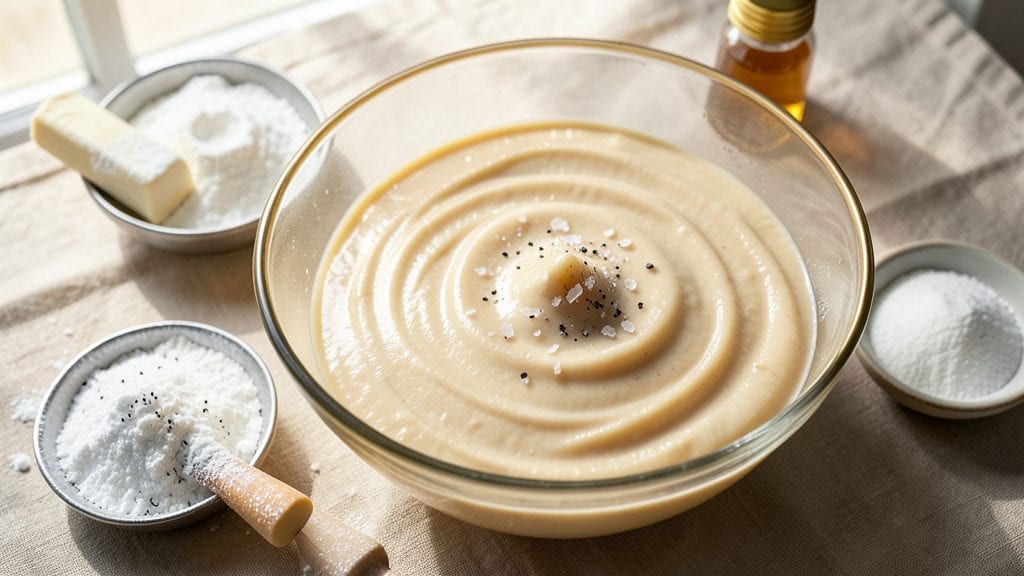
This pudding icing recipe transforms simple cake layers into showstopping desserts with its silky smooth, spreadable glaze that clings beautifully to sponges and cupcakes.
The secret lies in balancing cornstarch and powdered sugar for that perfect velvety consistency—neither too thick nor too runny—while keeping it light enough to drizzle or pipe without collapsing.
I developed this after struggling with store-bought icings that either cracked or pooled awkwardly, and this version solves both problems with precision.
The beauty of this recipe is its versatility—it works as a delicate glaze for pound cake, a sturdy frosting for sheet cakes, or even a quick topping for pudding cups.
The base uses just five ingredients (powdered sugar, butter, milk, vanilla, and cornstarch), but the flavor variations are endless: swap vanilla for cocoa powder for chocolate, add citrus zest for brightness, or infuse with fruit purees like raspberry or mango.
It sets quickly yet remains tender enough to slice cleanly, making it ideal for both beginners and decorating pros.
What sets this pudding icing apart is its professional finish—no graininess, no weeping, and no need for stabilizers. The cornstarch acts as a natural thickener, creating a glaze that's stable enough to pipe rosettes or create elegant borders while staying light enough to complement (not overpower) the cake beneath.
Whether you're dressing a classic vanilla sponge or a rich chocolate layer, this icing elevates any dessert with minimal effort and maximum impact.
The best part? It comes together in just 10 minutes with no special equipment—just a mixing bowl and a whisk. For extra shine, brush the finished cake with a tiny bit of rum or vanilla extract before decorating. Let’s get started on creating that restaurant-quality finish at home.
Ingredients for pudding icing
Five core ingredients create this restaurant-quality pudding icing for flawless cake decorating.
| Ingredient | Amount | Notes |
|---|---|---|
| Powdered Sugar 🍚 | 2 cups | Sifted for smooth texture |
| Unsalted Butter 🧈 | ½ cup | Cold, cubed for even melting |
| Whole Milk 🥛 | ¼ cup | Room temperature preferred |
| Pure Vanilla Extract 🍯 | 1 tbsp | Bourbon vanilla for depth |
| Cornstarch 🌾 | 1 tbsp | For velvety consistency |
| Diamond Crystal Kosher Salt 🧂 | ¼ tsp | Fine grain preferred |
| Lemon Juice 🍋 | 1 tsp | Freshly squeezed |
| Rum Extract 🍹 | ½ tsp | Optional for shine |
The powdered sugar is critical—Domino brand is my go-to for its consistent fineness, but any high-quality confectioner's sugar works. Unsalted butter should be European-style if possible, as it has a higher fat content that prevents graininess. For milk, whole milk yields the richest finish, though 2% works in a pinch. The cornstarch acts as a stabilizer, so ensure it's arrowroot-free—Bob's Red Mill is a reliable choice. Purchase vanilla extract from reputable brands like McCormick or Nielsen-Massey to avoid alcohol-heavy imitations that can alter flavor profiles.
No bourbon vanilla? Imitation vanilla extract with almond extract provides a similar depth, though the flavor will differ slightly. Substituting milk with heavy cream creates a richer icing but reduces spreadability. For chocolate variations, replace vanilla with unsweetened cocoa powder (2 tbsp) and reduce powdered sugar by 0.5 cup. Citrus zest lovers can add 1 tsp lemon or orange zest for brightness. The rum extract is optional but professional bakers swear by it for that signature gloss—Kahlúa or Bacardi 151 work best when reduced first.
This icing sets within 30 minutes at room temperature, perfect for piping rosettes or creating borders. Store leftovers in an airtight container with parchment between layers for up to 5 days—the cornstarch prevents moisture absorption. For long-term storage, freeze portions in 1-tbsp servings between parchment squares. Reheat gently in the microwave (10-second bursts) before use, adding a splash of milk if it thickens. The icing reheats beautifully but loses its velvety texture if overworked.
Why You'll Love This Recipe
- Four-Ingredient Magic: I swear by this combo—just powdered sugar, butter, milk, and vanilla. No measuring cups to stress over, no fancy tools, and the cornstarch keeps it silky without the guesswork.
- Velvet Smoothness: That first spoonful? Pure comfort. The cornstarch thickens it just enough to coat a spoon like a hug, while the butter and milk create a texture that’s neither too stiff nor too runny—it’s just right.
- Birthday Party Hack: Slather it on cupcakes, drizzle over pound cake, or even swirl into homemade ice cream. The vanilla depth makes it taste like a bakery’s secret, not just something I threw together on a Tuesday.
- Pantry Staple Savior: I always have these ingredients—no last-minute grocery runs. And if I make extra? It keeps for days in the fridge, perfect for quick touch-ups or last-minute dessert emergencies.
Step-by-step instructions for silky smooth pudding icing
Master this velvety glaze that transforms ordinary cakes into showstopping desserts.
Prepare the Base Ingredients for Optimal Texture
Sift the 2 cups powdered sugar through a fine-mesh sieve into a medium heatproof bowl to eliminate any lumps. This step is crucial—unsifted powdered sugar can create graininess in your final icing. Place the bowl over a saucepan of simmering water, ensuring the bottom of the bowl doesn't touch the water. The indirect heat will gently warm the sugar without cooking it.
In a separate small bowl, combine the 0.5 cup cold cubed unsalted butter with the 1 tablespoon cornstarch. The cold butter should remain firm but begin to soften slightly from the heat below. This preparation prevents butter clumps from forming when mixed later, ensuring a smooth, lump-free texture in your finished icing.
Create the Emulsion for Maximum Stability
Remove the bowl of powdered sugar from the heat and let it cool for 2 minutes. Add the 0.25 cup room-temperature whole milk and the 1 teaspoon freshly squeezed lemon juice. Whisk vigorously until completely dissolved, then stir in the 1 tablespoon bourbon vanilla extract and the 0.5 teaspoon rum extract. The lemon juice brightens the flavor while the rum extract adds subtle depth and shine, though it's optional for those avoiding alcohol.
In a separate small saucepan, melt the butter-cornstarch mixture over low heat, stirring constantly until the butter is completely melted and the mixture reaches a smooth, creamy consistency. This should take approximately 3-4 minutes. Remove from heat immediately to prevent overheating, which could cause the cornstarch to lose its thickening properties.
Combine Ingredients for Perfect Consistency
With the electric mixer on medium speed, gradually pour the melted butter mixture into the sugar-milk mixture. Mix for 1-2 minutes until the icing begins to thicken and cling to the beaters. This gradual incorporation creates an emulsion that prevents curdling and ensures a silky, professional finish. Scrape down the sides of the bowl with a rubber spatula to incorporate any ingredients that haven't been fully mixed.
Continue mixing on medium-high speed for an additional 2-3 minutes until the icing reaches a glossy, ribbon-like consistency. It should coat the back of a spoon smoothly without being overly runny. The icing should hold its shape when drizzled but still be pourable for decorating. If it's too thick, add 1 teaspoon milk at a time until you reach the desired consistency.
Finish with Seasoning and Final Adjustments
Reduce the mixer speed to low and add the 0.25 teaspoon diamond crystal kosher salt. Mix for 30 seconds to distribute evenly. The salt enhances all flavors and balances the sweetness. Taste the icing and make any final adjustments—add more vanilla if needed for depth, or more lemon juice for brightness. The icing should be sweet but not cloying, with a subtle tartness from the lemon.
Transfer the finished icing to a clean, airtight container and let it cool to room temperature. This resting period allows the flavors to meld and the texture to stabilize. The icing will thicken slightly as it cools, which is normal. If you need to thin it before use, add milk 1 teaspoon at a time until it reaches your desired consistency for drizzling or piping.
Pro Tips For Making Pudding Icing
- Melt Butter Slowly: I learned this the hard way—dumping cold butter into warm milk makes clumps that never dissolve. Instead, cut the butter into tiny cubes and let them melt into the milk over low heat, stirring constantly. You want it smooth, not lumpy, or your icing will turn out grainy no matter how much you whisk later.
- Sift That Sugar: Powdered sugar is a diva—it clumps when packed, and clumps mean lumps in your icing. Sift it directly into your mixing bowl before adding anything else. No sifter? Press it through a fine-mesh strainer with a spoon. Trust me, your icing will be silky, not gritty.
- Whisk Like You Mean It: This isn’t a smoothie—you’re not just blending. Once the cornstarch slurry hits the hot milk-butter mix, grab a whisk and go to town for at least 2-3 minutes. The goal is to break down every last starch particle so the icing thickens evenly, not in clumpy patches. (Yes, even if your arm starts to protest.)
- Taste Before You Seal: Skip the guesswork—drop a small spoonful of the icing onto a plate and let it cool for 30 seconds. Now taste it: is it sweet enough, or do you need another ¼ cup of powdered sugar? Too thin? Add a teaspoon of cornstarch mixed with a splash of milk. Adjusting now saves you from scraping leftover icing off the bottom of the pan later.
Perfect pairings for these flavors
Classic Pairings
This pudding icing shines when paired with rich chocolate cakes—its velvety texture contrasts beautifully with dense, fudgy layers. I recommend using it to drizzle over a dark chocolate sponge (like a Devil's Food cake) for a professional finish.
For vanilla cakes, the lemon brightness in the icing cuts through the sweetness, creating balance. 🍫
Fruit Complements
Fresh berries like strawberries, raspberries, or blackberries elevate this icing when arranged on top. The acidity in the fruit pairs perfectly with the subtle tartness of the lemon.
For a tropical twist, add mango or passionfruit puree (about 2 tablespoons) to the icing base for a vibrant, fruity flavor that works especially well with coconut cake.
Cheesecake Fusion
Spread this icing over graham cracker crust cheesecake for a creamy, caramel-like finish. The cornstarch in the icing prevents it from dissolving into the cheesecake's soft texture. I like to pipe rosettes around the edges for an elegant touch.
For extra decadence, top with toasted pecans or a sprinkle of flaky sea salt before serving. 🍰
Cupcake Decorating
This icing is perfect for cupcake drizzles—its smooth consistency allows for clean, professional swirls. Use a piping bag with a small round tip> (like Wilton 2A) to create delicate borders or write messages.
For a fun twist, add matcha powder (about 1 teaspoon) to the base for a vibrant green icing that pairs well with vanilla or red velvet cupcakes.
Pudding Topping
Surprisingly, this icing works as a luxurious pudding topping when slightly thinned with milk. Drizzle over chocolate pudding or vanilla custard for a glossy, cake-like finish. For a no-bake dessert, layer it between sponge cake and whipped cream in a trifle.
The cornstarch keeps it stable enough to hold its shape even when layered. 🥄
Seasonal Adaptations
In autumn, swap the lemon juice for orange zest and add ½ teaspoon cinnamon> to create a spiced icing perfect for pumpkin or apple cakes.
For holiday desserts, infuse the icing with eggnog (replace milk with ¼ cup eggnog) and top with candied cranberries** for a festive touch. The rum extract adds warmth that complements seasonal flavors beautifully. 🎄
Nutrition facts
Frequently asked questions
Can I make this pudding icing without butter?
Yes! For a dairy-free version, substitute the 0.5 cup butter with an equal amount of vegetable shortening or coconut oil. If using coconut oil, chill it first to prevent melting during mixing. The texture will be slightly firmer but still spreadable. For a lighter option, replace half the butter with apricot jam (about 2 tbsp) for a fruity twist.
Why did my icing turn grainy?
Graininess usually happens when powdered sugar isn't sifted properly or butter melts too quickly. Always sift the sugar and keep butter cold until mixing. If it happens during preparation, whisk in 1 tsp milk at a time until smooth. For extra insurance, strain the finished icing through a fine-mesh sieve before using.
How do I adjust the consistency for piping vs. drizzling?
For piping (like rosettes), let the icing cool completely—it thickens as it rests. If too stiff, add milk 1 tsp at a time. For drizzling, keep it slightly thinner (like heavy cream) by adding milk gradually while mixing. Test by spooning: it should flow smoothly but hold a peak when lifted.
Can I color this icing without ruining the texture?
Use gel food coloring (like Wilton) or liquid extracts (e.g., 1 tsp raspberry syrup for pink). Start with ½ tsp and mix well—gel colors blend instantly without thinning. Avoid powdered colors, which can add bulk. For metallic effects, add edible luster dust right before decorating.
Will this icing work for warm-weather desserts?
This icing holds up surprisingly well in heat thanks to the cornstarch, but for extra stability, chill the cake before applying. For tropical desserts, replace lemon juice with lime juice (same amount) and add 1 tsp coconut extract for a summery vibe. Serve immediately after decorating to prevent melting.