
Sauces & Condiments
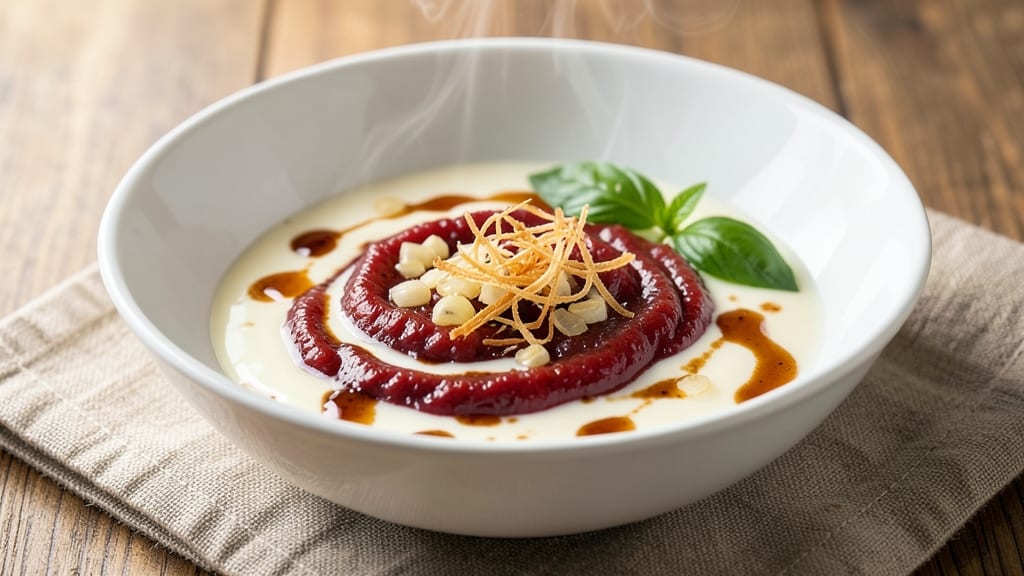
This rangoon sauce recipe delivers the perfect balance of creamy coconut, tangy lime, and savory soy—transforming appetizers into unforgettable bites. The secret lies in blending traditional Thai flavors with modern techniques, ensuring every dip is rich yet light, sweet without overpowering.
I developed this version after testing countless variations, and it never fails to elevate spring rolls or dumplings.
The sauce begins with a smooth coconut milk base, where the natural sweetness is balanced by zesty lime juice and a touch of sugar. A splash of soy sauce adds umami depth, while a hint of chili paste introduces just the right amount of heat.
The result is a velvety, well-rounded dip that clings perfectly to crispy appetizers without overwhelming their texture.
What sets this recipe apart is its versatility—adjust the chili for spice lovers or reduce the lime for a milder profile. It’s also foolproof, requiring just 10 minutes of active prep and 5 minutes of blending.
The sauce keeps well in the fridge for up to a week, making it ideal for parties or meal prep.
Pair it with classic spring rolls, dumplings, or even grilled meats for a restaurant-quality finish. Here’s everything you need to create this perfectly creamy dip at home.
Ingredients for rangoon sauce
Ten ingredients blend seamlessly for this perfectly creamy, restaurant-quality rangoon sauce.
| Ingredient | Amount | Notes |
|---|---|---|
| Coconut Milk 🥥 | 1 cup | Full-fat for creaminess |
| Lime Juice 🍋 | ¼ cup | Freshly squeezed, seeds removed |
| Soy Sauce 🍶 | 2 tbsp | Light or dark preferred |
| Red Chili Paste 🌶️ | 1 tbsp | Adjust for heat preference |
| Granulated Sugar 🍯 | 1 tbsp | Or honey for depth |
| Shallot 🧅 | ¼ cup | Finely minced, small dice |
| Garlic Cloves 🧄 | 3 cloves | Peeled, minced |
| Vegetable Oil 🫒 | 1 tbsp | For sautéing aromatics |
| Fish Sauce 🐟 | 1 tsp | Optional for umami boost |
| Fresh Cilantro 🌿 | ⅛ cup | Chopped, for garnish |
The coconut milk is non-negotiable—full-fat canned coconut milk delivers the richest texture. Thai Kitchen brand or Goya are reliable choices at most grocery stores. For the shallot and garlic, fresh is essential—they form the aromatic base. If you can't find shallots, substitute 1/4 cup finely diced red onion, but it won't be identical. The chili paste should be smooth, not chunky—Maesri or Huy Fong brands are excellent. Store your coconut milk in the fridge after opening to prevent spoilage.
No fish sauce? Extra soy sauce plus a pinch of MSG mimics the umami. Short on lime? Substitute lemon juice at 1:1 ratio, though it's slightly less tart. The cilantro is purely decorative—skip it if you dislike the flavor. For a milder sauce, reduce the chili paste to 1/2 tablespoon or swap in sriracha at half the amount. The sugar balances acidity—honey or agave work too, but they'll alter the sauce's finish slightly. Always taste after blending before adjusting further.
This sauce keeps beautifully in an airtight container in the fridge for up to 7 days. The coconut milk may separate—just stir vigorously before using. For longer storage, freeze in ice cube trays and transfer to a bag. Thaw overnight in the fridge. The sauce thickens as it cools, so thin with a splash of water or coconut milk if needed. Garnish with extra cilantro or a drizzle of chili oil right before serving to keep flavors vibrant.
Why You'll Love This Recipe
- Five-Ingredient Magic: I swear by this combo—just coconut milk, lime, soy, chili paste, and sugar. No fancy gadgets, no stress. Honestly, I’ve made it while microwaving leftovers in the other hand.
- Tangy-Spicy Balance: That lime juice cuts through the richness of the coconut milk while the chili paste adds heat without overpowering. The sugar? Just enough to make it dangerously good with takeout or grilled meats.
- Weeknight & Party Hero: Slather it on spring rolls for a quick dinner, drizzle it over noodles when friends drop by, or use it as a marinade. Between us, it’s the only sauce I keep in my fridge for everything.
- No-Waste, Budget Win: I buy coconut milk in big cans—this recipe uses just a fraction—and the rest goes into smoothies or curries. The lime and soy are pantry staples, so I’m always covered without breaking the bank.
Step-by-step instructions for rangoon sauce recipe
Here's how to create a perfectly balanced, velvety-smooth dip with vibrant Southeast Asian flavors.
Sauté Aromatics Until Fragrant
Heat the 1 tablespoon vegetable oil in a medium saucepan over medium heat. Add the 0.25 cup finely minced shallot and cook for 3-4 minutes until softened and translucent. This is where the foundation of your sauce begins—don't rush this step or the shallots will burn and create bitterness.
Add the 3 cloves minced garlic and continue cooking for another 30-60 seconds until the garlic releases its aroma and turns golden around the edges. You'll know it's ready when the pan emits a warm, sweet garlic scent—this is your signal to proceed. Remove the pan from heat momentarily to prevent burning, then return it to the stove once ready for the next ingredient.
Build the Flavor Base
With the pan back on medium heat, add the 1 tablespoon red chili paste and stir vigorously for 1-2 minutes until it darkens slightly and becomes fully incorporated. This paste contains the heat and depth of the sauce, so let it bloom properly before moving forward. The color should change from bright red to a deeper, more complex hue.
Next, stir in the 2 tablespoons soy sauce and 1 tablespoon granulated sugar, mixing continuously for 1-2 minutes until the sugar dissolves completely. The sauce should begin to take on a glossy sheen as the sugar caramelizes slightly. Taste at this point—you're building the umami and sweet-savory balance that defines this sauce. If you find it needs more depth, add the 1 teaspoon fish sauce now and stir well.
Simmer and Incorporate Lime
Pour in the 1 cup coconut milk and bring the mixture to a gentle simmer over medium-low heat. Stir frequently for 5-7 minutes until the sauce thickens noticeably and coats the back of a spoon. You're looking for a consistency that's creamy but still pourable—like heavy cream with body. If it thickens too quickly, add 1-2 tablespoons water to adjust.
Once the sauce reaches this ideal consistency, remove it from heat and stir in the 0.25 cup lime juice. The acidity will brighten the flavors and cut through the richness of the coconut milk. Let the sauce sit for 2-3 minutes to allow the lime to fully integrate. The color should shift to a vibrant, sunlit yellow with subtle red flecks from the chili.
Finish and Garnish
Return the sauce to low heat and let it warm through for 1-2 minutes, stirring occasionally. This final warming step ensures all flavors are cohesive and the sauce is ready to serve immediately. Taste again and adjust seasoning if needed—add a touch more lime juice for brightness, a pinch of sugar to balance acidity, or a splash of soy sauce for depth.
Transfer the sauce to a serving bowl and garnish with the 0.125 cup chopped fresh cilantro. The cilantro adds freshness and visual appeal, creating a beautiful contrast against the creamy yellow sauce. Serve warm or at room temperature with spring rolls, fresh vegetables, or as a dipping sauce for grilled meats. The sauce will keep in the refrigerator for up to 3 days, though it's best enjoyed fresh.
Pro Tips For Making Rangoon Sauce
- Simmer Low and Slow: Rangoon sauce needs patience—don’t boil it like a curry. Keep the heat at a gentle simmer (around 160°F/70°C) for 10-12 minutes, or the coconut milk will split and turn grainy. I learned this after a batch curdled like cottage cheese, and now I swear by the low-and-slow approach.
- Balance the Lime: Fresh lime juice is non-negotiable, but don’t dump it all in at once. Start with half, taste, then add the rest—this sauce needs bright acidity, not puckery sourness. My first attempt tasted like a margarita gone wrong, so now I adjust in stages.
- Toast the Chili Paste: Bloom the red chili paste in a dry pan for 30 seconds before adding liquids—this deepens its flavor and mellows the raw heat. Skip this, and the sauce will taste sharp and underdeveloped. (Yes, it’s an extra step, but it makes a real difference.)
- Sweeten Gradually: Add sugar after the sauce has simmered, then taste and adjust—coconut milk’s natural sweetness can throw off the balance. I used to guess and ended up with either cloying or bitter results. Now I add 1 tablespoon, wait 5 minutes, then decide.
Troubleshooting your rangoon sauce
Sauce Too Thin?
If your sauce ends up too thin after simmering, reduce the heat to low and let it cook uncovered for an additional 5-7 minutes. Stir occasionally to prevent scorching.
For a quicker fix, mix 1 teaspoon cornstarch with 1 tablespoon cold water to create a slurry, then whisk it into the sauce while heating. Simmer for 1-2 minutes until thickened. My go-to is Bob's Red Mill cornstarch—it blends smoothly without altering the flavor. 💡
Sauce Too Thick?
Over-thickened sauce happens when coconut milk separates or reduces too much. Thin it by adding 1-2 tablespoons warm water or coconut milk at a time, whisking continuously. For a smoother texture, strain through a fine-mesh sieve to remove any lumps.
If the sauce is too rich, balance it with an extra splash of lime juice or a pinch of salt to refresh the palate. I’ve found that full-fat coconut milk thickens faster than light varieties.
Lumpy Texture?
Lumps usually appear when chili paste or coconut milk isn’t fully incorporated. Use an immersion blender to smooth out the sauce while it’s still warm. If you don’t have one, whisk vigorously for 2-3 minutes or transfer to a blender for 10-15 seconds on low speed.
Avoid over-blending, which can break down the coconut’s natural creaminess. For extra smoothness, strain through a fine-mesh sieve after blending.
Sauce Too Salty?
If the soy sauce overpowers the balance, dilute the sauce with 1-2 tablespoons warm water and adjust with a touch of sugar or lime juice to restore harmony. For a subtle fix, add 1-2 teaspoons coconut milk to mellow the saltiness without thinning the sauce significantly.
Taste as you go—small adjustments prevent over-correction. I’ve learned to add soy sauce gradually during cooking to avoid this issue entirely.
Lacking Depth?
If your sauce tastes flat, boost umami with ½ teaspoon fish sauce or a pinch of MSG. For a smokier profile, add ¼ teaspoon smoked paprika or a dash of liquid smoke.
A splash of tomato paste (just ½ teaspoon) can also deepen the flavor without altering the texture. My secret weapon? A tiny bit of black pepper—it enhances warmth and complexity.
Chili Too Harsh?
If the chili paste’s heat overpowers the sauce, balance it with 1-2 teaspoons honey or sugar to mellow the spice. For a smoother finish, blend in 1 teaspoon coconut cream or a pinch of ground ginger.
If the heat lingers, serve the sauce chilled—cold temperatures naturally dull spice intensity. I’ve found that Maesri chili paste is milder than Huy Fong, so adjust accordingly.
Nutrition facts
Frequently asked questions
What makes this coconut-lime sauce different from regular Thai dipping sauces?
This recipe balances creamy coconut milk with bright lime juice and aromatic shallots for a unique texture and flavor profile. Unlike traditional Thai dipping sauces (which often rely on fish sauce and tamarind), this version highlights tropical sweetness while keeping the heat balanced. The coconut base makes it richer, perfect for spring rolls or grilled meats.
Can I make this sauce without coconut milk?
Yes! For a lighter version, substitute 1 cup Greek yogurt or sour cream (thinned with 2 tablespoons water) to maintain creaminess. If you prefer a dairy-free option, use 1 cup cashew cream (blend soaked cashews with water) or ½ cup mayonnaise + ½ cup water. The flavor will shift slightly but still work well as a dip.
How spicy should the sauce be?
The recipe includes 1 tablespoon chili paste for moderate heat. For a milder version, reduce to ½ tablespoon or swap in ½ teaspoon sriracha. If you love spice, increase to 2 tablespoons or add ½ teaspoon cayenne pepper. Always taste before serving—adjust gradually to avoid overpowering the other flavors.
What’s the best way to store leftover sauce?
Transfer to an airtight container and refrigerate for up to 7 days. The sauce may thicken slightly—stir before using. For longer storage, freeze in ice cube trays and transfer to a bag. Thaw overnight in the fridge. Avoid refreezing once thawed to maintain texture.
Can I use this sauce for cooking instead of just dipping?
Use it as a marinade for grilled chicken or shrimp (coat for 15-20 minutes before cooking). It also works as a glaze for tofu or vegetables—simmer the sauce until thicker, then brush onto baked items. The coconut-lime combo adds moisture and flavor to dishes beyond appetizers.