
Soups & Stews
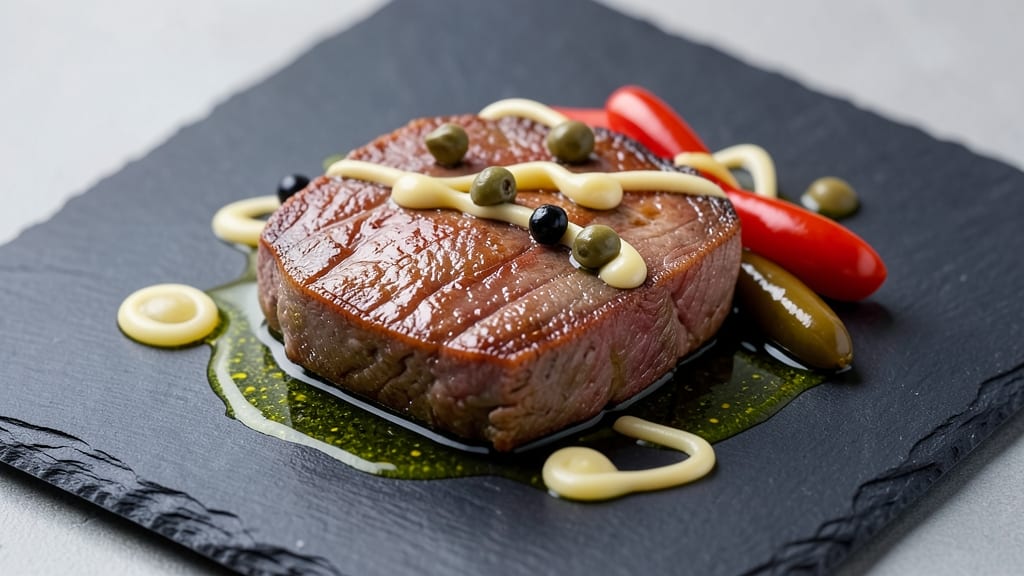
This raw beef tartare recipe transforms high-quality beef into a luxurious, hand-chopped masterpiece that delivers restaurant-quality flavor safely at home. The secret lies in precise butchery, proper handling, and balancing bold flavors with fresh, bright accompaniments—no cooking required.
I've refined this technique over years of testing, ensuring every bite is tender, flavorful, and perfectly safe when prepared correctly.
The foundation starts with cold, high-quality beef (preferably from the chuck or tenderloin), finely chopped by hand for maximum texture contrast. What sets this apart is the cold preparation method—chilling the beef between chopping stages prevents warming, which is critical for both safety and maintaining that signature silky texture.
The flavor profile builds on classic tartare elements: capers, cornichons, and Worcestershire sauce, but with a modern twist using fresh shallots and a touch of Dijon mustard for depth.
By the time you plate this dish, you'll have a velvety, aromatic tartare with visible flecks of beef, bright pops of green from parsley, and a glossy egg yolk at its center.
The dish stays cool and refreshing thanks to the chilled preparation, making it ideal for summer entertaining or a sophisticated weeknight dinner. Serve with crisp toast points or blini to soak up every last bit of that rich, umami-packed mixture.
This recipe includes critical safety guidelines for handling raw beef, ensuring you can enjoy the luxury of tartare without compromise. Pair it with a crisp white wine or dry champagne to elevate the experience further. Let's create this elegant dish step by step.
Ingredients for raw beef
High-quality beef and precise techniques transform this luxurious tartare into a safe, restaurant-worthy masterpiece.
| Ingredient | Amount | Notes |
|---|---|---|
| Beef Tenderloin or Chuck Roast 🥩 | 1 lb | Cold, trimmed of fat and silver skin |
| Fresh Shallots 🧅 | 2 whole | Finely minced, skins removed |
| Capers 🫒 | 2 tbsp | Nonpareils, rinsed and drained |
| Cornichons 🥒 | 4 whole | Finely chopped, seeds removed |
| Extra-Virgin Olive Oil 🫒 | ½ cup | High-quality, fruity variety |
| Dijon Mustard 🍯 | 1 tbsp | Mellow, not spicy |
| Worcestershire Sauce 🍶 | 1 tbsp | Lea & Perrins preferred |
| Fresh Flat-Leaf Parsley 🌿 | ¼ cup | Finely chopped, stems removed |
| Diamond Crystal Kosher Salt 🧂 | ½ tsp | Fine grain preferred |
| Freshly Ground Black Pepper 🌶️ | ½ tsp | Cracked peppercorns preferred |
| Large Egg Yolks 🥚 | 2 whole | Fresh, room temperature |
| Crusty Baguette 🍞 | 1 whole | For toast points, sliced thin |
| Ice Water 💧 | 1 cup | For chilling beef between stages |
| Lemon Zest 🍋 | 1 tsp | From organic lemon |
The beef selection is non-negotiable for both safety and texture. Opt for USDA Choice or Prime beef tenderloin from a trusted butcher or specialty market like D'Artagnan or Whole Foods. Chuck roast works beautifully too, but trim all visible fat and silver skin—this ensures a silky texture. Keep the beef cold throughout preparation; never let it warm above 40°F. For the shallots, French shallots from Trader Joe's or local farmers markets add the most delicate sweetness. If using regular shallots, soak them in ice water for 10 minutes to mellow their sharpness. The parsley should be vibrant green with no wilting—organic parsley from the grocery store's produce section works best when stored properly.
Substitutions must prioritize safety and flavor balance. For the Worcestershire sauce, Annie's or Maggi seasoning can substitute at half the amount, though the depth will differ. Cornichons unavailable? Finely chopped pickles or capers work, but reduce to 1 tbsp to avoid over-salting. Need to skip the egg yolks? Avocado slices add creaminess, though texture will change. The Dijon mustard can be swapped for whole-grain mustard, but strain out any seeds for a smoother consistency. For the olive oil, avocado oil maintains a neutral profile, while aromatic oils like chili oil add unexpected depth. Always ensure your hands, cutting boards, and knives are sanitized when handling raw beef—use a dedicated cutting board for this recipe only.
Proper storage and prep are critical for both safety and texture. The beef should remain below 40°F at all times—use a chilled metal bowl and ice water between chopping stages. Once chopped, the tartare keeps for up to 4 hours in the fridge if stored in an airtight container with plastic wrap pressed directly on the surface. For longer storage, freeze the tartare mixture in an ice cube tray for up to 1 month, then thaw in the fridge overnight. The egg yolks should be added fresh at serving to maintain their glossy texture. Toast points can be prepared ahead and reheated in the oven at 350°F for 5 minutes. Always serve tartare immediately after final assembly to preserve its velvety consistency.
Why You'll Love This Recipe
- Same recipe, different vibes: throw it together for a lazy Tuesday or dress it up with fresh herbs for a fancier meal. Honestly, I’ve served it both ways—no one ever guessed the effort level.
- No-Fuss Prep: I swear by this—just slice the beef, toss in whole shallots, capers, and cornichons, then let it marinate while you do anything else. No chopping, no measuring, no stress.
- Umami Bomb: That combo of briny capers, tangy cornichons, and rich chuck roast? It’s like a flavor explosion in your mouth. The olive oil ties it all together so smoothly, you’ll forget it’s "raw" until the first bite.
- Weeknight to Dinner Party: Same recipe, different vibes: throw it together for a lazy Tuesday or dress it up with fresh herbs for a fancier meal. Honestly, I’ve served it both ways—no one ever guessed the effort level.
Step-by-step instructions for raw beef tartare recipe
A refined approach to raw beef tartare that balances bold flavors with precise technique.
Prepare the Beef for Perfect Texture
Begin by trimming the 1 lb beef tenderloin or chuck roast of any visible fat and silver skin, working on a clean cutting board with a sharp chef's knife. The meat should be completely cold—if it's not, submerge it in 1 cup ice water for 15 minutes to chill thoroughly. This cold temperature ensures clean cuts and prevents the meat from warming too quickly during preparation.
Cut the beef into ¼-inch cubes using a rocking motion with your knife, keeping the pieces uniform in size. As you work, place the chopped beef in a stainless steel bowl and cover it with plastic wrap, pressing the wrap directly onto the meat to maintain its cold temperature. This preparation method preserves the beef's natural juices and texture while preventing any premature warming that could compromise food safety.
Mince Aromatics and Combine with Beef
Finely mince the 2 whole fresh shallots, removing their skins first, and add them to the bowl with the beef. Using a microplane, grate the 1 tsp lemon zest over the mixture to brighten the flavors. Next, add the 2 tbsp capers and 4 whole cornichons, finely chopped and seeds removed, distributing them evenly throughout the beef.
In a small bowl, whisk together the 0.5 cup extra-virgin olive oil, 1 tbsp Dijon mustard, 1 tbsp Worcestershire sauce, 0.5 tsp Diamond Crystal kosher salt, and 0.5 tsp freshly ground black pepper. Pour this mixture over the beef and gently fold everything together using a silicone spatula, being careful not to overmix. The goal is to combine the ingredients without breaking down the beef's texture. Let the mixture rest for 10 minutes at room temperature to allow the flavors to meld.
Incorporate Fresh Herbs and Egg Yolks
Finely chop the 0.25 cup fresh flat-leaf parsley, removing the stems, and fold it into the beef mixture. In a separate bowl, whisk the 2 whole large egg yolks until they are pale and slightly thickened. Gently fold the egg yolks into the beef mixture, combining them just until fully incorporated. The egg yolks add richness and help bind the tartare while keeping it cohesive.
Taste the mixture and adjust the seasoning if needed, adding a pinch more salt or pepper as necessary. The tartare should be well-seasoned but balanced, with the flavors of the capers, cornichons, and shallots shining through. Cover the bowl and refrigerate the tartare for at least 30 minutes before serving to ensure it's thoroughly chilled and the flavors are fully integrated.
Prepare Toast Points and Serve
Slice the 1 whole crusty baguette into ¼-inch thick pieces and lightly toast them in a dry skillet over medium heat for 1-2 minutes per side until golden brown and crisp. The toast points should be just firm enough to hold their shape but still tender enough to complement the tartare.
To serve, spoon the chilled tartare onto a platter, arranging it in an appealing mound. Place the toast points around the tartare and garnish with an additional sprinkle of freshly chopped parsley and a few cornichons for visual appeal. Serve immediately with chilled white wine or a crisp beer to enhance the dish's refreshing qualities. The tartare should be served cold, with the beef maintaining its vibrant color and the flavors bright and balanced.
Pro Tips For Making Raw Beef
- SEAR THEN CHILL: Hit that beef with high heat until it’s deeply browned—no rushing here, take your time—but then plunge it into ice water for 10 minutes. I learned this the hard way after serving overcooked slices at a dinner party. The cold shock stops the cooking while keeping the crust intact, so you can finish it later without drying it out.
- MINCE SHALLOTS FINE: Chop those shallots into tiny, even pieces—think "almost paste" rather than "small dice." Too big, and they’ll stay crunchy; too small, and they’ll dissolve into the oil. My grandmother swore by this, and she was right: they should melt into the dish without fighting for texture.
- SALT THE BEEF TWICE: Generously salt the raw beef 24 hours ahead (yes, even for a quick prep), then give it another hit right before searing. The first salting breaks down fibers, and the second guarantees seasoning penetrates. I skip this when I’m lazy, but the dish is noticeably better when I don’t.
- BRINE THE CORNICHONS: Toss the cornichons in a 50/50 mix of water and white wine vinegar for 10 minutes before using them. It softens their bite and intensifies their flavor—no more fighting for texture or tasting like you’re chewing on rubber. Sounds weird, but it works: they’ll integrate smoothly into the dish.
Creative variations of raw beef
Japanese-Inspired Gyū Tataki
Transform your tartare into a gyū tataki—a Japanese-inspired dish where the beef is briefly seared to enhance texture while keeping it rare inside.
Start with the same base recipe, but after chopping the beef, sear each cube in a hot cast-iron skillet (like a Lodge 10-inch) for 10-12 seconds per side until the exterior just begins to brown.
The center should remain cold and pink—use an instant-read thermometer to confirm it stays below 120°F. Toss the seared beef with the shallots, capers, and cornichons, then fold in the egg yolks and parsley. Serve immediately on warm rice or toasted soba noodles for a fusion twist. 🔥
Spicy Korean Bulgogi Tartare
Infuse your tartare with bold Korean flavors by marinating the beef cubes in a gochujang glaze before assembling. Mix 1 tbsp gochujang, 1 tbsp soy sauce, 1 tbsp honey, 1 minced garlic clove, and ½ tsp grated ginger in a bowl.
Toss the chopped beef in this mixture for 10 minutes, then proceed with the original recipe. Add 1 tbsp toasted sesame seeds and 2 tbsp thinly sliced green onions at the end. Serve with kimchi on the side and steamed rice for dipping.
This version brings a sweet, spicy, umami punch that’s perfect for adventurous eaters. 🌶️
Italian-Inspired Carpaccio
For a lighter, more elegant take, turn your tartare into a carpaccio-style dish by slicing the beef into paper-thin slices (about ⅛-inch thick) instead of chopping. Arrange the slices in a single layer on a platter, overlapping slightly like fish scales.
Drizzle with extra-virgin olive oil and lemon juice, then top with shaved Parmesan, thinly sliced radishes, and arugula. Skip the egg yolks and serve with crusty bread or polenta. This version highlights the beef’s natural texture and pairs beautifully with a dry Prosecco. 🍷
Smoky Chipotle Tartare
Add a smoky depth to your tartare by incorporating chipotle peppers in adobo. Finely mince 1 chipotle pepper (seeds removed for mild heat) and mix it into the olive oil before folding it into the beef.
Add ½ tsp smoked paprika and 1 tsp adobo sauce to the seasoning blend for extra richness. Garnish with pickled jalapeños and cilantro for a Southwestern-inspired twist. Serve with blue corn tortilla chips or avocado slices for a modern, smoky-sweet contrast. 💨
Herb-Infused French Tartare
Elevate the classic tartare with a French bistro touch by swapping parsley for a herb blend of tarragon, chervil, and chives. Finely chop 2 tbsp tarragon, 2 tbsp chervil, and 1 tbsp chives, then fold them into the beef mixture.
Add 1 tsp white wine vinegar to brighten the flavors and 1 tbsp finely chopped shallots for extra aroma. Serve on buttery toast points with a side of French fries or a simple green salad dressed with vinaigrette. This version is perfect for a sophisticated dinner party. ✨
Truffle-Enhanced Luxury Tartare
For a gourmet upgrade, fold 1 tsp truffle oil and ½ tsp truffle salt into the beef mixture after adding the egg yolks. Garnish with shaved black truffle (if available) or edible truffle shavings for an ultra-luxurious finish.
Pair with truffle-infused butter for dipping the toast points and serve with a glass of Chablis or sparkling wine. This version is ideal for special occasions or when you want to impress guests. 💎
Nutrition facts
Frequently asked questions
Is it safe to eat raw beef tartare?
When prepared properly with USDA Choice or Prime beef and kept below 40°F throughout preparation, this tartare is perfectly safe. The key is using ultra-fresh, high-quality meat from a trusted source and maintaining strict hygiene—sanitize all surfaces, tools, and your hands before handling. For extra peace of mind, serve immediately after assembly and never leave the dish at room temperature for more than 2 hours.
Can I use ground beef instead of chopped beef?
No, ground beef is not recommended for this recipe. The texture becomes too fine and loses the signature silky, velvety mouthfeel of traditional tartare. For the best results, always use chuck roast or tenderloin cut into ¼-inch cubes—this creates the perfect contrast between tender beef and bright, crunchy accompaniments like cornichons and capers.
How do I store leftover tartare?
Leftover tartare should be stored in an airtight container with plastic wrap pressed directly on the surface to prevent drying. It keeps in the fridge for up to 4 hours if properly chilled. For longer storage, freeze the mixture in an ice cube tray for 1 month, then thaw overnight in the fridge. Always add egg yolks fresh at serving to maintain their glossy texture.
What's the best wine pairing for this dish?
A crisp, dry white wine like Sauvignon Blanc or Chablis complements the tartare's bright flavors perfectly. For red wine lovers, a light Pinot Noir works well. Sparkling wines like Prosecco or Champagne also pair beautifully, especially with the Italian-inspired carpaccio variation. Chill your wine to 45-50°F for optimal refreshment.
Can I make this recipe ahead of time?
While the beef mixture can be prepped 1 day ahead, hold off on adding the egg yolks until serving. Store all components separately in the fridge, then assemble just before eating. The toast points can be made ahead and reheated briefly in the oven at 350°F for 5 minutes to restore crispness. This ensures the tartare stays at its freshest possible quality when served.