
Snacks
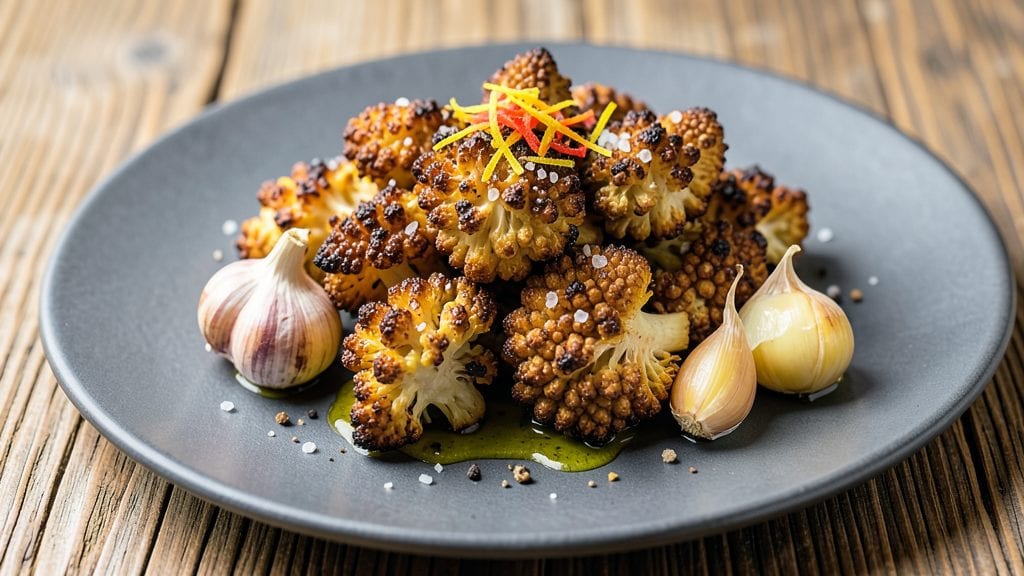
Roasting romanesco unlocks its hidden beauty—where nutty crunch meets sweet, caramelized perfection that looks like a fractal masterpiece. This recipe transforms what many consider an odd vegetable into a showstopping side dish that pairs beautifully with proteins or stands proudly as a vegetarian centerpiece.
The key lies in high-heat roasting that brings out its natural sweetness while creating crispy edges that disappear faster than you can say "second helping."
What makes this romanesco recipe special is its versatility and visual appeal. The fractal-like florets become golden and tender when roasted at 425°F with just olive oil, salt, and pepper—no fancy ingredients required.
The result is a dish that's as impressive to look at as it is delicious to eat, with a texture that's somewhere between broccoli and cauliflower but with a distinct nutty flavor all its own.
This is the kind of recipe that elevates any meal from ordinary to extraordinary with minimal effort.
By the time you pull it from the oven, you'll have perfectly caramelized romanesco with crispy edges and tender centers that hold their shape beautifully. The natural sweetness becomes more pronounced as it roasts, creating a flavor profile that's both familiar and surprising.
This dish works equally well as a side for grilled chicken or steak, or as the star of a vegetarian spread with a drizzle of lemon and a sprinkle of flaky salt.
Pair it with complementary sides like garlic bread or a simple arugula salad to round out the meal. The beauty of this recipe is that it's foolproof—just focus on the roasting time and temperature, and you'll achieve restaurant-quality results every time.
Let's get started on creating this stunning, flavorful dish that's sure to impress anyone at your table.
Ingredients for roasted romanesco
Eight ingredients transform romanesco into a stunning, nutty side that steals the show.
| Ingredient | Amount | Notes |
|---|---|---|
| Romanesco Vegetable 🥦 | 1 whole | Cut into 1-inch florets |
| Extra-Virgin Olive Oil 🫒 | ¼ cup | High-quality, fruity variety |
| Flaky Sea Salt 🧂 | 1 tsp | Diamond Crystal preferred |
| Freshly Ground Black Pepper 🌶️ | ½ tsp | Freshly cracked preferred |
| Lemon Zest 🍋 | 1 tbsp | From organic lemon |
| Garlic Cloves 🧄 | 2 cloves | Minced for finishing |
| Fresh Thyme Leaves 🌿 | ¼ tsp | Dried works at 1/4 amount |
| Toasted Pine Nuts 🥜 | ¼ cup | Optional for crunch |
| Vegetable Broth 💧 | ¼ cup | For extra moisture |
The romanesco is the star—look for heads that are bright green and compact. Whole Foods or Trader Joe's usually carry it fresh, but frozen works too if you're in a pinch. The florets should be tightly packed and free of brown spots. If you can't find it fresh, Costco sells frozen romanesco that roasts beautifully. The key is cutting it into even-sized pieces—about 1-inch florets ensures everything cooks at the same rate. No need to trim the stem; just cut it off before roasting.
No extra-virgin olive oil? Light olive oil works fine, but you'll miss that fruity depth. Fresh thyme is ideal, but dried thyme at one-quarter the amount gets you close. Short on pine nuts? Toasted walnuts or slivered almonds add a similar crunch. The vegetable broth adds moisture—skip it if you prefer drier roasted veggies. Want extra flavor? Add a pinch of smoked paprika to the oil before tossing. The lemon zest is optional but brightens the dish beautifully—just make sure it's freshly zested for the best flavor.
Roasted romanesco keeps for 4-5 days in the fridge, but it's best served fresh. Store it in an airtight container with a paper towel to absorb any excess moisture. Reheat in a 350°F oven for 5-10 minutes to restore crispiness. For meal prep, portion it into containers with a drizzle of olive oil—it reheats like a dream. The pine nuts, if using, should be toasted in a dry pan for 2-3 minutes until golden before sprinkling on top.
Why You'll Love This Recipe
- One-Pan Magic: Honestly, this is the kind of recipe where you toss everything on a sheet pan and forget about it. No chopping boards, no extra bowls—just romanesco, olive oil, salt, and pepper, then pop it in the oven while you do whatever else needs doing.
- Crispy-Creamy Perfection: That lemon zest? It’s the secret weapon—brightens the natural nuttiness of the romanesco until it’s got a crispy edge and a tender, almost buttery center. You’ll want to eat it straight off the pan.
- Weeknight Flexibility: Between us, this is my go-to when I need something impressive but zero-fuss. Toss it with dinner, serve it as a side, or even pile it on toast with a fried egg—it works every time.
- Budget-Friendly Luxe: Romanesco’s one of those underrated veggies that’s cheap but feels fancy. A single head feeds four, and the leftovers? Perfect for salads or pasta the next day—no waste, all flavor.
Step-by-step instructions for roasted romanesco with nutty crunch
Transform this fractal beauty into a caramelized, aromatic masterpiece with this straightforward roasting method.
Prep the Romanesco for Maximum Surface Area
Start by cutting the whole romanesco vegetable into 1-inch florets, keeping the pieces as uniform as possible. The fractal structure means you'll end up with dozens of tiny, broccoli-like florets—this is good! Each little piece will roast quickly and develop that beautiful caramelized texture we're after.
Spread the florets on a clean kitchen towel and pat them completely dry. Any moisture left on the surface will steam the vegetable instead of browning it, so take your time here. You're essentially pre-drying them to ensure crispy edges. Once dry, transfer them to a large bowl where they'll stay until roasting.
Toss with Olive Oil and Seasonings
In the same bowl with the dry romanesco florets, drizzle the 0.25 cup extra-virgin olive oil evenly over the pieces. Use your hands to gently toss everything together until every floret is lightly coated with oil. This is crucial—you want just enough oil to create a golden crust, not so much that it makes the florets greasy.
Add the 1 tsp flaky sea salt, 0.5 tsp freshly ground black pepper, and 1 tbsp lemon zest, then toss again until the seasonings adhere. The lemon zest will add a bright, citrusy note that cuts through the vegetable's natural bitterness. Don't skip this step—the salt helps draw out moisture while the pepper adds a subtle warmth that enhances the caramelization.
Roast Until Golden and Tender
Preheat your oven to 425°F with the rack positioned in the center. Line a large baking sheet with parchment paper and arrange the seasoned romanesco florets in a single layer, leaving about ½ inch between each piece. This spacing ensures even browning and allows hot air to circulate around each floret.
Roast for 25-30 minutes, stirring the florets once halfway through cooking. You're looking for florets that are deep golden brown with slightly crisp edges and tender centers when pierced with a fork. The vegetable broth will be added later, so don't worry if they don't appear perfectly caramelized yet—they'll finish cooking in the oven with the steam from the broth.
Finish with Garlic, Thyme, and Broth
While the romanesco roasts, finely mince the 2 cloves garlic and mix them with the 0.25 tsp fresh thyme leaves. Once the florets have roasted for 25 minutes, remove the baking sheet from the oven and sprinkle the garlic-thyme mixture evenly over the florets. Then pour the 0.25 cup vegetable broth around the florets, creating a shallow pool at the bottom of the pan.
Return the baking sheet to the oven and roast for an additional 5-7 minutes. The steam from the broth will tenderize the florets further while the garlic and thyme infuse their flavors. The florets should now be tender with crisp edges, and the aroma should be intensely aromatic with notes of caramel and garlic.
Add Toasted Pine Nuts for Crunch and Serve
Remove the baking sheet from the oven and immediately sprinkle the 0.25 cup toasted pine nuts evenly over the roasted romanesco. The pine nuts will add a delightful crunch that contrasts beautifully with the tender, caramelized florets. Toss everything together gently to distribute the pine nuts evenly, then transfer the romanesco to a serving platter.
Serve immediately while still warm, as the flavors and textures are at their peak. The combination of caramelized romanesco, nutty pine nuts, and aromatic garlic-thyme creates a dish that's as visually stunning as it is delicious. Pair it with a drizzle of extra-virgin olive oil if you like, or serve it alongside grilled proteins for a complete meal.
Pro Tips For Making Roasted Romanesco
- CUT INTO UNIFORM PIECES: Romanesco’s fractal shape makes it look intimidating, but the secret is consistency—break it into 1.5-inch florets and trim the thick stems into bite-sized chunks. I used to leave stems whole, and they’d turn soggy while the florets crisped. (Your knife will thank you for a sharp one—this isn’t the time for butter knives.)
- USE ENOUGH OIL: Drown those florets in oil—about 2 tablespoons total for a medium head—so every nook caramelizes. My first attempt with just a drizzle left the centers raw. Yes, it’s more oil than you’d use for broccoli, but romanesco’s dense structure needs it. (Extra-virgin olive oil’s smoke point is fine here—no need to splurge on refined.)
- SALT BEFORE ROASTING: Toss the florets with flaky sea salt before they hit the oven—it melts into the edges as they roast, not just clings like afterthought seasoning. I learned this the hard way when my batch tasted bland until I realized the salt had just dissolved into the pan. (Freshly ground black pepper goes on post-roast—it burns faster.)
- FINISH WITH LEMON ZEST: Sprinkle lemon zest over the hot romanesco right off the tray—it brightens the caramelized edges instantly. I used to add it cold, and the flavor felt muted. (Yes, even if you’re roasting with lemon juice, zest is the upgrade. Save the juice for drizzling on the plate.)
Troubleshooting great roasted romanesco
Uneven Cooking Fix
If your romanesco florets turn out mushy in the center while the edges burn, the issue is likely uneven heat distribution. First, ensure your oven rack is in the center position—this is where most ovens have the most consistent heat.
For extra insurance, rotate the baking sheet halfway through roasting (after 15 minutes) by turning it 180 degrees. This helps florets at the edges catch up to those in the middle. 🌡️
Overly Dry Texture
Dry, hard romanesco happens when you skip the vegetable broth or over-roast. To prevent this, always add the ¼ cup broth during the final 5-7 minutes of cooking—this steams the florets gently.
If your oven runs hot, reduce the temperature to 400°F and roast for 35-40 minutes total. For extra moisture, toss the florets with 1 tbsp olive oil before adding the broth.
Florets Not Browning
Pale, undercooked romanesco usually means insufficient oil or too much moisture. Pat the florets thoroughly dry before tossing with extra-virgin olive oil—don’t skip this step. If using frozen romanesco, thaw and dry it completely first.
For deeper browning, broil for 1-2 minutes at the end (watch closely to avoid burning). A wire cooling rack on the baking sheet also promotes crispier edges.
Bitterness Lingers
The natural bitterness in romanesco can overpower the dish if not balanced. Boost the lemon zest to 2 tbsp and add ½ tsp honey to the olive oil before tossing. For a savory twist, sprinkle with ¼ tsp smoked paprika during the final 5 minutes of roasting.
If bitterness persists, soak the florets in ice water for 10 minutes before roasting to mellow their flavor.
Pine Nuts Burn Quickly
Toast pine nuts separately in a dry pan over medium-low heat for 2-3 minutes until golden—don’t walk away! Sprinkle them on just before serving to avoid overcooking. For a nut-free option, swap with toasted walnuts or slivered almonds, which handle heat better.
If you prefer crunch without nuts, add crumbled bacon in the last 5 minutes of roasting.
Broth Evaporates Too Fast
If the broth disappears before the florets finish cooking, reduce the oven temperature to 375°F during the final 5-7 minutes. For extra moisture, add 1 tbsp broth every 2 minutes until the florets reach tender-crisp perfection.
Alternatively, cover the baking sheet loosely with aluminum foil for the last 3 minutes to trap steam while allowing heat to circulate.
Nutrition facts
Frequently asked questions
What makes romanesco taste different from broccoli or cauliflower?
Roasted romanesco has a unique nutty, slightly sweet flavor that's more complex than broccoli or cauliflower. Its fractal structure concentrates flavors when roasted, creating a caramelized depth with hints of artichoke and chestnut. The high heat brings out its natural sugars while preserving that crisp texture we all love!
Can I use frozen romanesco instead of fresh?
Just thaw it completely first, then pat the florets extra dry to prevent steaming. Frozen romanesco works perfectly—just add 2-3 extra minutes to the roasting time. The texture will still be fantastic as long as you follow the drying step carefully.
How do I know when the romanesco is perfectly roasted?
Look for deep golden brown florets with slightly crisp edges and tender centers when pierced with a fork. The edges should be caramelized but not burnt, while the inner florets should yield slightly to pressure. The aroma should be intensely sweet and nutty—this is your cue it's ready!
Can I make this dish ahead of time?
Yes! Store roasted romanesco in an airtight container for up to 4-5 days in the fridge. To reheat, spread it on a baking sheet and warm at 350°F for 5-10 minutes until crispy again. For best results, add fresh pine nuts and a drizzle of olive oil when serving. The flavors actually improve overnight!
What if I don't have pine nuts?
No problem! Swap them for toasted walnuts, slivered almonds, or even crumbled bacon for a different but delicious crunch. For a nut-free option, try toasted pumpkin seeds or omit them entirely—the dish will still shine with the caramelized romanesco.