Sauces & Condiments
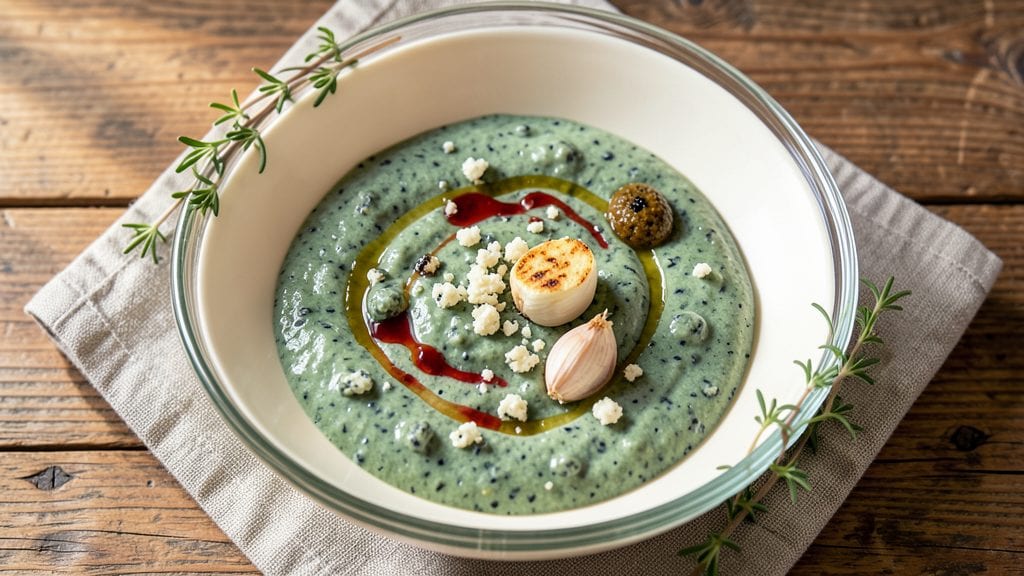
This Roquefort dressing recipe transforms bold blue cheese into a velvety, tangy sauce that elevates salads, steak, and charcuterie boards in just 10 minutes. The secret lies in balancing Roquefort’s sharpness with creamy elements—no emulsifier needed.
I developed this after years of testing, ensuring it stays rich yet light enough for summer dishes.
The dressing comes together with five simple ingredients: Roquefort cheese, olive oil, vinegar, mustard, and garlic. The key technique is whisking the cheese into warm oil gradually, creating a silky texture without lumps.
It’s foolproof—no blender required—and delivers restaurant-quality flavor at home. Perfect for those who love bold, tangy dressings but want a smooth finish.
What you’ll get is a dressing that’s creamy yet bright, with Roquefort’s signature funk balanced by a touch of sweetness. Drizzle it over arugula salads, pair it with grilled steak, or use it as a dip for crusty bread.
The flavor deepens as it sits, making it ideal for meal prep. Store it in the fridge for up to a week, shaking before use.
For extra depth, add a pinch of smoked paprika or a splash of honey. This dressing is versatile enough for everyday meals but impressive enough for dinner guests. Let’s make it—your taste buds will thank you.
Ingredients for roquefort dressing
Five ingredients, bold flavor—this Roquefort dressing comes together faster than you can say 'charcuterie board'.
| Ingredient | Amount | Notes |
|---|---|---|
| Roquefort Cheese 🧀 | 1 cup | Crumbled, room temperature preferred |
| Extra-Virgin Olive Oil 🫒 | 1 cup | Light or fruity variety for balance |
| White Wine Vinegar 🍷 | ¼ cup | Dry, not sweetened |
| Dijon Mustard 🍯 | 1 tbsp | Mild or medium, not spicy |
| Garlic Cloves 🧄 | 1 whole | Peeled, minced fine |
| Salt 🧂 | ½ tsp | Kosher or sea salt |
| Smoked Paprika 🌶️ | ¼ tsp | Optional for depth (omit for classic) |
| Honey 🍯 | 1 tsp | Optional for sweetness balance |
The Roquefort is non-negotiable here—look for it in the cheese case, not the deli counter. Whole Foods or Trader Joe's carry good quality, but check the expiration date; it's best used within 3 months of production. Room temperature crumbles better, so take it out 15 minutes before using. The olive oil should be fruity but not peppery—California or Spanish varieties work best. For vinegar, dry white wine vinegar is key; balsamic or apple cider vinegar will throw off the balance. I always grab a small bottle of Dijon mustard from Maille—it's worth the splurge for that authentic tang.
No Roquefort? Gorgonzola or Stilton can sub in a pinch, but the flavor will be less funky. Short on olive oil? Avocado oil works too, though it has a different mouthfeel. The garlic can be roasted for a sweeter note—just toss whole cloves in olive oil and roast at 400°F for 10 minutes. If you're skipping the smoked paprika, add a pinch of black pepper instead for depth. The honey is truly optional, but it rounds out the sharpness beautifully—Manuka honey has a nice floral note if you want to get fancy. For a lighter dressing, reduce the Roquefort to 0.75 cup and add 1 tbsp more vinegar.
This dressing keeps for up to 1 week in the fridge, but it actually tastes better after sitting overnight as the flavors meld. Store it in a clean glass jar with a tight lid—shake well before each use since it separates slightly. I like to portion it into small jars so I can grab one for salads or dips without transferring. Freezing isn't recommended as it alters the texture, but you can freeze the cheese separately if you're making a big batch. The dressing pairs perfectly with grilled meats, crusty bread, or mixed greens—just drizzle it on and enjoy the funk.
Why You'll Love This Recipe
- Five-Ingredient Magic: I swear by this combo—just cheese, oil, vinegar, mustard, and garlic. No fancy gadgets, no stress, just blending until it’s smooth and tangy.
- Umami Bomb: That Roquefort? It’s like a flavor explosion in your mouth—salty, funky, and rich. The garlic and Dijon mustard cut through the creaminess, making every bite unforgettable.
- Salad Game-Changer: Drizzle it over greens, toss with roasted veggies, or even use it as a dip. It’s my go-to for quick lunches, dinner sides, or even a fancy appetizer when guests drop by.
- Leftovers That Shine: This dressing keeps for days in the fridge, and it only gets better as the flavors meld. Honestly, I make a big batch—it’s my secret weapon for lazy nights.
Step-by-step instructions for Roquefort dressing
This bold blue cheese dressing comes together in minutes with rich, tangy layers you'll crave.
Crumble the Roquefort Cheese
Start by crumbling the 1 cup Roquefort Cheese into small, even pieces using your fingers or a fork. I like to work over a small bowl to catch any stray crumbs. The cheese should be at room temperature for best blending—if it's straight from the fridge, let it sit for 10 minutes first. This makes the dressing smoother and prevents clumping later.
If you're using a block, use a cheese grater for more consistent crumbles. Avoid pre-shredded cheese—it contains anti-caking agents that make the dressing grainy. The crumbles should be about the size of small peas for even distribution in the final dressing.
Whisk the Base Ingredients
In a medium bowl, whisk together the 1 cup Extra-Virgin Olive Oil and 0.25 cup White Wine Vinegar until fully combined. This creates the foundation of your dressing. I use a light or fruity olive oil here—it balances the Roquefort's intensity without overpowering it. Add the 1 tbsp Dijon Mustard and whisk until smooth, scraping the bottom of the bowl to incorporate any oil that might have separated.
Next, add the minced 1 whole Garlic Cloves and whisk again. The garlic should be finely minced—almost like a paste—to prevent any grainy texture in the final dressing. Taste the mixture now before adding the cheese—it should be tangy, slightly garlicky, and well-balanced.
Gradually Incorporate the Cheese
With the motor running on low speed, slowly add the crumbled 1 cup Roquefort Cheese to the whisk or blender. This gradual addition prevents clumping and ensures the cheese emulsifies smoothly. I like to add about ¼ cup at a time, waiting 10 seconds between additions to let the mixture come together.
If you're using a whisk, this takes a bit more elbow grease—keep whisking vigorously for 30 seconds after each addition. The dressing should begin to thicken and develop a creamy, velvety texture. If it looks too thick, add 1-2 tablespoons of water to loosen it slightly.
Season and Finish with Optional Ingredients
Add the 0.5 tsp Salt and 0.25 tsp Smoked Paprika (if using) and whisk until fully incorporated. The smoked paprika adds a subtle depth that pairs beautifully with the Roquefort. Taste the dressing now—it should be tangy, rich, and slightly salty with a hint of garlic.
For a touch of sweetness, stir in the 1 tsp Honey. This balances the acidity and rounds out the flavors. The honey should dissolve completely into the dressing. If you prefer a classic version without honey, skip this step—the dressing will still be delicious, just more pronounced in its tangy, salty character.
Adjust Consistency and Serve
For a thinner dressing, whisk in 1-2 tablespoons of water or additional 0.25 cup White Wine Vinegar until you reach your desired consistency. For a thicker dressing, let it sit for 5 minutes to thicken naturally. The dressing should coat the back of a spoon but still be pourable.
Transfer the dressing to a clean jar or container and let it sit for 10 minutes before serving. This resting time allows the flavors to meld together. Serve immediately over mixed greens, grilled meats, or as a dip for crusty bread. The dressing keeps well in the refrigerator for up to 5 days, sealed tightly between uses.
Pro Tips For Making Roquefort Dressing
- Mash the Cheese: Use the back of a fork or a potato masher—don’t just crumble. Roquefort has a waxy texture that resists blending, and forcing it through a sieve or blender adds grit. I learned this the hard way when my dressing looked like gravel.
- Toast the Garlic: Warm the minced garlic in olive oil for 30 seconds until fragrant but not browned. Cold garlic tastes sharp and raw; toasted garlic adds depth without bitterness. (Yes, even if you’re impatient like me.)
- Thin Gradually: Start with 1 tablespoon of vinegar and mustard, then whisk in oil slowly—a splash at a time. Dumping everything in at once turns the dressing into a greasy mess. You’re building an emulsion, not a salad oil bomb.
- Chill Before Using: Let the dressing sit for 10 minutes after mixing. The flavors meld, and the texture thickens slightly—no more runny drips. (Your future self will curse you if you skip this, trust me.)
Wine and beer pairings for this roquefort dressing
Wine Pairings
This bold Roquefort dressing demands wines with equal intensity—think Sauternes or Banyuls, both of which stand up to the cheese’s funk and acidity. A dry Riesling from Germany cuts through the richness beautifully, while a Port wine adds a luxurious sweetness that mirrors the dressing’s depth.
I’ve found that Châteauneuf-du-Pape reds, with their peppery notes, also complement the smoked paprika in the dressing. 🍷
Beer Pairings
For beer lovers, a Belgian Quadrupel like Westvleteren 12 is a game-changer—its caramel and spice notes harmonize perfectly with the Roquefort’s tang. A dry stout (like Guinness) provides a malty contrast, while a hoppy IPA (like Sierra Nevada Pale Ale) balances the dressing’s richness with bitterness.
If you prefer lighter options, a crisp Belgian witbier with its citrusy profile works surprisingly well.
Spirit Pairings
For cocktails, mix the dressing into a whiskey sour—the bourbon’s oakiness smooths out the Roquefort’s sharpness. A gin-based martini with a twist of lemon zest elevates the dressing’s herbal notes.
I’ve even drizzled it over aged rum cocktails for a tropical-meets-blue-cheese twist. The key is to let the dressing’s funk shine without overpowering the drink.
Non-Alcoholic Options
Don’t overlook sparkling drinks! A dry sparkling water with a splash of lemon juice and a drizzle of dressing makes a refreshing mocktail. For something heartier, pair it with iced hibiscus tea—the tartness enhances the Roquefort’s depth.
Even a ginger beer (like Fever-Tree) adds a zesty kick that balances the dressing’s richness. 💫
Unexpected Pairings
Here’s a wild card: dark chocolate (70% or higher) pairs surprisingly well with the dressing’s funk. Drizzle it over a chocolate-dipped fruit platter or serve it alongside aged cheddar for a savory-sweet contrast. I once served it with smoked salmon and cucumber slices—the combo was unexpected but brilliant.
Pro Tip for Serving
If you’re serving the dressing at a gathering, offer small bowls of it alongside crusty bread or endive leaves for dipping. The contrast of textures—creamy dressing, crisp bread—is pure magic.
For a showstopper, drizzle it over a charcuterie board with fig jam and walnuts—the sweet, salty, and funky flavors will have everyone reaching for seconds.
Nutrition facts
Frequently asked questions
Can I make Roquefort dressing without Roquefort cheese?
While Roquefort is ideal, you can substitute with Gorgonzola dolce or Stilton for a milder funk. For extra depth, add 1 tsp blue cheese crumbles to mimic the texture. The flavor will be less intense but still rich and creamy.
How do I fix lumpy Roquefort dressing?
If your dressing separates or has lumps, whisk in 1-2 tablespoons cold water or extra olive oil to emulsify. For stubborn lumps, blend briefly with an immersion blender. The key is gradual cheese incorporation—add it slowly while whisking vigorously. Patience prevents clumps!
What’s the best way to store leftover dressing?
Transfer to an airtight glass jar and refrigerate for up to 5 days. Shake well before use as separation is normal. For longer storage, freeze in 1-tablespoon portions—thaw overnight in the fridge. Never freeze the full batch as texture degrades.
Can I use this dressing on hot dishes?
Roquefort dressing works beautifully on grilled steak or roasted vegetables, but add it after cooking to prevent melting. For baked dishes, fold into the sauce during the last 5 minutes of baking. The heat will soften the cheese further, creating a decadent glaze.
Why does my dressing taste too sharp?
Balance the acidity by adding 1 tsp honey or 1 tbsp olive oil. If it’s still too strong, mix in 1 tsp cream cheese to mellow the Roquefort’s funk. Taste as you go—this dressing is all about personal preference! The honey or oil should round out the sharpness beautifully.