
Sauces & Condiments
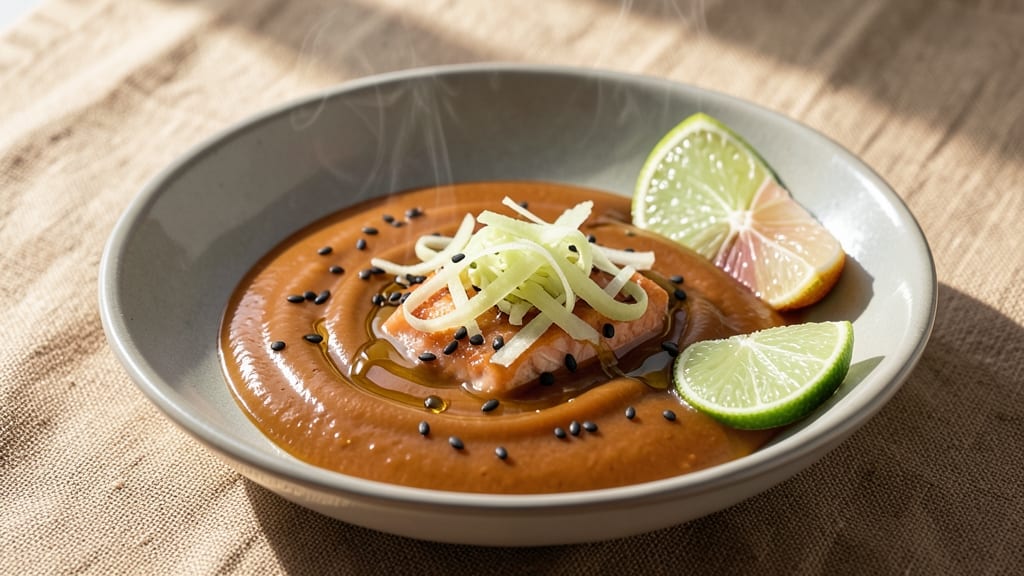
This salmon dipping sauce recipe transforms simple ingredients into a vibrant, tangy-sweet glaze that elevates grilled, baked, or raw salmon dishes to restaurant-quality levels.
The balance of soy sauce, fresh ginger, and zesty lime creates a sauce that's bold yet refined—perfect for cutting through rich fish flavors while adding a bright, umami kick. I developed this after years of testing dipping sauces, and it's now my go-to for both weeknight meals and special occasions.
The secret lies in the precise ratio of ingredients: a touch of honey balances the acidity, while sesame oil and rice vinegar add depth without overpowering.
Unlike store-bought versions, this sauce uses fresh ginger and lime juice for a fresh, restaurant-style taste that lasts up to a week in the fridge. The preparation takes just 10 minutes, making it ideal for quick meals or last-minute entertaining.
What makes this sauce truly special is its versatility—it works equally well with seared salmon fillets, sushi rolls, or even as a marinade. The sauce clings beautifully to fish, enhancing its natural flavors without masking them.
Whether you're serving it at a dinner party or keeping it on hand for weeknight dinners, this recipe delivers professional results every time.
Pair it with grilled salmon, sushi-grade fish, or even as a glaze for salmon cakes. The simple ingredients and foolproof method ensure you'll never reach for bottled sauce again. Let's get started on creating this flavorful companion for your favorite seafood dishes.
Ingredients for salmon dipping sauce
Nine essential ingredients create this restaurant-quality salmon sauce—bright, balanced, and ready in minutes.
| Ingredient | Amount | Notes |
|---|---|---|
| Soy Sauce 🥢 | ½ cup | High-quality, low-sodium preferred |
| Fresh Ginger Root 🌿 | 2 tbsp | Finely grated, aromatic variety |
| Fresh Lime Juice 🍋 | ¼ cup | Strained, no pulp preferred |
| Honey 🍯 | 2 tbsp | Wildflower or clover preferred |
| Rice Vinegar 💧 | 2 tbsp | Seasoned variety for depth |
| Sesame Oil 🫒 | 1 tbsp | Toasted, not flavored |
| Garlic Cloves 🧄 | 2 cloves | Minced, fresh preferred |
| Diamond Crystal Kosher Salt 🧂 | ½ tsp | Fine grain for balance |
| Toasted Sesame Seeds 🌾 | 1 tbsp | For garnish, optional |
| Extra-Virgin Olive Oil 🫒 | 1 tbsp | For thinning if needed |
The foundation begins with high-quality soy sauce—Kikkoman or La Choy for consistency, but low-sodium versions work if you prefer less salt. Fresh ginger is non-negotiable here; organic ginger root from Whole Foods or Trader Joe's delivers the brightest flavor. Avoid pre-grated ginger—it loses potency fast. For lime juice, Mexican Key limes are ideal, but standard limes work if you zest the rind too (just 1 tsp). The honey should be lightly viscous—avoid thick, dark varieties that can overpower the sauce's delicate balance. Sesame oil is where depth happens: Kadoya or Hana brand provide that nutty, toasted aroma without bitterness.
No fresh ginger? Powdered ginger at half the amount works in a pinch, but the texture will differ. Substitute lime juice with lemon juice, though the sauce will lose some of its signature zing. Running out of rice vinegar? Apple cider vinegar adds tang but lacks the mild sweetness. For sesame oil, avocado oil thins the sauce similarly, though it lacks the nutty complexity. The garlic can be garlic powder at one-third the amount, but fresh minced garlic is worth the 30 seconds it takes to peel and chop. If the sauce thickens too much, extra-virgin olive oil thins it beautifully—just 1 tsp at a time until desired consistency is reached.
This sauce maintains peak freshness for up to 1 week in an airtight glass jar in the fridge. For longer storage, freeze in ice cube trays—thawed portions work perfectly for quick meals. Garnish with toasted sesame seeds just before serving to add crunch and visual appeal. The sauce pairs beautifully with sushi-grade salmon, seared fillets, or even as a glaze for salmon cakes. Double the batch—it disappears faster than you'd think, especially when paired with grilled shrimp or scallops.
Why You'll Love This Recipe
- Five-Ingredient Magic: I swear by this combo—just soy, ginger, lime, honey, and vinegar. No fancy gadgets, no stress, and honestly, the balance of salty, sweet, and zingy hits the spot every time.
- Bright & Balanced: That honey-lime tang cuts through the richness of salmon like a cool breeze. Between us, it’s the kind of sauce that makes you want to lick the bowl—no exaggeration.
- Weeknight & Weekend: Slather it on grilled salmon for dinner, drizzle it over rice bowls for lunch, or toss it into takeout containers. It’s my go-to for when I’m too tired to think but still want flavor.
- No-Waste Winner: Ginger and lime last longer than you’d expect, and the sauce keeps well in the fridge. I’ll be real: this is how I stretch my grocery budget without sacrificing taste.
Step-by-step instructions for soy-ginger-lime salmon sauce
This vibrant sauce balances umami, citrus, and aromatic depth—perfect for enhancing grilled or baked salmon.
Prepare the Aromatic Base
In a small saucepan, combine the 0.5 cup soy sauce, 2 tbsp honey, and 2 tbsp rice vinegar. Bring to a gentle simmer over medium-low heat, stirring constantly for 3-4 minutes until the honey fully dissolves and the mixture thickens slightly. You'll notice the sauce develop a glossy sheen—this indicates proper integration of the sweet and acidic components.
While the sauce simmers, use a microplane to finely grate the 2 tbsp fresh ginger root directly into the pan. Add the 2 minced garlic cloves and continue cooking for 1 additional minute until the raw garlic aroma gives way to a toasted, aromatic scent. Remove from heat immediately—ginger and garlic burn quickly, and you want them to infuse without bitterness.
Incorporate Citrus and Oil
Transfer the warm soy-ginger mixture to a blender or food processor. Add the 0.25 cup fresh lime juice and 1 tbsp sesame oil, then blend until completely smooth. The lime juice will brighten the sauce, cutting through the richness of the honey and soy. Taste at this stage—you should detect a harmonious balance of sweet, salty, and tart notes.
If the sauce appears too thick after blending, thin it with 1 tbsp extra-virgin olive oil as needed. The olive oil ensures a silky texture while maintaining the sauce's vibrant color. For a smoother finish, strain through a fine-mesh sieve to remove any lingering ginger fibers, though this step is optional for a rustic texture.
Season and Finish
Return the sauce to the saucepan and stir in the 0.5 tsp diamond crystal kosher salt. Heat gently over low heat for 2-3 minutes to meld the flavors further. The sauce should coat the back of a spoon but remain pourable—adjust consistency with a splash of warm water if necessary. Taste again and make final adjustments: a pinch more salt for depth, or an extra drizzle of lime juice for brightness.
Remove from heat and let the sauce cool to room temperature. The flavors will continue developing as they settle. For a refined presentation, garnish with 1 tbsp toasted sesame seeds just before serving. These seeds add a nutty crunch that contrasts beautifully with the sauce's velvety texture. Serve immediately alongside salmon or store in an airtight container in the refrigerator for up to 5 days.
Pro Tips For Making Salmon Dipping Sauce
- MICROPLANE THE GINGER: Grab that microplane and shave the ginger—no peeling needed. I learned this the hard way after grating it and ending up with watery pulp that ruined the sauce’s balance. Thin, even shavings dissolve smoothly and add bright, aromatic punch without bitterness.
- BALANCE THE SWEET-SOUR: Start with half the honey, taste, then add lime juice. The sauce can swing from cloying to tart in seconds—your first mix will likely be off. Adjust gradually; rice vinegar’s acidity sneaks up on you, and soy sauce’s saltiness masks the honey’s sweetness until it’s too late.
- STRAIN THE LIME JUICE: Use a fine-mesh sieve to press out seeds and pulp. I skipped this once and ended up with a gritty, slightly bitter sauce that tasted like I’d forgotten to strain the ginger. Lime juice should be clear—no excuses.
- LET IT REST 10 MINUTES: Whisk the sauce, then walk away. The flavors meld in that time—ginger’s heat mellows, honey’s sweetness softens, and the vinegar’s sharpness rounds out. Tasting it fresh? You’ll chase your own tail adjusting it forever. Patience here makes all the difference.
Troubleshooting this recipe
Sauce Too Thick?
If your sauce thickens unexpectedly, don't panic—this happens when the honey and soy sauce combine too aggressively. Thin it gradually with 1 tsp extra-virgin olive oil at a time while stirring constantly.
For a smoother texture, strain through a fine-mesh sieve to remove any lingering ginger fibers. I've found that Kadoya toasted sesame oil works best for thinning without altering flavor. 💧
Ginger Overpowering?
Fresh ginger is essential, but if it dominates the flavor, reduce it to 1 tbsp next time. For a milder profile, use powdered ginger at half the amount, though the texture will differ.
Balance the intensity by adding an extra 1 tsp lime juice—this brightens the sauce and tempers the ginger's heat. Always taste as you go!
Lime Juice Too Sour?
If the lime juice makes the sauce too tart, balance it with ½ tsp more honey or ½ tsp rice vinegar to mellow the acidity. For a sweeter finish, add 1 tsp maple syrup instead of extra honey.
I’ve also found that Mexican Key limes are slightly sweeter than regular limes, so they work better for this recipe. 🍋
Sauce Separating?
This usually happens if the sauce cools too quickly or if the sesame oil isn’t fully incorporated. Reheat the sauce gently over low heat while stirring constantly until it returns to a smooth consistency.
If it still separates, whisk in 1 tsp warm water to emulsify it. For future batches, blend the sauce longer to ensure all ingredients are fully combined.
Sesame Oil Tasting Bitter?
Bitter sesame oil means it’s either old or of poor quality. Always use toasted sesame oil (like Hana brand) and store it in a cool, dark place. If you’ve already added it, balance the bitterness with ½ tsp honey or 1 tsp extra lime juice.
Avoid flavored sesame oils—they can add unwanted sweetness or smoke notes. 🌿
Salt Imbalance?
If the sauce tastes too salty, thin it with 2 tbsp warm water to dilute the soy sauce’s sodium. For a sweeter, less salty version, reduce the soy sauce to ¼ cup and add 1 tbsp coconut aminos (a lower-sodium alternative).
If it’s too bland, add ¼ tsp more salt or a pinch of white pepper for depth. Always taste before serving!
Nutrition facts
Frequently asked questions
Can I make this sauce without fresh ginger?
Yes, but expect a different texture and flavor. Use 1 tbsp powdered ginger instead of the fresh version, but reduce the amount by half. For best results, add an extra ½ tsp lime juice to brighten the sauce and compensate for the lack of fresh ginger's aromatic depth.
How long will this sauce keep in the fridge?
This vibrant sauce stays fresh for up to 7 days when stored in an airtight glass container in the refrigerator. For longer storage, freeze it in ice cube trays—thawed portions work perfectly for quick meals. The flavors actually improve slightly after a day or two as the ingredients meld together.
What's the best way to thin this sauce if it's too thick?
Add 1 tsp extra-virgin olive oil at a time while stirring constantly. For a smoother texture, strain through a fine-mesh sieve to remove any ginger fibers. If you prefer a lighter consistency, you can also add 1-2 tsp warm water gradually until you reach your desired pourability.
Can I use this sauce as a marinade for salmon?
This sauce makes an excellent marinade. For best results, marinate salmon for 30-60 minutes at room temperature before cooking. The sauce's bright flavors will penetrate the fish beautifully, creating a delicious crust when seared or grilled. Just be sure to pat the salmon dry before cooking for optimal browning.
What other seafood pairs well with this sauce?
This versatile sauce works beautifully with shrimp, scallops, and white fish like cod or halibut. It also complements tofu for vegetarian options. The balance of sweet, tangy, and umami flavors makes it a perfect match for any delicate seafood protein.