
Breakfast & Brunch
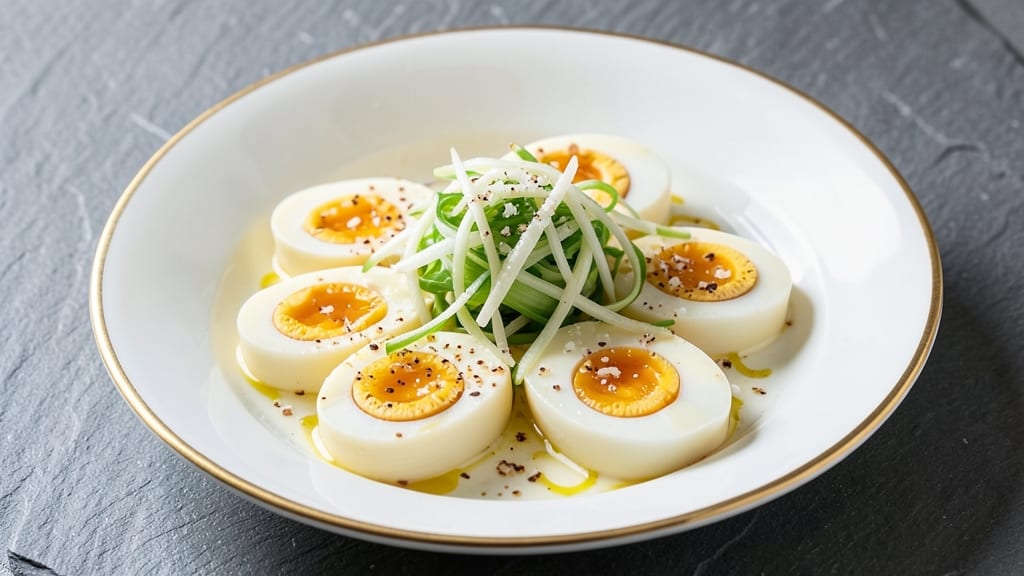
This scallion egg recipe transforms simple ingredients into a dish with silky yolk texture and fragrant, bright green bites that elevate any meal. The secret lies in precise cooking techniques that preserve the egg’s moisture while infusing it with the sharp, fresh flavor of scallions.
I’ve perfected this method over years of testing—each batch delivers that perfect balance of tender egg and crisp, aromatic greens.
The beauty of this dish lies in its versatility. Whether you prefer a classic savory version with a touch of salt and pepper or a slightly sweet twist with a drizzle of honey, the base technique remains the same.
Cooking the eggs in small batches ensures even heat distribution, so the yolks stay rich and velvety while the whites develop just enough texture. This isn’t just a side—it’s a star performer that pairs beautifully with rice, noodles, or even toasted bread.
By the time you’re done, you’ll have a dish that feels both rustic and refined, with every bite offering a harmonious blend of textures and flavors. The scallions add a bright, fresh contrast to the creamy egg, creating a dish that’s as visually appealing as it is delicious.
This recipe is foolproof, requiring minimal ingredients but delivering maximum impact—perfect for breakfast, brunch, or even a light dinner.
Serve these scallion eggs as a standalone dish or as part of a larger meal. They’re equally at home in a traditional Chinese breakfast spread or as an elegant appetizer for a dinner party.
The key is in the execution—simple, but not simple to master. Let’s get started with a method that turns everyday eggs into something extraordinary.
Ingredients for scallion egg
Eight essential ingredients transform ordinary eggs into restaurant-quality scallion eggs.
| Ingredient | Amount | Notes |
|---|---|---|
| Large Eggs 🥚 | 8 whole | Fresh, room temperature preferred |
| Scallions 🧅 | 1 ½ cups | Green parts only, finely chopped |
| Vegetable Oil 🫒 | ½ cup | High smoke point, neutral flavor |
| Salt 🧂 | 1 tsp | Fine sea salt, adjust to taste |
| White Pepper 🌶️ | ¼ tsp | Freshly ground for subtle flavor |
| Cornstarch 🌾 | 1 tbsp | For tenderizing eggs slightly |
| Sesame Oil 🫒 | 1 tbsp | Toasted, for aroma (optional) |
| Honey 🍯 | 1 tsp | For sweet variation (optional) |
The eggs are the foundation. Use large, fresh eggs—they hold their shape better when poached in batches. Room temperature eggs cook more evenly, so take them out 30 minutes before starting. The scallions should be bright green and crisp—avoid wilted ones. For the best flavor, buy scallions in bunches from the produce section rather than pre-chopped. If you can't find scallions, green onions work in a pinch, but they have a slightly milder taste. The vegetable oil should have a high smoke point—like avocado or peanut oil—to prevent burning during the high-heat cooking process.
No sesame oil? Skip it entirely—the dish still shines without it. The honey is purely optional but adds a lovely contrast to the savory eggs. For a spicier kickpre-chop the scallions and store them in an airtight container with a paper towel to keep them crisp. For the eggs, crack them into a bowl first to avoid shell fragments in your dish.
Freshly cooked scallion eggs are best served immediately, but they reheat beautifully. Store leftovers in an airtight container in the fridge for up to 3 days. To reheat, warm gently in a skillet over low heat with a splash of water to prevent drying. The scallions lose crispness over time, so add fresh ones when reheating if you're serving again. For meal prep, poach the eggs ahead and store separately, then assemble with scallions when ready to serve. This dish freezes poorly, so plan to enjoy it within a few days.
Why You'll Love This Recipe
- Five-Ingredient Magic: I swear by this recipe when I’m staring into the fridge at midnight wondering what to eat. Crack two eggs, slice a handful of scallions, heat some oil—done. The only measuring you’ll do is eyeballing salt and pepper.
- Crispy-Creamy Obsession: That first crack of the egg into the hot oil, the way the whites puff into delicate lace while the yolks stay runny? It’s the kind of contrast that makes you pause mid-bite. The scallions add this bright, sharp punch that cuts through the richness.
- Breakfast or Snack: Honestly, I eat these for breakfast, lunch, or a late-night craving. They’re perfect over rice, wrapped in a tortilla, or just as-is with a cold beer. My college-aged son calls them his “hangry fix”—and he’s not wrong.
- Budget Bingo: Eggs and scallions are about as affordable as it gets, and they stretch further than you’d think. I make a big batch on Sundays, and they last me all week—sometimes even into the next. Zero waste, maximum flavor.
Step-by-step instructions for scallion egg dish
Here's the method for achieving perfectly tender eggs with vibrant green scallions and a delicate balance of flavors.
Prepare the Egg Mixture with Cornstarch
In a large bowl, crack the 8 whole large eggs and separate the yolks from the whites. Place the yolks in one bowl and the whites in another. To the yolks, add the 1 tablespoon cornstarch and whisk vigorously until completely dissolved. This step creates a silky texture that prevents the eggs from becoming rubbery when cooked.
Next, add the 1.5 cups finely chopped scallions to the yolk mixture and stir well. The green parts only should be used, as the white parts can be bitter. Add the 1 tablespoon sesame oil and 1 teaspoon honey to the same bowl, mixing until evenly distributed. The honey adds a subtle sweetness that balances the savory scallions and white pepper.
Whisk the Egg Whites to Soft Peaks
In a separate clean bowl, beat the egg whites with the 1 teaspoon salt and 0.25 teaspoon white pepper using a hand mixer or whisk until soft peaks form. This process incorporates air into the whites, which will help create a light, airy texture when combined with the yolks. Be careful not to overbeat, as this can result in tough eggs.
Gently fold the egg whites into the yolk mixture in three additions, using a spatula to combine them carefully. This folding technique ensures the whites retain their airiness while blending seamlessly with the yolks. The mixture should be smooth and uniform, with no visible streaks of white.
Heat the Oil and Cook the Eggs
In a non-stick skillet, heat the 0.5 cup vegetable oil over medium-low heat until it reaches 350°F. This temperature is crucial for achieving the perfect silky texture without burning the eggs. Use a thermometer to ensure accuracy, as the oil should not smoke or bubble vigorously.
Slowly pour the egg mixture into the skillet, spreading it evenly with a spatula. Cook for 3-4 minutes until the edges begin to set but the center remains slightly runny. The eggs should look smooth and glossy, with a delicate golden hue around the edges. Avoid stirring the eggs once they're in the pan, as this can create a dense texture.
Fold and Serve Immediately
Once the edges are set, use a spatula to gently fold the eggs in half, creating a neat, folded shape. Cook for an additional 1-2 minutes until the center is just set but still slightly creamy. The eggs should hold their shape when lifted from the skillet, indicating they are ready to serve.
Transfer the scallion egg dish to a serving plate and cut into 4 equal portions. The dish should have a vibrant green color from the scallions, with a silky yolk that glistens slightly. Serve immediately while the eggs are still warm and the yolk is at its most tender. The combination of the fragrant scallions, subtle sweetness from the honey, and the delicate white pepper creates a harmonious flavor profile.
Pro Tips For Making Scallion Egg
- Crack Eggs Directly In: Skip the bowl—crack eggs straight into the hot wok over the scallions. The high heat instantly starts cooking the eggs while the scallions soften, cutting prep time and keeping the yolk from overcooking. (Yes, it’ll look messy at first, but you’ll get faster.)
- Use Cold Scallions: Chill the scallions for 10 minutes before cooking—they’ll soften faster and release more flavor without burning. I used to blister them, but now they wilt just enough to caramelize slightly at the edges.
- Stop When Yolk Jiggles: Pull the eggs out when the whites are set but the yolk still moves like thick custard. Overcooking turns it rubbery, and undercooking means a runny mess. Test with a chopstick—it should slide in but not ooze.
- Salt Eggs Before Frying: Whisk eggs with salt before cooking—the seasoning distributes evenly, and the yolk stays plump. I wasted eggs on bland centers until I started salting early. White pepper? Add it at the end, or it’ll overpower the scallions.
Regional styles of these flavors
Chinese Cong You Bing
In Northern China, scallion eggs take the form of cong you bing—delicate, pan-fried egg cakes with scallions baked into the center. The technique involves beating eggs with scallions and cornstarch, then cooking them in a hot pan until set.
I love adding a pinch of Sichuan peppercorn powder (about ¼ tsp) for a subtle numbing spice that’s signature in this regional style. Serve these with a side of hoisin sauce for dipping. 🗺️
For an authentic touch, use green onion leaves (the entire green part) instead of just scallions—this gives a more pronounced oniony flavor. The key is to cook them on medium-low heat for 4-5 minutes per side, pressing gently with a spatula to create those signature ridges.
These are traditionally eaten for breakfast with steamed buns or congee.
Japanese Negi Tamago
Japan’s version, negi tamago, focuses on simplicity and elegance. Here, the eggs are lightly scrambled with scallions and a touch of mirin (about 1 tsp) for sweetness. The dish is often served as a side to rice or as part of a bento box.
I recommend using Japanese scallions (longer and milder) for this preparation. The texture should be silky rather than firm—almost like a custard. 🍱
For a restaurant-quality finish, top with a drizzle of Kewpie mayonnaise and a sprinkle of furikake (Japanese seasoning). The Japanese approach emphasizes balance—just enough scallion to brighten the dish without overwhelming it. Cook the eggs over low heat and stir gently to maintain that delicate, cloud-like texture.
Korean Pa Kimchi Twist
In Korea, scallion eggs often get a tangy kick from kimchi. Finely chop ½ cup kimchi (without the juice) and mix it into the egg batter along with the scallions.
Cook as usual, but add a splash of kimchi juice (about 1 tbsp) to the pan before pouring in the eggs for extra flavor. This version is perfect with steamed rice and doenjang jjigae (soybean paste stew). 🌶️
The kimchi adds a funky, fermented depth that pairs beautifully with the sweetness of the eggs. For extra richness, stir in 1 tbsp melted butter into the egg mixture before cooking.
The Korean style is heartier and more flavorful, making it a great choice for a filling breakfast or late-night snack.
Taiwanese Lüo Sūn Dàn
Taiwan’s take, lüo sūn dàn, often includes a touch of soy sauce (about ½ tsp) and a sprinkle of sesame seeds for texture. The dish is usually served in small, neat portions—almost like a savory pancake.
I like to add 1 tsp grated ginger to the egg mixture for a subtle warmth. This version is a staple in Taiwanese breakfast markets, often paired with pickled vegetables or stinky tofu. 🗼
The Taiwanese method involves cooking the eggs in a well-oiled pan until the bottom is crispy, then folding them into a compact shape. The soy sauce adds umami depth, while the sesame seeds give a satisfying crunch. For a modern twist, top with a drizzle of chili oil before serving.
Nutrition facts
Frequently asked questions
Can I make this scallion egg dish without cornstarch?
The cornstarch creates that signature silky texture, but you can substitute 1 tablespoon arrowroot powder or even ½ teaspoon baking powder for a similar effect. Without it, your eggs will still be delicious but slightly firmer. The key is to whisk the eggs vigorously to incorporate air for a lighter texture.
How do I keep the scallions crispy instead of soggy?
Add the scallions to the egg mixture just before cooking and cook the eggs over medium-low heat for 3-4 minutes max. For extra crispness, try this trick: Toss chopped scallions with ½ teaspoon baking soda for 1 minute, then rinse and pat dry before adding to eggs. This preserves their crunch! Serve immediately to prevent wilting.
Can I make these ahead of time for a brunch spread?
For best results, prepare the scallion egg mixture up to 1 day ahead and refrigerate in an airtight container. When ready to cook, let it sit at room temperature for 30 minutes before cooking. The eggs reheat beautifully in a skillet over low heat—just add ½ teaspoon oil and cook for 2-3 minutes per side. Add fresh scallions after reheating.
What's the secret to getting perfectly silky yolks?
Three key factors: room temperature eggs, low and slow cooking (350°F oil), and not overcooking. The yolks should remain slightly runny in the center when you fold the eggs. Use a thermometer to monitor oil temperature—if it's too hot, the eggs will cook unevenly. For extra richness, add 1 teaspoon melted butter to the oil before cooking.
Can I add other vegetables or proteins to this recipe?
Try adding ½ cup finely chopped mushrooms or 2 tablespoons shredded cheese (like cheddar or feta) for extra flavor. For protein, stir in 2 cooked shrimp or 2 tablespoons diced ham with the scallions. Just be mindful of cooking times—add delicate ingredients like shrimp at the very end. The classic version keeps the focus on the egg-scallion harmony, but these additions work beautifully.