
Side Dishes
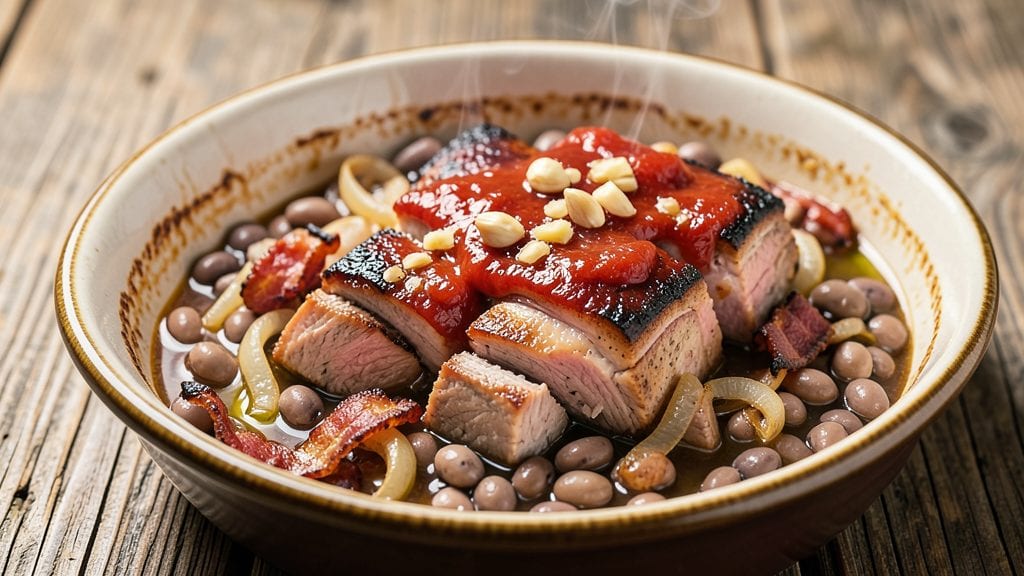
This settlers beans recipe delivers the hearty, smoky comfort of a classic Southern side dish in one simple pot. The slow-simmered combination of bacon, pork, and navy beans creates deep, savory flavors that pair perfectly with grilled meats or cornbread.
I've perfected this method over years of testing, balancing traditional techniques with modern shortcuts for foolproof results.
The beauty of settlers beans lies in their simplicity—just a few ingredients simmered together until tender and flavorful. The key is slow cooking, which allows the bacon to render its fat and the pork to develop rich, smoky notes that infuse into the beans.
Unlike other bean dishes, this recipe builds flavor gradually, creating a dish that's both comforting and satisfying.
By the time you're done, you'll have a pot of tender beans with crispy bacon pieces and a thick, savory broth that's perfect for soaking up with cornbread or grilled chicken.
The aroma alone makes any meal feel special, and the texture—creamy beans with bite—is exactly what makes this dish a Southern classic.
Whether you're cooking for a family gathering or a weeknight dinner, settlers beans bring warmth and tradition to the table. The recipe works equally well in a Dutch oven or pressure cooker, making it adaptable to any kitchen. Let's get started on this timeless comfort dish.
Ingredients for settlers beans
Simple ingredients that build rich, smoky flavors over time—this is settlers beans at its heart.
| Ingredient | Amount | Notes |
|---|---|---|
| Navy Beans 🌱 | 2 cups | Dried, soaked overnight |
| Pork Shoulder 🥓 | 1 ½ lb | Cut into 1-inch cubes |
| Bacon 🥓 | 8 oz | Thick-cut, chopped into pieces |
| Onion 🧅 | 1 whole | Yellow, chopped |
| Garlic Cloves 🧄 | 4 cloves | Minced, fresh preferred |
| Tomato Paste 🍅 | ¼ cup | Squeeze tube or canned |
| Apple Cider Vinegar 🍎 | ½ cup | For tangy depth |
| Smoked Paprika 🌶️ | 1 tbsp | For smoky flavor |
| Ground Black Pepper 🌶️ | 1 tsp | Freshly cracked |
| Salt 🧂 | 2 tsp | Kosher or sea salt |
| Bay Leaves 🌿 | 2 whole | For aromatic depth |
| Water 💧 | 8 cups | For soaking beans |
| Beef Broth 🍲 | 2 cups | Low-sodium preferred |
The pork shoulder is the flavor anchor here. Look for well-marbled cuts at your local butcher or grocery store's meat counter—Costco or Whole Foods often have excellent options. If you can't find pork shoulder, pork butt works just as well. The bacon should be thick-cut for maximum crispiness; Applewood-smoked adds extra depth. For the beans, dried navy beans create the best texture, but canned beans in a pinch will work if you're short on time. Just rinse them well to remove excess sodium. The smoked paprika is non-negotiable—it's what gives settlers beans their signature smoky aroma. Penzeys or McCormick brands deliver consistent quality.
No smoked paprika? Substitute 1/2 teaspoon liquid smoke plus an extra 1/2 teaspoon regular paprika for a similar effect. Running low on apple cider vinegar? White vinegar works just as well—the acidity is what matters. The tomato paste can be swapped for 1/2 cup crushed tomatoes, though it'll add more liquid. For a quicker version, pressure cook the beans for 20 minutes instead of soaking overnight, though texture may differ slightly. The beef broth adds richness; chicken broth works too if that's what you have on hand. Fresh garlic and onion are ideal, but frozen chopped varieties will save time without sacrificing much flavor.
This dish tastes even better the next day as flavors meld. Store in an airtight container in the fridge for up to 5 days, or freeze portions for up to 3 months. The broth thickens as it cools, so add a splash of water when reheating. I like to portion mine into individual serving containers—perfect for meal prep. The bacon pieces stay crispy when stored properly, adding texture to every bite. For a restaurant-quality touch, garnish with extra chopped bacon and a sprinkle of fresh parsley before serving.
Why You'll Love This Recipe
- One-Pot Magic: I swear by this recipe because it’s all in one pot—no fussing with multiple dishes. The bacon renders down while the onions caramelize, the pork shoulder melts into tender shreds, and the beans soak up every bit of flavor. Honestly, I’ve made it on nights when I forgot to eat lunch.
- Smoky-Sweet Obsession: That combo of crispy bacon, slow-cooked pork, and navy beans simmered with garlic? It’s dangerously addictive. The pork shoulder gets so tender it falls apart at the touch, and the onions add just enough sweetness to balance the salt. I’ll be real: I’ve reheated this cold the next day just to taste it again.
- Meal Prep MVP: This recipe is my go-to for busy weeks. Make a big batch on Sunday, and you’ve got hearty lunches for days—no sad leftovers here. The flavors actually get better as it sits, so it’s perfect for work lunches or feeding a crowd without last-minute stress.
- Budget-Friendly Feast: Pork shoulder and bacon stretch to feed four (or five if you’re generous). I’ve made this for under $10 per serving, and it’s still richer than takeout. Plus, navy beans are cheap but pack serious protein—no sad, expensive shortcuts needed. My wallet and my family thank me every time.
Step-by-step instructions for smoky, slow-simmered settlers beans
This one-pot method delivers hearty, smoky beans with tender pork and crispy bacon—perfect for feeding a crowd.
Prepare the Beans and Pork
Start by draining and rinsing the soaked 2 cups Navy Beans thoroughly under cold water. In a large, heavy pot, combine the beans with the 1.5 lb Pork Shoulder cut into 1-inch cubes, the 8 oz chopped Bacon, and the 8 cups Water. Bring to a boil over high heat, then immediately reduce to a simmer. Skim off any foam that rises to the surface during the first 5 minutes—this ensures a cleaner-tasting final dish.
Simmer uncovered for 1 hour, stirring occasionally. The pork should begin to soften, and the bacon will release its rich fat into the pot. This initial cooking step breaks down the meat fibers and infuses the beans with deep, savory flavors. Keep the lid off to prevent steam buildup, which can make the beans mushy.
Build the Flavor Base
After the initial hour, add the 1 whole chopped Onion and 4 minced Garlic Cloves to the pot. Stir well to combine, then sprinkle in the 1 tbsp Smoked Paprika, 1 tsp Ground Black Pepper, and 2 tsp Salt. The 2 whole Bay Leaves should also be added now—they’ll infuse the beans with subtle, aromatic depth as they simmer.
Continue simmering uncovered for another 30 minutes, stirring occasionally. You’ll notice the onions soften and the pork becomes increasingly tender. This is where the foundational flavors meld together—don’t rush this step. The beans should be partially softened but still hold their shape, and the liquid should reduce slightly, concentrating the taste.
Thicken and Finish the Beans
Stir in the 0.25 cup Tomato Paste and 0.5 cup Apple Cider Vinegar, mixing thoroughly to distribute evenly. The vinegar adds a bright tang that balances the richness of the pork and bacon. Pour in the 2 cups Beef Broth and bring the mixture to a gentle boil. Once boiling, reduce the heat to low and cover the pot partially with a lid.
Simmer for 1.5 to 2 hours, stirring occasionally, until the beans are tender but not mushy and the pork is fork-tender. The liquid should reduce to a thick, gravy-like consistency—this is your signal that the beans are fully cooked. If the mixture looks too thin, uncover the pot and simmer for an additional 15 minutes to thicken further. The final texture should be hearty yet spoonable, with each bite delivering a perfect balance of smoky, tangy, and savory flavors.
Rest and Serve
Once the beans reach the desired consistency, remove the 2 whole Bay Leaves and discard them. Let the pot sit off the heat for 10 minutes—this resting period allows the flavors to settle and the beans to absorb any remaining liquid. Taste and adjust the seasoning if needed, adding a pinch more salt or a splash of apple cider vinegar for brightness.
Serve the settlers beans warm, straight from the pot, with crusty bread or over buttered cornbread. The combination of tender pork, crispy bacon, and smoky beans creates a deeply comforting dish that’s perfect for family gatherings or cozy weeknight meals. The slow-simmered method ensures every bite is packed with flavor and texture, making it a true one-pot wonder.
Pro Tips For Making Settlers Beans
- SOAK BEANS OVERNIGHT: I learned this the hard way—skipping the soak with navy beans means they stay stubbornly tough no matter how long you simmer. Toss them in cold water (4 cups per pound) with a pinch of salt, and let them sit 8+ hours. No time? At least do a 2-hour quick soak, but don’t skip the salt—it kickstarts the softening.
- CRISP THE BACON FIRST: I used to toss bacon in with everything else, and it just turned into greasy mush. Cook the bacon separately until it’s deeply crispy—no wimpy half-done strips—and then drain it well on paper towels. Save the fat for frying onions, but don’t let it sit in the pot; it’ll make your beans greasy.
- LOW AND SLOW FOR PORK: Pork shoulder needs patience—don’t rush it. After browning the meat, add just enough liquid to cover the beans (about 2 inches) and simmer covered at 300°F (150°C) for 3 hours. The slow cooker? Sure, but I’ve found the oven keeps the beans from turning to mush while the pork stays tender. Check the temp—it should pull apart easily.
- SAVE THE LIQUID: That golden, meaty broth after the pork falls apart? Don’t pour it out. Strain it back into the pot and reduce it by half before adding to the beans. It cuts the watery texture and adds depth—no bouillon cubes needed. If it’s too thin, simmer uncovered for 10 minutes to thicken it up.
Troubleshooting great settlers beans
Beans Too Soft?
If your beans turn mushy, you likely simmered them too long or didn’t skim the foam early on. The key is maintaining a gentle simmer—never a rolling boil. I’ve found that using a heavy Dutch oven helps distribute heat evenly.
Also, keep the lid partially covered (not fully sealed) during the final cooking stages to allow excess moisture to escape. For extra insurance, add ½ cup frozen peas in the last 15 minutes—they’ll absorb excess liquid while adding texture. 🥣
Pork Still Tough?
Undercooked pork is usually the result of insufficient simmering time or not enough liquid. First, check your internal temperature—it should reach 195°F for fall-apart tenderness. If it’s still firm after 2 hours, add ½ cup water or broth and simmer uncovered for another 30 minutes.
Another trick: score the pork cubes before cooking to help them tenderize faster. For stubborn cuts, try adding 1 tsp baking soda (it breaks down proteins)—just rinse the pork afterward. 🥩
Bacon Too Greasy?
Excess grease happens when too much bacon fat renders into the pot. Start by frying the bacon separately in a skillet until crispy, then drain on paper towels before adding it to the beans.
Reserve 2 tbsp of the bacon fat and use it to sauté the onions—this adds flavor without excess oil. If the pot still looks greasy, skim the surface with a slotted spoon or chill the beans in the fridge, then spoon off the hardened fat before reheating. 🧂
Sauce Too Thin?
A watery sauce usually means the beans absorbed too much liquid or the broth wasn’t reduced enough. To fix it, uncover the pot and simmer on medium-low heat for 10-15 minutes to evaporate excess moisture.
For a thicker consistency, stir in 1 tbsp cornstarch mixed with 2 tbsp cold water and simmer for 2 more minutes. If you’re short on time, mash ½ of the beans with a fork—their starch will help thicken the sauce naturally. 🍲
Flavor Too Mild?
Weak flavor often stems from insufficient seasoning or not enough time for the spices to meld. Boost the depth by adding 1 tsp liquid smoke (if you skipped smoked paprika earlier) or 1 extra bay leaf.
For a tangy kick, stir in 1 tbsp Dijon mustard or 1 tsp Worcestershire sauce in the last 30 minutes. Let the beans rest 30 minutes off the heat—flavors intensify as they cool.
Pro tip: Brown the pork cubes in a skillet before adding them to the pot for a deeper Maillard reaction. 🌶️
Beans Not Tender?
Hard beans usually mean they weren’t soaked long enough or cooked at too high a temperature. For dried beans, soak overnight (or use the quick-soak method: boil for 2 minutes, then let sit 1 hour).
If they’re still firm after 3 hours of simmering, add ½ cup extra broth and cook another 30 minutes. For canned beans, rinse them well to remove excess sodium, which can toughen them.
A pressure cooker cuts cooking time to 20 minutes—just add 1 cup extra liquid to prevent burning. 💡
Nutrition facts
Frequently asked questions
Why do settlers beans need overnight soaking?
Soaking removes anti-nutrients that make beans hard to digest and speeds up cooking time. Navy beans absorb 3-4 times their weight in water overnight, ensuring they cook evenly without becoming mushy. The quick-soak method (boiling for 2 minutes then resting 1 hour) works in a pinch, but overnight soaking delivers the best texture.
Can I make settlers beans without pork?
Swap the pork shoulder for 1 lb smoked sausage or 1 can of chicken for a lighter option. For a vegetarian version, use 1 cup diced mushrooms and 1 tbsp soy sauce instead. The key is maintaining the smoky-savory balance—just adjust cooking time since plant-based proteins break down faster.
How do I know when the pork is fully cooked?
Use a meat thermometer to check for 195°F internal temperature—this ensures the pork is fork-tender. If you don’t have one, cut into a piece: it should shred easily. The beans should also be creamy but not falling apart. For extra insurance, simmer 10 more minutes after reaching temperature.
What’s the best way to reheat settlers beans?
Gently reheat on low heat with 2 tbsp water or broth to prevent drying out. For microwave reheating, cover with a damp paper towel and heat in 1-minute intervals, stirring between each. The beans taste even better reheated—the flavors meld further. Never reheat directly from the fridge to avoid uneven cooking.
Can I make settlers beans in a slow cooker?
Yes! Combine all ingredients (except bacon fat) in the slow cooker and cook on Low for 8 hours or High for 4-5 hours. Add bacon separately in the last 30 minutes to prevent sogginess. The slow cooker’s gentle heat creates the same tender, smoky results with minimal effort—just stir occasionally to prevent sticking.