
Main Courses
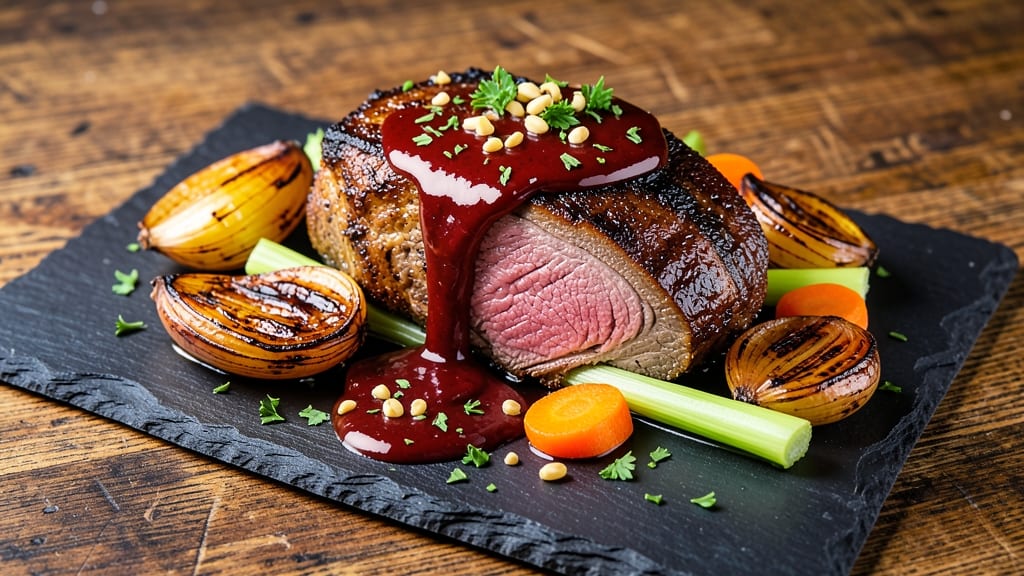
Transforming tough short rib roast into fork-tender perfection requires patience and precision—this slow-braised method delivers melt-in-your-mouth results every time. The secret lies in searing the meat first to lock in juices, then braising it low and slow until the connective tissue dissolves into rich, velvety goodness.
I’ve perfected this technique over years of testing, ensuring the final dish has that restaurant-quality depth and texture that home cooks crave.
What sets this recipe apart is the balance between technique and simplicity: just a few core ingredients—beef short rib roast, aromatics, and a rich braising liquid—come together to create a dish that’s both impressive and approachable.
The reverse searing method guarantees a perfect crust while keeping the interior tender, and the long braising time infuses every bite with deep, savory flavor. With about 3 hours of active cooking time (mostly hands-off), this roast is ideal for weekend meals or special occasions.
The result is a short rib roast so tender it practically falls apart at the touch, with a surface that’s beautifully caramelized and a sauce so rich it could be served as a gravy. Each slice offers layers of beefy richness, complemented by the subtle sweetness of the braising liquid.
Serve it with classic sides like creamy mashed potatoes or roasted root vegetables to soak up every last drop of that luxurious sauce.
This recipe isn’t just about the meat—it’s about the experience. The aroma filling your kitchen as it braises, the anticipation of that first bite, and the satisfaction of a dish that feels both luxurious and deeply satisfying.
Whether you’re feeding a crowd or treating yourself to a special meal, this short rib roast delivers results that will have everyone asking for seconds.
Ingredients for short rib roast
Six core ingredients transform tough short rib into luxurious, fork-tender perfection through slow braising.
| Ingredient | Amount | Notes |
|---|---|---|
| Beef Short Rib Roast 🥩 | 4 lb | Bone-in, 2-3 inches thick |
| Yellow Onion 🧅 | 1 whole | Chopped into 1-inch pieces |
| Carrot 🥕 | 2 whole | Chopped into 1-inch chunks |
| Celery Stalk 🌿 | 3 whole | Chopped into 1-inch pieces |
| Garlic Cloves 🧄 | 6 cloves | Smashed, not minced |
| Tomato Paste 🍅 | ½ cup | High-quality, no sugar added |
| Red Wine 🍷 | 2 cups | Bold, dry variety like Cabernet |
| Beef Broth 💧 | 3 cups | Low-sodium, homemade preferred |
| Olive Oil 🫒 | 2 tbsp | Extra-virgin, for searing |
| Thyme Sprigs 🌿 | 4 whole | Fresh, stems removed |
| Bay Leaves 🍃 | 2 whole | Dried, standard size |
| Salt 🧂 | 1 ½ tsp | Kosher or sea salt |
| Black Peppercorns 🌶️ | 1 tsp | Freshly cracked |
| Balsamic Vinegar 🍶 | 1 tbsp | For deglazing |
The beef short rib roast is the star—look for bone-in cuts with good marbling at specialty butchers or high-end grocery stores like Whole Foods or Costco. A 2-3 inch thickness ensures even cooking without drying out. If your butcher offers pre-cut short ribs, they’ll save you time, but a whole roast gives better value. The tomato paste should be smooth and vibrant—avoid brands with added sugar or preservatives. For the red wine, opt for a bold, dry Cabernet Sauvignon—whatever you’d drink with steak works here. Trader Joe’s or Total Wine often have affordable options.
No red wine? Dry sherry or beef broth with 1 tbsp balsamic vinegar delivers similar depth. Fresh thyme unavailable? Dried thyme at one-third the amount suffices, but the aroma won’t be as bright. Prefer a sweeter sauce? Add 1 tbsp brown sugar to the braising liquid. The balsamic vinegar is critical for deglazing—store-bought is fine, but aged balsamic adds complexity. For the beef broth, homemade is ideal, but low-sodium store-bought (like Swanson or Pacific Foods) works in a pinch. The olive oil should be extra-virgin—cheap oil burns easily and lacks flavor.
This roast reheats beautifully—cover with foil and warm in a 300°F oven for 20-30 minutes to maintain moisture. Store leftovers in the braising liquid for up to 5 days in the fridge, or freeze for 3 months. The sauce thickens as it cools, so add a splash of broth when reheating. For meal prep, portion the meat and sauce separately—reheat the sauce first, then add the meat to warm through. The thyme sprigs and bay leaves can be removed before serving, but leave them in during cooking for maximum flavor infusion.
Why You'll Love This Recipe
- One-Pot Magic: I swear by this—just toss the short rib, chopped veggies (onion, carrot, celery), and garlic into a Dutch oven with broth, cover it, and walk away. The slow cook transforms tough cuts into melt-in-your-mouth perfection with zero fuss.
- Rich, Deep Umami Bomb: That bone-in short rib? It’s like a flavor time machine—caramelized edges, tender meat, and a sauce so rich it’ll make you close your eyes. The garlic and onions mingle into something dangerously addictive, especially when reduced down.
- Sunday Dinner Hero: Between us, this is my go-to for gatherings—whether it’s a lazy weekend brunch or a holiday table. The leftovers? Even better cold in sandwiches the next day, and it freezes like a dream for when you’re too tired to cook.
- Budget Luxury: Short ribs aren’t cheap, but they stretch far—this recipe feeds four heartily, and the leftovers feed two more. Honestly, it’s the kind of dish that makes expensive cuts feel like a smart splurge, not a waste.
Step-by-step instructions for slow-braised short rib roast
Master this method and you'll achieve melt-in-your-mouth tenderness with rich, caramelized flavors.
Sear the Short Rib Roast for Deep Flavor
Pat the 4 lb beef short rib roast completely dry with paper towels—this ensures maximum browning. Heat 2 tbsp olive oil in a heavy Dutch oven over medium-high heat until shimmering. Place the roast fat-side down and sear undisturbed for 8-10 minutes until deeply browned on one side. Flip and repeat on the other side, then transfer to a plate.
Here's the thing—don't rush this step. You want that meat to develop a dark mahogany crust that will infuse the braising liquid with incredible depth. The rendered fat from the sear becomes the foundation of your sauce. While the roast rests, reduce heat to medium and add the chopped 1 whole yellow onion, 2 whole carrots, and 3 whole celery stalks to the same pot. Cook for 5 minutes until softened.
Build the Braising Liquid
Add the smashed 6 cloves garlic, 0.5 cup tomato paste, 1.5 tsp salt, and 1 tsp freshly cracked black peppercorns to the pot. Stir well to coat everything in the caramelized bits from the sear. Pour in the 2 cups red wine and scrape up any browned bits from the bottom—this deglazing captures all that concentrated flavor. Let it simmer for 3 minutes until reduced by half.
Now add the 3 cups beef broth, 4 whole thyme sprigs, and 2 whole bay leaves. Return the seared short rib roast to the pot, fat-side up. Bring the liquid to a gentle simmer—you should see small bubbles breaking the surface but not a rolling boil. This controlled simmer is crucial for even cooking and maximum tenderness.
Braise Until Fork-Tender
Cover the pot and transfer to a preheated 300°F oven. Braise for 3 hours, then carefully flip the roast and add 1 tbsp balsamic vinegar to the liquid. Return to the oven for another 3 hours. Real talk: this is where patience pays off. The meat should be so tender it practically falls apart with a fork, and the sauce should be rich and velvety.
Check doneness by inserting a meat thermometer into the thickest part of the roast—it should read 205°F. If it's not quite there, continue braising for another 30-60 minutes. The roast will continue cooking slightly as it rests, so don't overcook it in the pot.
Rest and Serve with Sauce
Remove the roast from the pot and transfer it to a cutting board. Tent loosely with foil and let it rest for 15-20 minutes. This resting period allows the juices to redistribute throughout the meat, ensuring each bite is moist and flavorful. Skim any excess fat from the braising liquid and reduce it on the stovetop over medium heat for 5-7 minutes until slightly thickened.
Slice the short rib roast against the grain into ½-inch thick pieces. Spoon the reduced braising sauce over the top and serve immediately. The result should be fork-tender meat with a rich, caramelized sauce that clings beautifully to each slice. This method guarantees you'll achieve that coveted melt-in-your-mouth texture while building layers of complex flavor.
Pro Tips For Making Short Rib Roast
- SEAR IN BATCHES: Short ribs are thick—crowding the pan turns your sear into a sad, greasy bath. Work in two layers, 3-4 ribs at a time, and don’t rush the first side. The crust forms in 3-4 minutes; rushing means mushy edges later.
- CHOP VEGETABLES SMALLER: Onions, carrots, and celery should disappear into the background, not compete with the ribs. Dice them into ¼-inch pieces—this ensures they soften without turning to mush, soaking up the rib’s rich juices instead of sitting like wet logs.
- DON’T SKIP THE FAT CAP: That white layer on top of the roast? Leave it. It’s flavor insurance. If it browns too fast, tent it loosely with foil—this keeps the meat juicy and adds depth that store-bought seasonings can’t replicate.
- LOW AND SLOW MEANS PATIENCE: 275°F isn’t fast, but it’s the magic number. If you peek too often, the ribs will dry out. Set a timer for 3 hours, then check—resist the urge to adjust the oven every 30 minutes. The internal temp will climb steadily on its own.
Wine and beer pairings for short rib roast
Red Wine Harmony
The rich, deep flavors of this short rib roast call for a bold red wine with enough body to stand up to the beefy intensity. I always reach for a Cabernet Sauvignon—its dark fruit notes and firm tannins complement the caramelized crust and velvety sauce perfectly.
A Napa Valley Cabernet like Opus One or a more affordable Robert Mondavi Reserve works beautifully. For a lighter option, try a Syrah from the Rhône Valley—its peppery notes add an interesting contrast to the sweetness of the braised meat. 🍷
Malbec Magic
If you prefer something with a touch of sweetness to balance the savory richness, Argentinian Malbec is my go-to choice. The plum and dark chocolate flavors in wines like Catena Zapata or Trapiche pair exceptionally well with the deep, umami notes of the short rib.
The slight sweetness in Malbec helps cut through the fat, making each bite more balanced. I like to chill my Malbec slightly before serving—just 30 minutes in the fridge—to enhance its aromas and refresh your palate between bites.
Beer Pairings
For beer lovers, a dark ale or stout brings out the best in this dish. I recommend a Belgian Dubbel like Westmalle Dubbel—its caramel and raisin notes mirror the braising sauce's sweetness.
If you prefer something stronger, a Russian Imperial Stout like Imperial Stout from Founders Brewing provides a malty contrast that stands up to the beef's richness. For a lighter option, try a German Märzen—its toasty, slightly sweet profile complements the dish without overpowering it. 🍺
White Wine Surprise
Don't overlook white wine options—sometimes they work beautifully with rich, braised meats. A dry Riesling from Germany, like Dr. Loosen Blue Slate, offers enough acidity and mineral notes to cut through the fat while its subtle sweetness balances the savory flavors.
For a bolder white, a Chardonnay with noticeable oak, such as Meiomi Pinot Noir (yes, it's a white blend but works here), adds a creamy texture that pairs well with the dish's richness. Chill these whites to 45-50°F before serving.
Non-Alcoholic Options
For those who prefer not to drink alcohol, a sparkling apple cider like Martinelli's adds a refreshing crispness that cleanses the palate between bites. Alternatively, a ginger beer with a hint of spice, like Feather Ginger Beer, enhances the dish's savory depth without competing flavors.
For a more sophisticated non-alcoholic option, try a grapefruit soda—its citrus notes provide a bright contrast to the rich, beefy flavors. Serve these chilled to 38-42°F for the best experience. 💫
Nutrition facts
Frequently asked questions
Can I use bone-in or boneless short rib roast for this recipe?
This recipe is designed for bone-in short rib roast, which stays more moist and adds depth of flavor as it braises. The bone infuses the sauce with rich gelatin during cooking. If you must use boneless, reduce braising time by 30-45 minutes since it cooks faster without the bone's insulating effect. The texture will be slightly less tender but still delicious.
How do I know when the short rib roast is fully tender?
Use a meat thermometer for precision—insert it into the thickest part of the roast (avoiding bone). It should read 205°F for perfect tenderness. Alternatively, press a fork into the meat: if it slides in effortlessly and the fibers separate cleanly, it's ready. The roast will continue cooking slightly as it rests, so don't overbraise beyond 205°F.
Can I make this recipe in a slow cooker instead of the oven?
Yes! Follow the same searing steps, then transfer everything to a 6-quart slow cooker on LOW for 8-9 hours (or HIGH for 5-6 hours). The sauce will be thinner, so reduce it on the stovetop afterward. For best results, use a Dutch oven for searing first—the slow cooker alone won't develop the same deep crust.
What's the best way to reheat leftovers without drying out the meat?
Reheat in the same braising liquid: place slices in a skillet with a splash of the sauce, cover, and warm over low heat for 10-12 minutes. For oven reheating, cover with foil and warm at 300°F for 20-30 minutes. Never microwave—it turns the meat tough. The sauce should be reheated separately and reduced slightly to thicken.
Why did my short rib roast turn out tough instead of tender?
Overcooking is the most common mistake—braising too long past 205°F breaks down the meat's structure. Also, insufficient searing creates a weak flavor base for the braise. Ensure you're using a heavy Dutch oven (not aluminum) and maintaining a gentle simmer (not a boil). Finally, check your roast's thickness—thinner cuts cook faster and may dry out.