
Appetizers
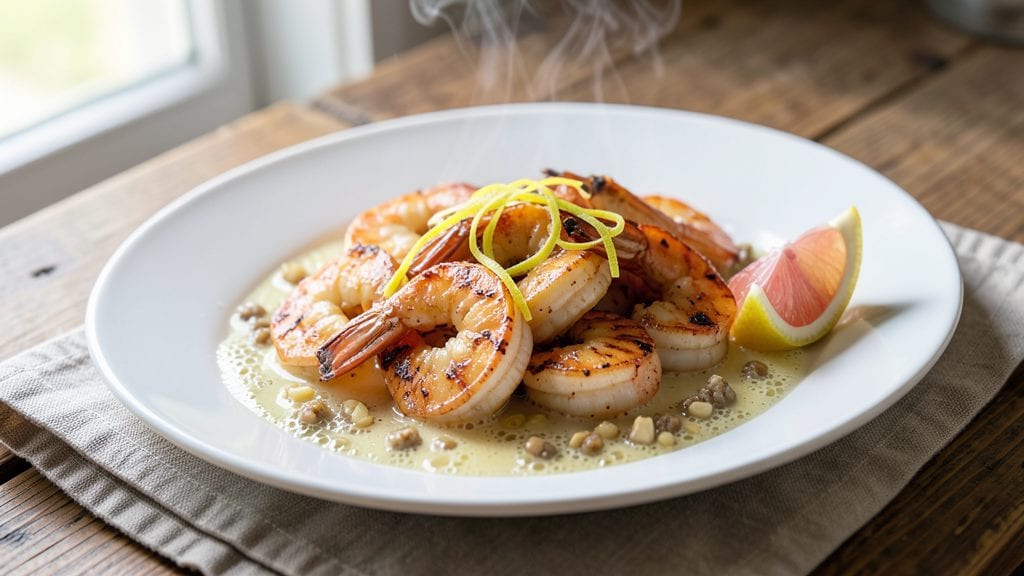
Mastering shrimp à la française means capturing that perfect balance of buttery richness and bright citrus—something I’ve perfected after years of refining this classic French appetizer.
The secret lies in the sauce: a velvety emulsion of garlic, lemon, and white wine that clings to each shrimp like a delicate golden blanket. This recipe delivers restaurant-quality results in just 20 minutes, making it ideal for impressing guests without spending hours in the kitchen.
The process begins with searing the shrimp until they’re just opaque at the edges—3 minutes per side—before removing them to a warm plate.
What remains in the pan becomes the foundation for the sauce: deglazing with white wine, then building layers of flavor with garlic, lemon zest, and a generous pat of butter.
The result is a sauce that’s both luxurious and light, with a tangy brightness that cuts through the richness of the shrimp.
What you’ll end up with is a dish that looks as elegant as it tastes: perfectly cooked shrimp nestled in a glossy, buttery sauce, finished with fresh parsley for a pop of color.
The aroma alone—warm garlic, citrus, and melting butter—will have everyone gathered around your table before the first bite. Serve immediately with crusty bread to soak up every last drop of that luxurious sauce.
This recipe works equally well as an appetizer or light main course, especially when paired with a simple green salad or steamed vegetables. The technique is straightforward but requires attention to timing—once you nail it, you’ll have a go-to dish for any occasion that feels effortlessly sophisticated. Let’s get cooking!
Ingredients for shrimp francaise
Buttery shrimp with zesty lemon and garlic—just 11 ingredients for restaurant-style elegance.
| Ingredient | Amount | Notes |
|---|---|---|
| Large Shrimp 🦐 | 1 ½ lb | Peeled, deveined, tails on |
| Unsalted Butter 🧈 | 6 tbsp | Cold, cut into pieces |
| Shallot 🧅 | 1 whole | Finely minced, not sliced |
| Garlic Cloves 🧄 | 4 cloves | Thinly sliced, not minced |
| Dry White Wine 🍷 | ½ cup | Sauvignon Blanc or Pinot Grigio |
| Fresh Lemon 🍋 | 1 whole | Zest and juice only |
| Fresh Parsley 🌿 | ¼ cup | Chopped, for garnish |
| Salt 🧂 | 1 tsp | Kosher or sea salt |
| Black Pepper 🌶️ | ½ tsp | Freshly ground |
| Olive Oil 🫒 | 1 tbsp | For searing shrimp |
| Heavy Cream 🥛 | ¼ cup | Full-fat for richness |
The shrimp should be 16/20 count—smaller ones cook faster and stay tender. Trader Joe's or Whole Foods carry them pre-peeled, which saves time. Look for bright pink color and firm texture—if they smell fishy, skip them. The butter is non-negotiable here; European-style unsalted (like Plugrá) has more flavor than American brands. For the shallots, one medium shallot is perfect—don't sub onions unless you're desperate, their flavor is too strong. The wine? Any dry white will work, but Sauvignon Blanc has that bright citrus note that pairs perfectly.
No white wine? Chicken or seafood stock works in a pinch, but add a splash of lemon juice to cut the richness. Fresh parsley wilting? Dried parsley at one-third the amount gets you close. The heavy cream can be swapped for half-and-half, but trust me on the full-fat version—the sauce won't emulsify as beautifully. Lemon zest is key for that bright pop; if you don't have a zester, microplane works too. The garlic should be sliced paper-thin, not minced—this keeps the sauce from getting bitter. And if you're cooking for more than four, scale the butter and cream up proportionally—they're what makes this dish luxurious.
This sauce breaks fast, so make it fresh. Keeps for 2 days in the fridge if stored in an airtight container, but reheat gently—microwave ruins the emulsion. For parties, double the sauce ingredients and keep shrimp warm in a separate pan. The shrimp themselves? Cook them just before serving—they're best eaten immediately. If you're prepping ahead, cook the shrimp first, then reheat in the sauce for 30 seconds. Garnish with parsley right before serving so it stays vibrant.
Why You'll Love This Recipe
- No Fuss, Big Payoff: I swear by this recipe because it’s the kind of dish that feels fancy but takes zero effort. Peel and devein the shrimp—that’s it—while the butter, shallots, and garlic sizzle in the pan. The wine reduces in minutes, leaving behind a glossy, savory sauce that clings to every shrimp like it was hand-painted.
- Buttery Garlic Magic: That first bite? Chef’s kiss. The shrimp get kissed by melted butter until they’re golden and tender, then finished with a splash of wine that cuts through the richness. The shallots caramelize just enough to add sweetness, while the garlic—oh, the garlic—infuses everything with that warm, aromatic punch. It’s the kind of flavor that makes you want to close your eyes and savor it.
- Weeknight or Date Night: Honestly, this is my go-to when I need something that feels special but won’t stress me out. Toss it over crusty bread for a quick lunch, or plate it with a simple salad for a dinner that’ll impress without the fuss. And if you’re serving guests? This recipe says “I put in effort” without actually requiring any.
- Leftovers That Don’t Suck: Most shrimp dishes turn rubbery the next day, but not this one. The wine keeps it bright, and the butter keeps it rich—so reheating it is basically a crime unless you’re me, sneaking bites straight from the fridge. Plus, it’s budget-friendly enough that I can make a big batch without breaking the bank, then freeze half for lazy Mondays.
Step-by-step instructions for shrimp française
Here's how to create restaurant-quality shrimp in a rich, velvety sauce with minimal effort.
Sear the Shrimp in Olive Oil
Heat the olive oil in a large skillet over medium-high heat until shimmering. Add the large shrimp in a single layer, leaving space between each piece. Cook for 2-3 minutes per side until they turn a beautiful pink color and develop a golden crust. You'll know they're ready when they release easily from the pan.
Remove the shrimp and set them aside on a plate, tented loosely with foil. Don't overcrowd the pan—this ensures even cooking and prevents steaming instead of searing. Keep the shrimp warm while you prepare the sauce, as they'll only take a few minutes to finish cooking in the sauce itself.
Build the Base with Shallot and Garlic
In the same skillet (no need to wipe it clean), reduce the heat to medium and add the cold unsalted butter cut into pieces. Let it melt completely, then add the finely minced shallot and thinly sliced garlic cloves. Cook for 3-4 minutes until the shallots are soft and translucent and the garlic is fragrant but not browned.
This gentle cooking process develops the flavors without burning them. If the shallots start to brown too quickly, reduce the heat slightly. You're building the foundation for your sauce, so take your time here—rushed cooking leads to bitter flavors in the final dish.
Deglaze with White Wine
Pour in the dry white wine and increase the heat to medium-high. Let it simmer for 2-3 minutes until reduced by about half. You'll see the wine clinging to the bottom of the pan—this is where the magic happens as you capture all those flavorful browned bits.
Stir occasionally with a wooden spoon, scraping up any stuck-on bits from the bottom of the pan. This deglazing step transforms what would be wasted flavor into the rich base of your sauce. The wine should reduce until it coats the back of a spoon but remains slightly syrupy.
Finish with Lemon and Heavy Cream
Add the zest and juice from the fresh lemon along with the heavy cream. Stir well and bring the mixture to a gentle simmer. Cook for 1-2 minutes until the sauce thickens slightly and becomes glossy. Season with the salt and black pepper, tasting as you go to adjust the balance of flavors.
Return the shrimp to the skillet, gently tossing them to coat evenly in the sauce. Let them simmer together for 1 minute to heat through completely. The shrimp should be fully cooked with a warm, buttery sauce clinging to every piece. If the sauce seems too thick, add a splash of warm water to reach your desired consistency.
Garnish and Serve Immediately
Transfer the shrimp to serving plates, spooning the sauce generously over the top. Garnish with the chopped fresh parsley just before serving. The parsley adds a fresh, bright contrast to the rich, buttery sauce and makes the dish look beautifully finished.
Serve immediately with crusty bread or over a bed of buttery pasta to soak up every last drop of that luxurious sauce. The shrimp should be tender with a slight bite, perfectly cooked through, and the sauce should coat your tongue with velvety richness in every bite.
Pro Tips For Making Shrimp Francaise
- Deglaze Immediately: As soon as you remove the shrimp, pour that wine into the pan while it’s still hot—don’t let it cool. The residual heat will pull every last bit of flavor from the butter and browned bits, giving your sauce depth instead of a watery finish. (Yes, even if you’re impatient like me.)
- Mince Shallots Fine: Tiny dice, not rough chunks—this isn’t a stir-fry. A shallot that’s too big sits like a rock in the butter, refusing to melt. Use the tip of your knife to chop them into almost a paste; they’ll dissolve into the butter and create a silky base. (Your future self will notice the difference.)
- Don’t Overcrowd the Pan: Shrimp francaise is about searing, not steaming. Cook them in batches if needed—even if it means two rounds in the pan. Crowding turns them soggy and steams the butter instead of building that golden crust. (This is the mistake I made three times before I got it right.)
- Finish with Cold Butter: Swirl in a pat of cold butter at the very end—it’ll coat the shrimp in a glossy, velvety sheen without breaking the sauce. Use about 1 tablespoon, let it melt just enough to glaze, then toss. (Sounds weird, but it works—trust me.)
Dietary considerations for this shrimp francaise
Gluten-Free Adaptations
This recipe is naturally gluten-free, but watch for hidden sources like white wine or stock if using substitutions. Always choose gluten-free wine (like Freixenet 0.0% or Sutter Home) and certified gluten-free seafood stock to avoid cross-contamination.
The butter, cream, and shrimp are all safe, but verify your heavy cream label—some brands add gluten-containing stabilizers. 🌾
Dairy-Free Substitutions
Replace butter with vegan butter (like Miyoko’s) or olive oil for richness, though texture will differ slightly. Use full-fat coconut cream instead of heavy cream—it emulsifies well and adds a subtle tropical note that pairs surprisingly well with lemon.
For extra binding, whisk in 1 tsp cornstarch with the coconut cream before adding to the pan. 🥥
Low-Carb/Keto Options
This dish fits perfectly into a keto diet—just omit the bread and focus on the shrimp and sauce. For extra fat (and flavor), add 2 tbsp ghee when building the base.
Skip the heavy cream and use unsweetened almond milk with 1 tbsp xanthan gum to mimic the sauce’s thickness. The lemon and garlic keep it bright while the butter/ghee maintains richness. 🥑
Allergen-Friendly Notes
For shellfish allergies, this isn’t your dish—but if you’re sensitive to garlic or lemon, reduce amounts by half or omit entirely. The shallot provides mild onion-like depth without garlic’s intensity.
For dairy-sensitive guests, serve shrimp plain with a side of sauce on the side. Always double-check labels on butter substitutes—some contain casein. 🚫
Vegetarian Swap
Replace shrimp with hearts of palm or king oyster mushrooms (sliced into rings) for a meaty texture. Sear them in the same way, then proceed with the sauce.
For extra protein, add chickpeas (drained and lightly salted) at the end. The sauce’s buttery richness will still shine, though the dish loses its classic French name. 🌱
Nutrition facts
Frequently asked questions
Can I use frozen shrimp for this recipe?
Yes, but thaw them properly first. Place frozen shrimp in a colander under cold running water for 5-10 minutes until pliable. Pat completely dry before cooking—any moisture will cause the sauce to splatter. For best results, use shrimp that's been thawed in the refrigerator overnight rather than under water.
What's the secret to keeping the sauce from breaking?
The sauce relies on proper emulsification—never boil it! Keep heat at medium-low when adding cream, and stir constantly. If it separates, whisk in 1 tsp cold water or a small pat of butter to re-emulsify. The key is patience: let flavors develop gradually rather than rushing the process.
Can I make this ahead of time?
Prepare the sauce components separately and store them in airtight containers: shrimp (cooked and chilled), sauce (without shrimp), and garnish. Reheat shrimp and sauce separately over low heat, then combine just before serving. The sauce thickens as it cools, so thin with a splash of warm water if needed.
What wine works best if I don't have white wine?
Use dry vermouth or chicken stock as substitutes, but add 1 extra tablespoon lemon juice to balance flavors. For a non-alcoholic version, use apple cider vinegar mixed with water (1:3 ratio). Avoid sweet wines—they'll make the sauce cloying.
Why did my shrimp turn rubbery?
Overcooking is the most common cause. Shrimp cook in 1-2 minutes per side—they're done when they turn opaque and curl slightly. Remove them immediately when done, then finish in the sauce for just 1 minute. Using smaller shrimp (21/25 count) also reduces rubbery texture.