
Main Courses
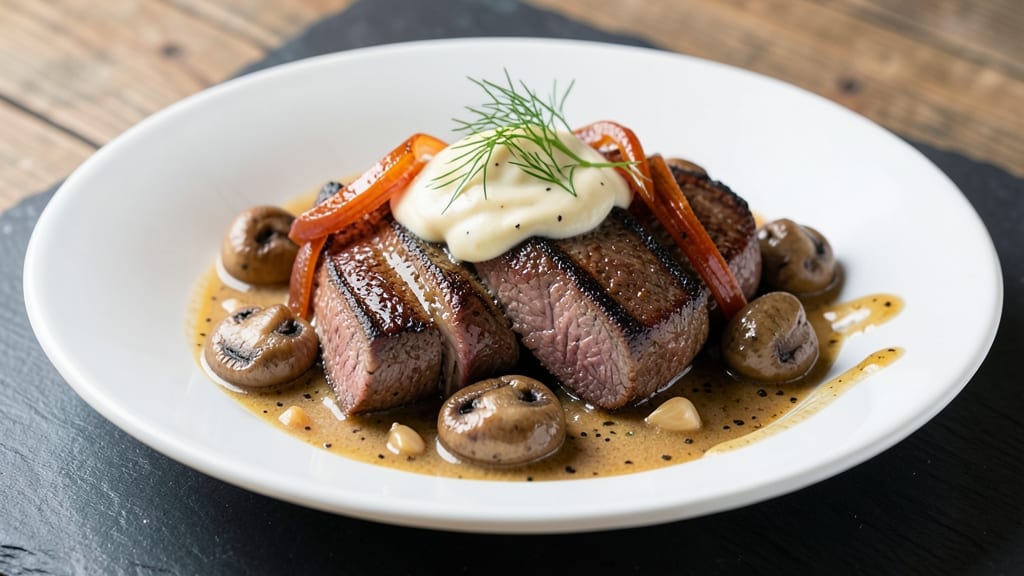
This sirloin beef stroganoff recipe delivers restaurant-quality results with tender sear-marked steak and a velvety mushroom-infused cream sauce. The key lies in precise searing and slow simmering—techniques that transform tough sirloin into melt-in-your-mouth slices.
I've perfected this version after years of testing, ensuring the sauce remains rich yet balanced, not overly heavy.
The process begins with searing thick-cut sirloin strips until they develop a deep caramelized crust, locking in juices before slicing against the grain. Meanwhile, mushrooms and onions build flavor in the pan, releasing their earthy essence as they soften.
A splash of broth deglazes the pan, capturing every last bit of flavor that will later enrich the sauce.
What sets this recipe apart is the sauce—creamy yet bright, thanks to a perfect ratio of sour cream and broth. The mushrooms add depth without overpowering, while a touch of lemon keeps the flavors vibrant.
Serve it over egg noodles or crusty bread to soak up every last drop of that luxurious sauce.
This stroganoff is ideal for weeknight dinners or special occasions, offering a comforting yet elegant meal that feels indulgent without requiring hours in the kitchen. The technique is straightforward, but the results are undeniably impressive—proof that professional-quality dishes are within reach for any home cook.
Ingredients for sirloin beef stroganoff
Restaurant-quality stroganoff starts with precise ingredients: tender sirloin, earthy mushrooms, and velvety cream sauce components.
| Ingredient | Amount | Notes |
|---|---|---|
| Sirloin Steak 🥩 | 1 ½ lb | Thick-cut, 1-inch slices against grain |
| Cremini Mushrooms 🍄 | 16 oz | Sliced thinly for even cooking |
| Yellow Onion 🧅 | 1 whole | Thinly sliced, 1/4-inch pieces |
| Garlic Cloves 🧄 | 4 cloves | Minced finely for aromatic base |
| Unsalted Butter 🧈 | 4 tbsp | European-style preferred for flavor |
| All-Purpose Flour 🌾 | 2 tbsp | For sauce thickening |
| Beef Broth 💧 | 1 cup | Low-sodium preferred for balance |
| Sour Cream 🥛 | ¾ cup | Full-fat for optimal texture |
| Dry White Wine 🍷 | ½ cup | Sauvignon Blanc recommended |
| Fresh Lemon Juice 🍋 | 1 tbsp | Brightens sauce finish |
| Diamond Crystal Kosher Salt 🧂 | 1 ½ tsp | Adjusts seasoning precisely |
| Freshly Ground Black Pepper 🌶️ | ¾ tsp | Enhances depth of flavor |
| Egg Noodles 🍝 | 8 oz | Medium width preferred |
| Fresh Parsley 🌿 | ¼ cup | Chopped for garnish |
The sirloin steak is non-negotiable for this dish—look for thick-cut, well-marbled pieces from the butcher counter at Whole Foods or Costco for optimal tenderness. Grass-fed options elevate flavor complexity, though conventional cuts work well too. Slice against the grain immediately before cooking to ensure maximum tenderness. For mushrooms, cremini varieties provide the ideal balance of earthiness and texture—avoid pre-sliced packages as they oxidize quickly. Yellow onions should be vibrant and firm, with no soft spots. Garlic cloves should be plump and unspoiled, stored in a cool, dark place until use. European-style butter (like Plugrá) contains higher fat content, which prevents burning during searing. All-purpose flour should be fresh-milled if possible, as older flour loses thickening power.
Substitutions must maintain the dish's creamy yet balanced profile. No wine? Use an extra 0.25 cup beef broth plus 1 tsp lemon juice to replicate acidity. Dairy-free? Replace sour cream with Greek yogurt (reduce by 0.25 cup) or cashew cream for richness. Mushroom alternatives include shiitake for deeper umami or portobello slices for meatier texture. Noodle swaps work with fettuccine or rice noodles, though egg noodles provide the best texture contrast. Fresh parsley can be substituted with dried parsley (reduce to 0.5 tsp), though fresh garnish is preferred. Salt measurements are critical—Diamond Crystal kosher salt clumps less than table salt, so adjust accordingly if using other types. Black pepper should be freshly ground to preserve volatile oils that carry flavor.
Proper storage extends this dish's peak quality. Sirloin should be seared and refrigerated within 2 hours of purchase, used within 3 days for optimal tenderness. Mushrooms last 5-7 days in the fridge, while onions keep for 2 weeks in a cool, dark pantry. Sour cream remains stable for 1 week after opening when refrigerated. Egg noodles have a shelf life of 1 month unopened, though fresh pasta elevates the dish. Prepped components (sliced mushrooms, minced garlic) can be stored in airtight containers for 3 days. Leftover stroganoff reheats beautifully—gentle warming on low heat prevents sauce separation, and a splash of broth restores creaminess if needed. Freezing is possible for 3 months, though texture may slightly degrade.
Why You'll Love This Recipe
- One-Pan Magic: I swear by this recipe because it’s actually one-pan. Sear the sirloin in butter, toss in onions and mushrooms—no extra pots, no extra stress. The mushrooms soak up all that rich garlic butter while the beef rests, so you’re basically done in one spot. (Yes, even on a Tuesday night.)
- Rich Without Effort: That first bite of tender sirloin cutting through the creamy mushroom sauce? It’s like a hug in a bowl. The butter and garlic build layers of flavor while you’re chopping, so by the time it’s done, it’s ridiculously good—no fancy techniques, just patience and a little salt.
- Leftovers That Beg: This dish tastes even better the next day. I make a double batch on Sundays, and by Wednesday, it’s the only thing anyone will eat. The sauce thickens just right, the beef stays juicy, and honestly? Cold stroganoff on toast is my secret weapon for lazy mornings.
- Budget-Friendly Feast: Sirloin stretches further than you’d think, especially when paired with mushrooms and onions. I feed four people for under $20, and everyone leaves happy. Plus, the leftovers freeze like a dream—so it’s basically a two-meal deal in one. (My wallet thanks me.)
Step-by-step instructions for sirloin beef stroganoff
Master this classic with precision: sear-marked steak meets velvety mushroom cream sauce.
Prepare and Sear the Sirloin Steak
Pat the 1.5 lb sirloin steak dry with paper towels and season both sides generously with 1.5 tsp diamond crystal kosher salt and 0.75 tsp freshly ground black pepper. Let it sit at room temperature for 15 minutes while you prepare the rest.
Heat 2 tbsp unsalted butter in a large skillet over medium-high heat until the butter foams. Add the steak and sear for 3-4 minutes per side until it develops a deep golden-brown crust and reaches medium-rare doneness (130-135°F internal temperature). Transfer to a plate and let rest for 5 minutes before slicing against the grain into ¼-inch strips. Keep the steak warm and reserve the rendered butter in the pan.
Build the Mushroom and Aromatic Base
In the same skillet with the reserved butter, add 1 tbsp unsalted butter and swirl to coat. Add the 16 oz sliced cremini mushrooms and cook for 5-6 minutes until they release their moisture and begin to brown. Stir occasionally to ensure even cooking.
Add the 1 whole yellow onion sliced into ¼-inch pieces and cook for 3-4 minutes until softened. Stir in the 4 cloves minced garlic cloves and cook for 30 seconds until fragrant. Sprinkle the 2 tbsp all-purpose flour over the mushrooms and onions, stirring constantly for 1 minute to create a roux that will thicken the sauce.
Deglaze and Simmer the Sauce
Pour in the 0.5 cup dry white wine and scrape up any browned bits from the bottom of the pan. Let the wine simmer for 2-3 minutes until reduced by half. Add the 1 cup beef broth and bring to a gentle simmer, allowing the sauce to thicken slightly while the mushrooms continue to cook.
Reduce heat to medium-low and let the sauce simmer for 5 minutes until it coats the back of a spoon. Stir in the 1 tbsp fresh lemon juice and season with an additional pinch of salt and pepper if needed. The sauce should be rich and velvety, with a balance of tangy and umami flavors.
Finish with Sour Cream and Incorporate Steak
Remove the skillet from heat and stir in the 0.75 cup sour cream, mixing gently to avoid curdling. Return to low heat and warm through for 1-2 minutes, ensuring the sauce doesn't curdle. Add the sliced sirloin steak and toss to coat evenly in the sauce.
Cook for an additional 2 minutes to allow the steak to absorb the flavors of the sauce. Taste and adjust seasoning with more salt or pepper if necessary. The sauce should be creamy yet not overly thick, with a perfect balance of tangy, savory, and umami notes.
Assemble and Serve
Cook the 8 oz egg noodles according to package instructions until al dente, then drain and return to the pot. Toss the noodles with 1 tbsp unsalted butter to prevent sticking. Divide the noodles among four plates, top with the beef stroganoff, and garnish with the 0.25 cup chopped fresh parsley.
Serve immediately while the sauce is still warm and creamy. The combination of tender sirloin, earthy mushrooms, and rich cream sauce creates a dish that's both comforting and elegant. Enjoy with a crisp green salad or roasted vegetables for a complete meal.
Pro Tips For Making Sirloin Beef Stroganoff
- SEAR THE STEAK FIRST: Cut the sirloin into thin strips before searing—thick chunks won’t cook through in the stroganoff sauce. Hit a screaming-hot pan with butter and oil, then work in batches so the meat hits the pan with a loud sizzle (yes, even if you’re impatient like me). Overcrowding steams instead of sears, and you’ll end up with bland, gray strips.
- SWEAT THE ONIONS LOW: I used to rush this step and wondered why my stroganoff tasted flat. Instead of chopping onions into tiny dice, slice them into half-moons and cook them on low heat for 8–10 minutes until they’re soft and translucent. This builds flavor without burning—no one wants bitter onions in their creamy sauce.
- DON’T SKIP THE MUSHROOM MELT: After the onions, add the mushrooms and let them fully break down—10 minutes on medium-low, stirring occasionally. They’ll release their moisture and deepen the sauce’s umami. Skipping this step leaves you with chewy chunks instead of a rich, velvety base (your future self will notice).
- THICKEN WITH A SLURRY: Stir in a quick slurry of 1 tablespoon cornstarch mixed with 2 tablespoons cold water at the end. Let it simmer for 2–3 minutes until the sauce clings to the noodles (or mashed potatoes, if you’re serving it that way). This guarantees a glossy finish without lumps—no one likes a watery stroganoff.
Regional styles of sirloin beef stroganoff
Russian Origins
The original stroganoff hails from 19th-century Russia, where it was created for Count Stroganoff—hence the name. The classic version used beef tenderloin (not sirloin) and a sauce thickened with sour cream and butter, served over buckwheat noodles.
The dish was designed for quick preparation in aristocratic kitchens, emphasizing rich, creamy textures without heavy tomato bases. 🥂
Hungarian Influence
Many believe stroganoff's roots trace back to Hungarian goulash, brought to Russia by Hungarian chefs. The paprika and onion base in goulash inspired the aromatic foundation of stroganoff, though Russian versions replaced paprika with white wine and mushrooms for a more refined flavor.
This fusion explains why modern stroganoff relies on earthy mushrooms and wine deglazing—key techniques I use in my recipe. 🌶️
American Adaptations
When stroganoff arrived in the U.S. in the 1950s, it underwent a creamy transformation. American cooks swapped buckwheat noodles for egg noodles and added more sour cream for a richer texture.
The dish became a weeknight staple, often paired with mashed potatoes or crusty bread. My recipe keeps this Americanized approach while honoring the original's balance of acidity and creaminess.
Modern Twists
Today, stroganoff has evolved into fusion dishes worldwide. In France, it’s made with duck confit and red wine; in Japan, it’s served with udon noodles and miso-infused sauce. For a quick version, I’ve seen sous vide steak used to perfectly tenderize the meat in minutes.
The key remains: sear the protein first, then build layered flavors in the sauce. 💡
Vegetarian Versions
Plant-based stroganoff replaces beef with portobello mushrooms, lentils, or tofu, using the same mushroom-onion base for depth. The sauce gets its richness from cashew cream or coconut milk, with nutritional yeast adding umami.
I’ve tested this version and found shiitake mushrooms work best for that meaty texture. The technique stays identical—just swap the protein! 🌱
Global Serving Styles
In Germany, stroganoff is served with spätzle and apple sauce; in Australia, it’s paired with damper bread (a sourdough loaf). For a lighter take, try serving it over zucchini noodles or with a side of roasted Brussels sprouts.
The dish’s versatility makes it a global favorite—proof that great recipes travel well! 🌍
Nutrition facts
Frequently asked questions
Can I use sirloin steak instead of beef tenderloin?
Sirloin works beautifully—it's more flavorful and budget-friendly than tenderloin. The key is slicing it thick-cut (1-inch) and searing it until medium-rare (130-135°F) for maximum tenderness. Slice against the grain to ensure melt-in-your-mouth texture.
Why does my stroganoff sauce get grainy?
Graininess usually means the sour cream curdled from too much heat. Always stir off the heat before adding it, then warm gently on low for just 1-2 minutes. For extra insurance, whisk the sour cream with 1 tbsp cold broth before mixing into the sauce.
What's the best wine substitute if I don't have white wine?
Use 0.25 cup beef broth + 1 tsp lemon juice to replicate acidity. For depth, add 1 tsp apple cider vinegar. Avoid red wine—it will overpower the delicate cream sauce. A splash of dry vermouth also works if you have it!
Can I make this ahead of time?
Yes! Assemble everything except the sour cream, then refrigerate for up to 24 hours. Reheat gently, stirring in the sour cream off the heat at the end. For make-ahead meals, this is perfect—just reheat on low and add fresh parsley before serving.
What's the secret to keeping the mushrooms tender?
Cook them in two batches if needed to avoid crowding the pan. Start with 1 tbsp butter and medium heat—high heat makes them rubbery. Stir frequently and remove them when just tender (5-6 minutes) to prevent overcooking.