Main Courses
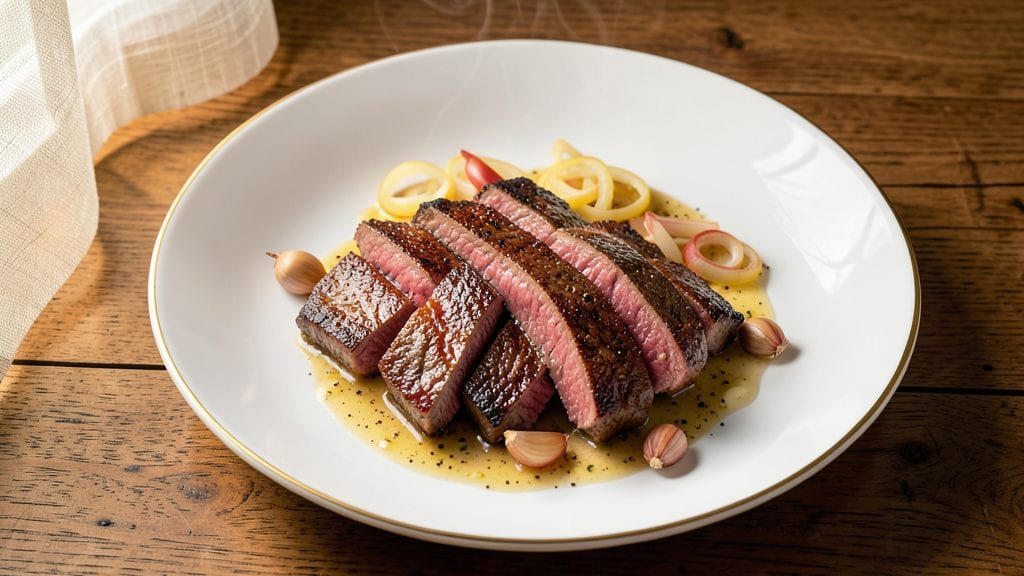
Sirloin strips deserve better than just a quick sear and forget—they crave rich garlic butter and caramelized onions that turn a simple protein into a showstopper. I perfected this one-pan method after years of overcooking tender cuts, and it never fails to deliver melt-in-your-mouth results with minimal effort.
The secret? Letting the onions slow-cook while the steak gets its crispy crust, so every bite packs layers of flavor without extra dishes.
This recipe is all about maximizing flavor while minimizing friction—no fancy techniques, just a hot skillet, a few pantry staples, and 20 minutes of hands-off cooking.
You'll start with thin-cut sirloin strips (about 1-inch thick) that cook fast but stay juicy, thanks to a quick salt-and-pepper seasoning before they hit the pan. The garlic butter isn't just for flavor—it creates a golden, aromatic crust that makes these strips impossible to resist.
By the time you're done, you'll have perfectly seared sirloin strips with caramelized onions clinging to each piece, all swimming in a pool of rich garlic butter. The onions add sweetness that balances the savory meat, while the butter keeps everything tender.
This dish works for tacos, stir-fries, or even a simple salad—just slice and serve. It's the kind of meal that turns a weeknight into something special without requiring a fancy restaurant.
Leftovers reheat beautifully, and the flavors only get better as they sit. Pair with roasted potatoes, crusty bread, or a fresh green salad to round out the meal. Here's how to make it—simple, flavorful, and foolproof every time.
Ingredients for sirloin strips
Thin-cut steak, sweet onions, and golden butter—this one-pan combo delivers restaurant-quality flavor with zero fuss.
| Ingredient | Amount | Notes |
|---|---|---|
| Sirloin Steak Strips 🥩 | 1 ½ lb | Thin-cut, 1-inch thick, trimmed |
| Yellow Onions 🧅 | 1 whole | Thinly sliced, about 3 cups |
| Unsalted Butter 🧈 | ½ cup | Full-fat for best flavor |
| Garlic Cloves 🧄 | 4 cloves | Minced, fresh preferred |
| Kosher Salt 🧂 | 1 ½ tsp | For seasoning meat |
| Freshly Ground Black Pepper 🌶️ | ½ tsp | Cracked peppercorns preferred |
| Olive Oil 🫒 | 1 tbsp | For searing pan |
| Fresh Thyme Leaves 🌿 | ¼ tsp | Dried works if needed |
| Balsamic Vinegar 🍷 | 1 tbsp | For finishing onions |
| Fresh Parsley 🌿 | 0.1 cup | Chopped, for garnish |
The steak is the star, so pick quality cuts from the butcher counter—thin strips (about 1-inch thick) cook fast but stay juicy. I always ask for sirloin strips at Whole Foods or Costco; they're pre-cut and save time. Trim any excess fat or silver skin, but leave the edges slightly uneven for better browning. For the onions, yellow or sweet onions caramelize best—red onions add color but get bitter. I slice mine paper-thin using a mandoline (or a sharp knife if you're brave) to speed up the process.
No fresh thyme? Dried thyme at half the amount works in a pinch, but fresh adds that bright aroma. Running out of balsamic? Apple cider vinegar or red wine vinegar gives a similar tang. The butter is non-negotiable here—full-fat is a must for that rich, golden crust. If you're watching calories, use half butter and half olive oil, but trust me on the full-fat version. For the garlic, roast it first (wrap cloves in foil, bake at 400°F for 15 minutes) for a sweeter, deeper flavor that pairs perfectly with the caramelized onions.
This dish reheats like a dream—just warm in a skillet with a splash of water or broth for 2-3 minutes. The flavors actually deepen overnight, so make extra. Store leftovers in an airtight container for 3-4 days in the fridge, or freeze for up to 3 months. I always portion mine into single-serving containers for quick lunches. The onions soften when reheated, so they're best enjoyed fresh, but the steak stays tender and flavorful.
Why You'll Love This Recipe
- I swear by this combo: seared sirloin strips with caramelized onions in butter. That salty-sweet crunch? It’s the kind of flavor that makes you pause mid-bite. Honestly, the garlic cloves get minced while you’re tossing the onions—no fancy prep, just pure taste.
- Two-Ingredient Magic: I swear by this combo: seared sirloin strips with caramelized onions in butter. That salty-sweet crunch? It’s the kind of flavor that makes you pause mid-bite. Honestly, the garlic cloves get minced while you’re tossing the onions—no fancy prep, just pure taste.
- Pan-to-Table Ready: One sheet pan, one spatula, done. Toss those strips in butter and onions, let them sizzle for 10 minutes, and boom—dinner’s ready. I’ll be real: this is the meal I make when I’ve got 20 minutes and zero patience for complicated recipes.
- Weeknight Workhorse: Taco night? Stir-fry? Salad topper? These strips adapt to everything. I keep a batch in the fridge all week—just reheat and toss with whatever’s calling my name. (Yes, even on a Tuesday night.)
Step-by-step instructions for sirloin strips: one-pan garlic butter sear
Here's how to transform simple sirloin strips into restaurant-worthy steak with caramelized onions—all in one pan.
Season and Sear the Sirloin Strips
Pat the 1.5 lb sirloin steak strips dry with paper towels—this ensures maximum browning. In a small bowl, mix the 1.5 tsp kosher salt and 0.5 tsp freshly ground black pepper, then rub it evenly over both sides of the steak. Let them sit at room temperature for 10 minutes while you prep the pan.
Heat a large skillet over medium-high heat until it's just smoking hot. Add the 1 tbsp olive oil and swirl to coat the pan. Working in batches if needed, add the steak strips and sear undisturbed for 2-3 minutes per side until they develop a deep golden-brown crust. The steak should release easily from the pan—if it sticks, give it another 30 seconds. Transfer the cooked strips to a plate and tent loosely with foil to keep warm.
Caramelize the Onions with Garlic and Thyme
In the same skillet (no need to wipe it clean—those browned bits are flavor gold), reduce the heat to medium. Add the 1 whole yellow onions and cook, stirring occasionally, for 8-10 minutes until they soften and begin to turn golden. This is where the magic happens—don't rush it.
After 8 minutes, add the 4 minced garlic cloves and 0.25 tsp fresh thyme leaves, stirring for 30 seconds until fragrant. The garlic should sizzle but not burn. Pour in the 1 tbsp balsamic vinegar and let it simmer for 1 minute to deepen the flavor. The onions should now be tender with caramelized edges—this takes patience, but it's worth it.
Finish with Butter and Return the Steak
Increase the heat to medium-high and add the 0.5 cup unsalted butter, letting it melt and foam. Tilt the pan slightly and spoon the melted butter over the onions, coating them evenly. This creates a luscious, glossy finish. Return the seared steak strips to the pan and toss everything together for 1-2 minutes until the butter is fully incorporated and the steak is coated in that rich, garlicky goodness.
Taste and adjust seasoning if needed—you might need a pinch more salt since the butter dilutes the flavors slightly. The steak should be cooked to your liking (medium-rare to medium for sirloin). Remove from heat and let it rest for 5 minutes before serving.
Garnish and Serve
Transfer the steak and onions to a serving platter. Sprinkle with the 0.1 cup chopped fresh parsley for a pop of color and freshness. Serve immediately with crusty bread or roasted potatoes to soak up that delicious garlic butter sauce. The steak should be juicy inside with a perfect sear, and the onions should be sweet, caramelized, and infused with thyme and balsamic.
Here's the thing—this one-pan method keeps everything warm and flavorful. The steak stays tender because it's not overcooked, and the onions add a sweet contrast to the savory meat. Don't skip the resting time; it lets the juices redistribute so every bite is moist and flavorful.
Pro Tips For Making Sirloin Strips
- Dry the Strips Thoroughly: Pat those sirloin strips aggressively with paper towels—water’s the enemy of crust. I used to skip this, and my strips would steam instead of sear, turning out greasy instead of golden. Trust me, the extra 30 seconds saves you from sad, soggy meat.
- Slice Onions Thinly: Cut those yellow onions into paper-thin slices—no thicker than 1/8 inch. Thick rings stay crunchy and undercooked; thin slices soften perfectly and caramelize faster. Use a sharp knife, or your arms will hate you.
- Start Hot, Finish Gentle: Sear the strips in a screaming-hot pan for 30 seconds, then lower the heat to medium. High heat first gets that crust, but too long at max will burn the outside before the center cooks. I learned this after charring three batches—now I adjust mid-cook.
- Salt the Butter: Toss a generous pinch of kosher salt into the melted butter before adding it to the pan. The butter’s already unsalted, and this step guarantees every bite has that bright, balanced flavor. (Yes, even if you’re impatient like me.)
Troubleshooting great sirloin strips
Uneven Cooking Fix
If your sirloin strips end up with some pieces overcooked and others still raw, it’s likely because they weren’t all the same thickness or weren’t seared evenly. I’ve found that 1-inch thick strips are ideal—they cook fast but stay juicy.
To fix this, always trim your strips to uniform thickness before seasoning. If you’re working with thicker cuts, reduce heat slightly to medium-high and sear for 3-4 minutes per side. 🌡️
Stuck-on Pan Nightmare
When your steak sticks to the pan like it’s glued, it’s usually because the pan wasn’t hot enough or the meat wasn’t dry. First, make sure your skillet is smoking hot before adding oil—this creates a nonstick barrier. Pat your steak strips extra dry with paper towels before seasoning.
If they still stick, don’t panic: just let them cook undisturbed for 30 more seconds to build a crust, then gently slide a spatula underneath. A well-seasoned cast-iron skillet (like a Lodge) helps too—it develops a natural nonstick surface over time.
Onions Burn Before Caramelizing
If your onions turn black or bitter before they soften, you’re likely cooking them too hot. Reduce the heat to medium-low and stir more frequently—this prevents burning while still allowing them to caramelize. I like to use a wooden spoon because it won’t scratch your pan.
If they start to darken too quickly, add a splash of water (1-2 tbsp) to steam them gently until they soften. The key is patience: 8-10 minutes of slow cooking yields sweet, golden onions every time. 🧅
Steak Loses Juice After Cooking
Overcooking or cutting into the steak too soon are the usual culprits here. Sirloin strips cook fast, so remove them from the pan as soon as they hit your desired doneness—medium-rare to medium is perfect.
Let them rest for 5 minutes under foil before slicing, which allows juices to redistribute. If you’re serving them for a crowd, I recommend slicing against the grain for tender bites. Pro tip: Use a meat thermometer to check internal temp—130°F for medium-rare ensures juicy results.
Butter Burns or Separates
Adding butter too early or cooking it at too high a heat causes it to burn or separate into grease. Always melt the butter over medium-high heat after the onions are caramelized, then immediately return the steak to the pan.
If the butter starts to foam excessively, reduce the heat slightly. For extra richness, I like to add a pinch of salt to the melted butter—it helps emulsify it and prevents separation. The butter should coat the steak and onions evenly, creating a luscious sauce. 🧈
Nutrition facts
Frequently asked questions
What's the best thickness for sirloin strips?
For perfect results, aim for 1-inch thick strips. This thickness sears quickly but stays juicy inside. If you get thicker cuts, reduce heat slightly to medium-high and cook for 3-4 minutes per side instead of 2-3 minutes. Thin strips (½-inch) cook too fast and can dry out.
Can I use frozen sirloin strips?
Yes, but thaw them completely first in the fridge overnight. Pat them extra dry before seasoning—the moisture can cause sticking. Never thaw at room temperature, as this promotes bacterial growth. If short on time, use the cold-water method (seal in a bag and submerge in cold water for 30 minutes).
How do I adjust this recipe for a crowd?
Double the ingredients and use a 12-inch cast-iron skillet or two 10-inch pans. Cook in two batches to avoid overcrowding, which steams instead of sears. For 8 servings, use 3 lbs sirloin strips and 2 whole onions. Keep cooked strips warm in a 200°F oven while finishing the second batch.
What's the best way to reheat leftovers?
Reheat in a skillet over medium-low heat with 1 tbsp butter or oil for 2-3 minutes until warmed through. Avoid microwaving—it makes the steak tough. For extra flavor, add 1 tsp balsamic vinegar and 2 minced garlic cloves while reheating. Store leftovers in an airtight container for 3-4 days.
Can I substitute another cut for sirloin strips?
Flank steak or skirt steak work well—they're leaner but still tender when sliced thin. Avoid ribeye (too fatty) or chuck (too tough). For sirloin-like texture, trim fat and slice against the grain. Tri-tip is another great alternative, though it has a slightly gamey flavor. Always pat dry and sear quickly to prevent toughness.