
Side Dishes
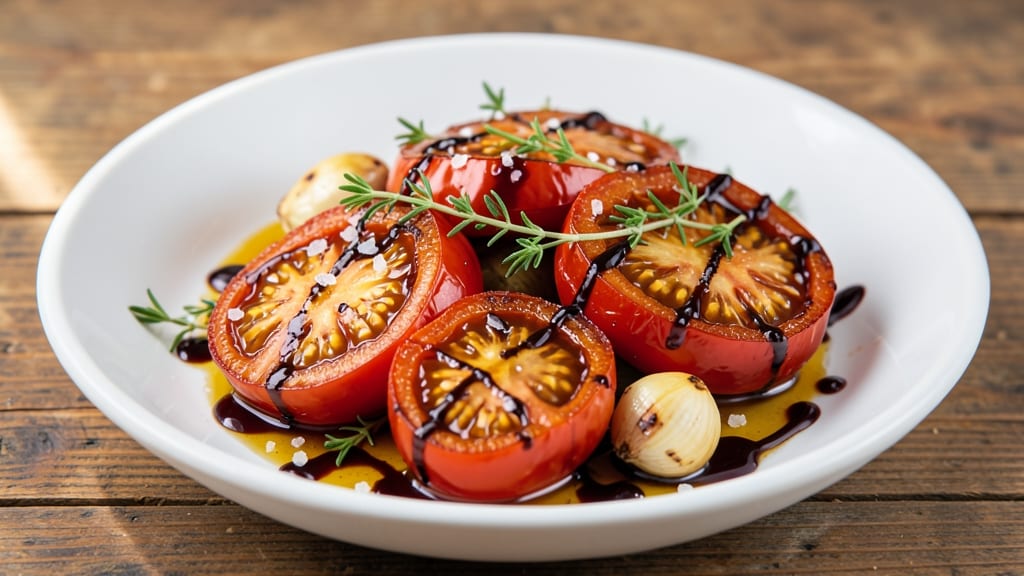
Transforming humble tomatoes into slow-roasted gems with concentrated sweetness and deep umami flavor is one of the simplest ways to elevate any meal. This technique unlocks a level of depth you won't find in fresh tomatoes—perfect for plant-based diets and dishes that demand restaurant-quality sides.
The process is straightforward: halved tomatoes roast until their edges caramelize into golden perfection, while their centers burst with intensified flavor.
What makes this recipe truly professional is its versatility—these tomatoes work as a side dish, salad topping, or pasta garnish, each time bringing that unmistakable roasted sweetness. The key lies in the slow roasting (450°F for 25-30 minutes) which develops complex caramelized notes while maintaining natural acidity.
No fancy equipment needed—just a baking sheet and patience for results that taste like they came from a gourmet kitchen.
By the time you're done, you'll have tomatoes that are tender yet holding their shape, with edges that practically melt in your mouth and a flavor so concentrated it transforms simple dishes into something extraordinary.
The best part? This method works with any tomato variety—roma, heirloom, or vine-ripened—making it adaptable to whatever you have on hand.
Serve them warm over crusty bread with balsamic glaze, tossed into grain bowls, or as a topping for bruschetta. The possibilities are endless, and the technique is foolproof once you understand the timing. Let's get started on creating this flavor-packed side that will become a staple in your kitchen.
Ingredients for slow roasted tomatoes
Nine simple ingredients transform ordinary tomatoes into restaurant-quality roasted gems.
| Ingredient | Amount | Notes |
|---|---|---|
| Roma Tomatoes 🍅 | 1 ½ lb | Heirloom or vine-ripened preferred |
| Extra-Virgin Olive Oil 🫒 | 2 tbsp | High quality, fruity variety |
| Garlic Cloves 🧄 | 4 cloves | Peeled, thinly sliced |
| Fresh Thyme Leaves 🌿 | ¼ cup | Chopped, stems removed |
| Balsamic Vinegar 🍷 | 1 tbsp | Aged for depth of flavor |
| Sea Salt 🧂 | 1 tsp | Diamond Crystal preferred |
| Black Pepper 🌶️ | ½ tsp | Freshly cracked |
| Smoked Paprika 🌶️ | ½ tsp | For subtle smokiness |
| Fresh Basil Leaves 🌿 | ⅛ cup | Chopped, for garnish |
| Crusty Bread 🍞 | 4 slices | For serving, optional |
| Red Wine Vinegar 🍷 | 1 tsp | Brightens flavor |
The tomatoes are the star—Roma holds up best during roasting, but heirlooms or vine-ripened work beautifully too. Grab them at Whole Foods or your local farmers market for peak flavor. Look for tomatoes that are firm but yielding—they should give slightly when gently squeezed. Halving them before roasting ensures even cooking and maximum caramelization. The extra-virgin olive oil is non-negotiable here—use something you'd drizzle on bread, like California Olive Ranch or Colavita varieties, for that fruity depth.
No fresh thyme? Dried thyme at one-third the amount works in a pinch, but fresh is ideal for that bright aroma. Short on balsamic? Red wine vinegar plus a pinch of sugar mimics the depth. The smoked paprika adds a subtle complexity—Penzeys has excellent options if you're stocking up. For a smokier profile, swap in liquid smoke at one-quarter teaspoon. The garlic should be freshly peeled and thinly sliced—pre-minced garlic lacks the same punch. If you're prepping ahead, store the halved tomatoes in a single layer on a tray before refrigerating to prevent sogginess.
Roasted tomatoes keep their best flavor when served immediately, but they reheat beautifully—just 5 minutes at 350°F to restore their warmth. Store leftovers in an airtight container for 4 days in the fridge, or freeze for up to 3 months in a single layer before transferring to a bag. I always make extra to toss into grain bowls or pasta the next day. The crusty bread should be toasted fresh—Bocce or Ciabatta from the bakery section works perfectly for soaking up the roasted juices.
Why You'll Love This Recipe
- Five-Ingredient Magic: I swear by this recipe—just tomatoes, olive oil, garlic, thyme, and balsamic. That’s it. No cluttered grocery lists, no last-minute ingredient hunts. The simplicity is what makes it my go-to when I’m too tired to overthink dinner.
- Sweet-Savory Bliss: The slow roast pulls out all the flavors—caramelized edges with that deep, jammy sweetness, then a bright punch of garlic and thyme. Drizzle in the balsamic at the end, and suddenly, you’ve got something that tastes like a fancy appetizer, not just tomatoes on a tray.
- Meal Prep Hero: I make a big batch on Sundays because these tomatoes keep beautifully for days. Toss them into pasta, spread them on toast, or mix them into grain bowls—every time, they bring the dish. (Yes, even on a Tuesday night when I’m too tired to cook.)
- Budget-Friendly Luxury: Roma tomatoes are cheap, and a little olive oil and vinegar stretch far. You’re getting restaurant-quality flavor without the price tag. Honestly, it’s the kind of dish that makes me feel like I’m feeding a crowd without breaking the bank.
Step-by-step instructions for slow roasted tomatoes
Transform simple tomatoes into a deeply flavorful centerpiece with this hands-off technique.
Prep the Tomatoes for Maximum Flavor
Preheat your oven to 425°F while you prepare the tomatoes. Cut the 1.5 lb Roma tomatoes in half horizontally, creating two halves per tomato. You'll end up with about 12-15 halves depending on size. Remove the cores and any seeds, then place them cut-side up on a sheet pan lined with parchment paper.
Drizzle each tomato half with 1 tablespoon of the extra-virgin olive oil, spreading it evenly over the exposed flesh. This creates a barrier that prevents the tomatoes from drying out during roasting. Here's the thing—using high-quality extra-virgin olive oil makes all the difference. The fruity notes will caramelize beautifully, adding depth to the final dish.
Season and Roast Until Deeply Caramelized
Sprinkle the tomato halves with 1 teaspoon sea salt, 0.5 teaspoon black pepper, 0.5 teaspoon smoked paprika, and 0.25 cup chopped fresh thyme leaves. Toss gently to distribute the seasonings evenly. The smoked paprika adds subtle complexity, while the thyme brings an earthy aroma that pairs perfectly with the tomatoes.
Roast for 25-30 minutes until the tomatoes are deeply caramelized and the edges are wrinkled. You'll know they're ready when they've collapsed slightly and developed a rich, golden-brown color. Real talk: don't peek too often—the oven heat escapes every time you open the door, and you want that consistent, even roasting. If your oven runs hot, start checking at the 20-minute mark to avoid over-roasting.
Build the Umami-Packed Sauce
While the tomatoes roast, prepare the aromatics. In a small skillet, heat 1 tablespoon extra-virgin olive oil over medium heat. Add the 4 cloves sliced garlic cloves and sauté for 30 seconds until fragrant but not browned. Here's where it gets fun—add 1 tablespoon balsamic vinegar and 1 teaspoon red wine vinegar, letting them simmer together for 2 minutes to create a glossy reduction.
Once the tomatoes are roasted, transfer them to a blender or food processor. Add the garlic-vinegar mixture and pulse until smooth. You're aiming for a velvety texture with just a few small tomato pieces remaining for texture contrast. If the sauce is too thick, add 1-2 tablespoons water to reach your desired consistency. The balsamic and red wine vinegars work together to brighten the natural sweetness of the tomatoes while adding that sought-after umami depth.
Finish and Serve with Fresh Herbs
Return the tomato sauce to the skillet and simmer gently for 5 minutes to meld all the flavors. Taste and adjust seasoning—you might need a touch more salt or pepper to balance the sweetness. The sauce should be vibrant and glossy, with a perfect harmony of caramelized tomato, smoky paprika, and herbal notes.
Stir in the 0.125 cup chopped fresh basil leaves just before serving. This final step adds a bright, fresh contrast to the rich, roasted flavors. Serve immediately with 4 slices crusty bread for dipping, or use as a base for bruschetta, pasta, or as a topping for grilled meats. The sauce will keep in the refrigerator for up to 5 days, making it perfect for meal prep.
Pro Tips For Making Slow Roasted Tomatoes
- HALVE THOSE TOMATOES: I learned this the hard way—whole Roma tomatoes take forever to soften and caramelize. Cut them in half lengthwise (not crosswise) so the flesh cooks evenly and releases flavor faster. Yes, it’s a little more work upfront, but the result is jammy, not mushy.
- USE A COLD PAN: Start your tomatoes in a cold, dry skinned pan. Let the olive oil heat slowly while the tomatoes release their juices—this prevents splattering and ensures even cooking. I used to rush this, and my thyme leaves would burn before the tomatoes softened.
- SALT THE GARLIC: Toss your minced garlic cloves with a pinch of salt before adding them to the pan. This keeps them from sticking and burning while amplifying their flavor. (I know, it sounds odd, but it actually changes the outcome.)
- BASTE WITH BALSAMIC: After the tomatoes have roasted for 20 minutes, pull the pan off heat and spoon the balsamic vinegar over them, letting it sizzle for 30 seconds. Repeat once more—this locks in sweetness and deepens the color. (Your future self will thank you.)
Essential equipment for perfect results
Baking Sheet Essentials
Your rimmed baking sheet is the workhorse here—I recommend a half-sheet pan (13x18 inches) from Nordic Ware for even heat distribution. Line it with parchment paper to prevent sticking and make cleanup effortless.
The key is using a sheet that fits snugly in your oven to avoid hot spots. I've tried cheaper pans, but they warp under high heat and ruin the caramelization process. 🔥
Oven Thermometer
Ovens vary wildly in accuracy, so I always use a digital oven thermometer like the Thermoworks Oven Thermometer to confirm your oven hits 425°F. Many ovens run 25-50°F hotter or cooler than set, which can drastically affect roasting time.
Place the probe near the tomatoes during roasting to monitor temperature fluctuations. This small investment ensures consistent, professional results every time.
Parchment Paper
Never skip the parchment paper—it creates a non-stick surface that prevents the tomatoes from sticking to the pan while allowing excess liquid to drain away. I use unbleached parchment paper from If You Care because it's free from chemicals that could impart off-flavors.
Cut the paper to fit your baking sheet with 1-inch overhangs on all sides for easy transfer. This also makes it simple to slide the tomatoes onto serving platters.
Blender or Food Processor
For the sauce, you'll need either a high-speed blender like the Vitamix or a food processor with a sharp blade. A regular blender won't create that velvety texture—you want to see just a few small tomato pieces remaining for texture.
If you're making this frequently, consider a Ninja BN601 for its powerful motor and easy cleanup. The smoother the sauce, the more professional the final presentation will look. ✨
Measuring Spoons
Precision matters with small ingredients like smoked paprika and balsamic vinegar. Use stainless steel measuring spoons from OXO Good Grips for accuracy—plastic spoons can wear down and give inconsistent measurements.
I measure the paprika first, then the vinegars, to avoid cross-contamination between spices and liquids. This attention to detail ensures balanced flavors in every bite.
Tongs for Handling
Use heat-resistant silicone tongs to transfer the roasted tomatoes to your serving dish. I prefer OXO Good Grips silicone tongs because they grip securely without crushing the delicate tomatoes. The silicone coating also protects your countertops from hot pans.
For the sauce, a heatproof spatula works best to scrape up every last bit of flavor from the skillet. 💡
Nutrition facts
Frequently asked questions
Can I use any tomato variety for slow roasting?
Roma tomatoes are ideal because they hold their shape during roasting, but heirloom or vine-ripened varieties work beautifully too. Avoid overripe or watery tomatoes—they won't caramelize properly. Look for firm, vibrant tomatoes with minimal blemishes for the best results.
How do I prevent my tomatoes from burning?
Roast at 425°F and avoid opening the oven door too often—heat escapes each time, causing uneven cooking. Use a digital oven thermometer to confirm accuracy, as many ovens run hot or cold. If your tomatoes brown too quickly, reduce heat to 400°F and roast for 35-40 minutes.
What are the best ways to use leftover roasted tomatoes?
Blend them into pasta sauces, toss with grains like quinoa or farro, or spread on toast with fresh mozzarella. They also make a fantastic topping for vegan lasagna or stuffed peppers. Store leftovers in an airtight container for 4 days or freeze for 3 months.
Can I make this recipe ahead of time?
Roast the tomatoes 1 day ahead and store them in the fridge. Reheat in a skillet for 5 minutes before serving. For the sauce, make it 2 days ahead—it develops deeper flavor over time. Just add fresh basil before serving to keep it vibrant.
Why does my sauce turn out watery?
Tomatoes release moisture during roasting. To thicken the sauce, simmer it uncovered for 5-10 minutes or stir in 1 teaspoon cornstarch mixed with 1 tablespoon water. If using a blender, pulse in 15-second bursts to control texture. The sauce should coat the back of a spoon but remain pourable.