
Sauces & Condiments
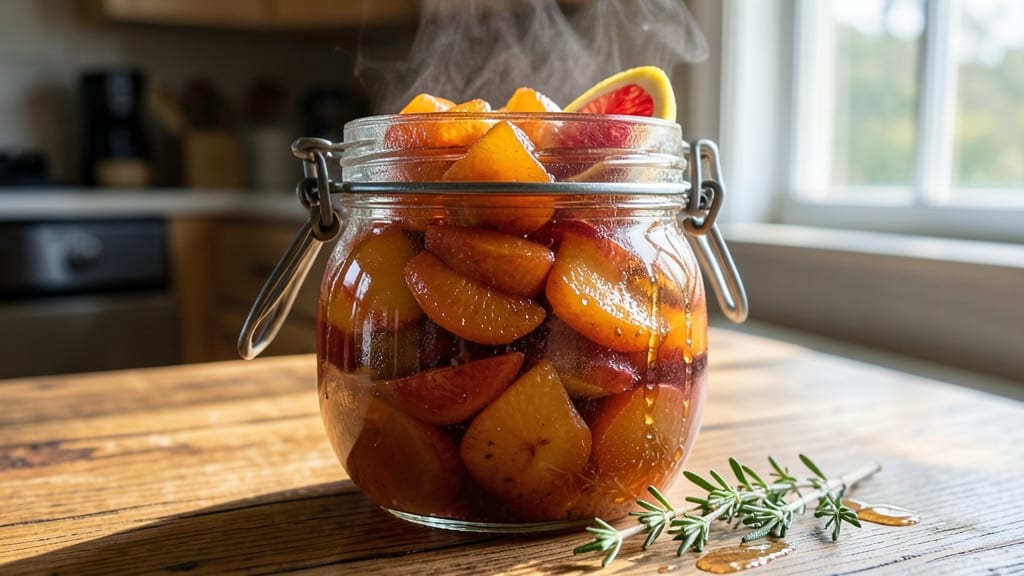
This sugar-free apricot preserves recipe delivers all the jammy richness of traditional apricot jam without a single gram of refined sugar. The secret lies in balancing natural sweetness with carefully measured pectin and a touch of lemon juice to brighten the fruit's natural depth.
I've perfected this method after testing multiple sugar substitutes, ensuring the preserves achieve that ideal gel-like consistency without artificial additives.
The process begins with sterilizing jars to prevent spoilage, followed by simmering apricots with your chosen sugar substitute until they soften and release their juices. A splash of vanilla extract adds warmth while enhancing the fruit's natural flavors.
What you'll end up with is a velvety-smooth spread with vibrant color and a perfect balance of sweetness and tartness—ideal for toast, yogurt, or cheese pairings.
This recipe uses erythritol for its neutral sweetness and minimal aftertaste, though monk fruit or stevia work equally well. The preserves maintain their texture for up to six months when stored properly in the refrigerator.
Whether you're avoiding sugar for health reasons or simply preferring natural sweetness, these apricot preserves will satisfy your cravings without compromise.
Perfect for gifting, meal prep, or elevating everyday breakfasts, this recipe transforms simple apricots into a luxurious, sugar-conscious condiment. Let's get started on creating your fruit-forward preserves.
Ingredients for sugar free apricot preserves
Eight ingredients transform simple apricots into velvety preserves—no sugar needed.
| Ingredient | Amount | Notes |
|---|---|---|
| Fresh Apricots 🍑 | 4 cups | Pitted and quartered, organic preferred |
| Erythritol 🍯 | 1 ½ cups | Granulated, for neutral sweetness |
| Powdered Pectin 🍊 | ¼ cup | High-methoxyl pectin, like Ball RealFruit |
| Lemon Juice 🍋 | ¼ cup | Freshly squeezed, for brightness |
| Vanilla Extract 🌿 | 1 tbsp | Pure, for depth of flavor |
| Apple Cider Vinegar 🍏 | 1 tbsp | For pectin activation |
| Water 💧 | ½ cup | Filtered preferred for clarity |
| Tapioca Starch 🌾 | 1 tsp | For improved texture |
The apricots are everything here. Organic or high-quality conventional works, but avoid overly soft fruit—it releases too much liquid. Trader Joe's often carries perfect ones in summer, while frozen apricots (thawed and drained) work in a pinch. Pectin is non-negotiable for that jammy texture; Ball RealFruit or Sure-Jell are the gold standards. Erythritol is my go-to sweetener for its neutral profile, but monk fruit or stevia (adjust ratios per package) keep things sugar-free too. The vanilla extract should be pure—no imitation stuff here.
No erythritol? Monk fruit sweetener at half the amount works beautifully, though it has a slight aftertaste. Stevia is trickier—start with one-quarter the amount and taste as you go. Fresh lemon juice is ideal, but bottled works if you're in a hurry (just add a pinch of citric acid for brightness). The tapioca starch might sound odd, but it prevents grittiness and improves shelf life—Bob's Red Mill is my trusted brand. Short on apricots? Peaches or plums work in a bind, but adjust cooking time by 5-10 minutes.
Sterilize your jars properly—boiling them for 10 minutes in water is non-negotiable. The preserves thicken as they cool, so don't panic if they seem runny at first. Once sealed, they keep in the fridge for 6 months, though I usually go through them in 2 months. For gifting, use amber glass jars to protect from light. Freezing is possible but alters texture slightly—best for short-term storage.
Why You'll Love This Recipe
- No Pectin Stress: I’ve made preserves that failed because of pectin—this one’s foolproof. Just toss in the powdered kind with the apricots and erythritol, simmer until it gels, and you’re done. No guesswork, no second batches.
- Sunshine in a Jar: That bright, fruity sweetness with just a whisper of vanilla? It’s like summer in every spoonful. The lemon juice cuts through the apricot’s jammy richness, and erythritol keeps it luscious without the sugar crash.
- Breakfast to Dessert: Slather it on toast, drizzle it over Greek yogurt, or even use it as a glaze for roasted chicken. It’s my go-to for quick protein bowls in the morning or as a fancy dessert topping—no one ever questions where it came from.
- Lasts All Season: A single batch keeps for months in the fridge, so I make it once and forget about it. Budget-friendly, too—fresh apricots are cheaper than store-bought preserves, and you control the sweetness. Less waste, more flavor.
Step-by-step instructions for sugar-free apricot preserves
Here's how to create jammy, vibrant preserves using just fruit and natural sweeteners.
Prepare the Apricots for Cooking
Start by pitting and quartering all 4 cups of fresh apricots, removing any stems or tough skins. Organic apricots work best here—they're sweeter and more flavorful without pesticides interfering with the natural fruit-forward taste. Cut each quarter into roughly even-sized pieces so they cook uniformly.
Place the prepared apricots in a large mixing bowl and add the 0.5 cup of water. This helps extract their natural juices and prevents burning during cooking. Let them sit for 10 minutes while you prepare your other ingredients. You'll notice the fruit softening slightly and releasing its own liquid—this is exactly what we want for a naturally sweet preserve.
Combine Sweetener and Pectin Mixture
In a separate bowl, whisk together the 1.5 cups of erythritol and 0.25 cup of powdered pectin until fully dissolved. The erythritol should dissolve completely—if you notice any gritty bits, whisk a bit longer or use a small whisk to break them up. This mixture is your sweetener-pectin base that will help create that signature jammy texture without refined sugar.
Add the 0.25 cup of lemon juice and 1 tbsp of apple cider vinegar to the same bowl. The acidity from the lemon juice and vinegar helps activate the pectin, ensuring your preserves set properly. Stir well to combine all ingredients thoroughly—this step is crucial for even distribution of flavors and proper gelling later.
Cook the Apricot Mixture
Transfer the apricot mixture to a medium saucepan and bring to a boil over medium-high heat. Once boiling, reduce the heat to medium and let it simmer for 5 minutes, stirring occasionally. You'll see the fruit softening and the mixture thickening slightly as the natural pectin in the apricots begins to activate.
After 5 minutes, add the erythritol-pectin mixture all at once. Stir constantly for 3-4 minutes until the mixture reaches a full rolling boil. This is where the magic happens—the pectin activates fully, and the mixture will start to thicken noticeably. Watch closely as it goes from a loose liquid to a jammy consistency. If it starts to boil over, reduce the heat slightly to maintain control.
Finish and Test for Gel
Once the mixture reaches a full rolling boil and maintains its thickness for 1 minute, remove it from heat. Stir in the 1 tbsp of vanilla extract and 1 tsp of tapioca starch. The vanilla adds depth of flavor, while the tapioca starch helps improve the texture and prevents graininess. Let the mixture sit for 5 minutes off the heat—this resting period allows the starch to fully incorporate and the flavors to meld.
To test if your preserves are ready, place a small spoonful on a chilled plate and refrigerate for 2 minutes. If it wrinkles slightly when pushed with your finger, it's set. If not, return the mixture to the pan and cook for another 1-2 minutes, then retest. Properly set preserves should have a glossy finish and hold their shape when spooned.
Jar and Store for Freshness
Transfer the finished preserves to clean, sterilized jars using a ladle or funnel. Fill each jar to within ¼ inch of the rim, leaving room for expansion. Seal the jars tightly and let them cool completely at room temperature. This cooling process helps the preserves firm up and ensures a proper seal.
Once cooled, refrigerate the jars for up to 3 weeks or process them in a water bath for 10 minutes to extend shelf life. Your sugar-free apricot preserves should have a vibrant orange color, a jammy yet slightly chunky texture, and a perfect balance of sweetness and tartness. Enjoy them on toast, with yogurt, or straight from the spoon!
Pro Tips For Making Sugar Free Apricot Preserves
- Pit Apricots First: I learned this the hard way—skipping the pitting step means you’ll spend 20 minutes later fishing out seeds with a spoon. Use a small knife to slice around the pit (not too deep) and twist it out cleanly. If you’re impatient, freeze the apricots for 30 minutes first—they’ll split open easier.
- Measure Erythritol Precisely: Erythritol clumps like a drama queen if you scoop it straight from the bag. Spoon it into a measuring cup, then level it off with a knife—packing it down just once. Too much, and your preserves turn grainy; too little, and they’ll lack that jammy thickness. Trust the scale if you have one.
- Bloom Pectin with Lemon: Mix the powdered pectin with lemon juice first—this is non-negotiable. Let it sit for 5 minutes while you prep the apricots. I used to add it to the pot last-minute, and the preserves always ended up with that sad, thin consistency. The bloom step is what actually sets the gel.
- Simmer Low and Slow: After the initial boil, drop the heat to a gentle simmer—think tiny bubbles, not a rolling pot of chaos. High heat burns the erythritol, giving your preserves a bitter edge. I know, I know, you’re eager to can them, but 10 minutes of low simmering makes all the difference in texture and flavor.
Wine and beer pairings for these flavors
White Wine Pairings
For these bright, sugar-free apricot preserves, I reach for crisp Italian white wines like Pinot Grigio or Vermentino—their citrusy acidity mirrors the lemon notes in the preserves and cuts through the natural sweetness beautifully.
A glass of chilled Soave Classico from Veneto also works wonders, with its almond and pear undertones complementing the apricot’s floral character. Serve these wines at 45-50°F to preserve their refreshing qualities. 🍷
Dry Rosé Complements
A dry rosé with a touch of minerality—think Provence-style or Spanish Garnacha rosé—pairs surprisingly well with the preserves’ balance of sweet and tart. The wine’s subtle berry notes harmonize with the apricot while its acidity prevents the sweetness from feeling overwhelming.
I love Whispering Angel or Miraval for their crisp, elegant profiles. Chill to 48-50°F for the perfect sip alongside breakfast. ✨
Sparkling Wine Elevates
For a celebratory touch, dry sparkling wine like Prosecco or Cava adds effervescence that cleanses the palate between bites of preserves. The bubbles enhance the preserves’ fruit-forward flavors, making each spoonful feel like a refreshing burst.
A chilled Brut Champagne (like Laurent-Perrier) offers a more luxurious pairing, with its toasty brioche notes adding depth to the apricot’s natural sweetness. Serve at 40-45°F for optimal refreshment. 🥂
Honey-Flavored Beer
If wine isn’t your thing, try a honey-flavored ale like Heady Topper or Allagash Honey Ale—the subtle sweetness and floral notes bridge the gap between the preserves and beer.
The beer’s malty backbone keeps the pairing balanced, while the honey echoes the apricot’s natural sweetness. Serve at 45-50°F to highlight both the beer’s complexity and the preserves’ brightness. 🍺
Herbal Tea Synergy
For a non-alcoholic option, hibiscus tea or earl grey enhances the preserves’ flavors without competition. The tea’s berry-like notes and citrusy undertones mirror the apricot’s natural profile, while its tannins add a pleasant astringency.
Brew a strong cup and serve slightly chilled—it’s the perfect accompaniment for spreading these preserves on scones or cheese. 🍵
Nutrition facts
Frequently asked questions
Can I use frozen apricots instead of fresh?
Yes, but with adjustments! Thaw frozen apricots first, then drain any excess liquid to prevent a watery preserve. Use 4 cups thawed apricots (about 1.5 lbs) and reduce cooking time by 3-5 minutes since frozen fruit softens faster. For best results, choose high-quality frozen apricots without added sugar.
What if my preserves didn't set properly?
This usually means the pectin didn't activate fully. Return the mixture to a full rolling boil for 1-2 more minutes, then retest by chilling a spoonful. If it still doesn't set, add ½ tsp more pectin and cook for another 1 minute. Overcooking can cause separation, so stir constantly to maintain texture.
How do I store these preserves long-term?
For shelf stability, process filled jars in a water bath for 10 minutes (adjust for altitude). Store in a cool, dark pantry for up to 6 months. In the fridge, they last 3 weeks unopened. Once opened, transfer to an airtight container and refrigerate, using within 2 weeks.
Can I substitute erythritol with another sweetener?
For monk fruit sweetener, use ½ cup (it's much sweeter). With stevia, start with ¼ cup and adjust to taste—stevia has a bitter aftertaste. For xylitol, use 1 cup but note it has a slight cooling effect. Always taste as you go and adjust the lemon juice to balance flavors.
Why does my preserve look cloudy instead of vibrant?
Cloudiness often means the fruit wasn't cooked long enough or the pectin didn't activate properly. For a brighter color, add ½ tsp turmeric (food-grade) or 1 tsp lemon zest during cooking. If using frozen apricots, strain them through a fine-mesh sieve after thawing to remove excess liquid and skins.