
Desserts
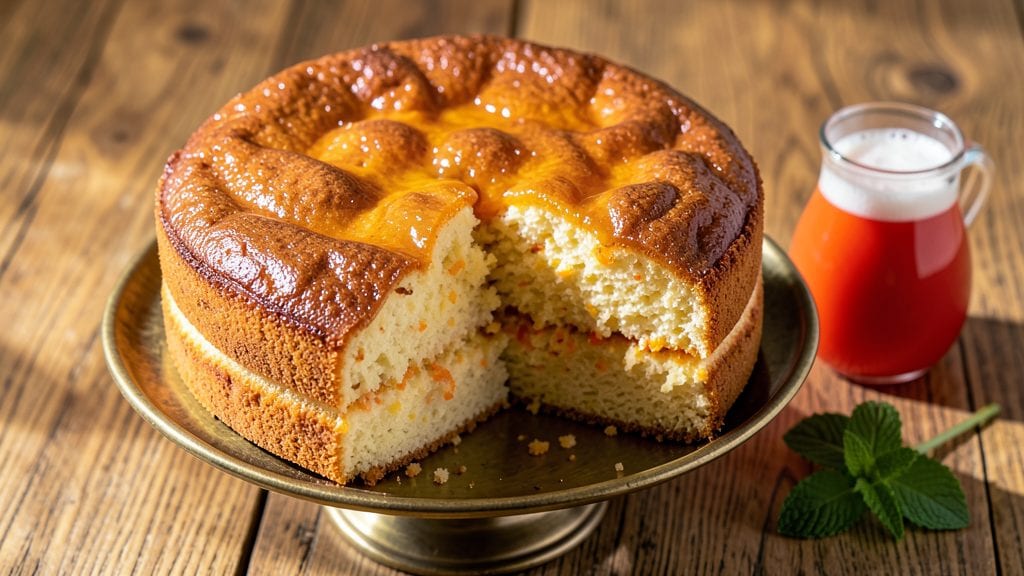
This Sundrop pound cake recipe delivers the perfect balance of citrusy brightness and tender crumb—exactly what makes this classic dessert stand out. The secret lies in the right blend of citrus zest and juice, which infuses every bite with that signature Sundrop tang without overpowering the cake's buttery richness.
After years of perfecting this recipe, I've cracked the code for a moist interior, golden crust, and just the right amount of citrus punch.
What makes this recipe truly special is its simplicity—just a handful of ingredients come together to create a cake that tastes like a bakery favorite. The key technique is folding citrus zest and juice into the batter at the right moment, ensuring even distribution without making the cake too dense.
Baking at the proper temperature guarantees a tender crumb and that coveted golden crust that's crisp enough to hold its shape but soft enough to crumble slightly.
By the time you pull this cake from the oven, you'll have a dessert that's visually stunning with its golden hue and subtle citrus aroma.
The texture is perfectly moist, with just enough structure to hold slices neatly, while the flavor delivers that bright, refreshing Sundrop citrus note that keeps it interesting. It's the kind of cake that feels special enough for company but simple enough for a weeknight treat.
Serve it warm with a dusting of powdered sugar or a drizzle of citrus glaze for extra flair. This recipe scales beautifully, so you can make it for a crowd or save leftovers for days—they reheat perfectly. Let's get baking!
Ingredients for sundrop pound cake
Golden butter, citrus zest, and tender crumb—this cake needs just twelve ingredients for bakery-perfect results.
| Ingredient | Amount | Notes |
|---|---|---|
| Unsalted Butter 🧈 | 1 lb | Cold, cubed for creaming |
| Granulated Sugar 🍚 | 2 cups | Superfine preferred for smoothness |
| Orange Zest 🍊 | 2 tbsp | Fresh, finely grated |
| Orange Juice 🍊 | ½ cup | Freshly squeezed, no pulp |
| Large Eggs 🥚 | 4 whole | Room temperature preferred |
| All-Purpose Flour 🌾 | 2 ½ cups | Sifted, standard 5% protein |
| Powdered Sugar 🍚 | ¼ cup | For dusting or glaze |
| Baking Powder 🍞 | 1 tbsp | Aluminum-free preferred |
| Salt 🧂 | ½ tsp | Fine sea salt |
| Vanilla Extract 🌸 | 1 tbsp | Pure, high-quality preferred |
| Milk 🥛 | ½ cup | Whole milk preferred |
| Lemon Zest 🍋 | 1 tbsp | Fresh, finely grated |
The butter is non-negotiable here—European-style or cultured butter delivers the richest flavor and best crumb. Plugrá or Land O'Lakes European Style are my go-tos, but any high-fat butter (82% or higher) works. Keep it cold when creaming to avoid graininess—pop it in the freezer for 15 minutes if your kitchen runs warm. For the citrus, Navel or Valencia oranges give the brightest flavor, but any fresh juice will do. Zest only the colored portion—white pith is bitter. The eggs should be at room temperature for even mixing, but don't stress if they're cold; just let them sit out for 30 minutes before using.
No superfine sugar? Pulse granulated sugar in a food processor for 30 seconds—it'll work in a pinch. Swapping citrus? Grapefruit zest and juice adds depth, while lime keeps things bright but less sweet. For a dairy-free option, unsweetened almond milk replaces whole milk, though the texture may be slightly denser. The vanilla extract matters—Heinz Pure or Nielsen-Massey are reliable brands. If you're gluten-sensitive, swap the all-purpose flour for a 1:1 gluten-free baking flour blend, but expect a slightly denser crumb. And for the baking powder, Diamond Crystal
This cake keeps beautifully—3-4 days at room temperature wrapped in plastic, or up to 1 week refrigerated. For longer storage, freeze slices wrapped individually for up to 3 monthspowdered sugar and orange juice. For a crowd, bake in two 9-inch pans—just reduce the baking time by 5-10 minutes.
Why You'll Love This Recipe
- No Mixer Needed: I’ll be real—this cake only asks for a bowl and a whisk. Cream butter and sugar until light, fold in eggs and citrus, then bake. That’s it. No stand mixer, no stress, just hands-on simplicity that still delivers a tender crumb.
- Citrus Magic: The orange zest and juice don’t just flavor—they transform it. You get that bright, sun-kissed sweetness cutting through the buttery richness, like a summer breeze in every bite. Honestly, it’s the kind of flavor that makes you reach for seconds without even thinking.
- Weekend or Weeknight: Slice it warm with tea for a lazy Sunday, or pack it for lunch the next day. The texture holds up beautifully—no soggy middle here. And between us? It’s the star of any brunch spread, but also quietly impressive enough for company.
- Budget-Friendly Luxury: Five ingredients, one bowl, and zero waste. That rich butter-orange combo feels indulgent, but the cost adds up fast. I’ve made this for birthdays, showers, and just-because treats—always a hit, always affordable. Leftovers? They’re the best kind.
Step-by-step instructions for Sundrop pound cake
Master this classic citrus pound cake with a tender crumb and fragrant orange-lemon zest throughout.
Cream Butter and Sugars to Light and Fluffy
In a stand mixer fitted with the paddle attachment, beat the 1 lb of cold, cubed unsalted butter with the 2 cups of granulated sugar on medium speed for 5-7 minutes. You're looking for a light, pale yellow mixture that's increased in volume by nearly 50% and feels airy when you press it between your fingers. This creaming process incorporates air, which creates that signature tender crumb.
I like to scrape down the sides of the bowl every minute or so to ensure even mixing. The butter should be completely smooth with no visible lumps, and the mixture should feel cool to the touch. If it starts to look grainy, that's a sign it's overheating—reduce the speed to low for 30 seconds to let it cool slightly before continuing.
Add Eggs and Citrus Components
Add the 4 whole large eggs, one at a time, mixing well after each addition. After the last egg is incorporated, add the 0.5 cup of orange juice, 2 tbsp of orange zest, 1 tbsp of lemon zest, and 1 tbsp of vanilla extract. Mix on low speed just until combined—about 30 seconds—to avoid overmixing the eggs.
The citrus zest and juice will add vibrant color and bright, aromatic flavor throughout the cake. I find that using freshly grated zest makes a noticeable difference in the final product. At this point, your batter should be smooth and slightly thick, with visible citrus flecks distributed evenly.
Combine Dry Ingredients and Milk
In a separate bowl, whisk together the 2.5 cups of all-purpose flour, 1 tbsp of baking powder, 0.5 tsp of salt, and 0.25 cup of powdered sugar. Sift the dry ingredients together to remove any lumps and ensure even distribution. With the mixer on low speed, gradually add the dry mixture to the wet ingredients, alternating with the 0.5 cup of milk, beginning and ending with the dry ingredients.
Mix just until the flour is incorporated and no dry streaks remain. Overmixing can develop gluten, resulting in a tougher cake. The batter should be smooth and thick enough to hold its shape when dropped from a spoon. If it's too stiff, you can add an extra tablespoon of milk to loosen it slightly.
Prepare the Cake Pan and Bake
Preheat your oven to 350°F and grease a 10x6-inch loaf pan thoroughly with butter, then dust it with flour or line it with parchment paper. Pour the batter into the prepared pan and smooth the top with a spatula. Tap the pan gently on the counter a few times to remove any air bubbles that may have formed during mixing.
Bake for 50-60 minutes, or until a toothpick inserted into the center comes out clean. The cake is done when the top springs back gently when pressed and the edges pull away slightly from the pan. I usually check for doneness at the 45-minute mark—every oven runs slightly differently, so start checking a few minutes early.
Cool and Serve
Remove the cake from the oven and let it cool in the pan for 10 minutes. Then, transfer it to a wire rack to cool completely. This cooling period is crucial for the cake to set properly and develop its full flavor. Once fully cooled, you can dust the top with an additional 1-2 tbsp of powdered sugar if desired, though the cake is delicious as-is.
The finished cake should have a golden crust with a tender, moist interior infused with bright citrus notes. Slice it into 12 equal servings and enjoy with a cup of tea or coffee. The citrus flavors will shine most vividly when the cake is served at room temperature, allowing the aromas to fully develop.
Pro Tips For Making Sundrop Pound Cake
- Cream Butter Slowly: Mix the butter and sugar at medium speed for at least 3 minutes—until the color lightens to a pale, buttery yellow. I used to rush this, and the cake turned dense. Trust the timer; patience here means a tender crumb.
- Zest Fresh, Juice Strain: Grate orange zest with a fine microplane (not a dull knife) and strain the juice through a fine-mesh sieve to remove pulp. The zest needs to be fine enough to dissolve, and pulp in the juice makes the cake gummy. Yes, it’s extra work, but it’s worth it.
- Room-Temp Eggs Matter: Let eggs sit in warm water for 10 minutes before adding them to the batter—no need to fully dissolve them, just mix until just combined. Cold eggs make the batter curdle, and you’ll see it happen. I learned this after a lumpy disaster.
- Bake Until Springy: Check doneness at 30 minutes—poke the center with a toothpick. If it comes out clean but the cake springs back when pressed, it’s done. Overbaking dries out the cake; underbaking leaves it gummy. Pull it when it’s almost there.
Pro cooking tips for sundrop pound cake
Citrus Zest Timing
Add the orange zest and lemon zest only after the butter-sugar mixture is fully creamed and the eggs are incorporated. This ensures the citrus oils are evenly distributed without curdling the eggs or sinking to the bottom.
I fold them in gently with a spatula at the very end of mixing—just before adding the dry ingredients—to preserve their bright flavor and vibrant color. 🍊
Butter Temperature Control
The butter must be cold but not frozen when you start creaming it. If your kitchen is warm, chill the butter cubes in the freezer for 15 minutes before measuring. This prevents the butter from melting too quickly and keeps the batter light.
I test the temperature by pressing a cube between my fingers—it should dent slightly but not feel greasy. Overly warm butter leads to a dense, greasy cake.
Baking Powder Precision
Use aluminum-free baking powder like Diamond Crystal for reliable leavening. Measure it accurately with a leveling spoon—don't scoop it directly from the can, as it compacts and reduces volume. Too little baking powder results in a flat cake, while too much causes a bitter taste.
I like to sift it with the flour to ensure even distribution throughout the batter. 🌟
Pan Preparation Matters
Grease the 10x6-inch loaf pan thoroughly with butter, then dust it with flour or line it with parchment paper to prevent sticking. I use a pastry brush to apply the butter in an even layer, focusing on the corners where the cake often dries out.
For extra insurance, I lightly butter the parchment paper if using it. A well-prepared pan ensures easy release and a perfectly shaped cake.
Citrus Juice Integration
Add the orange juice gradually while mixing the wet ingredients to avoid over-saturating the batter. I pour it in slowly, about 1 tablespoon at a time, while the mixer is running on low speed.
This helps distribute the liquid evenly without creating pockets. If the batter seems too thin, reduce the juice by 1 tablespoon—the citrus zest provides enough moisture on its own.
Oven Calibration Check
Before baking, verify your oven's accuracy with an oven thermometer. Many home ovens run hot or cold, which can drastically affect baking time. I place the thermometer in the center rack while preheating and adjust the oven temperature if needed.
For this recipe, aim for a true 350°F—even a 10°F difference can make the cake dry or underbaked. 🔥
Nutrition facts
Frequently asked questions
Can I substitute store-bought citrus syrup for fresh orange juice and zest?
Fresh citrus zest and juice make all the difference in this recipe! Store-bought syrups often contain added sugars or preservatives that can alter the cake's texture and flavor. For the best results, stick with freshly squeezed orange juice and finely grated zest. If you're short on time, you can use 3 tablespoons of orange juice concentrate (diluted with water) plus 1 tablespoon extra zest, but the flavor won't be as bright.
Why did my cake turn out dense instead of tender?
A dense cake usually means one of three things: overmixing the batter (especially after adding flour), using warm butter, or overbaking. Make sure to mix just until combined after adding the dry ingredients, keep your butter cold but not frozen, and check for doneness with a toothpick at 45 minutes. If your kitchen is warm, chill the batter for 15 minutes before baking to help it rise properly.
How can I make this cake gluten-free?
Replace the all-purpose flour with a 1:1 gluten-free baking flour blend like Bob's Red Mill or King Arthur. You may need to add ½ teaspoon of xanthan gum to improve texture. Also, reduce the milk by 2 tablespoons since gluten-free flours absorb more liquid. Keep in mind the crumb will be slightly denser, but the citrus flavor will still shine through.
Can I bake this in a different pan size?
Yes, but you'll need to adjust the baking time. For an 8x8-inch square pan, bake for 35-40 minutes at 350°F, and for a 9x5-inch loaf pan, bake for 55-65 minutes. Always use an oven thermometer to ensure accuracy. The cake is done when a toothpick comes out clean. Remember to grease and flour your new pan thoroughly to prevent sticking.
How do I store leftovers to keep them fresh?
Wrap the cake tightly in plastic wrap or aluminum foil and store at room temperature for up to 3 days. For longer storage, refrigerate for up to 1 week or freeze slices individually for up to 3 months. To revive stale slices, warm them at 300°F for 5 minutes. The citrus flavors actually deepen over time, making it taste even better the next day!