
Soups & Stews
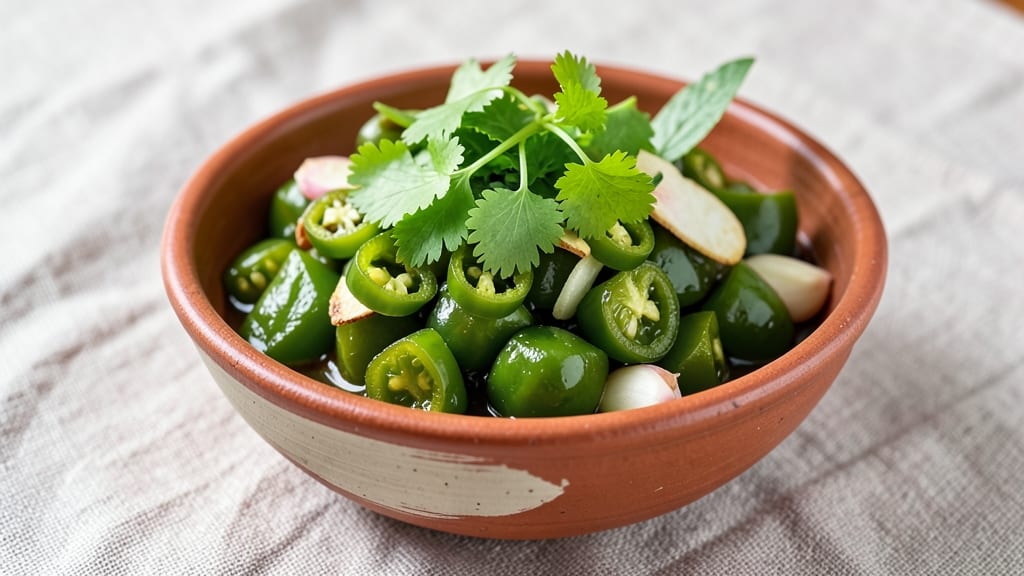
This unripe tomato chutney recipe transforms tart green tomatoes into a vibrant, tangy condiment that adds a fresh herb zing to any meal. The perfect balance of spicy green chilies, aromatic ginger, and earthy mustard seeds creates a versatile sauce that elevates dosas, idlis, and sandwiches with its bold flavors.
I've refined this traditional recipe over years of testing to ensure the ideal texture—smooth yet slightly textured, with just the right amount of heat to wake up your palate.
The foundation of this chutney lies in its tempering process, where mustard seeds, curry leaves, and turmeric bloom in hot oil to release their full aroma. Unripe tomatoes lend a bright acidity that cuts through richness, while ginger and garlic add depth.
The result is a condiment that stays fresh-tasting for up to two weeks when refrigerated, making it ideal for meal prep and gifting. What makes this recipe truly special is how it transforms simple ingredients into something extraordinary with minimal effort.
What you'll end up with is a vibrant green chutney that's tangy, slightly sweet, and packed with herbal notes from fresh cilantro and mint. The spices—black pepper, cumin, and coriander—layer complexity without overpowering, creating a condiment that's as versatile as it is delicious.
Whether you're pairing it with crispy dosas, soft idlis, or a simple grilled sandwich, this chutney brings a restaurant-quality zing to every bite.
For best results, use firm unripe tomatoes and freshly ground spices for maximum flavor. This chutney works equally well as a dip, spread, or sauce, and its bright acidity makes it perfect for balancing rich dishes. Let's create this vibrant condiment that will become a staple in your kitchen.
Ingredients for unripe tomato chutney
Vibrant green tomatoes and fresh herbs create this tangy, zesty chutney that's restaurant-quality simple.
| Ingredient | Amount | Notes |
|---|---|---|
| Unripe Green Tomatoes 🍅 | 2 lbs | Firm, tart, unripe preferred |
| Fresh Cilantro Leaves 🌿 | 1 cup | Packed, stems removed |
| Fresh Mint Leaves 🌿 | ½ cup | Packed, stems removed |
| Green Chilies 🌶️ | 4 whole | Fresh, bird's eye or serrano |
| Fresh Ginger 🧄 | 2 tbsp | Grated, freshly preferred |
| Garlic Cloves 🧄 | 6 cloves | Peeled, roughly chopped |
| Mustard Seeds 🌱 | 1 tbsp | Whole, for tempering |
| Curry Leaves 🌿 | ¼ cup | Fresh, tightly packed |
| Turmeric Powder 🌶️ | ½ tsp | Freshly ground preferred |
| Cumin Seeds 🌱 | 1 tsp | Whole, toasted |
| Ground Coriander 🌿 | 1 tsp | Freshly ground preferred |
| Black Peppercorns 🌶️ | ½ tsp | Freshly cracked |
| Extra-Virgin Olive Oil 🫒 | ½ cup | For tempering, high quality |
| Lemon Juice 🍋 | 2 tbsp | Freshly squeezed |
| Salt 🧂 | 1 tsp | Adjust to taste |
The unripe tomatoes are the star—look for firm, bright green ones at Indian markets or your grocery store's produce section. Whole Foods or Trader Joe's usually carry them year-round, but if you can't find them, sub with tart green apples or even a few tart Granny Smiths. The cilantro and mint? Fresh is non-negotiable here—dried just won't cut it. For the chilies, bird's eye or serrano gives that perfect kick, but adjust based on your heat tolerance. I always buy extra chilies—they freeze beautifully for future batches.
No fresh curry leaves? Skip them entirely—this chutney still sings without them. Running low on mustard seeds? Sub with equal parts cumin seeds, though the flavor will shift slightly. The ginger and garlic can be swapped for equal amounts of ginger-garlic paste if you're in a pinch, but fresh is better. For the spices, toast your whole spices (cumin, coriander) in a dry pan for 30 seconds before grinding—they'll have way more depth. And if you're worried about the heat level, remove seeds from the chilies before blending.
This chutney keeps beautifully—up to 2 weeks in the fridge if you store it in an airtight jar with a layer of oil on top. For longer storage, freeze in ice cube trays and transfer to a bag—perfect for single servings. The flavors actually improve after a day or two, so make it the night before if you can. I like to portion mine into small jars for gifting—add a sprig of fresh cilantro on top before sealing for that restaurant touch. And if it separates? Just give it a quick blend before using—it comes together every time.
Why You'll Love This Recipe
- I’ll be real: unripe tomatoes are cheap, and this recipe uses them up before they spoil. The ginger, cilantro, and mint are usually pantry staples, so you’re not breaking the bank. Plus, a big batch means you’re not stuck making it every week—just pull out what you need. My wallet and my lazy Sundays thank me every time.
- No Chopping Nightmare: I swear by this recipe because it’s one of those rare dishes where you barely need a knife. Toss those unripe tomatoes straight into the pan—peels and all—then just smash them a little. The cilantro and mint get a quick tear, not a dice, and the ginger? Grate it while you’re chatting with someone. Honestly, I’ve made this mid-conversation with my sister on the phone.
- Tangy Fresh Kick: That first bite? Unreal. The unripe tomatoes bring this bright, almost citrusy punch, while the mint and cilantro lift it into something refreshingly bold. The green chilies add heat without overpowering—just enough to make your taste buds sit up and take notice. It’s the kind of chutney that turns a simple dosa or roti into a full-blown flavor party.
- Party in a Jar: Between us, this chutney is my go-to for anything that needs a little oomph. Slather it on sandwiches, drizzle it over grilled fish, or mix it into curries for instant depth. And here’s the best part: it keeps for weeks in the fridge, so you’re never scrambling for a last-minute guest menu upgrade. (Yes, even on a Tuesday night.)
Step-by-step instructions for unripe tomato chutney
This vibrant chutney delivers a perfect balance of tangy, spicy, and herby flavors—ideal for dipping, drizzling, or pairing with grilled meats.
Prep and Cook the Green Tomatoes
Wash the 2 lbs unripe green tomatoes thoroughly and remove stems. Chop them into ½-inch chunks—smaller pieces cook faster and create a smoother texture. Heat ¼ cup of the extra-virgin olive oil in a heavy-bottomed pan over medium heat. Add the tomato chunks in a single layer and cook for 8-10 minutes, stirring occasionally, until they soften slightly and develop a slight golden hue. You're not looking for browning here—just a gentle softening to break down their firm texture.
Add the 2 tbsp grated fresh ginger, 6 cloves roughly chopped garlic cloves, 4 whole green chilies (sliced lengthwise for even cooking), and ½ tsp turmeric powder. Stir well and cook for another 5 minutes until the garlic turns golden and the chilies soften. This step builds the aromatic foundation of your chutney, so don't rush it—you'll smell the difference when the garlic releases its sweet, pungent aroma.
Toast the Spices and Temper the Chutney
Reduce the heat to medium-low and add the 1 tbsp mustard seeds, 1 tsp cumin seeds, and ½ tsp black peppercorns. Toast them for 1-2 minutes until they begin to sizzle and release their nutty, earthy fragrance. This is called "tempering," and it's what gives the chutney its depth of flavor. Listen for the seeds to pop—this is your cue that they're ready.
Next, add the ½ cup tightly packed curry leaves and stir for 30 seconds until they darken slightly. Immediately pour in the remaining ¼ cup extra-virgin olive oil and stir vigorously for 1 minute. The oil will cool the spices and create a fragrant, aromatic base. Here's the thing—don't let the spices burn. If they start to darken too quickly, reduce the heat slightly and keep stirring.
Blend the Herbs and Finish the Chutney
Transfer the spiced tomato mixture to a blender or food processor. Add the 1 cup packed fresh cilantro leaves, ½ cup packed fresh mint leaves, 1 tsp ground coriander, and 1 tsp salt. Blend until smooth, scraping down the sides as needed. For a chunkier texture, leave some herbs intact—just pulse a few times instead of blending fully. The consistency should be like a thick, vibrant sauce, not a watery puree.
Return the blended mixture to the pan and cook over low heat for 5-7 minutes, stirring constantly, until it thickens slightly. The chutney should coat the back of a spoon but still be pourable. If it's too thick, add 1-2 tablespoons of water to loosen it. Taste and adjust the salt—you want a balance of tangy, spicy, and herby flavors that dance on your palate.
Brighten and Serve
Remove the pan from heat and stir in the 2 tbsp freshly squeezed lemon juice. This final step brightens the flavors and cuts through the richness of the spices. Let the chutney sit for 5 minutes to allow the lemon to fully infuse. Taste again and adjust the seasoning if needed—some green chilies can be fierier than others, so this is your chance to dial in the heat.
Serve the chutney warm or at room temperature. It pairs beautifully with grilled meats, flatbreads, or as a tangy dip for crispy fries. For extra freshness, garnish with a sprinkle of cilantro leaves and a drizzle of extra-virgin olive oil just before serving. This chutney keeps well in the refrigerator for up to 5 days, making it a versatile addition to your meal prep routine.
Pro Tips For Making Unripe Tomato Chutney
- Sear the Tomatoes First: I learned this the hard way—raw unripe tomatoes taste bitter and watery in chutney. Heat a heavy pan (cast iron works best) until smoking, then add the chopped tomatoes in batches. Let them brown deeply for 3-4 minutes before grinding—this caramelizes their natural sugars and cuts the harshness. (Yes, it takes longer, but the flavor difference is night and day.)
- Chop Ginger Like a Pro: Skip the food processor for ginger—it turns to mush and makes the chutney slimy. Instead, use a sharp knife to julienne it into matchsticks, then pound it lightly with the flat side of your knife (or a mortar) to release oils without turning it into paste. Fresh ginger should add a bright, peppery kick, not a watery afterthought.
- Control the Heat: Green chilies and mint burn faster than you’d think. Start with medium heat, then drop the temperature to low once the chutney begins to thicken. If it’s smoking, you’ve gone too far—burnt chilies taste bitter, and mint turns bitter too. A splash of cold water can save it, but prevention is easier.
- Blend in Stages: Don’t dump everything into the grinder at once. Pulse the tomatoes first until chunky, then add half the herbs and spices. Blend again, taste, and adjust salt/heat before adding the rest. This way, you catch overpowering flavors early—like when I once added all the mint at once and ended up with a chutney that tasted like toothpaste. (Your blender will thank you too.)
Creative variations of this dish
Spicy Green Chili Twist
For an extra kick, add 1 tbsp finely chopped Thai bird's eye chilies to the tempering stage alongside the mustard seeds. I like to toast them with the spices for 30 seconds before adding the curry leaves—this intensifies their heat while preserving their smoky aroma.
If you're feeling adventurous, blend in 1 tsp of green chili jam (like MTR's) with the herbs for a sweet-spicy depth that pairs beautifully with the tangy tomatoes. 🌶️
Tangy Tamarind Version
Swap the lemon juice for 1 tbsp tamarind paste dissolved in 2 tbsp warm water—this adds a complex, fruity sourness that complements the green tomatoes perfectly. I recommend Koyo tamarind paste for its smooth texture.
Reduce the lemon juice to just 1 tbsp to maintain balance. This variation works especially well with grilled chicken or fish, where the tamarind's depth enhances the natural flavors.
Creamy Yogurt Chutney
For a richer texture, blend in ½ cup plain Greek yogurt (like Fage 5%) with the herbs. The yogurt cools the heat slightly while adding a velvety mouthfeel. I recommend straining the yogurt for 1 hour beforehand to remove excess moisture.
This version pairs wonderfully with spicy dishes like biryani or kebabs, where the creaminess helps balance the heat.
Smoky Coconut Fusion
Add ¼ cup coconut milk (like Thai Kitchen brand) to the blended mixture and simmer for an extra 3 minutes to thicken. For smokiness, toast 1 tsp smoked paprika with the mustard seeds during tempering.
This tropical twist works beautifully with seafood or tropical fruit-based dishes, offering a unique flavor profile that still maintains the chutney's signature tang.
Herb-Forward Basil Mint
Swap the cilantro for ½ cup fresh basil leaves and increase the mint to ¾ cup for a brighter, more aromatic chutney. The basil adds a slightly sweet, peppery note that pairs beautifully with the tart tomatoes.
I recommend using Genovese basil for its robust flavor. This variation is perfect for summer meals, especially with grilled vegetables or light salads.
Sweet Date Chutney
For a sweet-savory balance, blend in ¼ cup pitted Medjool dates (soaked in warm water for 10 minutes if dry) with the herbs. The natural sweetness of the dates complements the tangy tomatoes beautifully.
I like to use California Medjool dates for their rich flavor. This version pairs wonderfully with spiced lamb or as a dip for naan bread, offering a delightful contrast of flavors.
Nutrition facts
Frequently asked questions
Why use unripe tomatoes instead of ripe ones?
Unripe tomatoes add a bright, tangy acidity that gives this chutney its signature zing. Ripe tomatoes would make the chutney too sweet and watery. The tartness of unripe tomatoes balances the spices perfectly, creating that signature tangy kick you love in traditional chutneys. Plus, they hold their shape better during cooking!
Can I adjust the spice level?
For milder heat, remove the seeds from green chilies before blending. For extra spice, add 1-2 extra chilies or a pinch of cayenne powder during tempering. Always taste as you go—you can adjust the heat at any stage. Remember, the chutney mellows slightly after refrigeration.
How long does this chutney keep?
This vibrant chutney stays fresh for 2 weeks in the fridge when stored in an airtight jar with a layer of oil on top. For longer storage, freeze in ice cube trays—perfect for single servings. The flavors actually improve after 2-3 days, so making it ahead is ideal!
What if I can't find unripe tomatoes?
No problem! Use tart green apples or Granny Smith apples as a substitute—they provide similar acidity. For a different twist, try green bell peppers (remove seeds first) or even unripe mangoes in a pinch. The key is maintaining that bright, tangy profile.
What's the best way to serve this chutney?
This versatile chutney works as a dip, spread, or sauce! Try it with dosas, idlis, vadas, sandwiches, or grilled meats. For extra flair, drizzle with olive oil and garnish with cilantro. It also makes a fantastic marinade for chicken or fish—just thin it with a little water first.