
Snacks
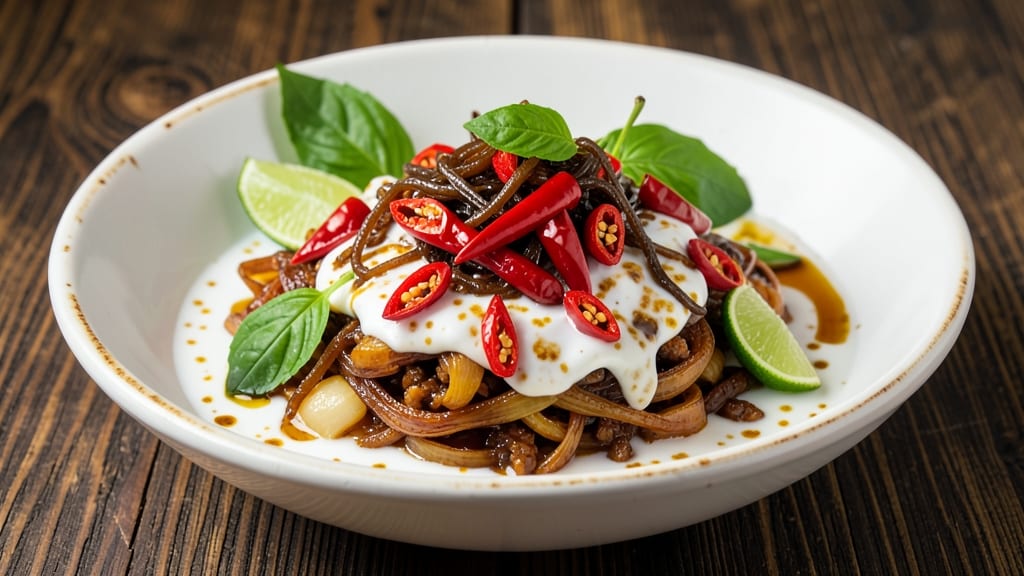
This veg sambal recipe delivers the bold, fiery coconut heat you crave without any meat—packed with umami depth and authentic Indonesian flavors. After perfecting this dish for plant-based gatherings, I’ve found the right balance of chili, garlic, and tamarind to create a sauce that’s both vibrant and versatile.
The key lies in slow-cooking the sambal base until it develops that signature smoky-sweet complexity, then pairing it with crispy tofu or hearty vegetables for texture.
The beauty of this recipe is its adaptability—whether you’re tossing it with noodles, serving it over rice, or using it as a marinade for grilled tofu. I’ve tested it with tempeh, mushrooms, and even jackfruit for a meaty texture, and each version brings something unique to the table.
The coconut milk mellows the heat just enough to let the chili’s brightness shine through, while the tamarind adds a tangy depth that’s impossible to replicate with shortcuts.
By the end, you’ll have a dish that’s rich, aromatic, and packed with layers of flavor—crispy edges on your protein, a glossy sauce clinging to every bite, and a heat that builds gradually.
It’s the kind of meal that feels special without requiring hours in the kitchen, and it’s guaranteed to impress even the most skeptical vegetarians. Ready to bring sambal’s fiery charm to your table?
For extra authenticity, I recommend garnishing with fresh cilantro and lime wedges, which cut through the richness and add a bright finish. This recipe serves four as a main dish, but it scales easily for larger crowds—just double the sauce and adjust the protein proportionally. Let’s get cooking!
Ingredients for veg sambal
Bold flavors with just 14 simple ingredients—no meat, all heat.
| Ingredient | Amount | Notes |
|---|---|---|
| Red Bird's Eye Chili Peppers 🌶️ | ½ lb | Fresh, stems removed |
| Garlic Cloves 🧄 | 8 cloves | Peeled, roughly chopped |
| Shallots 🧅 | 3 whole | Peeled, roughly chopped |
| Tamarind Paste 🍯 | ¼ cup | Unsweetened, block or paste |
| Coconut Milk 🥥 | 1 can | Full-fat, 13.5 oz can |
| Vegetable Oil 🫒 | 2 tbsp | For frying tofu |
| Extra-Firm Tofu 🥬 | 1 lb | Pressed, cubed |
| Soy Sauce 🍶 | 2 tbsp | Tamari for gluten-free |
| Brown Sugar 🍚 | 2 tbsp | Packed lightly |
| Fresh Cilantro 🌿 | ¼ cup | Chopped, for garnish |
| Lime Juice 🍋 | 2 tbsp | Freshly squeezed |
| Salt 🧂 | 1 tsp | Sea salt, to taste |
| Black Pepper 🌶️ | ½ tsp | Freshly ground |
| Jasmine Rice 🍚 | 1 ½ cups | Uncooked, for serving |
The chili peppers are the heart of this dish, so fresh is non-negotiable. Grab a bunch of Bird's Eye chilies at an Asian market—they’re smaller but pack serious heat. If you can’t find them, Thai chilies or serranos work in a pinch, but they won’t be as authentic. The tamarind paste can be tricky to find outside specialty stores, but Trader Joe’s usually carries it in the international aisle. If you’re using a block, simmer it with water to dissolve into a paste. For garlic and shallots, don’t peel them until you’re ready to chop—they keep better that way. The tofu should be extra-firm and pressed for at least 30 minutes to avoid a soggy texture.
No tamarind? Lemon juice plus 1 tsp brown sugar mimics the tang, though it won’t be identical. Running short on Bird’s Eye chilies? Substitute with a mix of jalapeños and red chili flakes, but reduce the amount by half to avoid overwhelming heat. The coconut milk is key—full-fat gives the best texture and richness. If you’re using light coconut milk, add an extra tablespoon of oil to compensate. For the tofu, cornstarch or arrowroot powder makes a better coating than flour if you want extra crispiness. The brown sugar balances the heat, but if you’re avoiding refined sugar, date syrup or coconut sugar works just as well.
This sambal keeps beautifully in the fridge for 5-6 days, with the flavors deepening over time. Freeze portions in ice cube trays for up to 3 months—just thaw and reheat gently. The tofu stays crispy for about 2 days if stored in an airtight container, but I recommend making it fresh when serving. For extra authenticity, serve with steamed jasmine rice and lime wedges on the side. The lime juice can be added fresh at the end, so don’t prep it too early—it brightens everything up.
Why You'll Love This Recipe
- No-Fuss Blend: I swear by this recipe because it’s literally one pan, one fire. Toss those shallots and garlic into a hot wok, add the chilis, and let them char—no peeling, no dicing, no mess. The tamarind paste dissolves like magic, and coconut milk smooths it all out in minutes.
- Heat That Stays: That first bite? Pure satisfaction. The Bird’s Eye chilis bring the fire, but the tamarind cuts through it with this bright, tangy depth—like a hug for your taste buds. Honestly, I’ve tried store-bought sambal, and this tastes like it came from a street stall in Malaysia.
- Pantry-to-Table Magic: This is my go-to when I’m low on groceries but craving flavor. Use it as a dip for fries, a sauce for noodles, or even a marinade for tofu. I’ll be real: I’ve eaten it straight with rice when I was too tired to cook anything else. (Yes, even on a Tuesday night.)
- Leftovers That Work Hard: Make a big batch—it keeps for weeks in the fridge. The coconut milk keeps it rich, so it doesn’t dry out, and the spices only get better over time. I freeze half to toss into curries later, and the rest? Gone in two days. Budget-friendly, time-saving, and always reliable.
Step-by-step instructions for veg sambal recipe
This vibrant veg sambal delivers bold, smoky-sweet heat with every bite—no meat required.
Prepare the Chili and Aromatic Base
Remove stems from the 0.5 lb red bird's eye chili peppers and roughly chop them. Heat 1 tablespoon of the vegetable oil in a large skillet over medium heat. Add the chopped peppers and cook for 5-6 minutes until they soften and begin to release their oils—you'll see the peppers darken slightly and smell that unmistakable chili aroma.
Add the 8 peeled garlic cloves and 3 roughly chopped shallots to the pan. Cook for another 3-4 minutes until the garlic turns golden and the shallots become translucent. Here's the thing—don't let the garlic burn, or you'll end up with bitter flavors instead of sweet, nutty depth. Stir frequently and watch closely during these final minutes.
Build the Sambal Sauce
Reduce the heat to low and add the 0.25 cup tamarind paste, stirring constantly to dissolve it completely. Let it simmer for 2 minutes until the mixture thickens slightly and becomes glossy. This step develops the signature tangy-sweet balance that makes sambal so addictive.
Pour in the 1 can coconut milk and stir well. Let the mixture simmer gently for 5-6 minutes until it reduces by about one-third. You're looking for a sauce that coats the back of a spoon—a consistency that's thick enough to cling to your rice but still flows smoothly. Taste and adjust seasoning with the 1 tsp salt and 0.5 tsp black pepper, adding more if needed.
Fry the Tofu for Crispy Texture
While the sambal sauce simmers, heat the remaining 1 tablespoon vegetable oil in a separate skillet over medium-high heat. Cut the 1 lb extra-firm tofu into 1-inch cubes and pat them completely dry with paper towels—this step is crucial for achieving crispy edges. Add the tofu to the hot oil in batches to avoid overcrowding.
Fry for 3-4 minutes per side until golden brown and crispy. You'll know they're ready when they release easily from the pan and have developed a nice crust. Transfer the fried tofu to a paper towel-lined plate to drain excess oil. Don't skip this draining step—it prevents your sambal from becoming greasy.
Combine and Finish the Sambal
Return the fried tofu to the sambal sauce and stir gently to coat. Add the 2 tbsp soy sauce and 2 tbsp brown sugar, mixing well. Let the entire mixture simmer together for 2-3 minutes until the flavors meld beautifully. The tofu will absorb some of the sauce, so don't worry if it looks slightly under-sauced at this point.
Finish with the 2 tbsp lime juice and 0.25 cup chopped fresh cilantro, stirring until evenly distributed. The lime juice brightens all the flavors while the cilantro adds that fresh, herbal note that balances the heat. Taste one final time and adjust seasoning if needed—this is your chance to perfect the balance between sweet, spicy, sour, and umami.
Serve Over Jasmine Rice
Cook the 1.5 cups jasmine rice according to package instructions until tender and fluffy. Spoon the veg sambal generously over the rice, allowing the tofu and sauce to nestle among the grains. Garnish with additional cilantro if desired, and serve immediately while the tofu is still crispy.
Each bite should deliver a perfect harmony of textures—crispy tofu, creamy coconut milk, and the fiery kick from the red bird's eye peppers. The tamarind adds that signature tang, while the lime juice keeps everything bright and fresh. This veg sambal proves you don't need meat to create a dish this flavorful and satisfying.
Pro Tips For Making Veg Sambal
- Char the Shallots: Cook them until they’re deep golden and slightly crispy—this adds sweetness that cuts through the heat. I used to rush this step, and the sambal always tasted flat; now I let them sit in the pan until they smell like caramelized onions, even if it takes 8-10 minutes.
- Blister, Don’t Burn: For the Bird’s Eye chilies, blister them whole over high heat—skin should blacken in spots but not turn to ash. I learned this the hard way when my sambal tasted bitter; now I rotate the pan and keep an eye on them like a hawk.
- Soak Tamarind Properly: Mix the tamarind paste with warm water first—it dissolves better and won’t clump like glue in your sauce. I was skeptical until I tried it, and now my sambal has that smooth, tangy balance instead of grainy lumps.
- Simmer, Don’t Boil: After adding coconut milk, keep the heat low and let it simmer gently—boiling turns it greasy and separates the flavors. I used to crank the heat, and the sambal always tasted heavy; now I let it bubble softly for 10 minutes, and it stays rich but light.
Make-ahead tips for veg sambal
Prep Ahead Sauce
The sambal sauce is the star of this dish, and it actually tastes better when made ahead. After simmering the sauce (Step 2), let it cool completely before transferring to an airtight container.
Store it in the refrigerator for up to 5-6 days—the flavors deepen and meld beautifully over time. When ready to serve, reheat gently in a saucepan over low heat for 3-4 minutes until warmed through.
Stir in the lime juice and cilantro just before serving to keep those bright flavors fresh. 💫
Tofu Prep Timeline
If you're short on time, prep the tofu ahead of frying. Press the tofu for 30 minutes (or up to 2 hours in the fridge) and store it in its water in an airtight container for up to 3 days.
When ready to cook, drain and pat it dry thoroughly before frying. For extra crispiness, toss the pressed tofu cubes in 1 tbsp cornstarch before frying—this creates a perfect golden crust without adding bulk. ✨
Rice Prep Shortcut
Save time by prepping the rice separately. Cook the 1.5 cups jasmine rice up to 1 day ahead and store it in an airtight container at room temperature. Reheat in the microwave for 1-2 minutes or on the stovetop with a splash of water until warm.
For extra flavor, add a pinch of salt and a drizzle of coconut milk while reheating. This keeps the rice light and fluffy, ready to absorb the sambal sauce. 🍚
Freezing for Later
Freeze the sambal sauce in ice cube trays for easy portion control. Once frozen, transfer the cubes to a freezer bag and store for up to 3 months. When ready to use, thaw overnight in the fridge and reheat gently.
The tofu doesn’t freeze well, so I recommend making it fresh when serving. For a complete make-ahead meal, freeze the sauce and rice separately, then assemble and reheat when ready to eat. 🔥
Batch Cooking Tips
Double the recipe and store components separately for easy assembly. Cook 2 lbs extra-firm tofu and freeze half of it in a single layer on a tray before transferring to a bag. This prevents clumping when frozen. For the sauce, make 2 cans worth and divide it into portions.
When serving, simply reheat the sauce and tofu separately, then combine with freshly cooked rice. This method saves time and ensures everything stays crispy and flavorful. 💡
Garnish Last Minute
Fresh garnishes like cilantro and lime wedges should always be added just before serving. Store chopped cilantro in an airtight container with a paper towel to absorb moisture, and keep it in the fridge for up to 3 days.
Squeeze lime wedges fresh when ready to eat—they brighten the dish instantly. For extra presentation, toast 1 tsp sesame seeds in a dry pan for 30 seconds and sprinkle over the sambal before serving. 🌿
Nutrition facts
Frequently asked questions
Can I make this veg sambal spicier or milder?
For extra heat, add 1-2 extra tablespoons of chopped Bird's Eye chilies or a pinch of cayenne pepper. To mellow the heat, reduce the chili amount by 1/4 cup or add 1 extra tablespoon of brown sugar to balance it. Adjust to taste after simmering—you can always add more sugar or lime juice later.
What can I substitute if I don't have tamarind?
Mix 2 tablespoons lemon juice with 1 teaspoon brown sugar for a similar tangy-sweet balance. For a deeper flavor, try 1 tablespoon apple cider vinegar plus 1 teaspoon maple syrup. Avoid using just vinegar—it’ll make the sambal too sharp.
How do I keep the tofu extra crispy?
Pat the tofu cubes thoroughly dry with paper towels before frying, and cook in small batches to avoid crowding the pan. Toss them in 1 tablespoon cornstarch before frying for a crunchier crust. Keep the oil at medium-high heat and fry until golden brown—no need to flip too soon!
Can I use this sambal sauce in other dishes?
Yes! Stir it into vegan curries, drizzle over noodles, or use as a marinade for grilled tofu or tempeh. The sauce also works as a dipping sauce for spring rolls or veggie dumplings. For stir-fries, add it at the end to preserve the heat and freshness.
Why did my sambal turn out too thin?
This usually happens if you didn’t simmer the sauce long enough to reduce it. Let it cook uncovered for 5-10 extra minutes until it thickens. If it’s already too thin, mix 1 teaspoon cornstarch with 1 tablespoon water and stir it in while heating. Avoid adding flour—it can make the sauce grainy.